What the book is
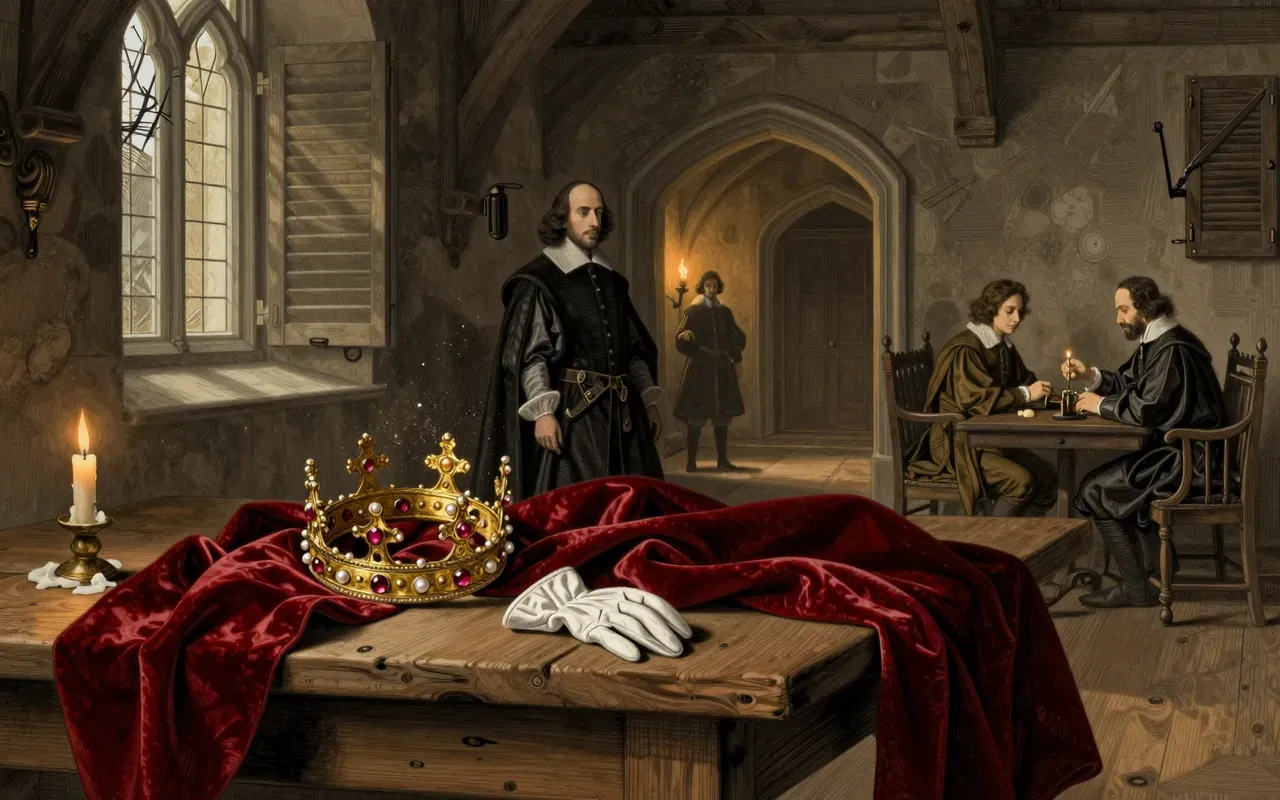
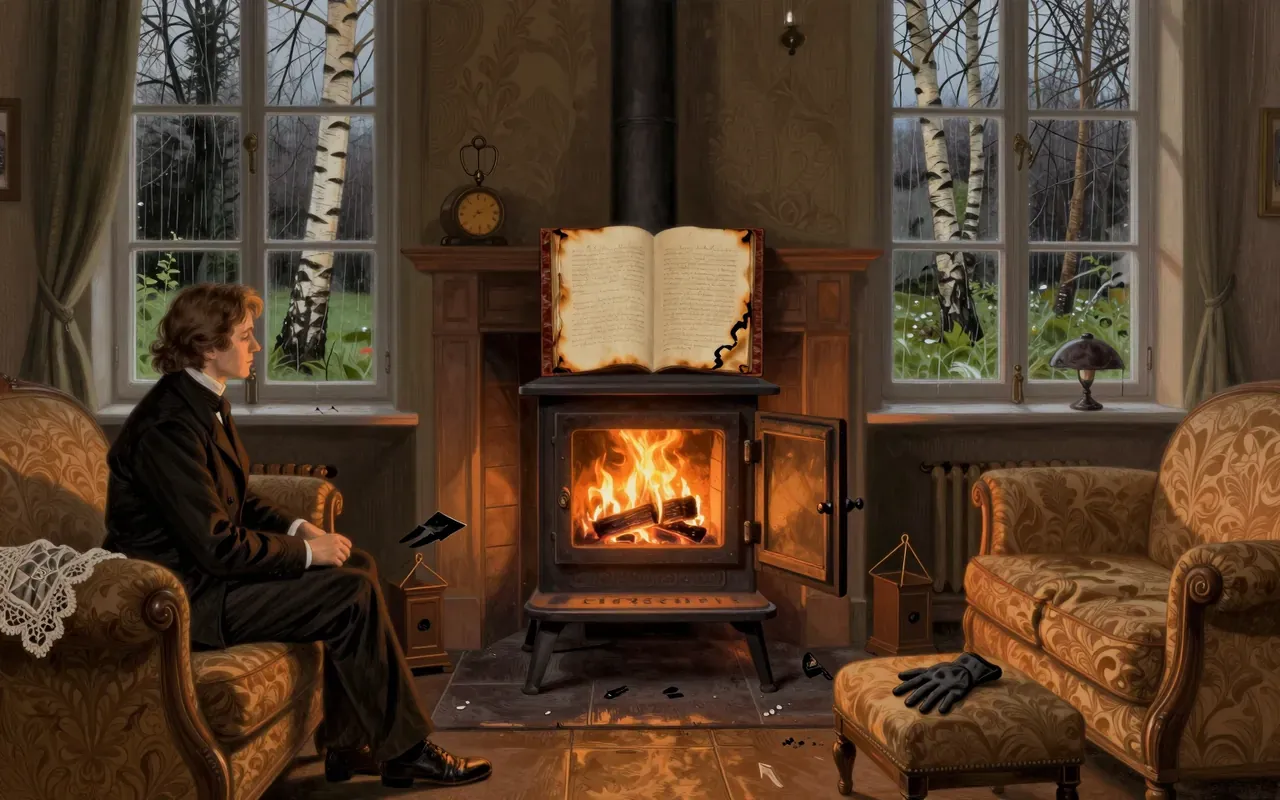
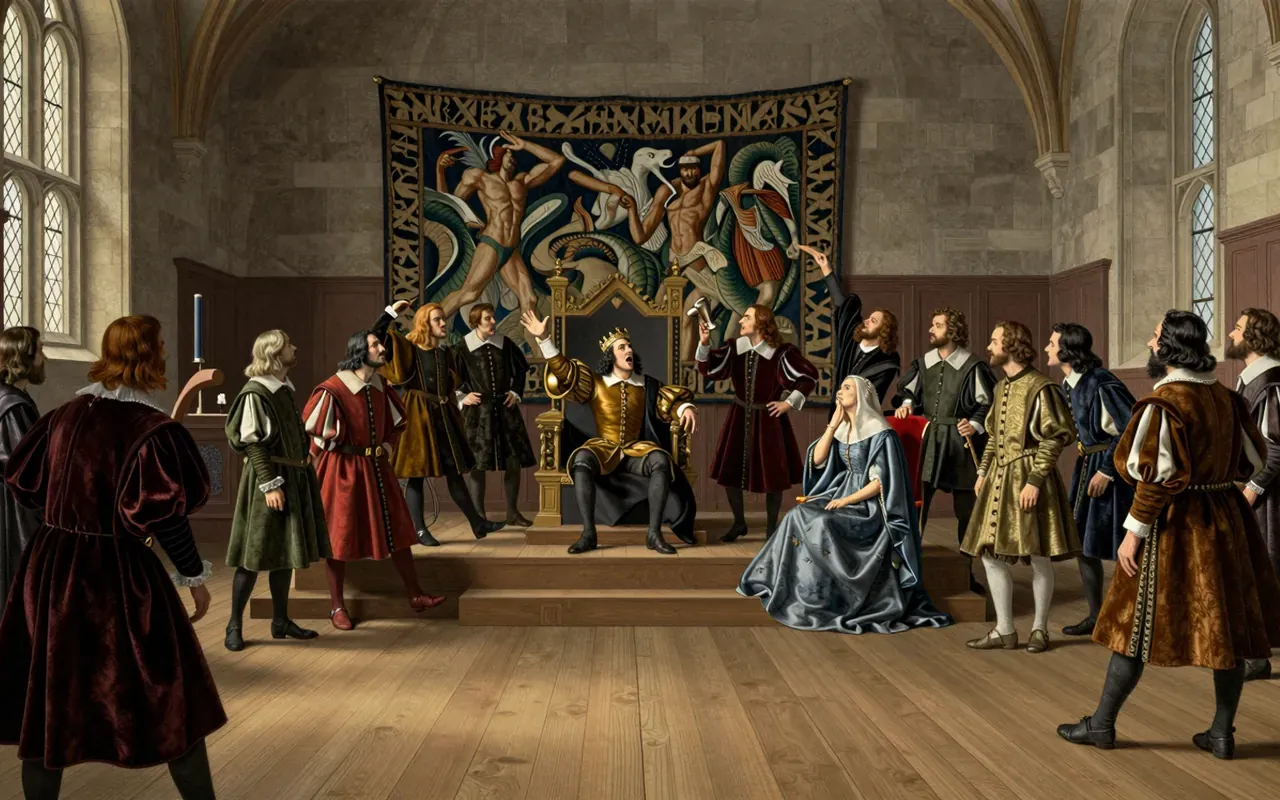
A revenge tragedy written by William Shakespeare around 1600–1601, performed at the Globe Theatre. It centres on Prince Hamlet of Denmark, who learns from his father’s Ghost that Claudius murdered him and seized the throne. The action unfolds entirely within Elsinore Castle and its precincts.
The main ideas
Revenge must be justified, not just executed. Truth requires witnesses—and they die. Surveillance corrupts language: every conversation in Elsinore is overheard, misreported or weaponised. The Ghost’s demand binds Hamlet not to act, but to prove.
What works
The play-within-a-play exposes Claudius’s guilt with surgical precision. The Ghost’s first line—‘I am thy father’s spirit’—immediately destabilises authority. Hamlet’s delay is not weakness; it is the only ethical response to an unverifiable command from beyond the grave.
What does not
The ‘To be or not to be’ soliloquy does not advance plot or character. Polonius’s advice to Laertes is forgettable filler. The gravedigger scene adds no structural weight. The final duel repeats earlier violence without deepening the argument.
The themes
The theme of performance dominates: Hamlet feigns madness, Claudius performs kingship, the players enact murder, Gertrude performs loyalty. Mortality is literal: Yorick’s skull, Ophelia’s drowning, the graveyard. Truth is unstable: Horatio sees the Ghost, but only Hamlet hears its words.
Who should read it
Readers who want to understand how language fractures under pressure. Students of rhetoric, acting or political deception. Anyone who has ever withheld truth to survive.
Who should not
Readers who require clear moral resolution. Those who dislike recursive doubt. Anyone allergic to repeated references to ears, poison and burial.
The assessment
Hamlet is a tragedy in five acts, set in Elsinore Castle, where the Ghost of King Hamlet reveals Claudius murdered him by pouring poison in his ear. The play argues that moral paralysis is more destructive than action—and that truth cannot be spoken without cost. It fails when it indulges in soliloquy as spectacle rather than consequence, and when Ophelia’s madness is treated as ornament rather than indictment.
Is it worth your time
Yes—if you read it aloud, cut the soliloquies after the first two lines, and treat every aside as evidence, not confession.