booksbriefs
14:13in productionCh. 1 · The love test/ 14:13 · ceiling 15 min
Drama

King Lear

Authority without wisdom is self-immolation — and love without truth is silence.

King Lear is not about redemption. It shows how power without insight unravels — through Lear’s demand for flattery, Cordelia’s silence, and the storm as physical consequence. The brief isolates its brutal logic, names what works (the storm, the Fool, the blinding), and says what to skip (expository padding). It is worth your time only if you accept that some truths arrive as wounds.

Chapters & takeaways5
  1. 0:44
    The love test

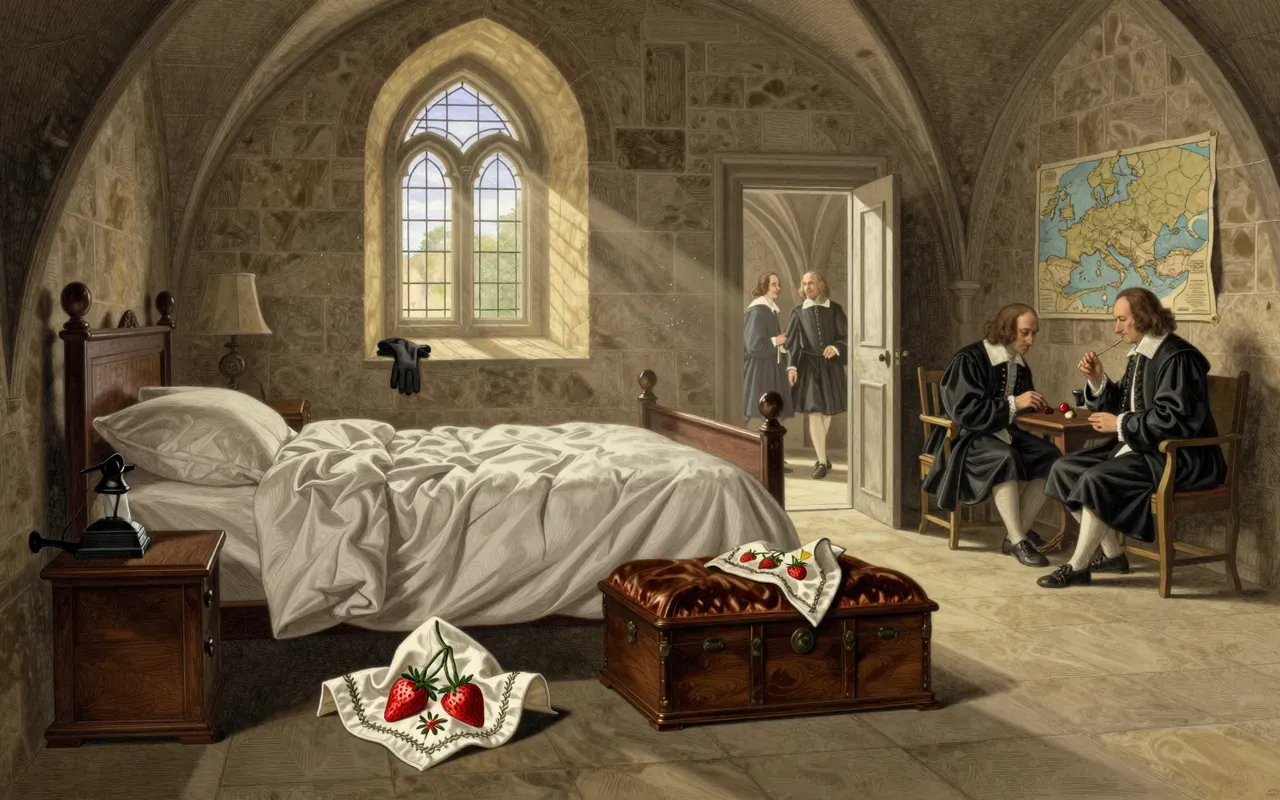
    Lear demands love as performance. Cordelia’s 'nothing' is the first crack in his world.

  2. 2:43
    The heath

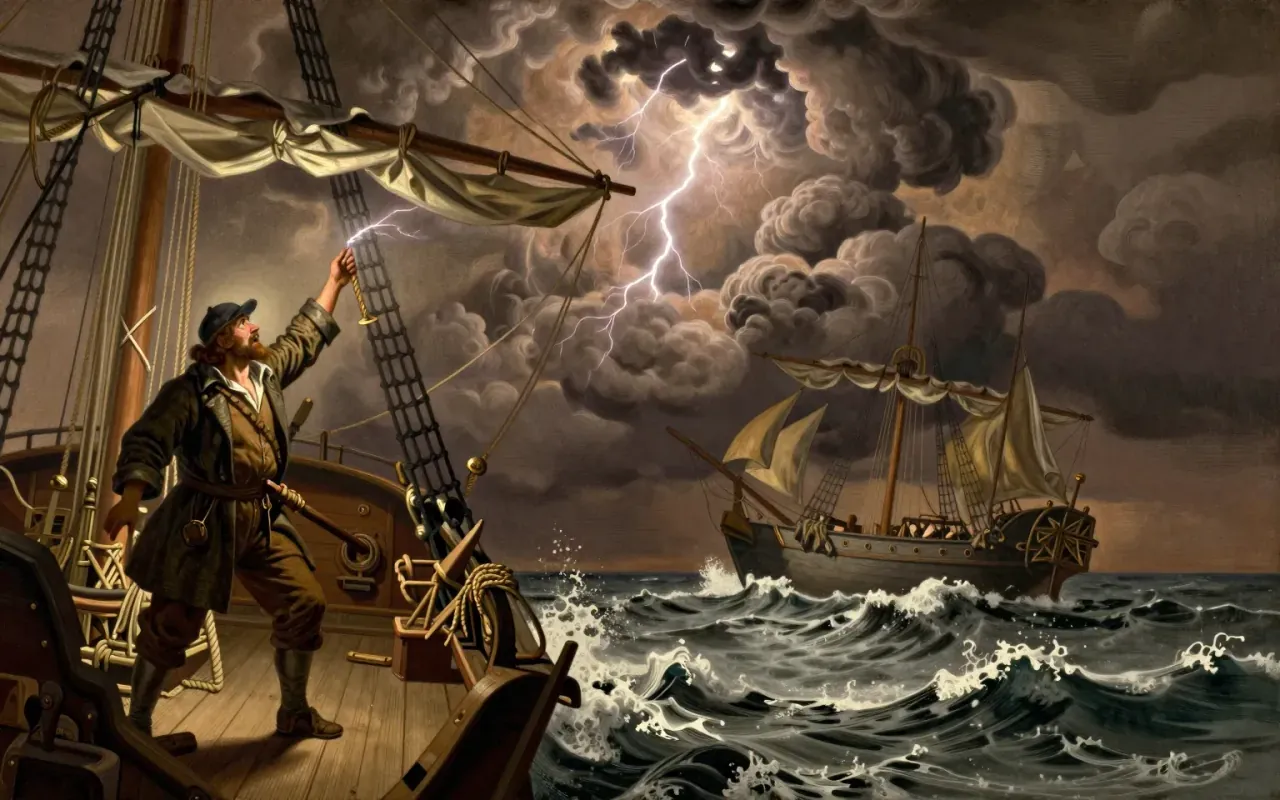
    The storm is not metaphor. It is the kingdom’s collapse made weather.

  3. 5:37
    Blindness and sight

    Gloucester’s blinding mirrors Lear’s failure to see — both are punished in the flesh.

  4. 8:01
    The Fool’s logic

    The Fool speaks truth only when Lear stops hearing it as counsel.

  5. 10:02
    What to skip

    Skip the subplot’s exposition. Focus on scenes where language breaks: the storm, the blinding, the final tableau.

Worth your time?

Yes. Read the whole thing.

4.5/ 5
What works
  • Cordelia’s ‘nothing’ lands with the weight of a verdict.
  • The storm scene forces speech into shriek, silence and gesture — no metaphor needed.
  • Gloucester’s blinding is staged as civic violence, not private horror.
What does not
  • It offers no moral resolution — Cordelia dies unexplained, Lear’s grief is pure loss, not growth.
  • Edmund’s repentance arrives after the point of consequence and changes nothing.
  • The subplot’s exposition slows the main action without deepening it.
Read it if
  • Readers who want to study how language fails under pressure.
  • Students of political collapse who need a text that refuses easy answers.
  • Actors and directors confronting the physicality of rage and breakdown.
Skip it if
  • Those who require narrative closure or ethical balance.
  • Readers who expect characters to develop consistently — Lear shifts without cause.
  • Anyone needing comfort or instruction rather than confrontation.
The written brief2 min read

What the book is

A Jacobean tragedy in five acts, written by William Shakespeare, about an ageing king who divides his realm based on spoken love and pays for it with his mind, his eyes and his daughter’s life.

The main ideas

Lear’s division of the kingdom is an act of willful ignorance. Cordelia’s ‘nothing’ is both refusal and truth. The storm is not symbolic weather but the literal breaking of order. Gloucester’s blinding mirrors Lear’s moral blindness — both are punished in the flesh for failing to see.

What works

Cordelia’s ‘nothing’ lands with physical weight. The storm scene forces language into raw sound and gesture. Gloucester’s blinding is staged as public violence, not private horror. The Fool’s interruptions fracture Lear’s logic before his mind does.

What does not

It fails to resolve its moral universe. The deaths of Cordelia and Lear are not framed as necessary or instructive. Edmund’s last-minute repentance arrives too late to matter. The play gives no ground for justice beyond spectacle.

The themes

The play centres on filial ingratitude, the fragility of political order, and the body’s vulnerability to language and power. It treats madness not as illness but as exposure — what remains when titles, retinues and flattery are stripped away.

Who should read it

Readers who want to confront how power distorts perception. Those studying the limits of language in politics. Anyone who has seen authority crumble and wants a text that refuses consolation.

Who should not

Readers seeking narrative resolution or moral clarity. Those who require character consistency: Lear shifts from tyrant to penitent without explanation. Anyone allergic to unrelieved suffering without catharsis.

The assessment

King Lear argues that authority without wisdom collapses into chaos, and love without truth is a lie. It shows this through Lear’s demand for flattery, Cordelia’s silence, and the storm on the heath — not as metaphor but as physical consequence. The play does not offer redemption: Gloucester is blinded, Lear dies holding Cordelia’s corpse, and Albany’s final speech offers no restoration.

Is it worth your time

Yes — if you accept that some books exist to break patterns, not confirm them. Its value lies in its refusal to soothe. It rewards attention to rhythm, silence and staging, not interpretation.
Same shelf · Drama4 of 27
Up next in Books

Leaves of Grass

Walt Whitman · 1855 · 15:13

Democracy is a body, not a system—and Whitman sings it like scripture.

15:13