booksbriefs
Topic

Human nature

Whether there is one, and what every political system assumes about it.

11
in books
13:33
average
149 min
in total
41
across the network
Human nature across the network →
All briefs11
12:28

Beyond Good and Evil

Friedrich Wilhelm Nietzsche · 0

The book argues morality is not discovered but created by power, truth is perspectival and life-serving, and nobility arises only where hierarchy is institutionalised. It works best in fragments—especially Chapters IV, V and IX. Skip Chapter VI: its attack on scholars is dated and underdeveloped.
14:20

The Cossacks

Leo Tolstoy · 1910

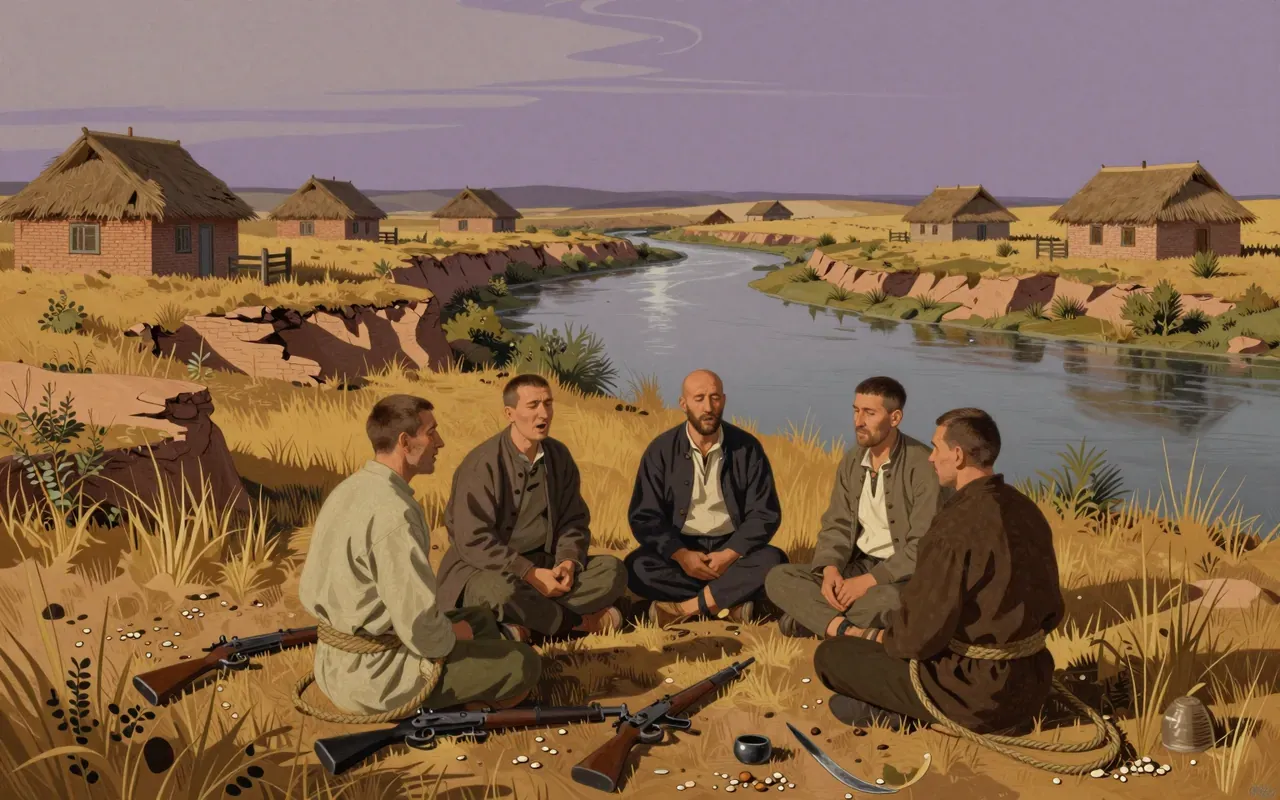
Tolstoy’s novella argues that love is not a bridge but a border — a truth exposed when Moscow aristocrat Olénin fails to win Maryánka amid the Grebénsk Cossacks. The brief isolates the khorovód, the death-song and the farewell as the book’s moral core. It tells you which chapters expose Tolstoy’s argument and which merely rehearse Olénin’s delusion.

13:57

Emma

Jane Austen · 1815

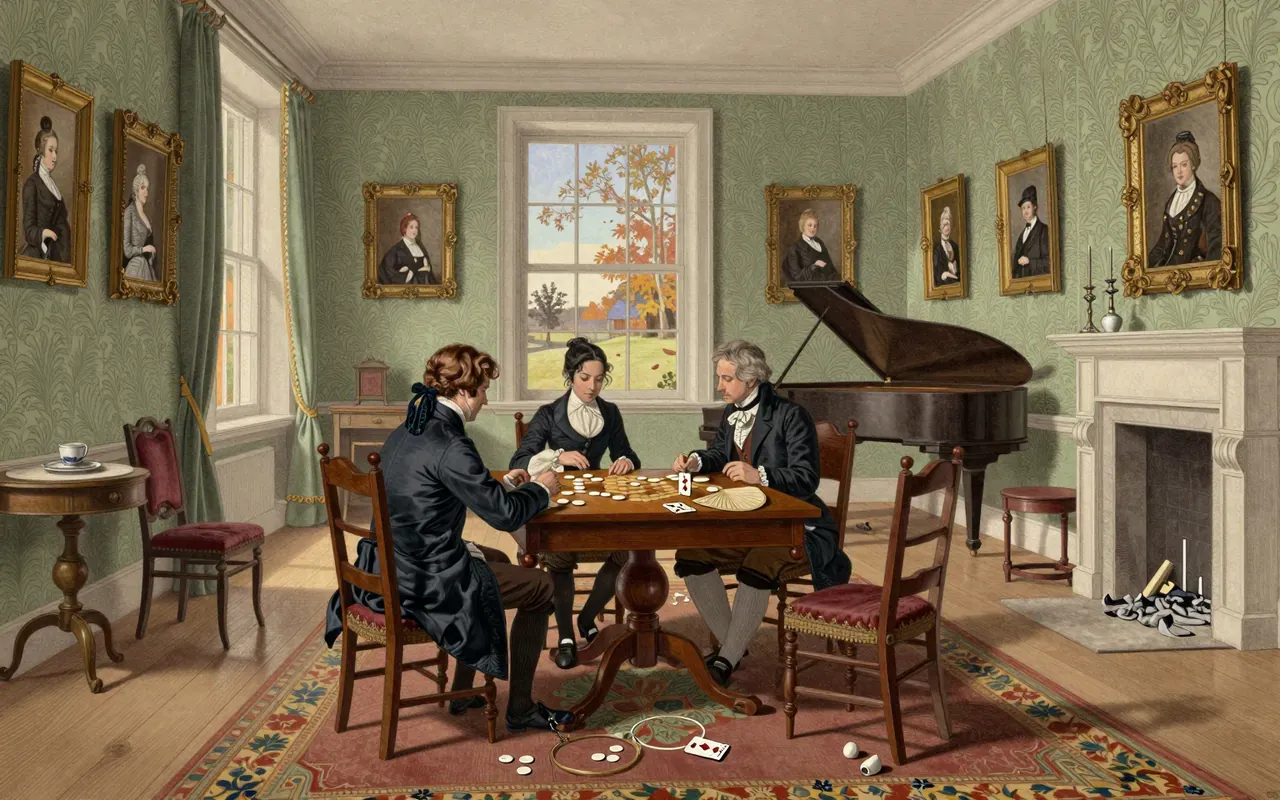
Emma is a precise anatomy of self-deception. It argues that moral growth begins not with grand gestures but with the humiliation of being wrong in front of someone who sees you clearly. The brief isolates the Box Hill reckoning, the Elton misreading, and Emma’s final acceptance of Robert Martin’s worth as the novel’s true turning points.

13:57

Hamlet

William Shakespeare · 0

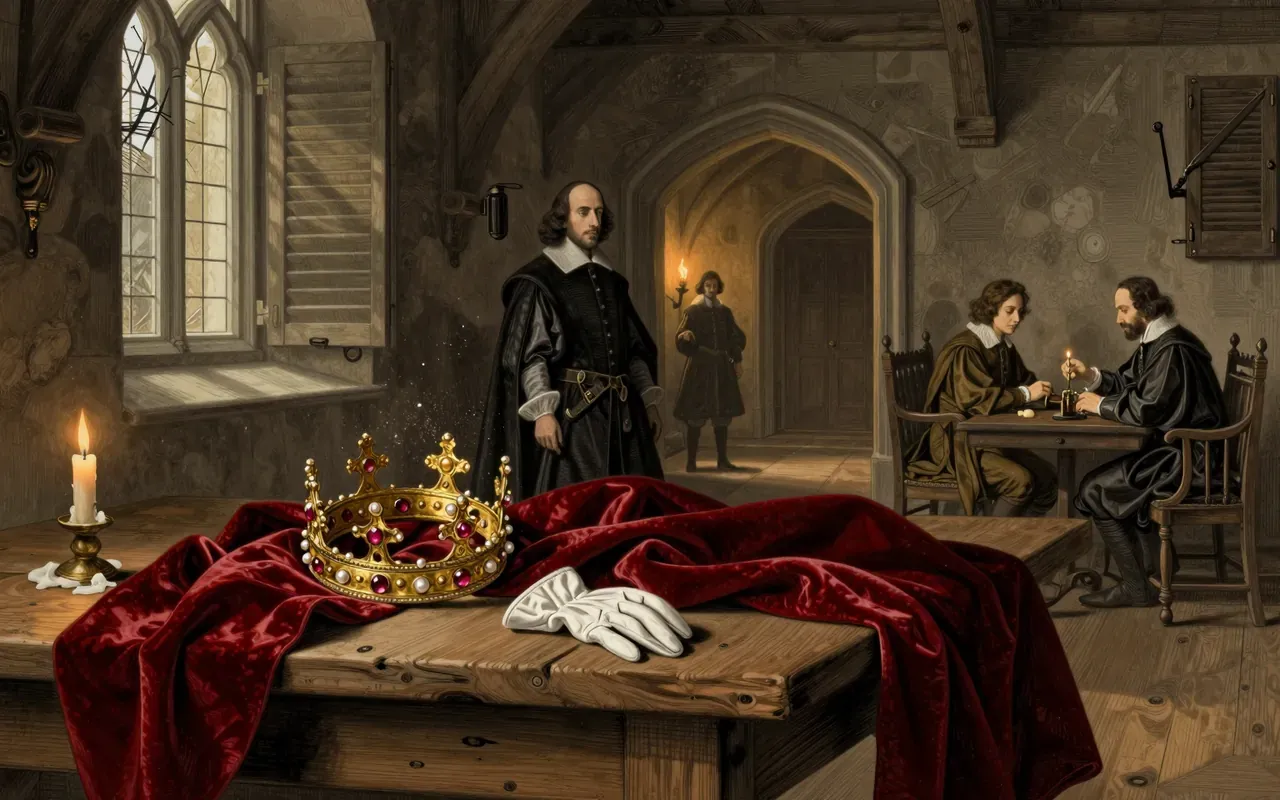
Hamlet is not about indecision. It is about the impossibility of acting on unverifiable truth in a world where every word is overheard and every gesture weaponised. The brief cuts through the soliloquies to show how surveillance, performance and mortality structure the play—and why the Ghost’s first demand is the only thing that matters.

14:13

King Lear

William Shakespeare · 0

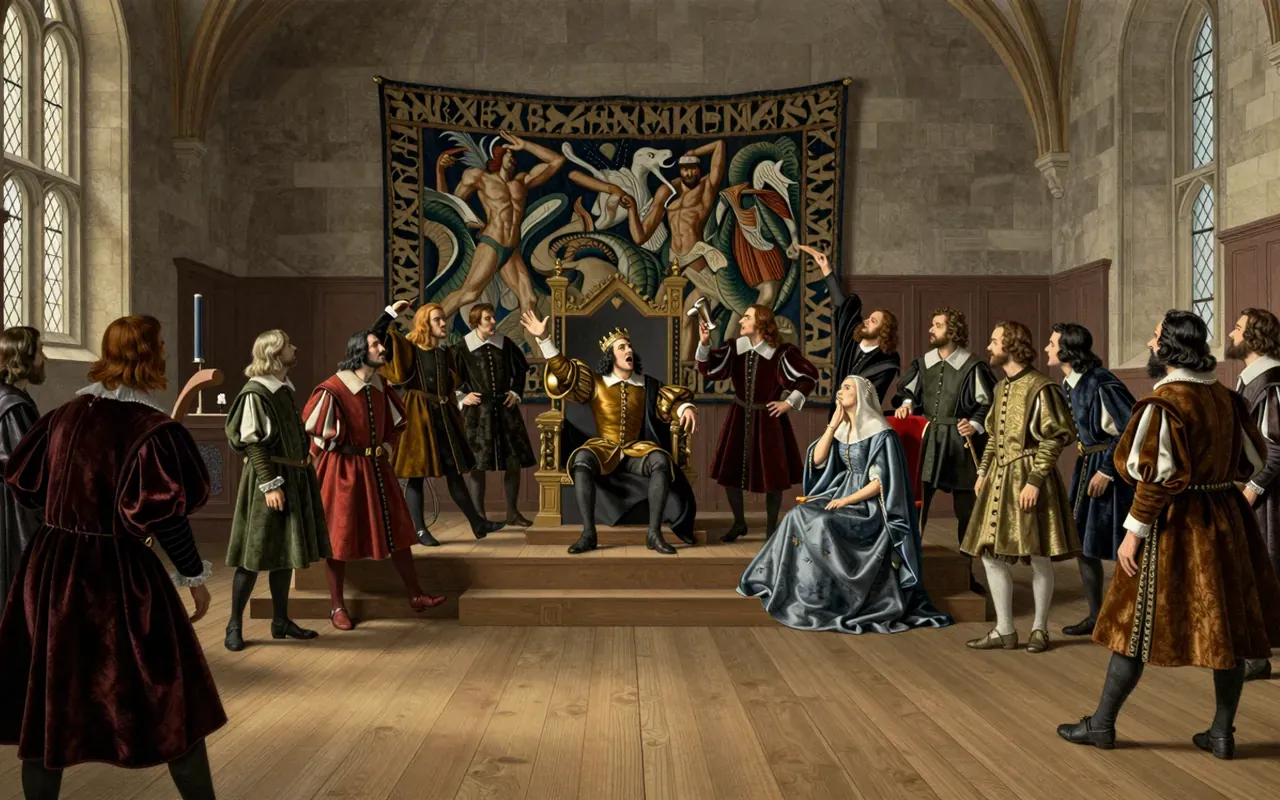
King Lear is not about redemption. It shows how power without insight unravels — through Lear’s demand for flattery, Cordelia’s silence, and the storm as physical consequence. The brief isolates its brutal logic, names what works (the storm, the Fool, the blinding), and says what to skip (expository padding). It is worth your time only if you accept that some truths arrive as wounds.

15:13

Leaves of Grass

Walt Whitman · 1855

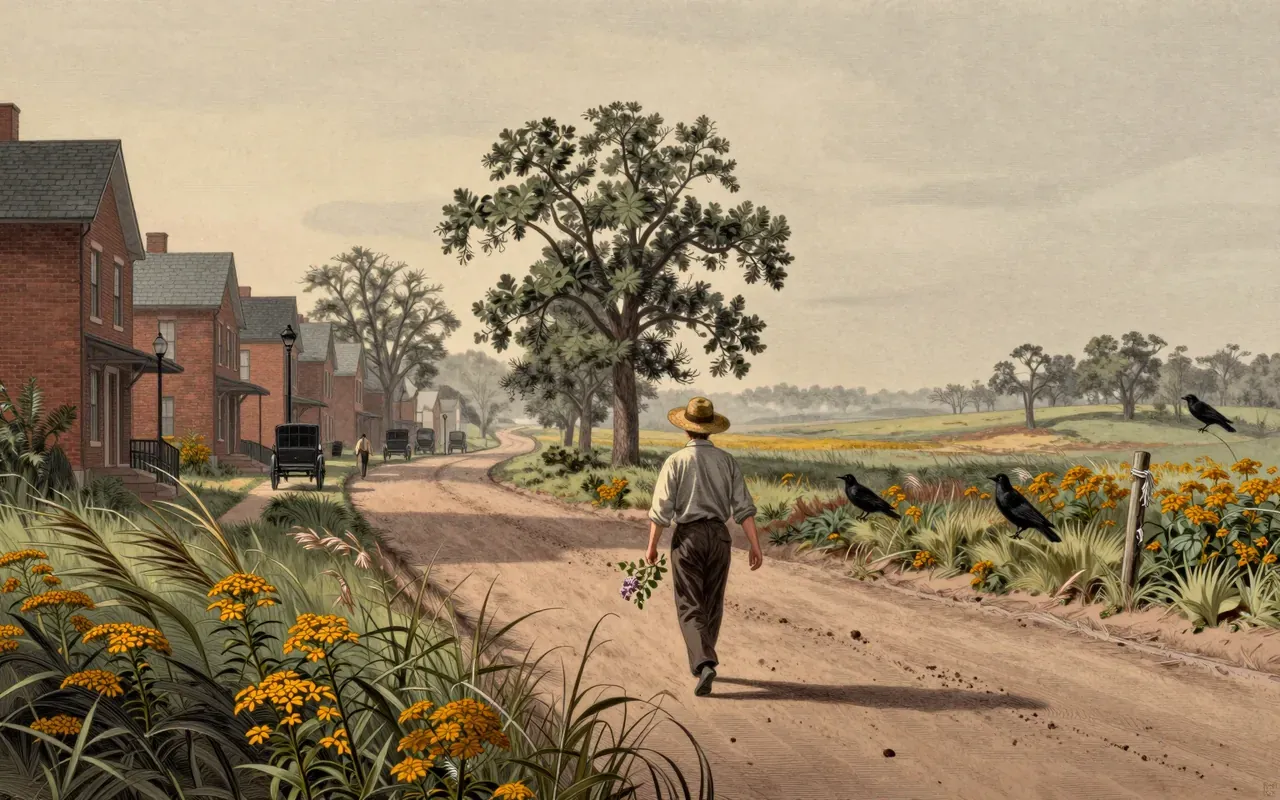
Leaves of Grass is Whitman’s lifelong poetic declaration that the self, the body, and democracy are one sacred continuum. It works best in fragments: the opening 'One’s-self I sing', the Lincoln elegies, and the death meditations. Skip the expansions. Read it as liturgy, not argument.

13:30

Othello

William Shakespeare · 0

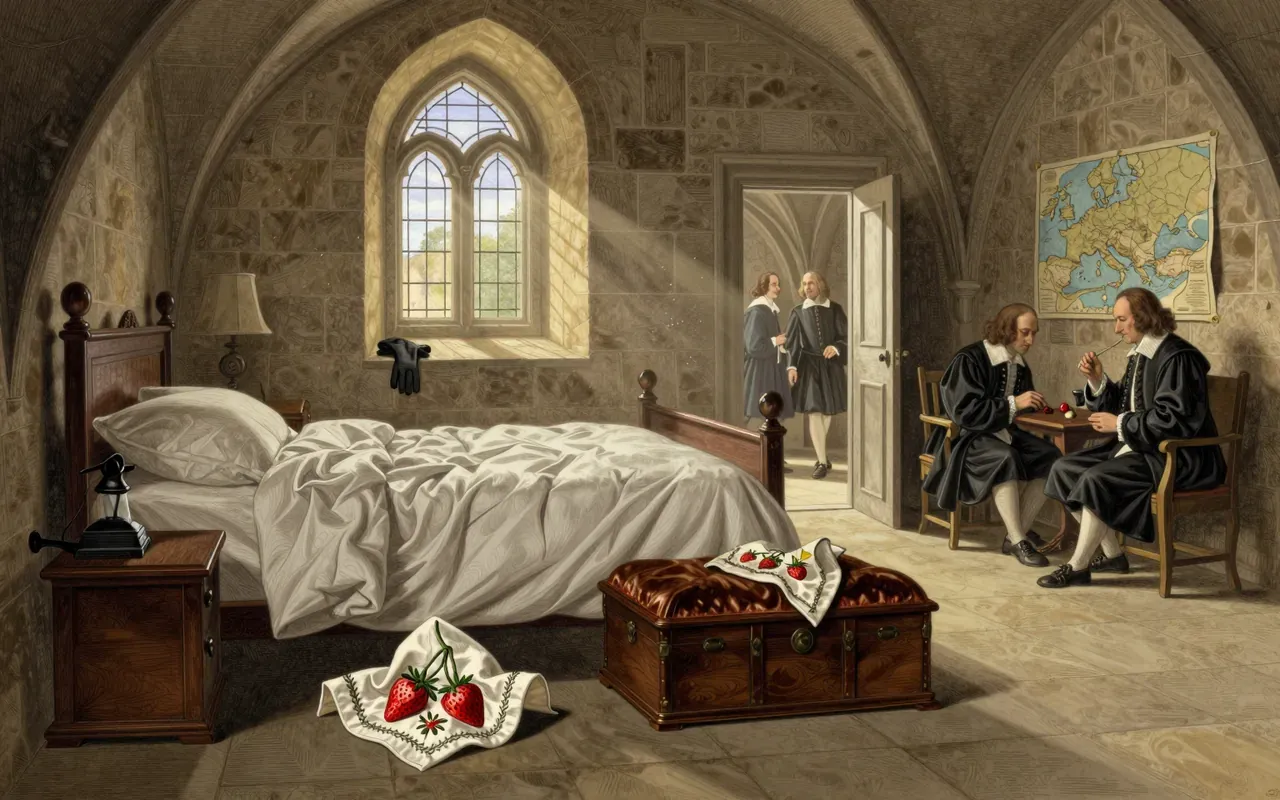
Othello is a tragedy about how language and suggestion can destroy certainty, love, and self. It argues jealousy is not emotion but logic gone rogue—and that 'ocular proof' can be manufactured from nothing. The brief explains why Iago needs no motive, why the handkerchief matters more than any character, and why the play refuses closure.

16:04

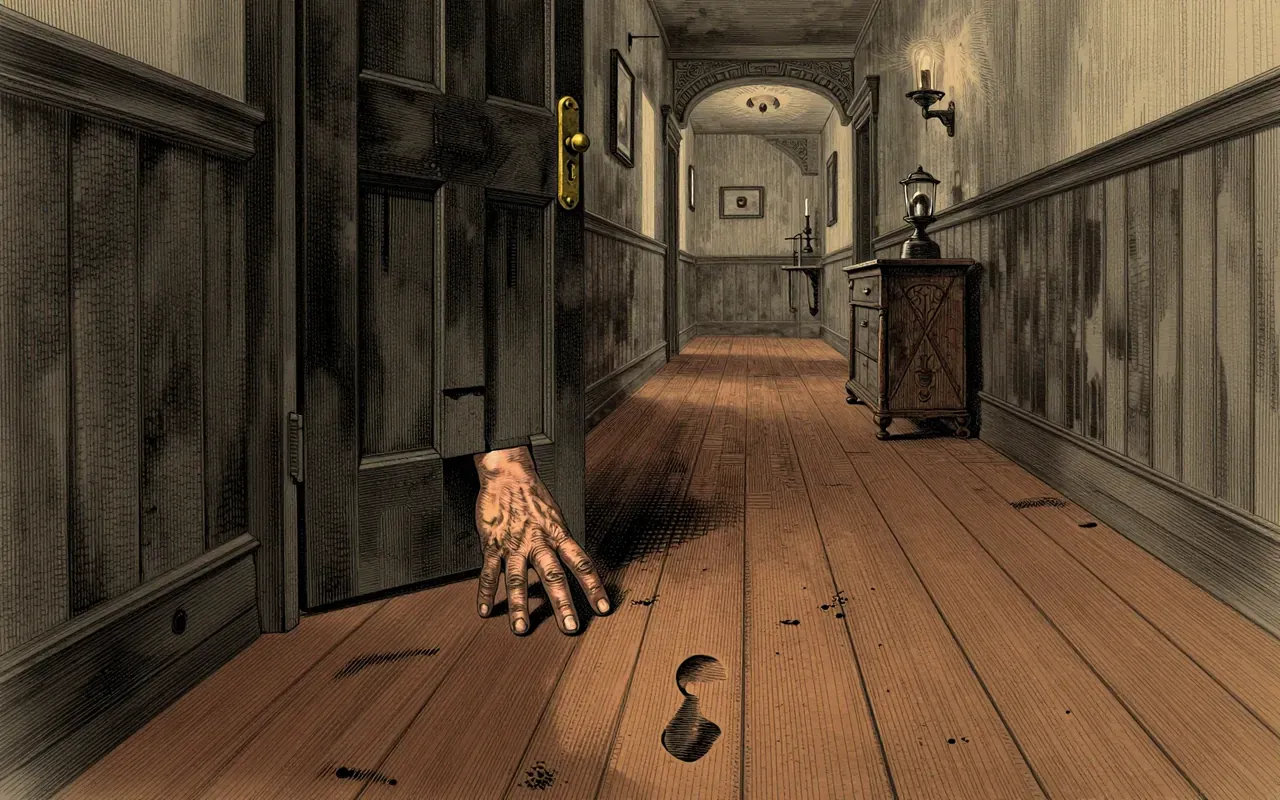
The strange case of Dr. Jekyll and Mr. Hyde

Robert Louis Stevenson · 1875

The book argues that human duality cannot be surgically divided — and that attempting to do so destroys both selves. It succeeds through structure, pacing and restraint, not exposition. Skip any attempt to read it as scientific speculation: the potion is a cipher, not a hypothesis.

12:50

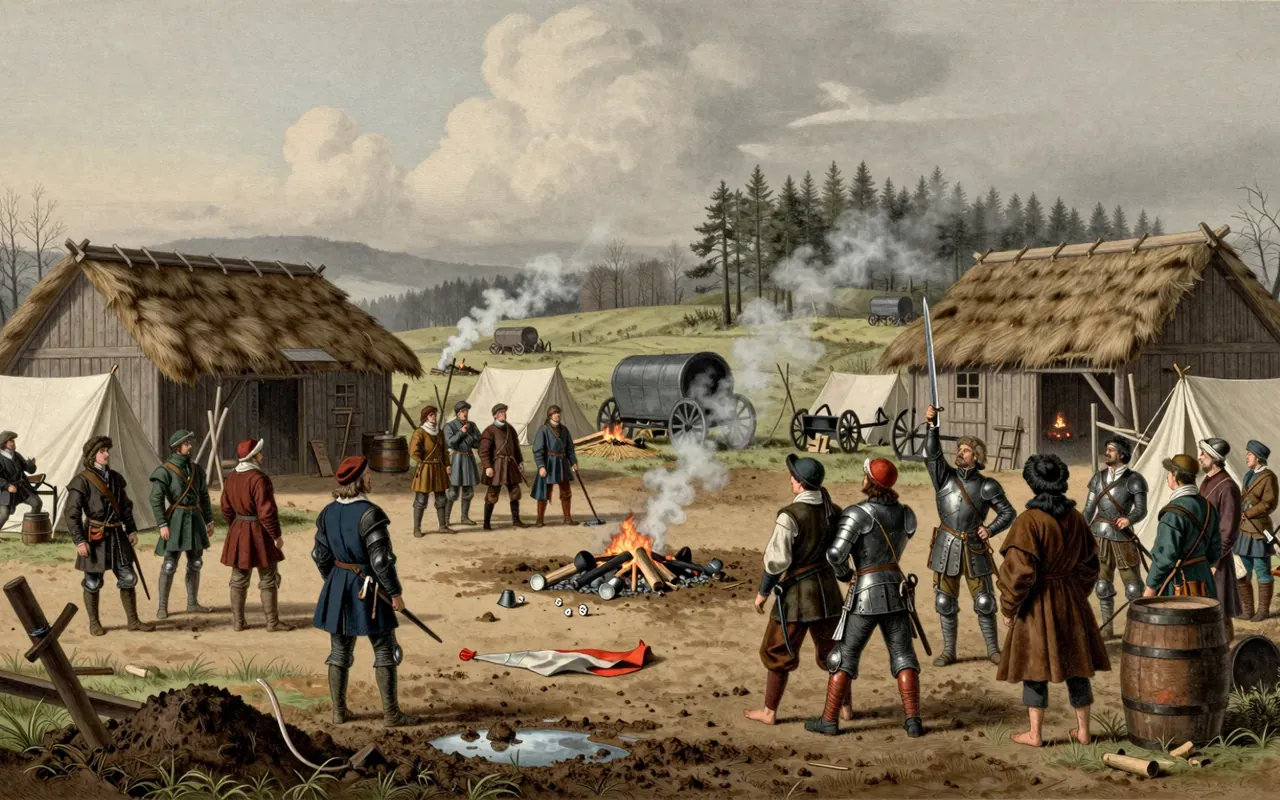
Wallenstein's Camp

Friedrich Schiller · 1805

A dramatic poem showing soldiers in Wallenstein’s Pilsen camp pledging loyalty not to empire but to their commander. It argues loyalty is performative, collective and born of fear—not ideology or reason. Read it for its raw depiction of martial sovereignty, not for history or character.

12:36

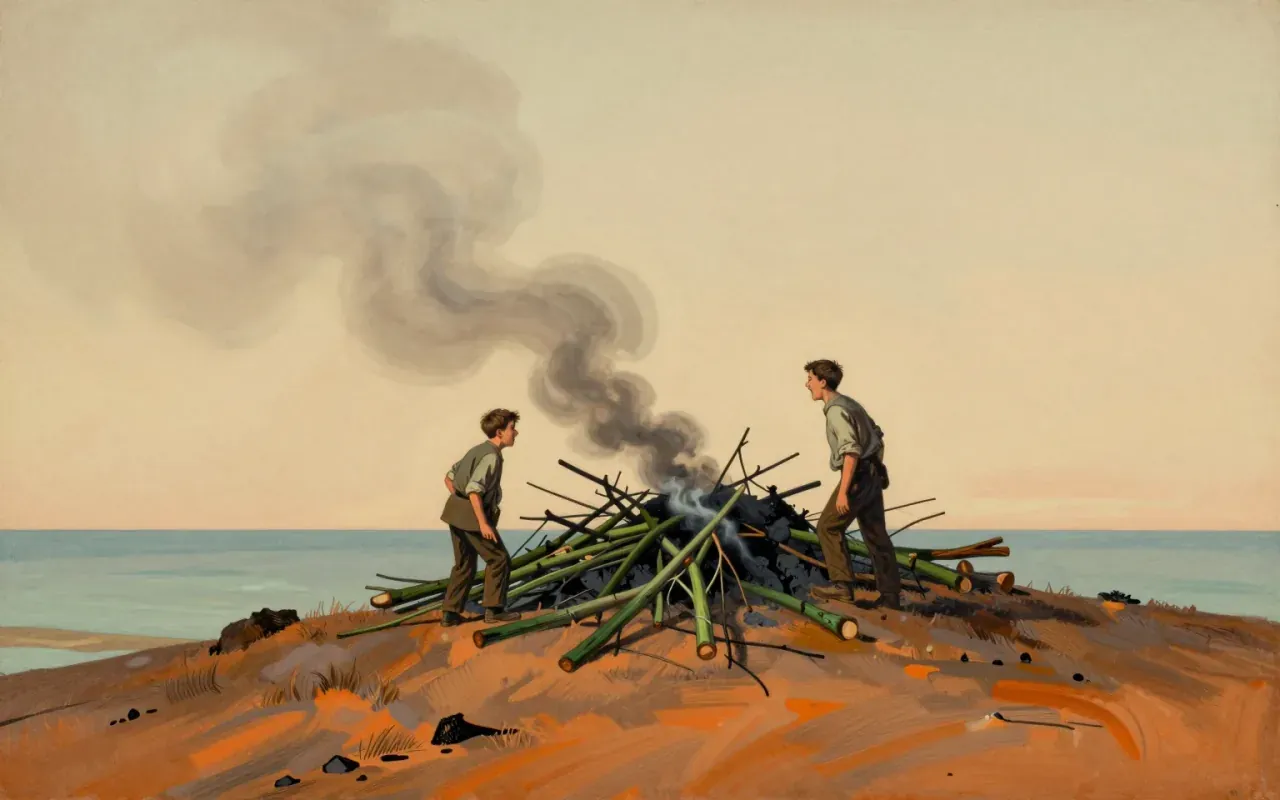
Lord of the Flies

William Golding · 1954

Golding's 1954 novel stages what happens when children are left to organize themselves. The surface reads as survival adventure. Below it is a sharp argument about how quickly order becomes tyranny and civilization masks brutality.

10:00

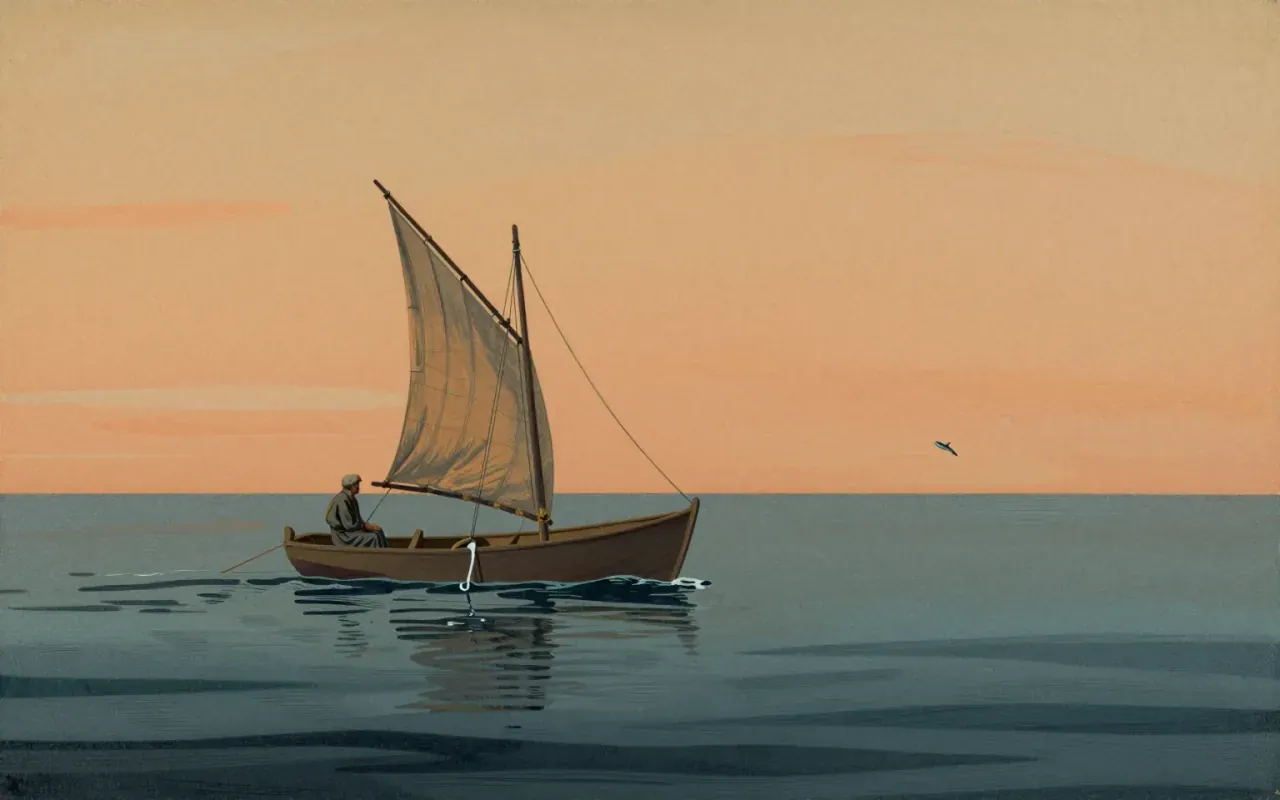
The Old Man and the Sea

Ernest Hemingway · 1952

Santiago, an aging Cuban fisherman who hasn't caught anything in 84 days, hooks a giant marlin and fights it for three days. When he finally lands it, sharks strip his prize to a skeleton. Hemingway's spare prose turns the ordeal into a study of human will against indifference.