booksbriefs
Fiction

Historical fiction

7
briefs
14:09
average
99 min
in total
6
authors
All briefs7
14:28

The Betrothed

Alessandro Manzoni · 1800

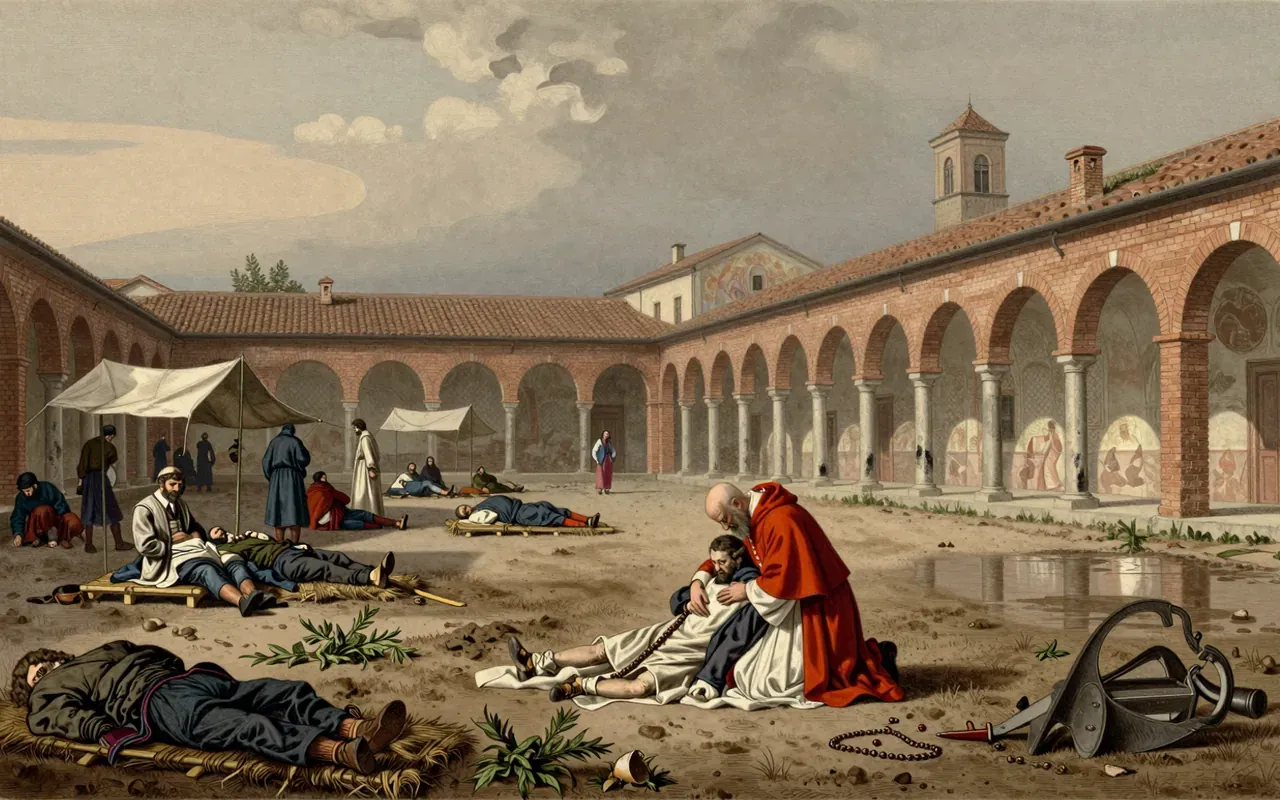
The Betrothed argues that grace arrives through vulnerability, not doctrine. Lucy’s suffering breaks the Unknown’s will. Cardinal Borromeo’s embrace—not theology—converts him. The plague is not divine wrath but a 'serviceable broom' that clears tyrants and makes space for marriage. Skip nothing: its power is cumulative.
14:09

Ivanhoe

Walter Scott · 0

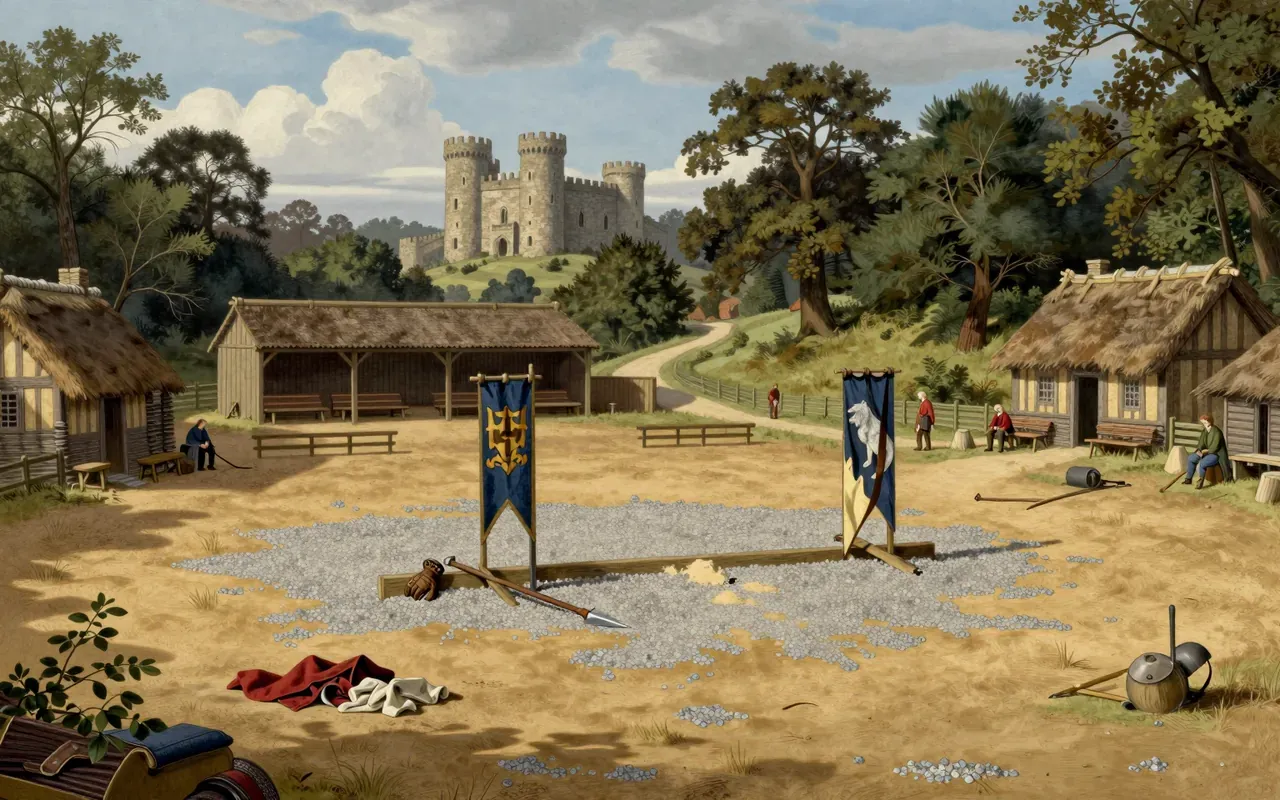
Ivanhoe argues chivalry is theatrical cover for Norman tyranny—and that Rebecca’s trial exposes how religion brands Jewish faith as sorcery. It works best in its contrasts: outlaw justice vs Templar fanaticism, Saxon speech vs Norman meat-names. Skip the tournament padding and Athelstane’s farcical resurrection.

15:54

Oliver Twist

Charles Dickens · 1822

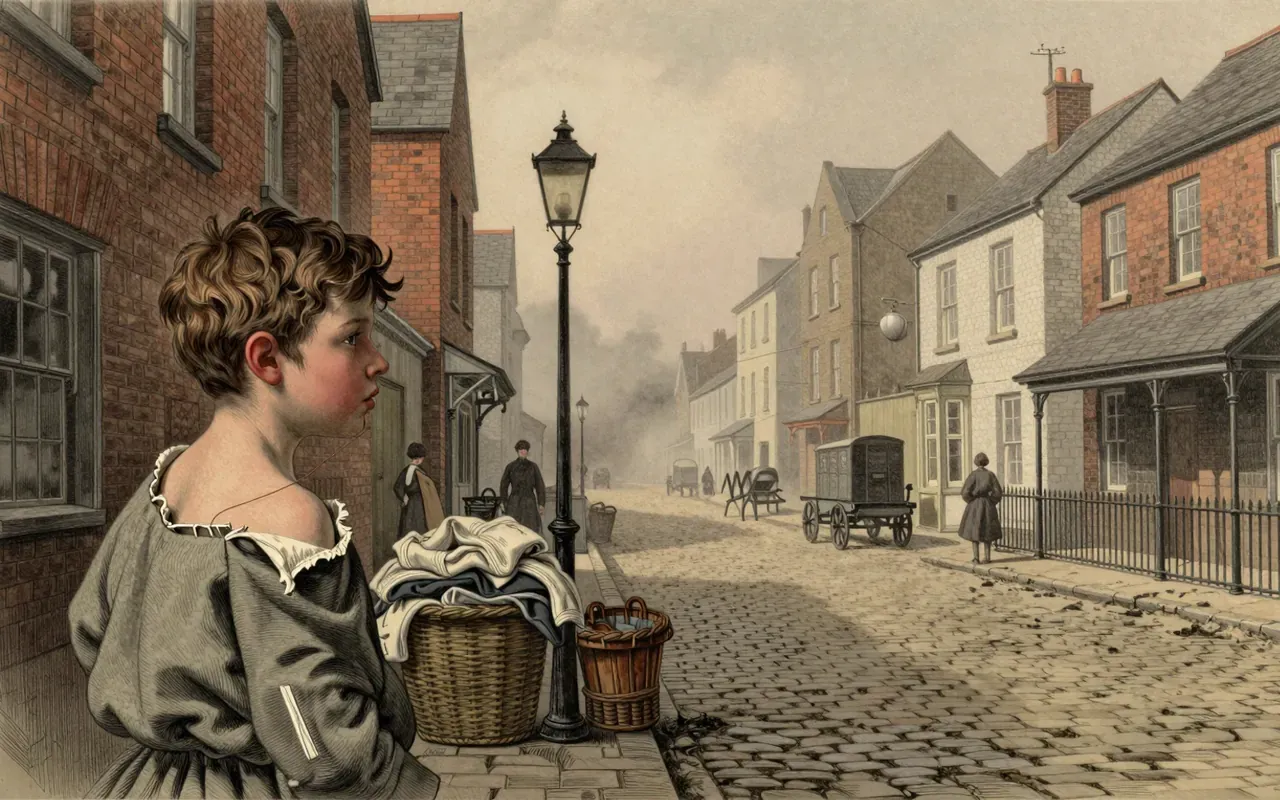
Oliver Twist is a satirical indictment of Victorian poor law, not a sentimental orphan story. It exposes the workhouse as a profit engine, Fagin’s gang as its logical offshoot, and Nancy’s murder as systemic failure. The brief strips away the myth of innocence to show how institutions manufacture criminality — then tells you which pastoral interludes to skip.

15:26

A Tale of Two Cities

Charles Dickens · 0

A polemic disguised as historical fiction. It argues revolution is cyclical and inevitable—until Carton walks calmly to the scaffold and breaks the cycle. The book’s power lies in its contradictions: trauma is inescapable, yet love can suspend history; justice is performative, yet sacrifice is absolute. Skip Book Two.

12:30

The Grapes of Wrath

John Steinbeck · 1939

Steinbeck follows the Joad family from Oklahoma to California during the Great Depression. The novel argues that personal survival alone is meaningless; consciousness must shift from individual to collective. Its ending insists that dignity lies in solidarity.

14:00

Les Misérables

Victor Hugo · 1862

A fifteen-hundred-page novel set across early nineteenth-century France, from the Paris sewers to the barricades of the July Rebellion. The brief covers Valjean's redemption, the costs of poverty, and why Hugo believed the republic must include the poor.

12:35

War and Peace

Leo Tolstoy · 1869

Tolstoy's 1869 epic follows five aristocratic families through twenty years of Russian history. The brief covers the plot in two minutes, the philosophy in five, why the theory of history is the real argument, and which sections actually matter.