What the book is
A 1912 stage play in five acts. Henry Higgins wagers he can pass off flower girl Eliza Doolittle as a duchess by reshaping her speech alone. The action unfolds in Covent Garden, Wimpole Street, Mrs. Higgins’s drawing room, and finally a flower shop run by Eliza and Freddy Hill.
The main ideas
Language is weaponised as social control. Eliza’s transformation is a surgical removal of her working-class identity—not an expansion of her self. Higgins treats phonetics as pure science, ignoring that speech is tied to memory, kinship, and dignity. Alfred Doolittle’s sudden middle-class elevation exposes morality as a class-specific performance, not universal principle.
What works
Eliza’s Act IV outburst—‘What am I fit for? What have you left me fit for?’—is structurally devastating. Alfred Doolittle’s ‘undeserving poor’ monologue lands with brutal precision. The garden party scene works because Eliza succeeds technically while failing socially—her perfect pronunciation makes her grotesque, not acceptable.
What does not
The play fails to resolve its central ethical contradiction: it condemns Higgins’s treatment of Eliza while granting him narrative dominance and emotional immunity. Act V’s resolution—Eliza marrying Freddy and running a flower shop—sidesteps the structural violence of her displacement. Higgins never faces consequences. His final line, ‘I shall miss you’, is presented as warmth, not accountability.
The themes
Class is performed through sound, not substance. Identity is not fixed but violently reassignable by those with institutional authority. The play’s real subject is not mobility but erasure: what is lost when a person is made legible to power.
Who should read it
Readers who want a sharp, unsentimental critique of linguistic classism. Those studying how British theatre dissects social engineering. Anyone who has been told they ‘speak wrong’ and wants to see that violence named and dissected on stage.
Who should not
Readers expecting redemption for Higgins. Those who need moral closure or character growth. Anyone looking for a romantic comedy—the love story is a decoy; the argument is about ownership.
The assessment
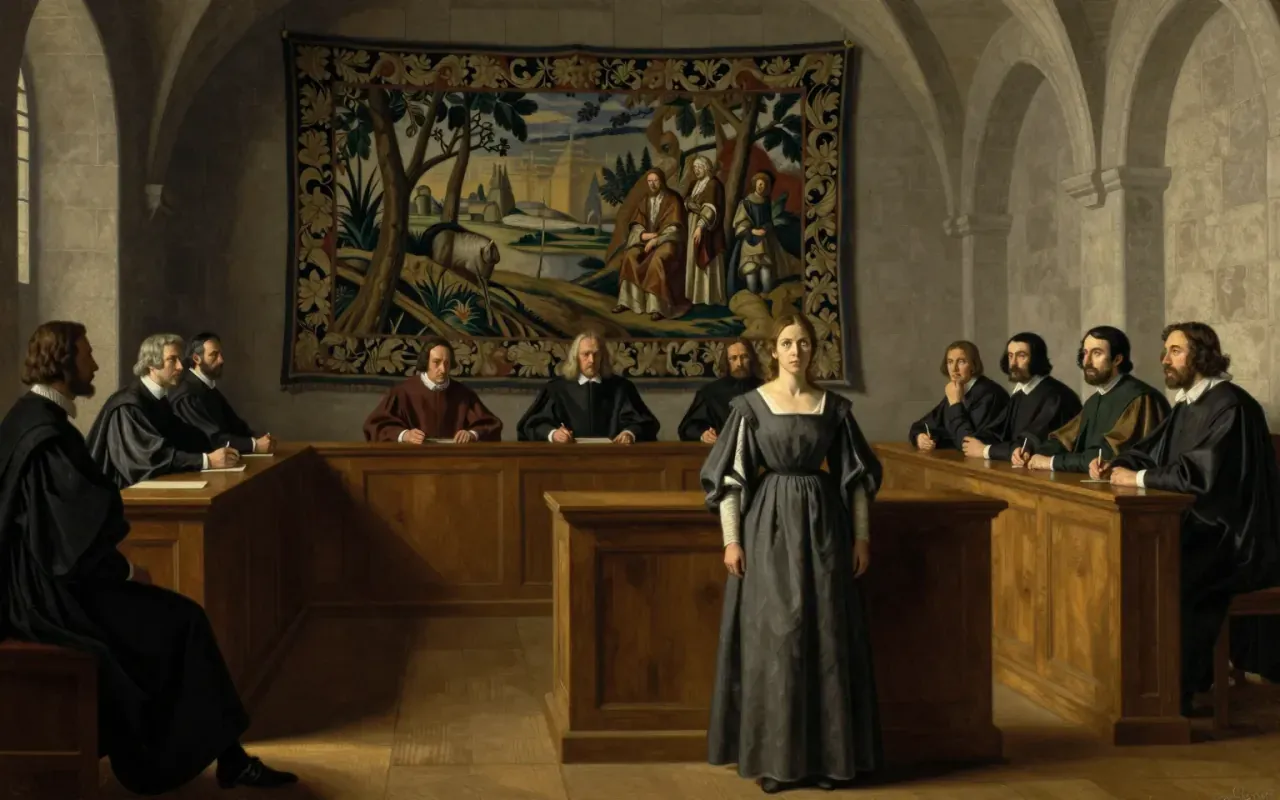
Pygmalion argues that accent is the real gatekeeper of class in England—and that transforming speech without transforming power relations produces not liberation but dispossession. It shows Eliza Doolittle’s voice remade, her body scrubbed and dressed, her manners drilled, yet her personhood erased by Higgins’s experiment. The play ends not with integration but with Eliza’s quiet, unyielding refusal to be owned—even as she uses Higgins’s language to do it.
Is it worth your time
Yes—but only if you read it as a forensic dissection of power, not a fairy tale. Its force lies in what it refuses: no apology from Higgins, no assimilation for Eliza, no illusion that speech lessons fix injustice.