What the book is
Bleak House is Charles Dickens’s 1853 novel structured as a dual narrative: third-person omniscient chapters tracking the Court of Chancery’s systemic rot, and first-person chapters narrated by Esther Summerson, who discovers she is Lady Dedlock’s illegitimate daughter. It names real places—Chancery Lane, Chesney Wold—and real legal horrors: a suit begun ‘before the close of the last century’, costs exceeding £140,000, and Krook’s death by spontaneous combustion defended in the Preface as medically documented.
The main ideas
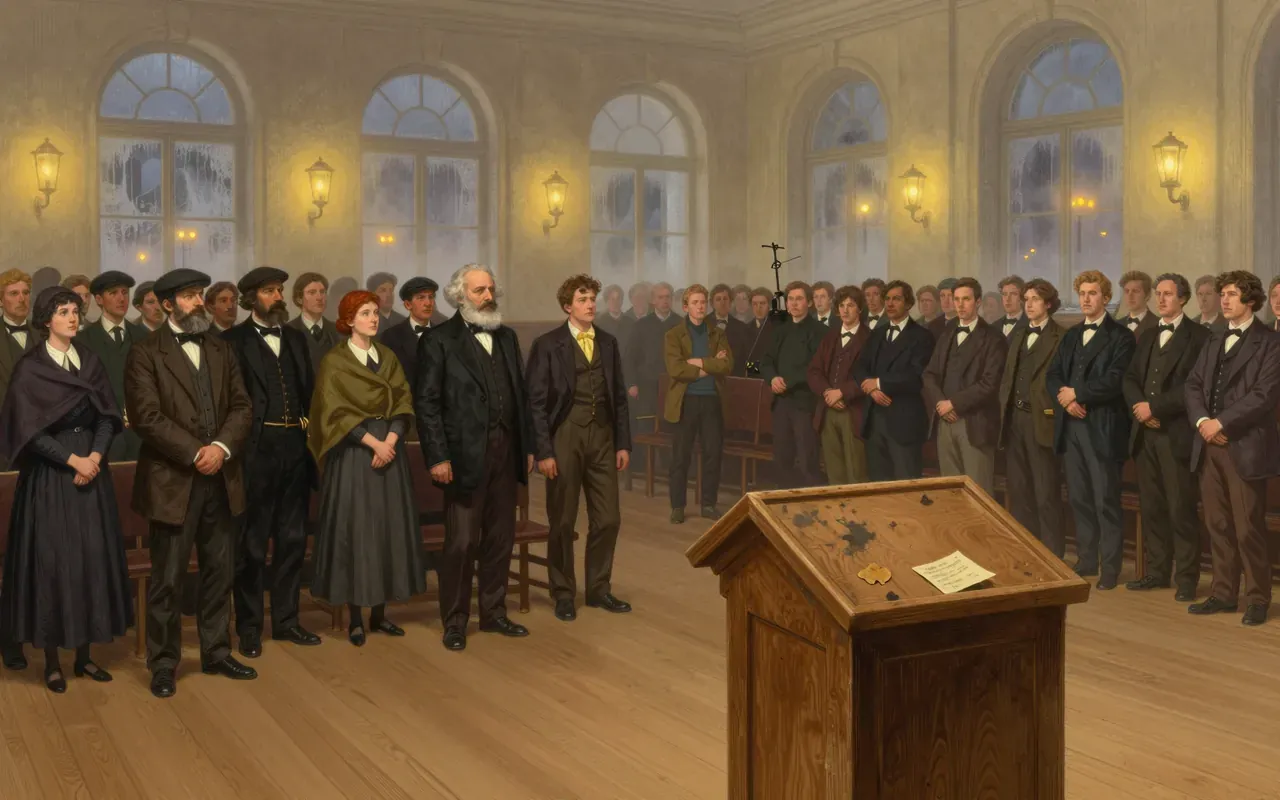
The book argues that Chancery is not broken but functional—its purpose is to consume time, money and life. It shows this through Richard’s descent into obsession, Vholes’ ‘wall-eyed, woebegone’ office in Symond’s Inn, and the Smallweeds’ stunted lineage. It ties legal rot to bodily decay: Krook’s combustion, Jo’s death in Tom-all-Alone’s, Lady Dedlock’s collapse in snow. It insists truth is buried—not lost—in paperwork: ‘There’s a cruel attraction in the place. You CAN’T leave it.’
What works
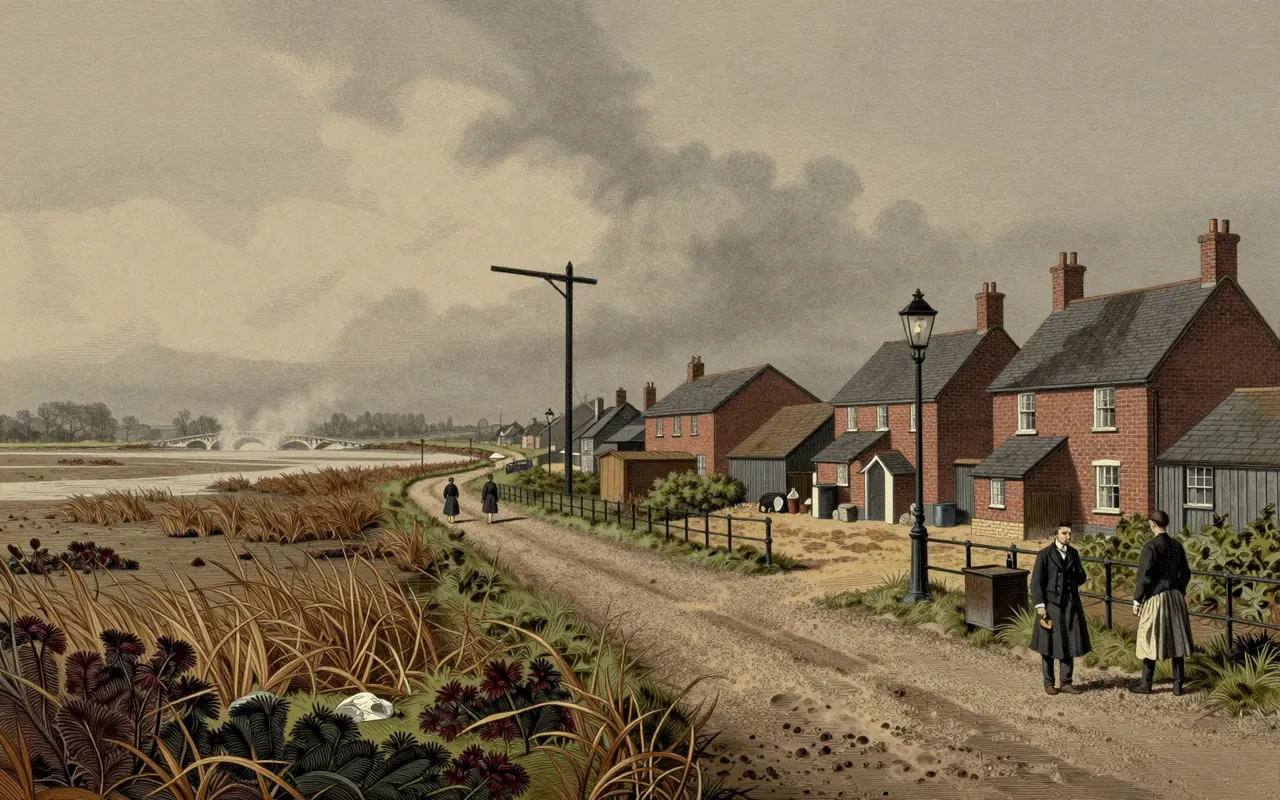
Esther Summerson’s voice works: her restraint (‘You can’t tire me, good people’) contrasts with Mrs. Pardiggle’s tyranny. The imagery of decay works: Vholes’ ‘pale, wall-eyed, woebegone’ office, Krook’s gin-soaked rooms, Tom-all-Alone’s as ‘the dark benighted way’. The structural duality works: omniscient chapters name the system; Esther’s chapters name its human cost—Jo’s death, Richard’s ruin, Lady Dedlock’s snowbound end.
What does not
The novel fails when it lets plot mechanics override moral clarity: Tulkinghorn’s murder is solved by Inspector Bucket with no thematic weight, Hortense’s frame-up feels tacked on, and the resolution of Jo’s death—‘The light is come upon the dark benighted way’—is rhetorical, not earned. The preface’s insistence on scientific plausibility for spontaneous combustion undermines its own satire.
The themes
The themes are institutional decay, maternal secrecy, and the violence of performative virtue. Mrs. Pardiggle’s ‘I enjoy hard work, and the harder you make mine, the better I like it’ exposes charity as coercion. Lady Dedlock’s note—‘I have done all I could do to be lost’—frames her flight as ethical surrender, not melodrama. Esther’s scarred face becomes the site where duty and love collide: ‘my scarred face was all unchanged to him’.
Who should read it
Readers who want a forensic anatomy of bureaucratic evil should read it. Anyone studying how institutions weaponise delay—law, housing, immigration—will find Jarndyce and Jarndyce unnervingly familiar. Readers who value moral precision over plot momentum will respond to Esther’s quiet authority: ‘I felt… a burst of gratitude to the providence of God that I was so changed as that I never could disgrace her.’
Who should not
Readers who need tight plotting should skip it. The murder of Tulkinghorn resolves without consequence. The subplot of Prince Turveydrop’s ‘deportment’ evaporates. The narrator’s digressions—like the defence of spontaneous combustion—distract from the central indictment. Those allergic to Victorian sentence length will buckle before Chapter VII.
The assessment
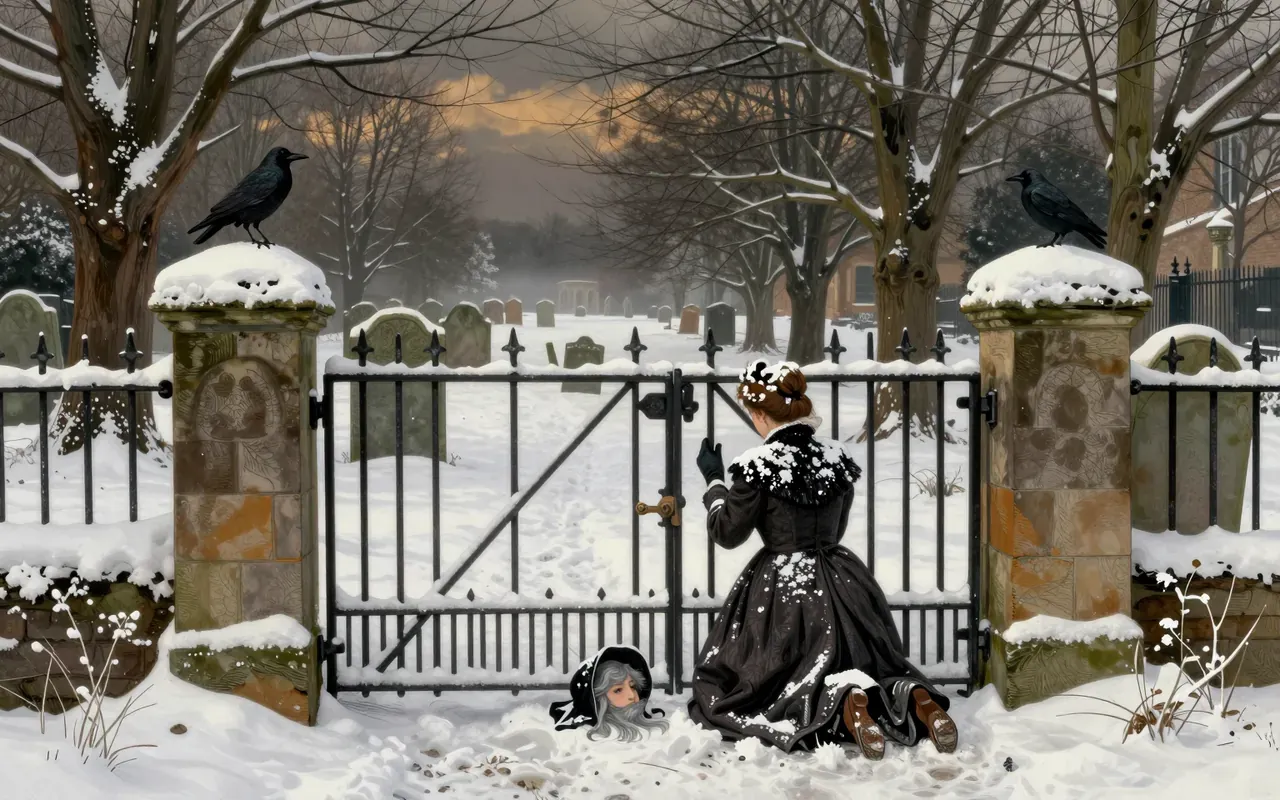
Bleak House is a legal satire that uses the Jarndyce and Jarndyce suit—a case begun ‘before the close of the last century’ and swallowing ‘more than double the amount of seventy thousand pounds in costs’—to expose Chancery as a self-consuming machine. It names real institutions: Symond’s Inn, Chancery Lane, Chesney Wold. It names real failures: Richard Carstone’s death after learning the estate is ‘entirely consumed by legal costs’, Krook’s spontaneous combustion cited in the Preface as medically documented, Lady Dedlock’s flight ending in snow at the burial ground gate where Esther lifts her head to find her mother dead.
Is it worth your time
Selectively. Read Chapters VIII–XIII for Esther’s arrival at Bleak House and Mrs. Pardiggle’s brickmaker visit. Skip Chapters XXXIII–XXXVIII—the Krook estate scramble adds nothing. Read Chapters XLVII and LIX for Jo’s death and Lady Dedlock’s end. Skip the preface: its pseudo-scientific defensiveness weakens the satire.