booksbriefs
Topic

Law

Rules with force behind them, and the profession that interprets them.

3
in books
14:17
average
43 min
in total
90
across the network
Law across the network →
All briefs3
12:46

Bleak House

Charles Dickens · 0

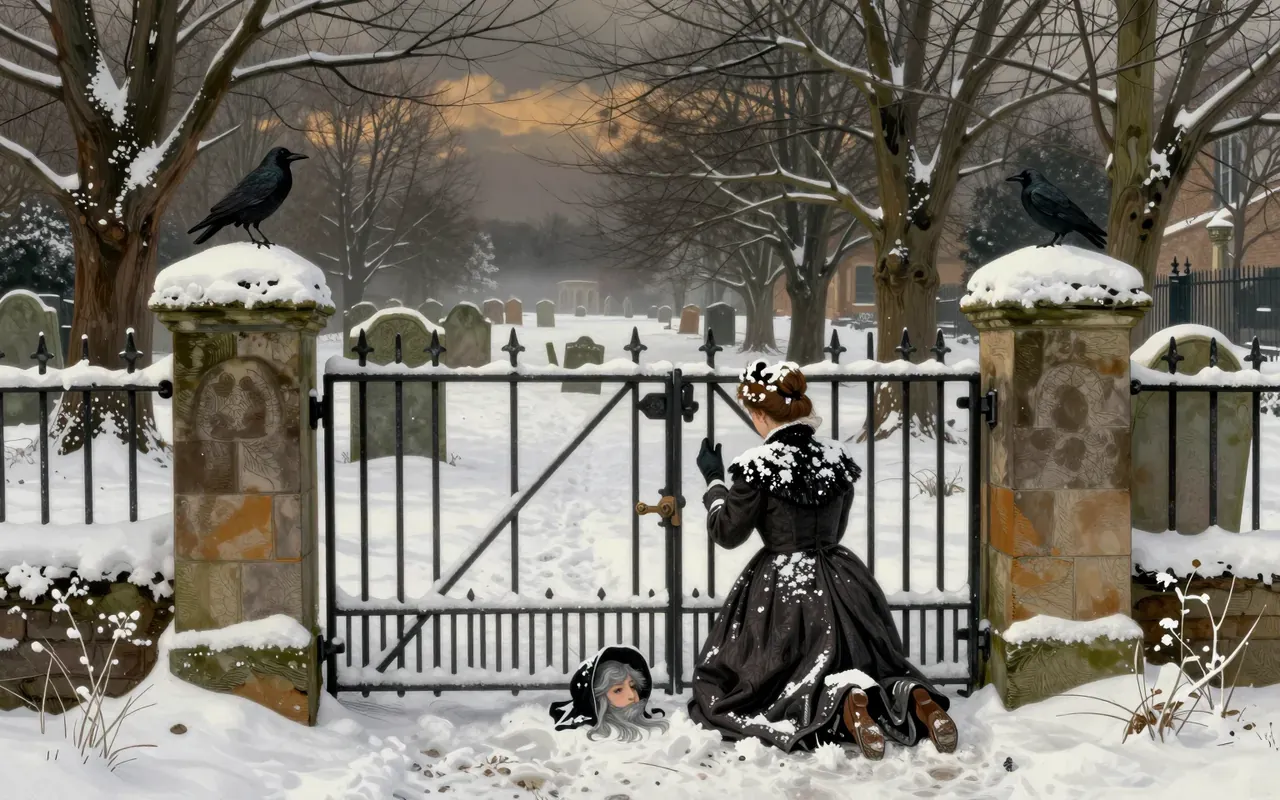
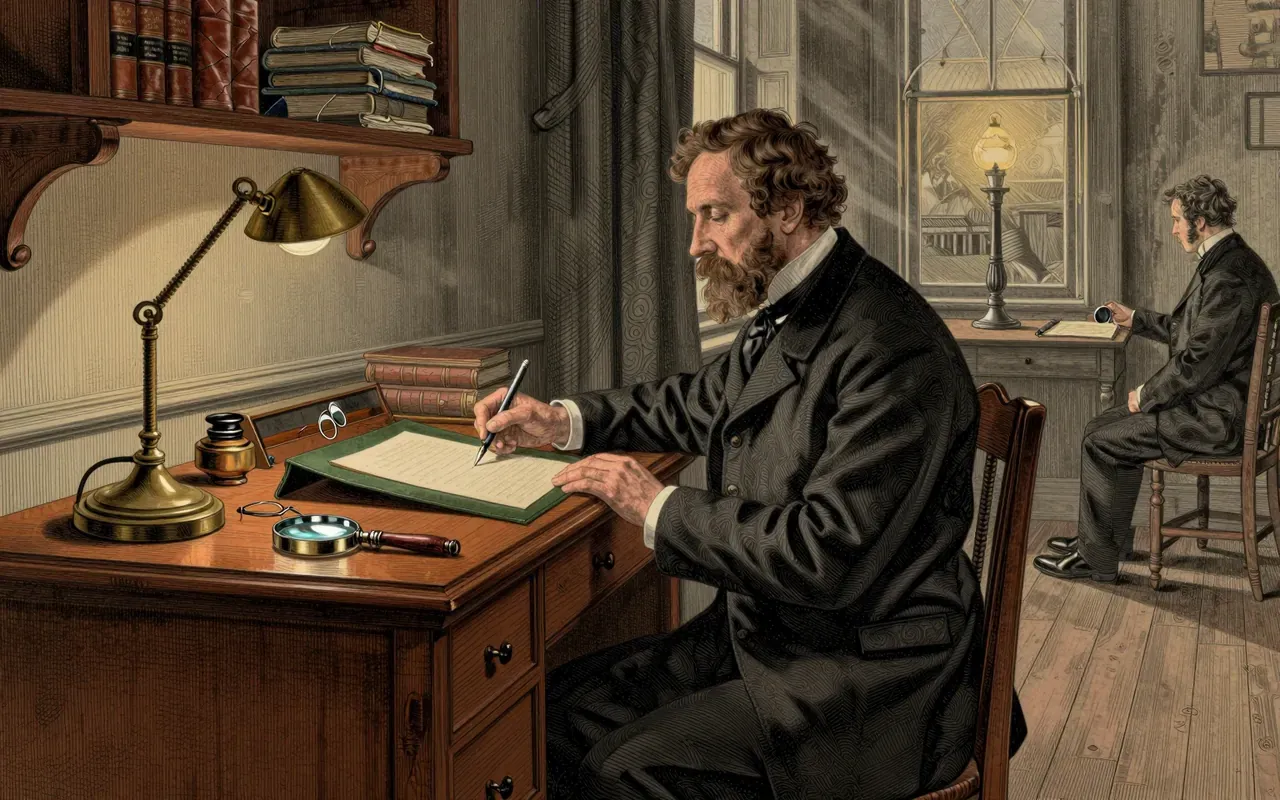
Bleak House is a forensic satire of the Court of Chancery, using the decades-long Jarndyce suit to show how bureaucracy consumes lives. Esther Summerson’s narration grounds its moral force, while Lady Dedlock’s death in snow delivers its final indictment. Skip the preface and the Krook estate subplot—they weaken the argument.
16:24

A Doll's House

Henrik Ibsen · 1889

A wife’s secret forgery unravels her marriage in three acts. The brief shows how Ibsen uses legal detail—not psychology—to expose marriage as a system of female wardship. It tells you which lines carry the argument and why the door slam is jurisprudence, not drama.

13:42

The Merchant of Venice

William Shakespeare · 1600

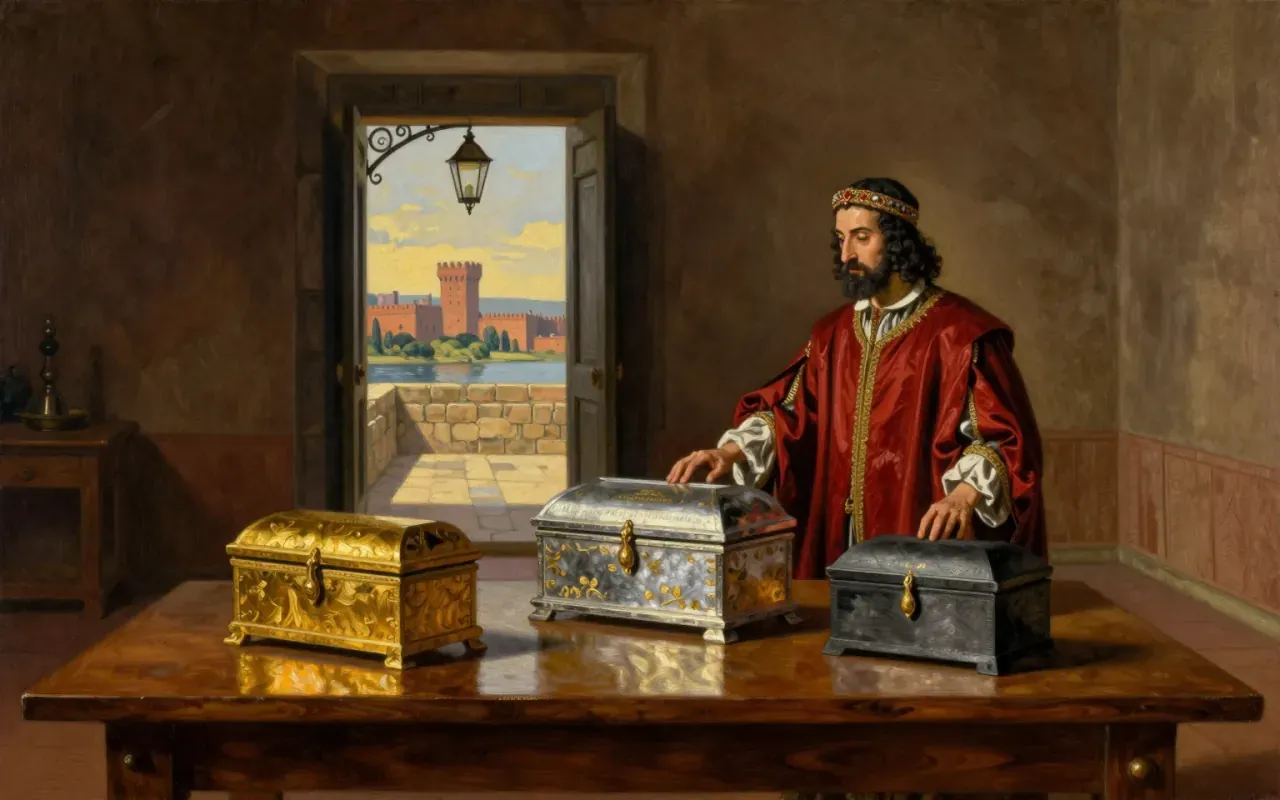
Antonio borrows against a pound of his own flesh, and the court that saves him strips Shylock of his money and his religion. The brief covers the trial, the thin plot surrounding it, and the antisemitism that is not a misreading but the play’s own material.

More from books

All briefs →
13:56

Adventures of Huckleberry Finn

Mark Twain · 0

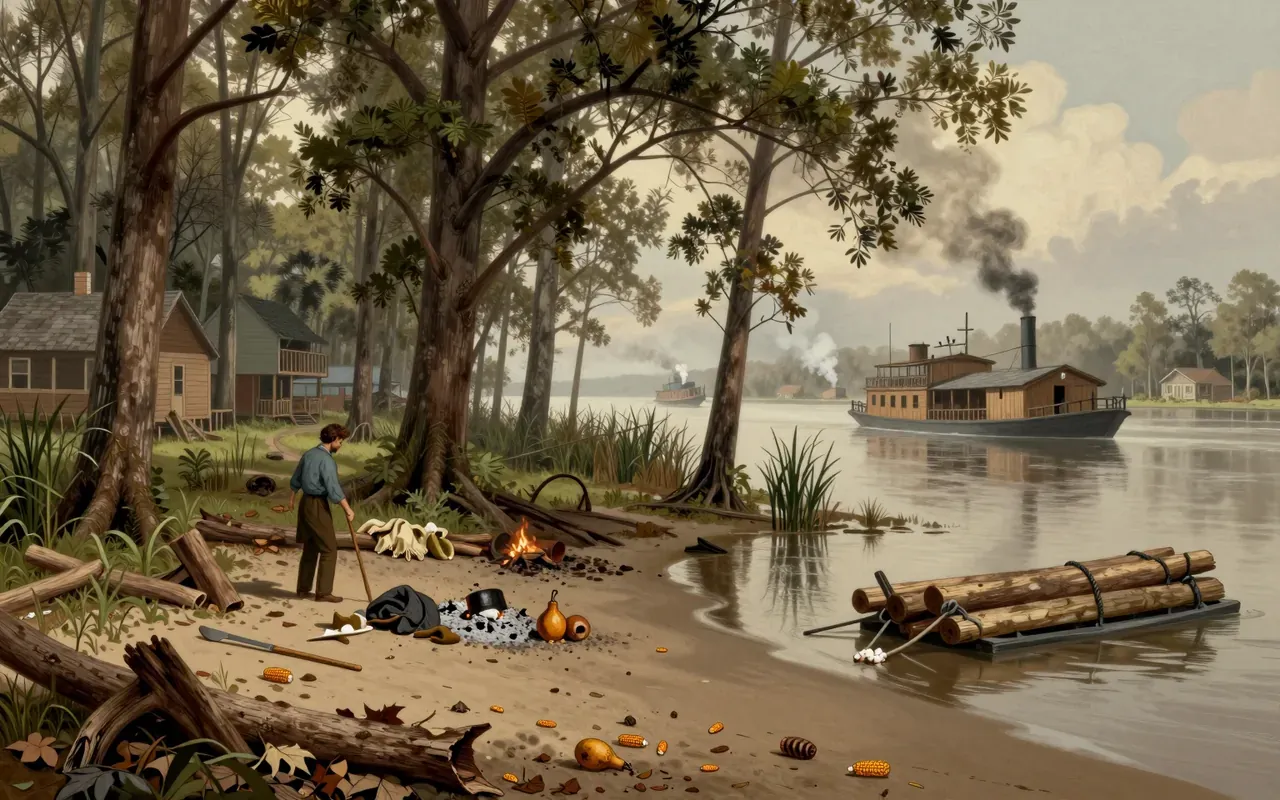
The book argues that moral clarity emerges from direct human contact, not society’s rules—and that Southern 'civilization' is a fraud sustained by violence and self-deception. It does this through Huck’s choices: faking his death, choosing Jim over religion, and rejecting adoption. Tom’s elaborate rescue is exposed as cruel theatre. Read Chapters I–XVI and XXX–XLII. Skip Chapter XL.

14:38

The Adventures of Tom Sawyer, Complete

Mark Twain · 1910

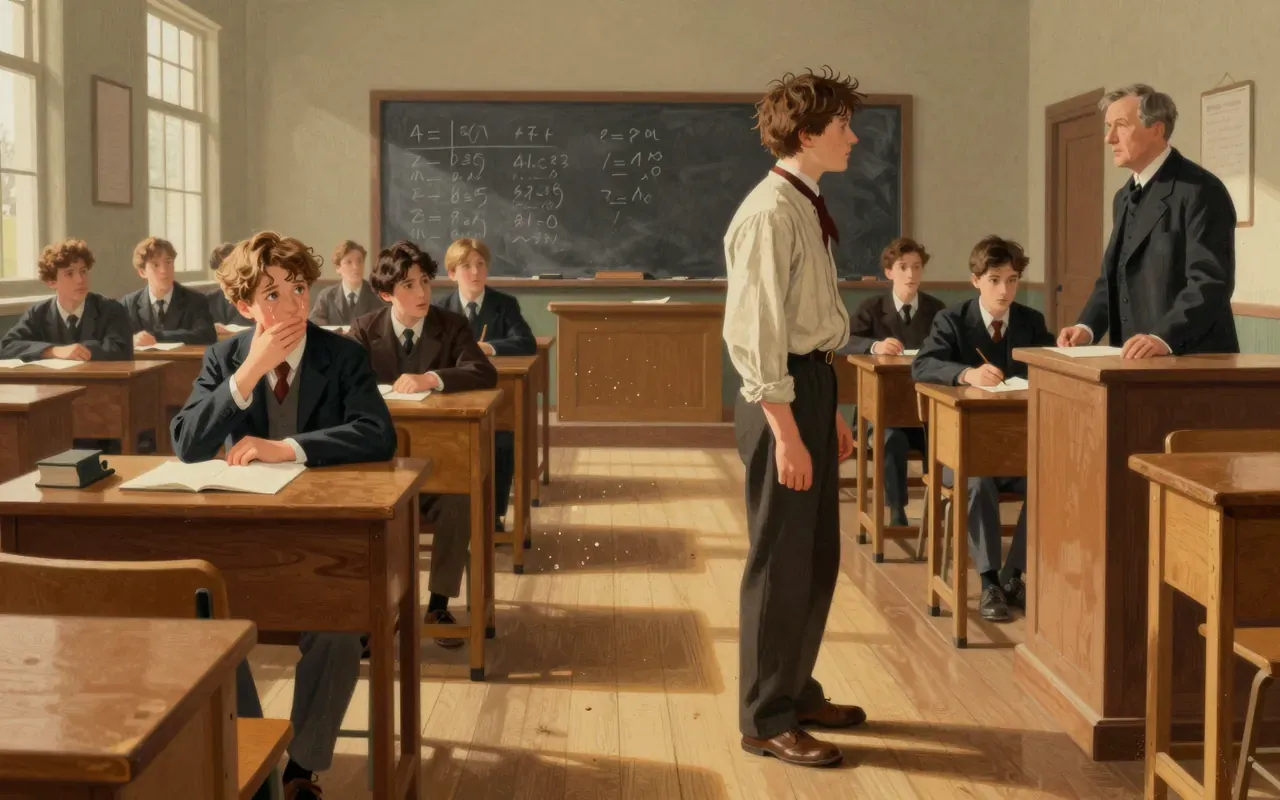
Twain’s 1876 novel treats childhood as a site of real moral risk—not innocence, not corruption, but constant negotiation. Tom’s fence-whitewashing, blood oath, courtroom testimony and cave ordeal are not adventures but ethical trials. The book works best in its sharpest scenes: Ch. II, XX, XXXI and XXXIII. Skip the editor’s introduction and the slower interludes.

13:13

The Agamemnon of Aeschylus

Aeschylus · 0

The Agamemnon argues that vengeance is self-replicating, not redemptive. It works best in performance — the Watchman’s vigil, the tapestry scene, Clytemnestra’s speeches — and collapses in exposition. Skip the Chorus’s myth-recounting. Read it aloud, not silently.

15:17

Alice's Adventures in Wonderland

Lewis Carroll · 0

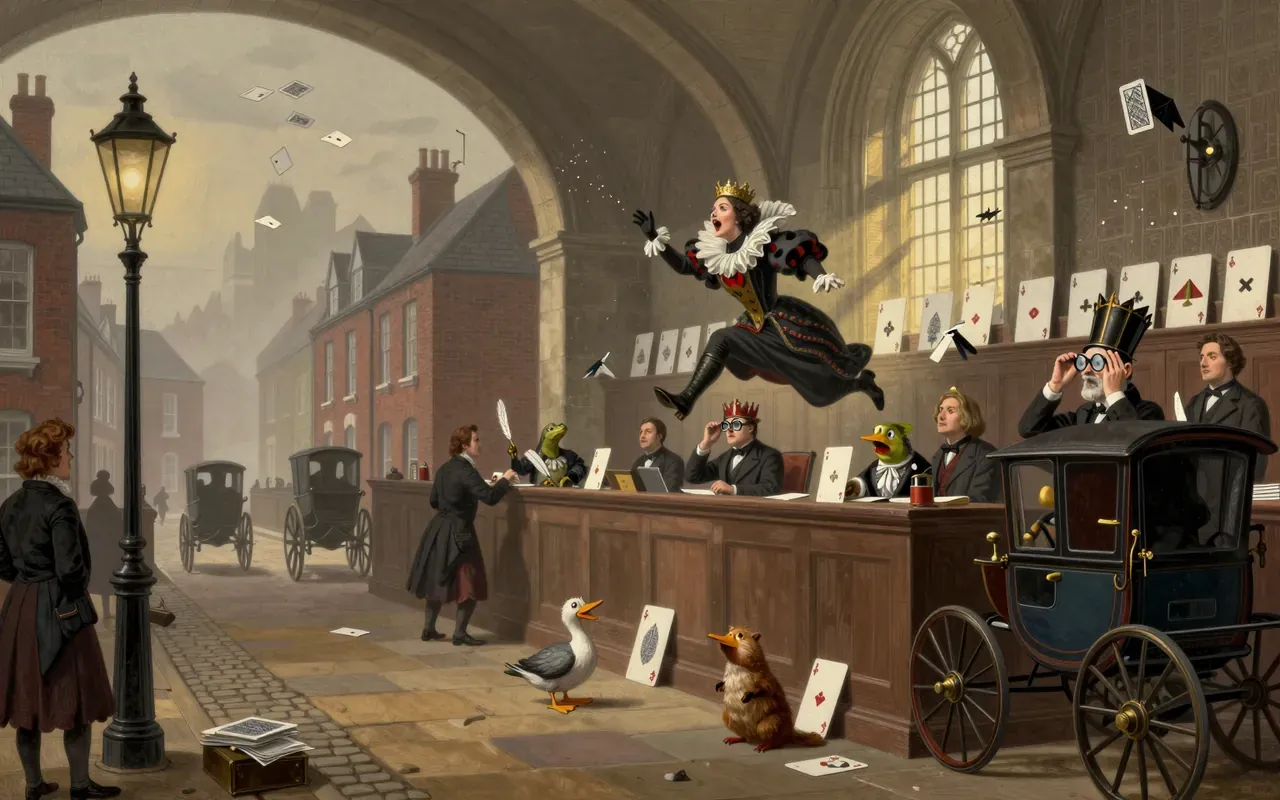
It is a satire of logic, language and authority disguised as children’s fantasy. The brief shows how Alice’s physical instability mirrors her intellectual rebellion—and why the final line, 'You’re nothing but a pack of cards!', is the book’s entire argument. Skip the Duchess’s moralising and the Mock Turtle’s songs.