booksbriefs
15:26in productionCh. 1 · The shepherd and the mirror/ 15:26 · ceiling 15 min
Literary fiction

Far from the Madding Crowd

Love in this novel is measured in bushels saved, not vows spoken—and obsession is proven by a closet full of dresses labelled with future dates.

The novel argues that love and sanity are tested not by feeling but by labour, weather and time. It works best in the storm sequence and the final wedding—but collapses under the weight of Boldwood’s unexamined obsession. Read it for its material realism, not its psychology.

Chapters & takeaways6
  1. 0:38
    The shepherd and the mirror

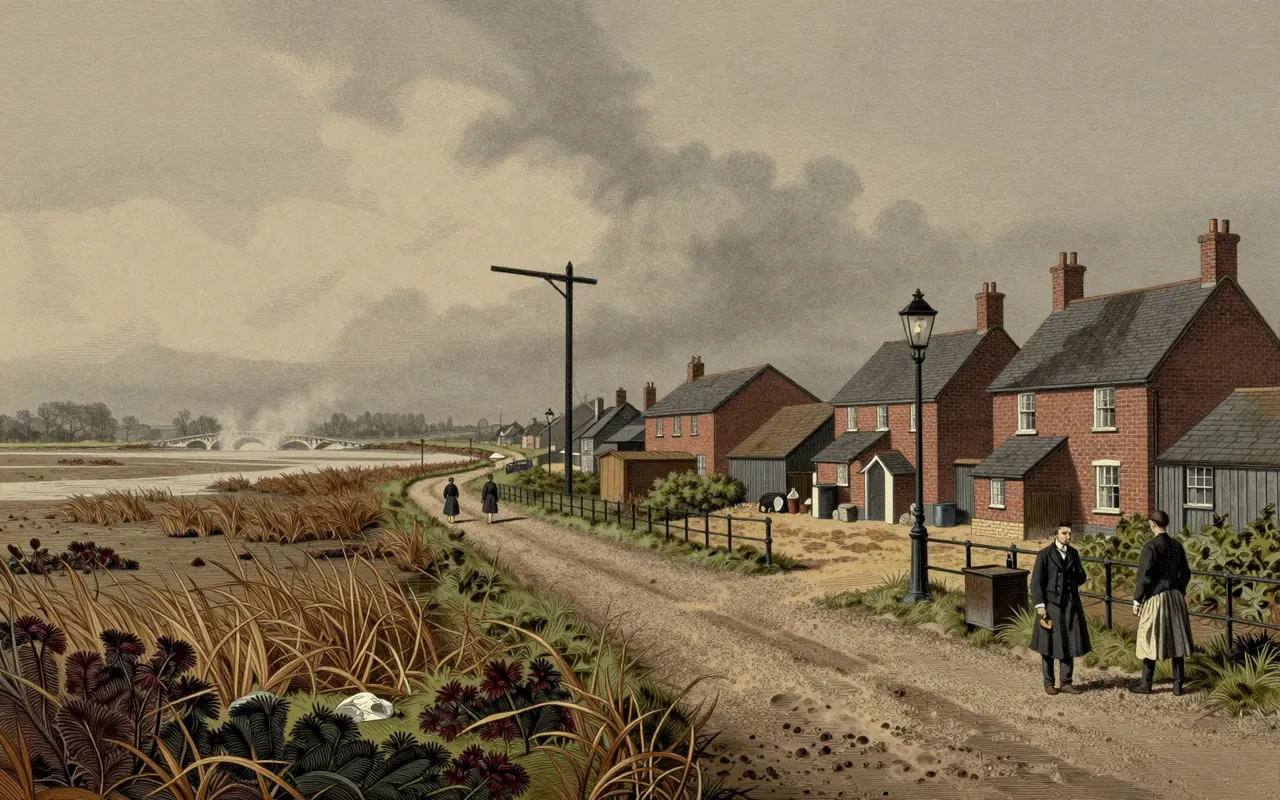
    Gabriel Oak’s competence and Bathsheba’s vanity establish rural life as morally consequential, not picturesque.

  2. 2:55
    The valentine and the closet

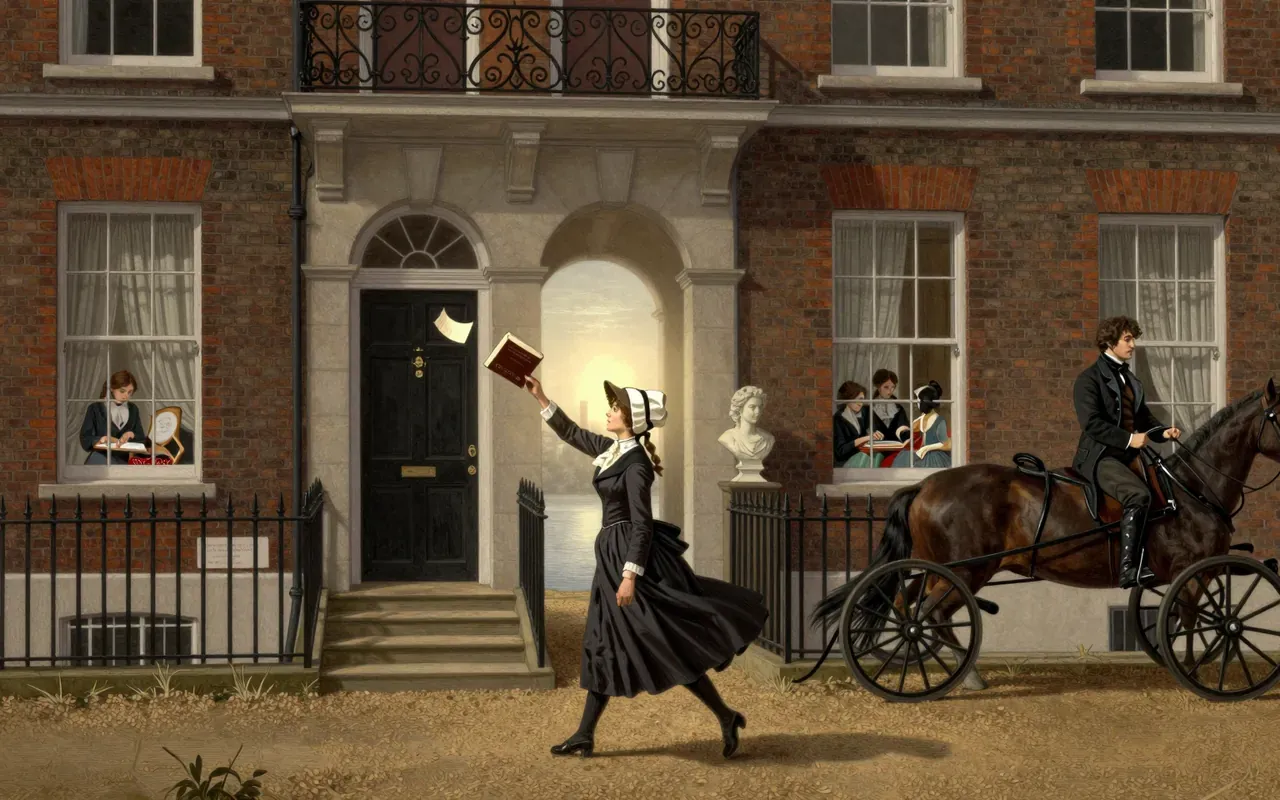
    Boldwood’s love is not passion but possession: he labels women’s clothes with Bathsheba’s name and future dates.

  3. 5:19
    The rick-yard storm

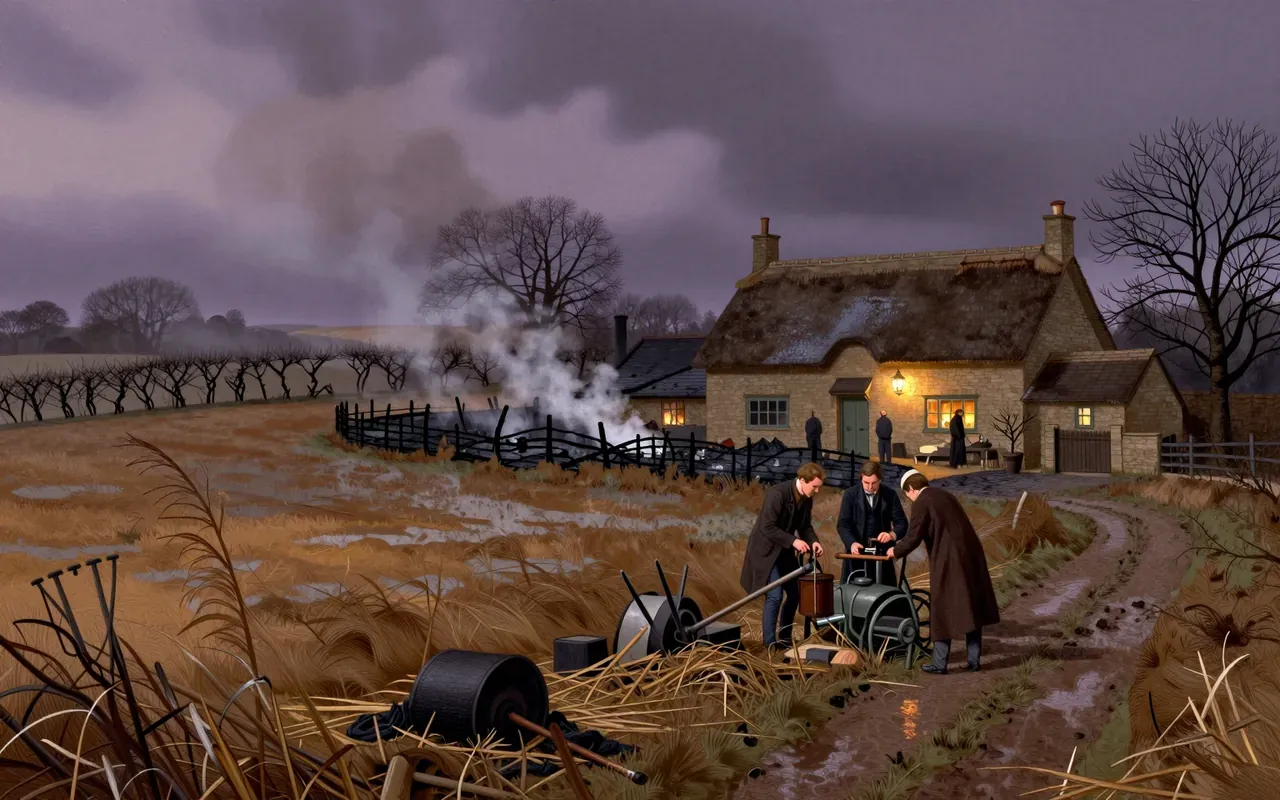
    The storm forces Bathsheba and Oak to work side-by-side, revealing love as shared labour, not feeling.

  4. 7:15
    The Christmas engagement

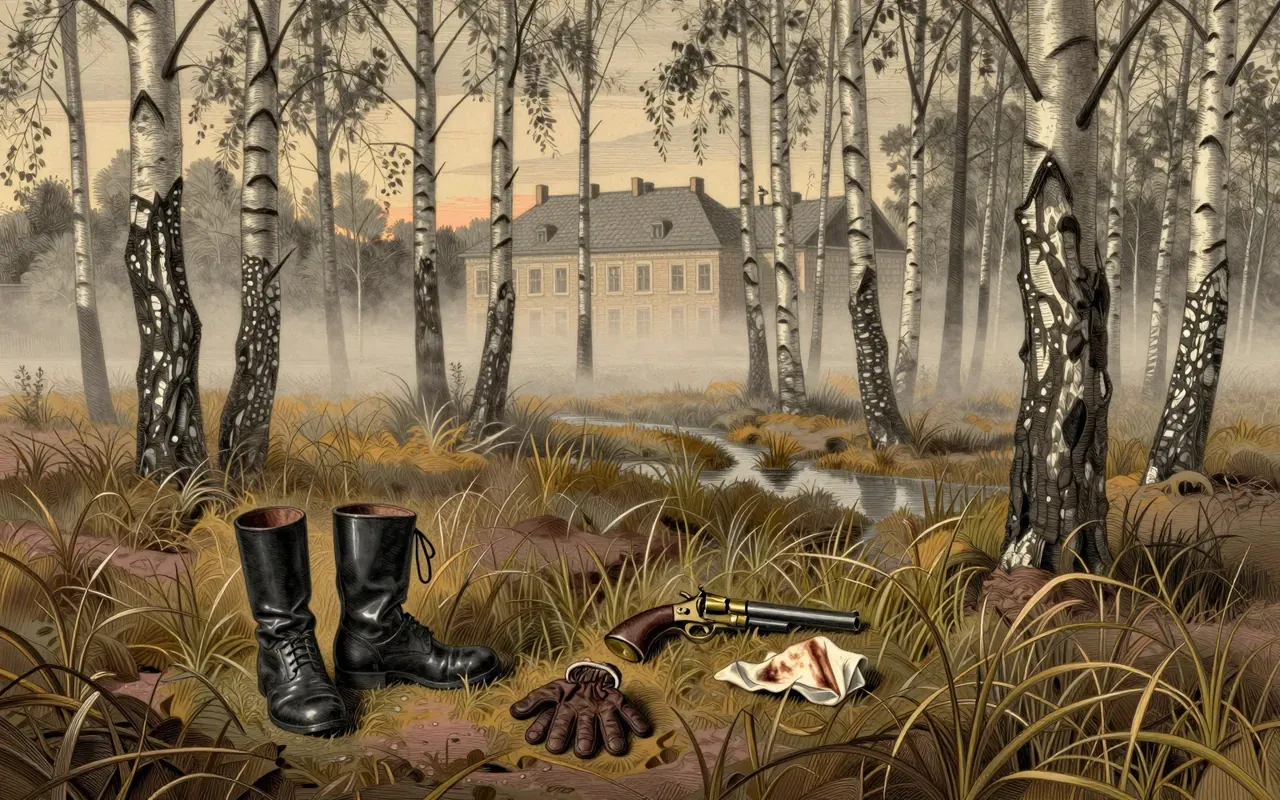
    Boldwood’s shooting of Troy is the logical end of a love that erased time, consent and reality.

  5. 9:29
    What the closet reveals

    The locked closet of dresses proves obsession—not madness—is the novel’s true subject.

  6. 12:05
    The licence and the fog

    The wedding is quiet, fog-bound and witnessed by three people—love survives not as triumph but as endurance.

Worth your time?

Yes. Read the whole thing.

4/ 5
What works
  • Oak’s physical presence grounds every crisis—from sheep-hut to rick-yard to gaol.
  • The storm sequence (Ch. V–XX) makes weather a moral actor, not backdrop.
  • The final wedding is quiet, fog-bound and earned—no fanfare, no triumph, just two people walking.
What does not
  • It explains Boldwood’s mental collapse—it presents it as fact, not process.
  • It treats Bathsheba’s independence as fully realised—her choices remain constrained by gossip, debt and gender.
  • It resolves Troy’s amorality with justice—he dies, but without reckoning.
Read it if
  • Readers who value precise rural detail as narrative engine, not setting.
  • Those who want love defined by action—saving ricks, washing corpses—not declarations.
Skip it if
  • Readers seeking psychological realism about obsession or mental illness.
  • Those who expect moral closure: Boldwood is spared, Troy is dead, Oak wins—but none are transformed.
The written brief2 min read

What the book is

A 1874 pastoral novel set in Weatherbury, following Bathsheba Everdene’s inheritance of a farm, her marriage to Sergeant Troy, Boldwood’s fatal obsession, and Gabriel Oak’s quiet, labour-based fidelity. The second edition (1895) revised tone and softened endings.

The main ideas

Love is tested not by feeling but by action: Oak saves ricks in the storm while Troy sleeps drunk. Marriage is contractual, not romantic: Bathsheba signs her name to Boldwood’s six-year engagement under duress. Obsession is material: Boldwood hoards dresses labelled ‘Bathsheba Boldwood’ with future dates.

What works

Oak’s physical presence anchors the book: his smile (Ch. I), his soot-streaked face at Bathsheba’s door (Ch. XVII), his silent grief after Troy’s marriage (Ch. V). The storm sequence (Ch. V–XX) uses weather as plot engine and moral test. The Christmas engagement (Ch. XXI) shows social pressure as coercive force.

What does not

Boldwood’s mental collapse is treated as external event, not internal logic. The locked closet of clothes (Ch. XXV) is presented as evidence, not explanation. No chapter traces how his restraint curdles into fixation; it simply happens.

The themes

The novel turns on class mobility, female agency under constraint, and the violence of repressed desire. It treats weather as moral agent—the storm in Ch. V–XX forces Bathsheba and Oak into shared labour—and farming as ethical practice, not backdrop.

Who should read it

Readers who want fiction where character is revealed through work—sheep-washing, rick-saving, grave-visiting—not interior monologue. Those who value British rural detail as structural, not decorative.

Who should not

Readers expecting psychological realism about mental illness. Those who need moral clarity: Boldwood is pitied, Troy is neither punished nor redeemed, and Bathsheba’s growth is slow, unheroic, and never fully autonomous.

The assessment

The book argues that rural life is not pastoral calm but a site of moral hazard, where vanity, obsession and chance dismantle social order. It fails to resolve Boldwood’s pathology with psychological depth, leaving his descent into madness as spectacle rather than insight. It earns its reputation by grounding tragedy in weather, labour and local custom—not metaphor.

Is it worth your time

Yes—but only if you read it as a study in constraint, not romance. Skip the valentine subplot (Ch. XVIII) and Boldwood’s early brooding (Ch. XIX–XX); his pathology crystallises only in Ch. XXV’s closet of labelled dresses.
Same shelf · Literary fiction4 of 49
13:56
Adventures of Huckleberry FinnMark Twain · 0The book argues that moral clarity emerges from direct human contact, not society’s rules—and that Southern 'civilization' is a fraud sustained by violence and self-deception. It does this through Huck’s choices: faking his death, choosing Jim over religion, and rejecting adoption. Tom’s elaborate rescue is exposed as cruel theatre. Read Chapters I–XVI and XXX–XLII. Skip Chapter XL.
14:38
The Adventures of Tom Sawyer, CompleteMark Twain · 1910Twain’s 1876 novel treats childhood as a site of real moral risk—not innocence, not corruption, but constant negotiation. Tom’s fence-whitewashing, blood oath, courtroom testimony and cave ordeal are not adventures but ethical trials. The book works best in its sharpest scenes: Ch. II, XX, XXXI and XXXIII. Skip the editor’s introduction and the slower interludes.
16:43
The Awakening, and Selected Short StoriesKate Chopin · 0Chopin’s 1899 novel argues that self-ownership is lethal for women in patriarchal society—and shows it through Edna Pontellier’s physical, irreversible awakening and drowning. The selected stories reinforce this with figures who cross thresholds (La Folle), cling to ruins (Ma’ame Pélagie), or lose identity to war (Edmond). Skip the editor’s introduction. Read the novel straight through, then 'La Folle' and 'The Locket'.
13:42
Barren GroundEllen Anderson Gholson Glasgow · 1925Barren Ground rejects romantic redemption. It follows Dorinda Oakley from betrayed youth to stoic middle age, arguing that endurance—not love—is the land’s only reward. The book’s power lies in its refusal of catharsis: Jason’s ruin is physical erasure, not tragedy; Dorinda’s grief is for love she never had, not love she lost.
Up next in Books

Fathers and Sons

Ivan Sergeevich Turgenev · 1883 · 13:26

Nihilism doesn’t change the world. It kills the man who tries.

13:26