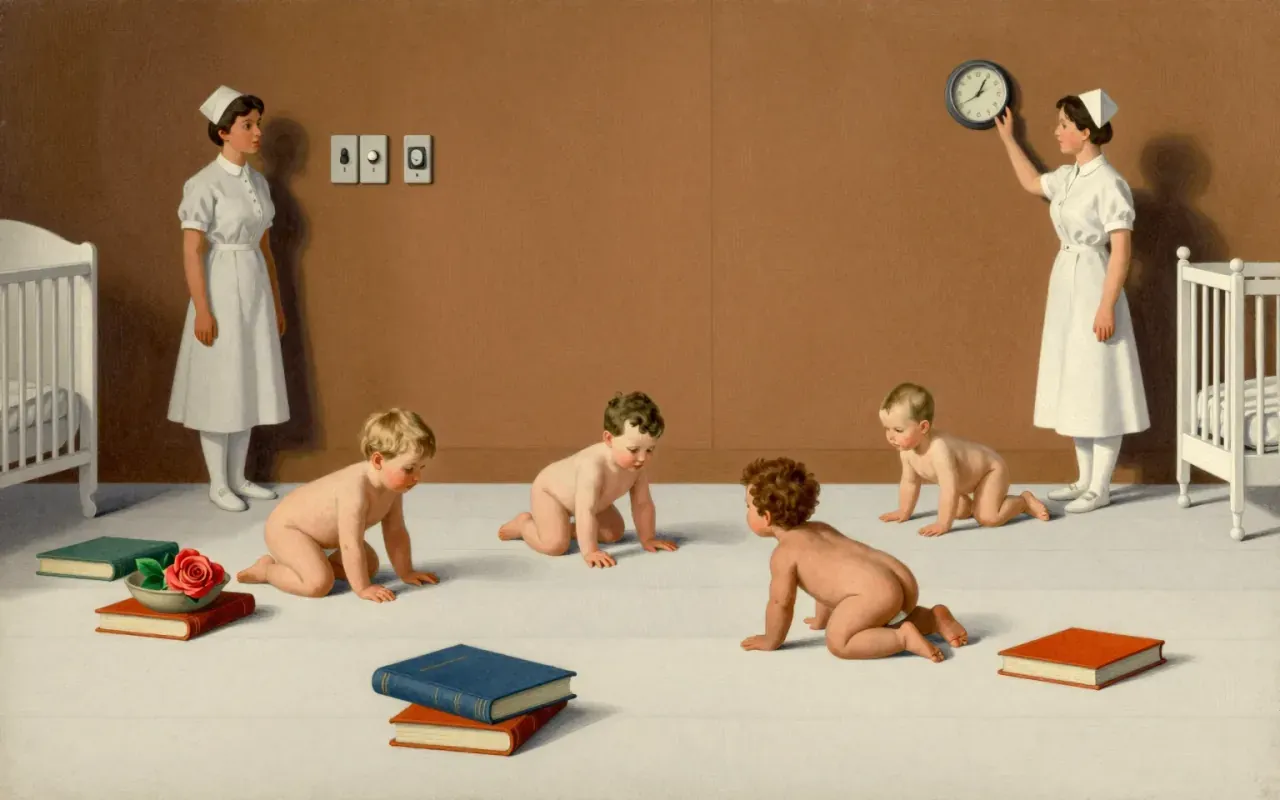
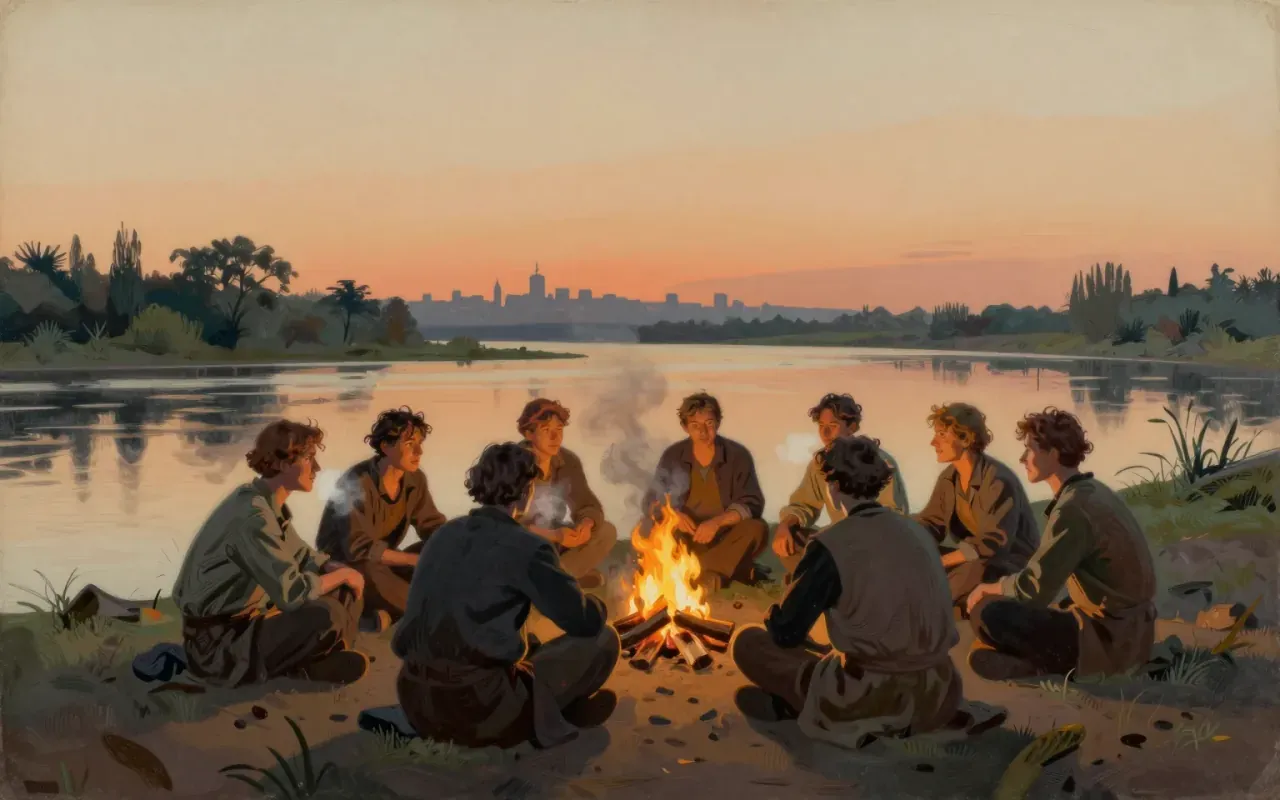
Two families enact the Cain and Abel story. Steinbeck argues the question is whether you must be evil or choose to be.
Steinbeck's 1952 masterpiece spans generations in California's Salinas Valley, following the Trask and Hamilton families through cycles of moral struggle. The brief covers the dual narrative structure, the philosophy of timshel (the ability to choose your nature), and why this is Steinbeck's most ambitious work.
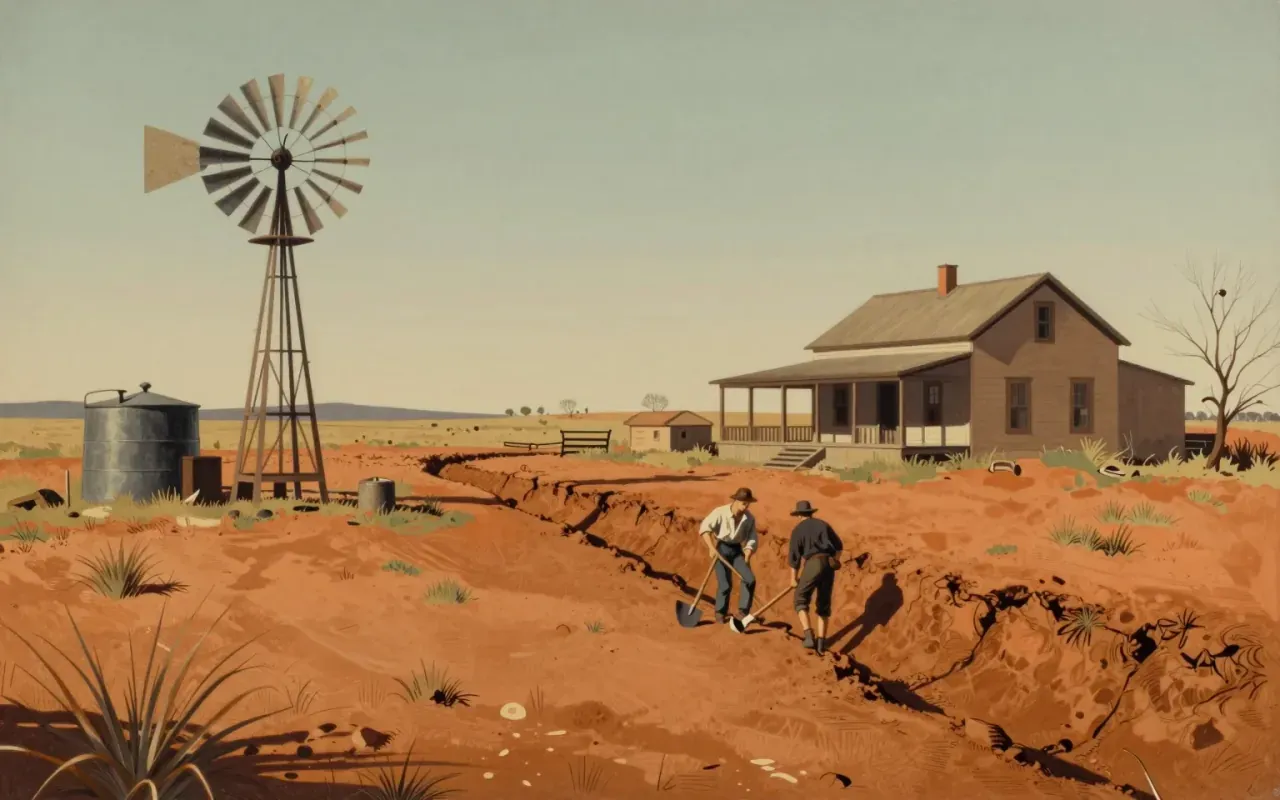
Steinbeck sets the Salinas Valley as a character, then introduces the Trask family as a modern retelling of Cain and Abel.
2:30
The Trask family
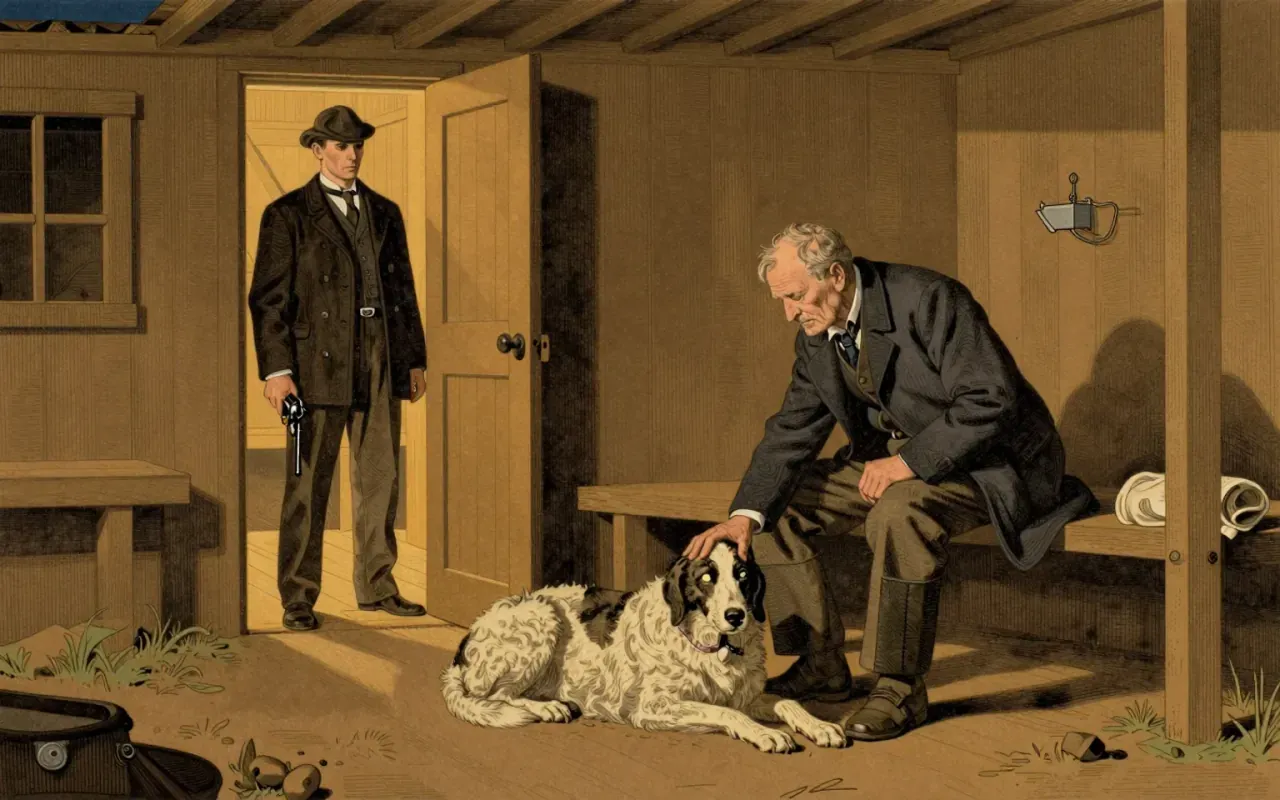
Adam seeks goodness; Catherine is evil incarnate; their sons Cal and Aron replay the original sin. The novel is their reckoning.
6:15
Timshel and the argument
Hebrew for "thou mayest." Steinbeck's entire point: you are not bound by your nature; you choose whether to be good or evil.
10:00
Why it demands your time
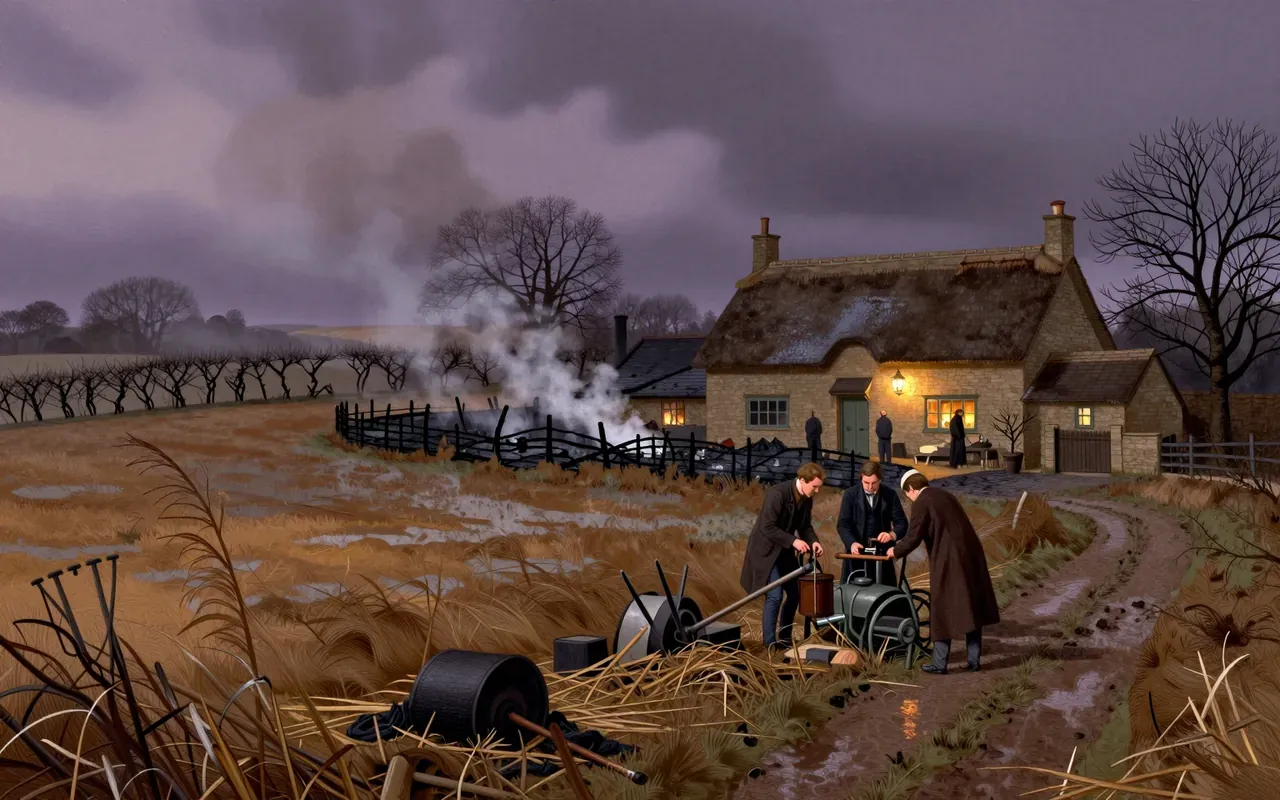
It is long, dense, and unafraid. The ambition matches the scope. This is Steinbeck's last statement.
Worth your time?
Yes. Read the whole thing.
4.5/ 5
What works
The parallel structure of two families across generations is genuinely architectonic
Steinbeck's argument about choice versus nature is earned and compelling
The scope and ambition match the execution
What does not
It is slow in places and repetitive in philosophy
Some characters exist primarily to voice ideas rather than live as people
The treatment of female characters is dated and instrumental
Read it if
Readers who want American literature at its most philosophical and sprawling
Anyone interested in the problem of evil and free will
Readers who can sit with a 600-page novel that does not hurry
Skip it if
Readers seeking plot momentum or heroic characters
Anyone who wants a moral universe with clear answers
The written brief1 min read
What the book is
Steinbeck’s 1952 novel set in California’s Salinas Valley from the 1870s onward, following the Trask and Hamilton families across generations. It retells the Cain and Abel story with Adam and Catherine as the first generation, their sons Cal and Aron as the second, and Abra as the bridge to what comes next.
Is it worth your time
Yes, if you have thirteen hours and are willing to sit with a novel that argues a philosophy as much as it tells a story. This is Steinbeck’s masterpiece and his definitive statement on free will, choice, and the human capacity to transcend your nature.