booksbriefs
Topic

Poetry

The form with the smallest audience and the longest memory.

4
in books
14:00
average
56 min
in total
14
across the network
Poetry across the network →
All briefs4
15:13

Leaves of Grass

Walt Whitman · 1855

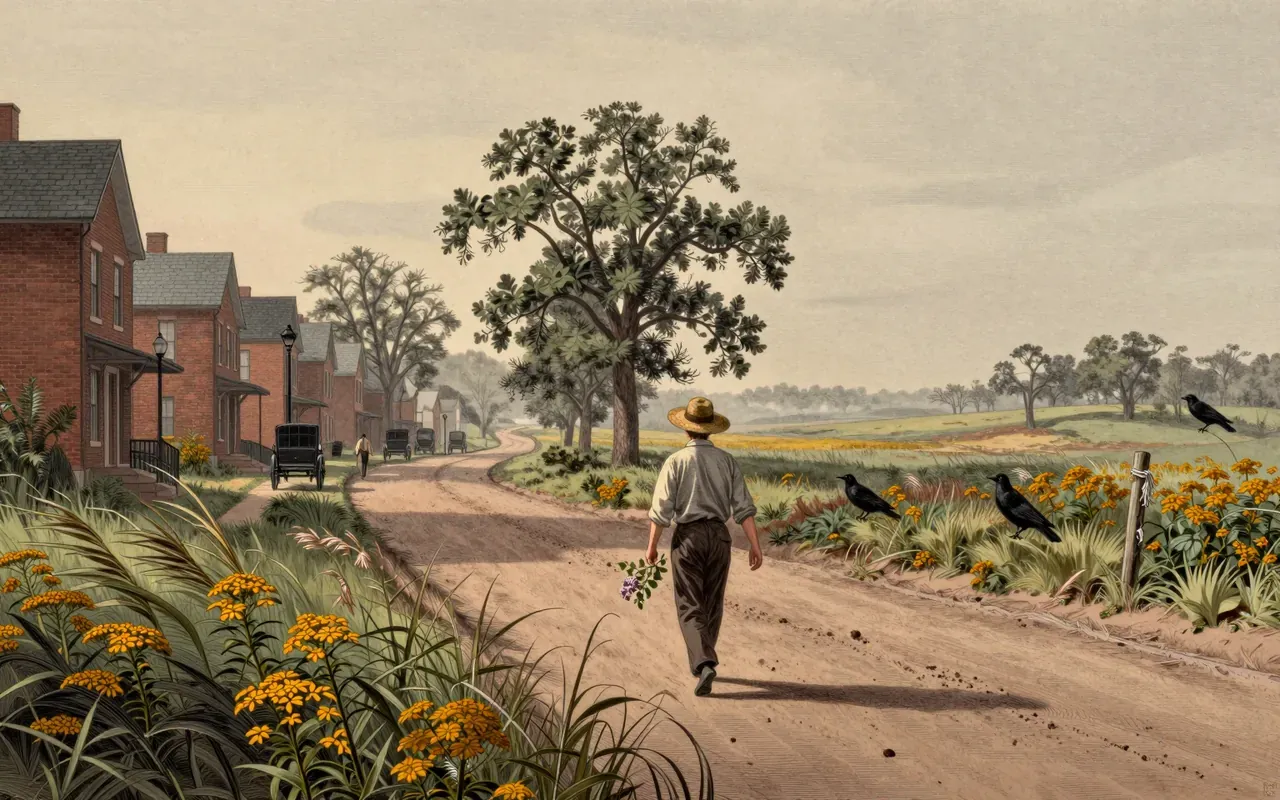
Leaves of Grass is Whitman’s lifelong poetic declaration that the self, the body, and democracy are one sacred continuum. It works best in fragments: the opening 'One’s-self I sing', the Lincoln elegies, and the death meditations. Skip the expansions. Read it as liturgy, not argument.
11:50

The Song of Hiawatha

Henry Wadsworth Longfellow · 0

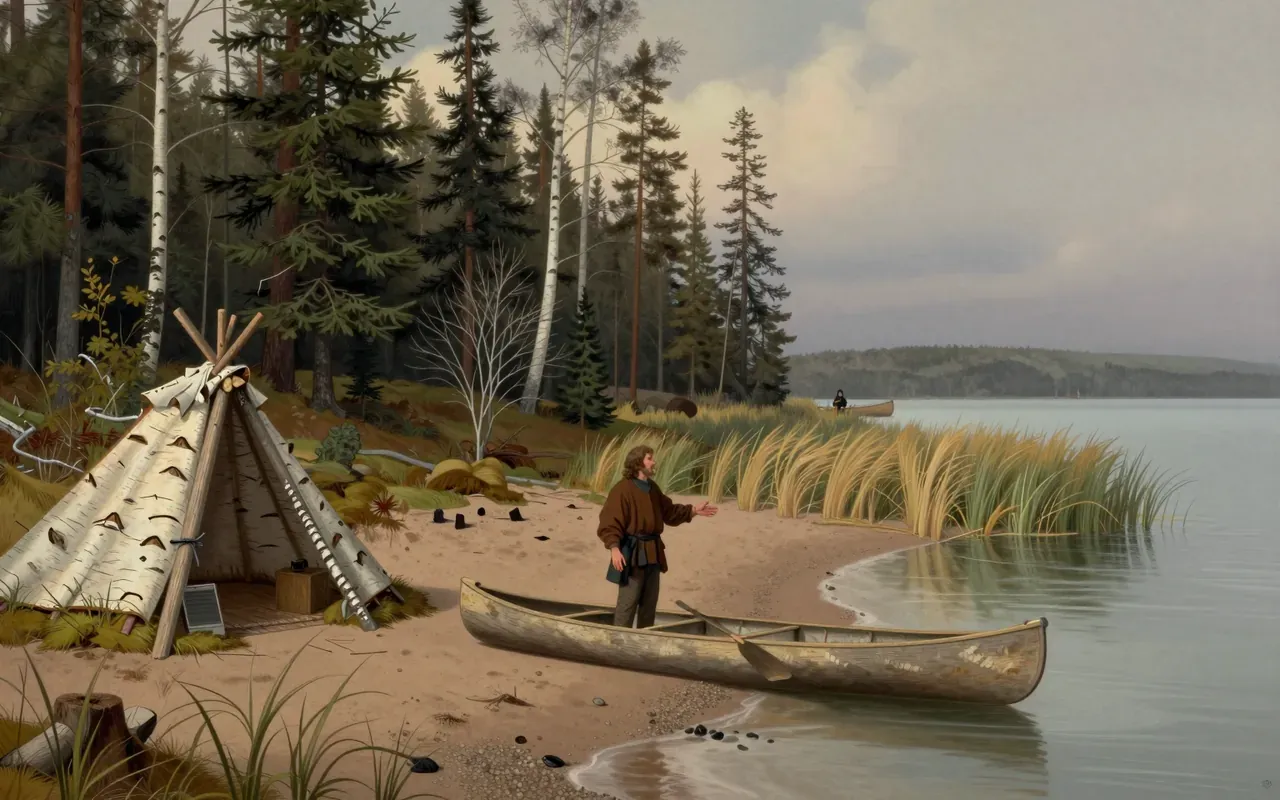
Longfellow’s 1855 poem recasts Ojibway oral tradition into a mythic biography of Hiawatha, using Kalevala metre and Romantic moral framing. It works best in its ritual moments—ghosts testing hospitality, Minnehaha’s death, Hiawatha’s departure—but fails as ethnography or theology. Read Chapters I, IV, V and XXII; skip the botanical interludes and explanatory digressions.

14:25

Spoon River Anthology

Edgar Lee Masters · 0

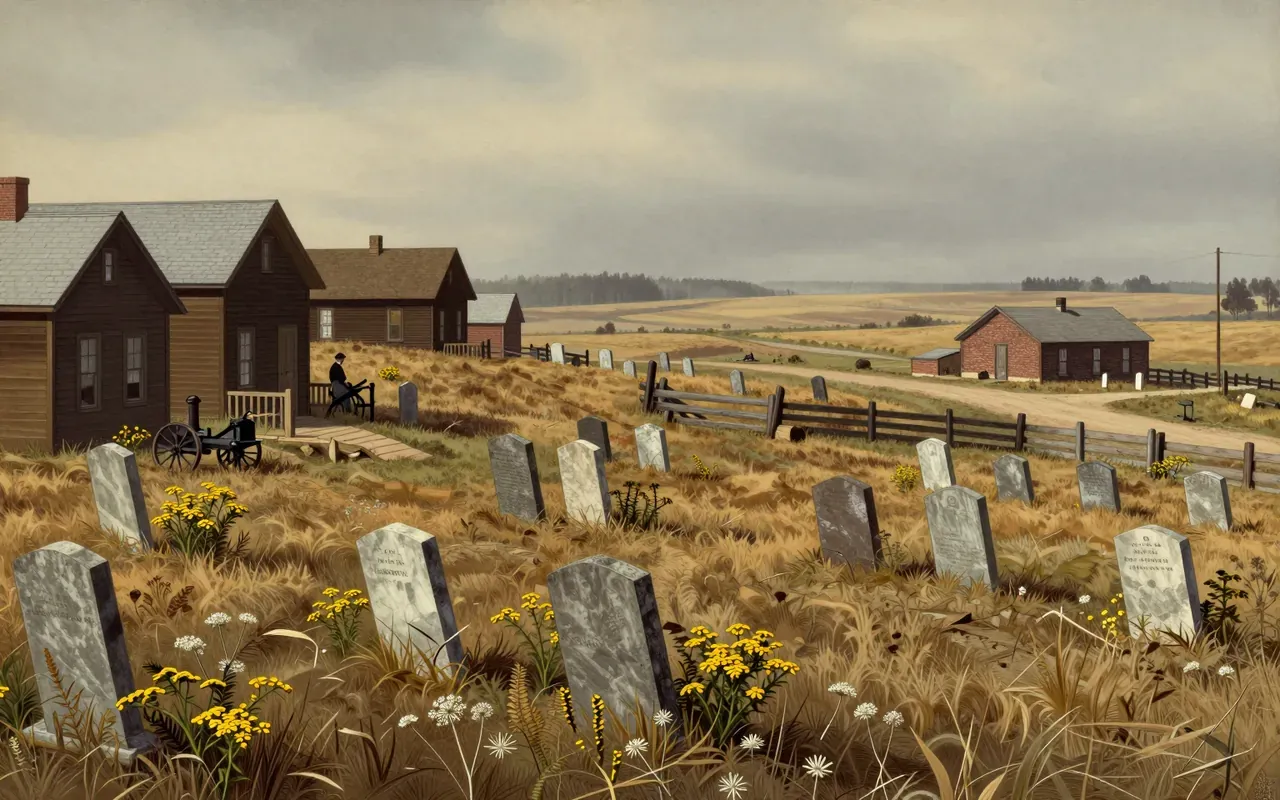
The brief argues that Spoon River Anthology’s power lies entirely in its epitaphs—the dead speaking plainly about lies, loss and local truth. The Epilogue’s mythic allegory undermines that power. Read The Hill. Skip the rest.

14:32

The Waste Land

T. S. Eliot · 1922

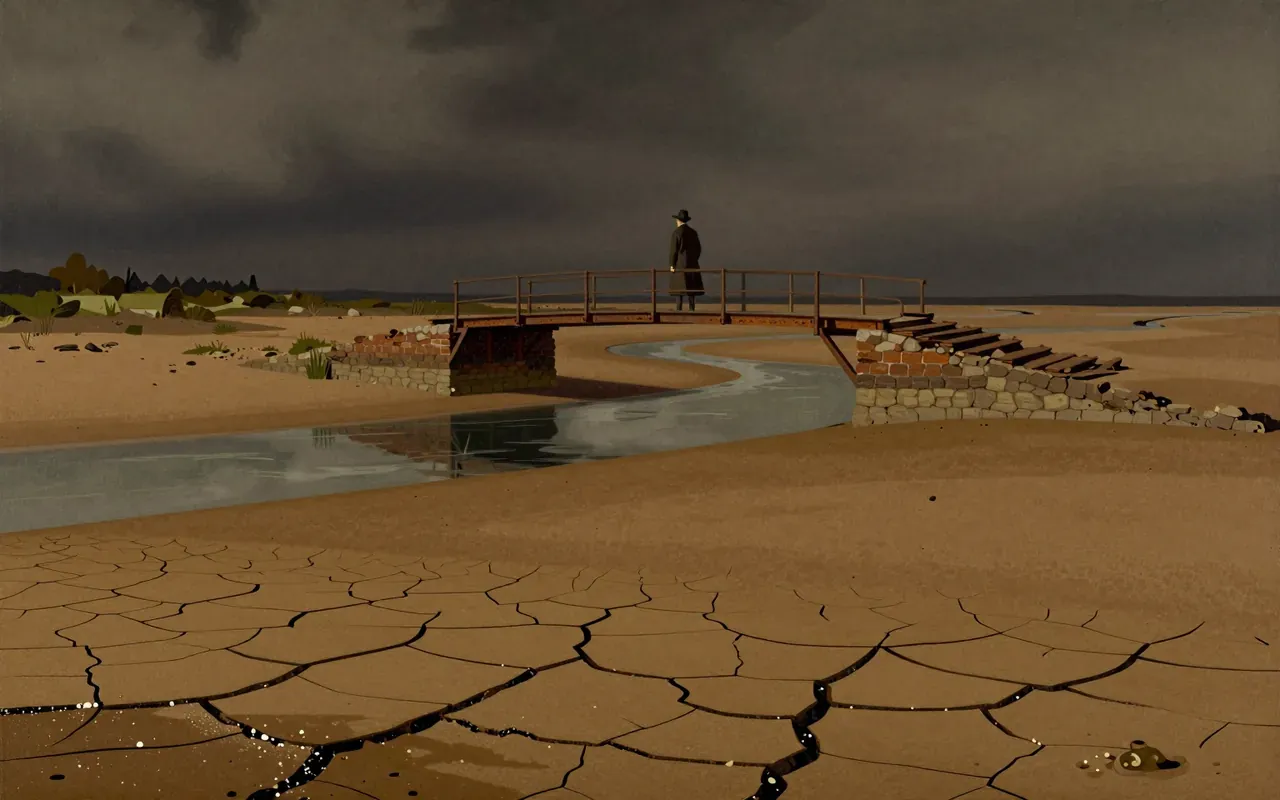
The Waste Land is a fractured 1922 poem diagnosing spiritual drought after the First World War. It rejects coherence, using shards of language, myth and memory to enact collapse rather than describe it. The brief tells you why its disorientation is deliberate, which lines anchor its argument, and why it remains essential—if unreadable in the old way.