booksbriefs
Shelf

Non-fiction

Argument, evidence and reportage: what a book claims, how well it proves it, and who needs it.

25
briefs
12:40
average
317 min
in total
24
authors
Shelves under Non-fiction11
All briefs25
13:54

The Communist Manifesto

Karl Marx · 0

The brief argues the Manifesto is a tactical pamphlet, not a prophecy. It extracts its structural logic: class struggle as history, the bourgeoisie’s self-undermining motion, and why Communists must name—not obscure—their antagonism with capital. It tells you which critiques hold up and which to skip.
13:22

The Prince

Niccolò Machiavelli · 1515

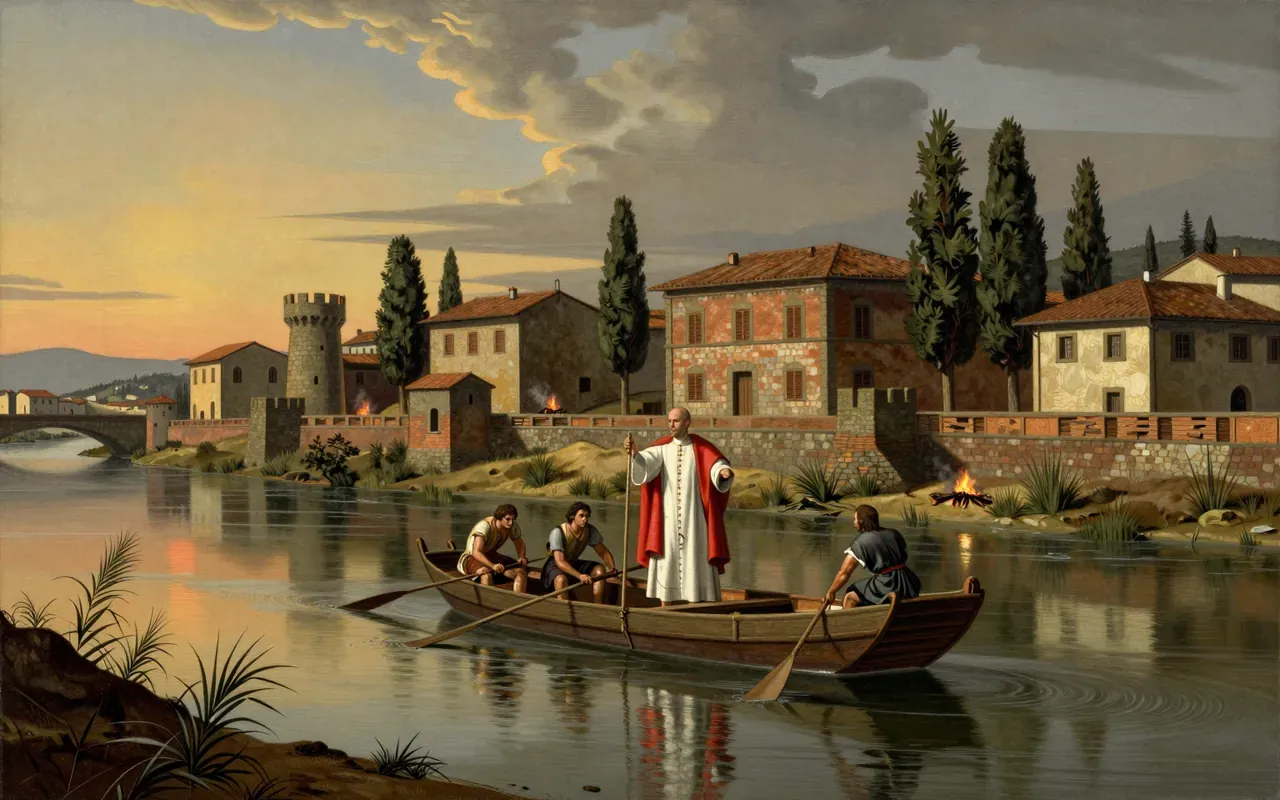
The Prince is a manual for seizing and holding absolute power without legitimacy. It argues that arms, timing and audacity—not virtue or law—secure rule. Its strongest ideas are in Chapters XX–XXVI: the river metaphor for fortune, the three-tier intellect test, and the warning against neutrality. Skip Chapter XXVI—it names Giuliano de’ Medici as Italy’s saviour but offers no analysis.

16:08

An Inquiry into the Nature and Causes of the Wealth of Nations

Adam Smith · 0

The book argues that national wealth springs from productive labour, not trade surpluses or bullion. It identifies the division of labour as the engine of growth — constrained only by market size. It ranks capital uses: agriculture first, then manufacturing, then trade — and declares consumption, not production, the sole end of all economic activity.

13:34

The Interpretation of Dreams

Sigmund Freud · 1939

Freud argues dreams are not nonsense but disguised wish-fulfilments shaped by censorship, infantile memory, and visual translation. He proves it using his own dreams—especially the 'Irma' injection dream—and builds a structural model of the psyche. The brief isolates the core argument, names what works (the manifest/latent distinction), what fails (universal infantile sexuality), and tells you to skip the bibliography.

12:28

Beyond Good and Evil

Friedrich Wilhelm Nietzsche · 0

The book argues morality is not discovered but created by power, truth is perspectival and life-serving, and nobility arises only where hierarchy is institutionalised. It works best in fragments—especially Chapters IV, V and IX. Skip Chapter VI: its attack on scholars is dated and underdeveloped.

14:48

The Critique of Pure Reason

Immanuel Kant · 1804

Kant’s 1781 critique argues that experience is possible only because the mind structures sensation using innate categories like causality. The brief explains why the Transcendental Deduction is necessary, why noumena are limits not objects, and why the Antinomies expose reason’s self-deception. It tells you which chapters to read, which to skip, and why this book remains unavoidable—not for its answers, but for the questions it forces on every thinker after it.

15:46

The Republic

Plato · 0

The Republic argues justice is soul-harmony enforced by philosopher-kings, censorship and communal breeding. Its greatest strength—the Cave—is also its warning: truth requires coercion. Skip Book V’s breeding logic and Book III’s musical digressions. Read Books IV, VI, VII and X for the core argument.

15:16

On the Origin of Species By Means of Natural Selection

Charles Darwin · 1859

Darwin’s 1859 argument is mechanistic, not historical: natural selection edits variation, it does not create life. The brief isolates the wedge metaphor, homology, and Galápagos biogeography as the enduring core—and flags Chapters VII–IX as dated digressions. Read Chapters I–IV and XIV, then decide whether to go deeper.

14:54

Sir Gawain and the Green Knight

Jessie L. Weston · 0

Weston’s 1922 prose version argues Gawain’s flaw is love of life—not lust or cowardice—and that the poem presents chivalry as covenantal, not performative. It clarifies the pentangle’s logic and the girdle’s meaning but sacrifices the poem’s alliterative force. Skip the Preface’s polemics.

10:00

1984

George Orwell · 1949

Orwell's 1949 novel follows Winston Smith in a state where the party controls language, history, and thought. The brief covers the mechanics of totalitarian control, what Orwell gets right about power, and which parts of the book hold up.

11:00

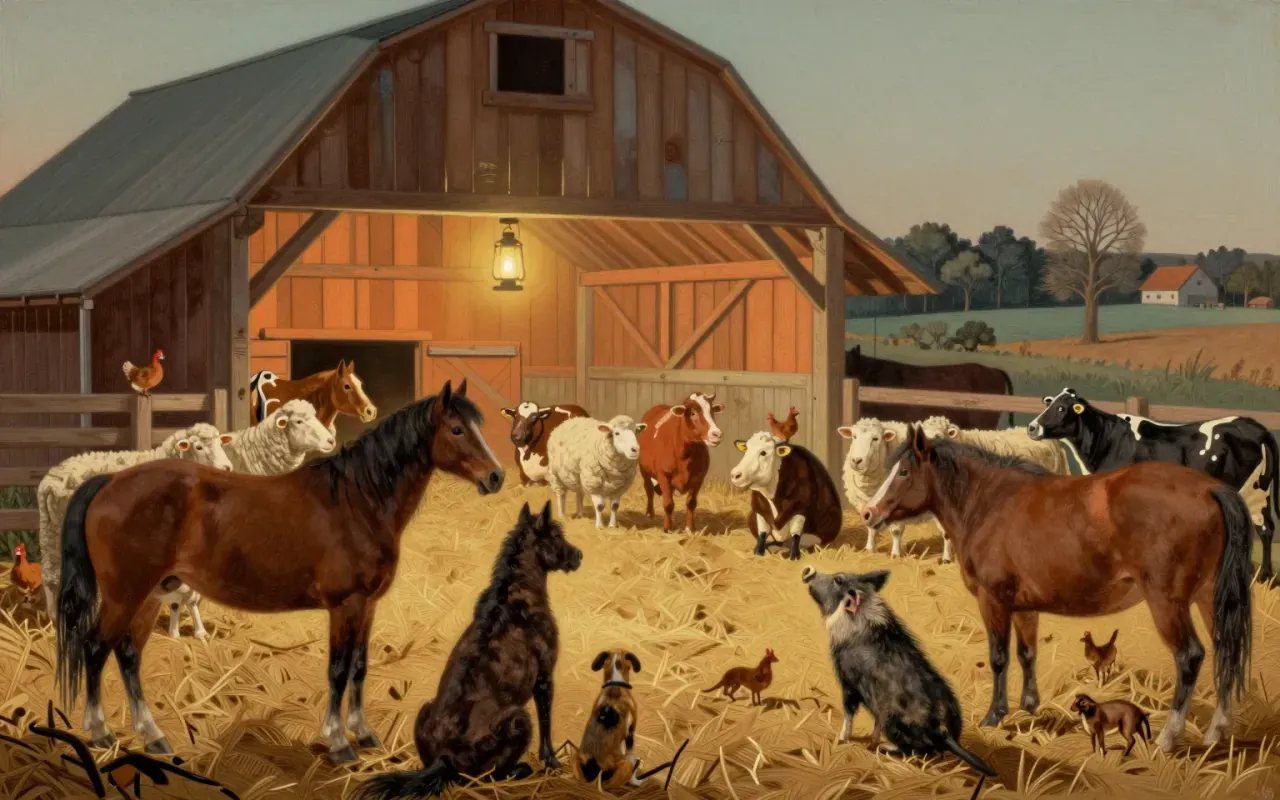
Animal Farm

George Orwell · 1945

Orwell's 1945 allegory of the Russian Revolution told through a farmyard coup. The brief covers the revolution, the factions, how the pigs consolidate power, and why it reads as a prophecy more than fiction.

15:00

In Search of Lost Time

Marcel Proust · 1913

Proust's seven-volume masterwork on memory and consciousness, pioneering modernist technique across 3,200 pages. The brief covers the madeleine moment, how time works in the novel, why high society occupies so much space, and which sections actually repay the effort.

14:30

The Brothers Karamazov

Fyodor Dostoyevsky · 1880

Dostoevsky's 1880 novel follows four brothers and their father's death, but treats the murder trial as a setup for Ivan's philosophical challenge to God and Alyosha's search for redemption. The book demands the reader inhabit uncertainty rather than resolve it.

12:00

Do Androids Dream of Electric Sheep?

Philip K. Dick · 1968

Dick's 1968 novel sets up the century's central question about AI and consciousness. The brief covers Deckard's hunt for androids, the problem of empathy, and why the book never settles the question it asks.

12:00

The Plague

Albert Camus · 1947

Camus's 1947 novel of collective crisis. It's not really about a plague: it's an essay on solidarity, responsibility, and what keeps you acting when survival makes sense but meaning does not.

11:00

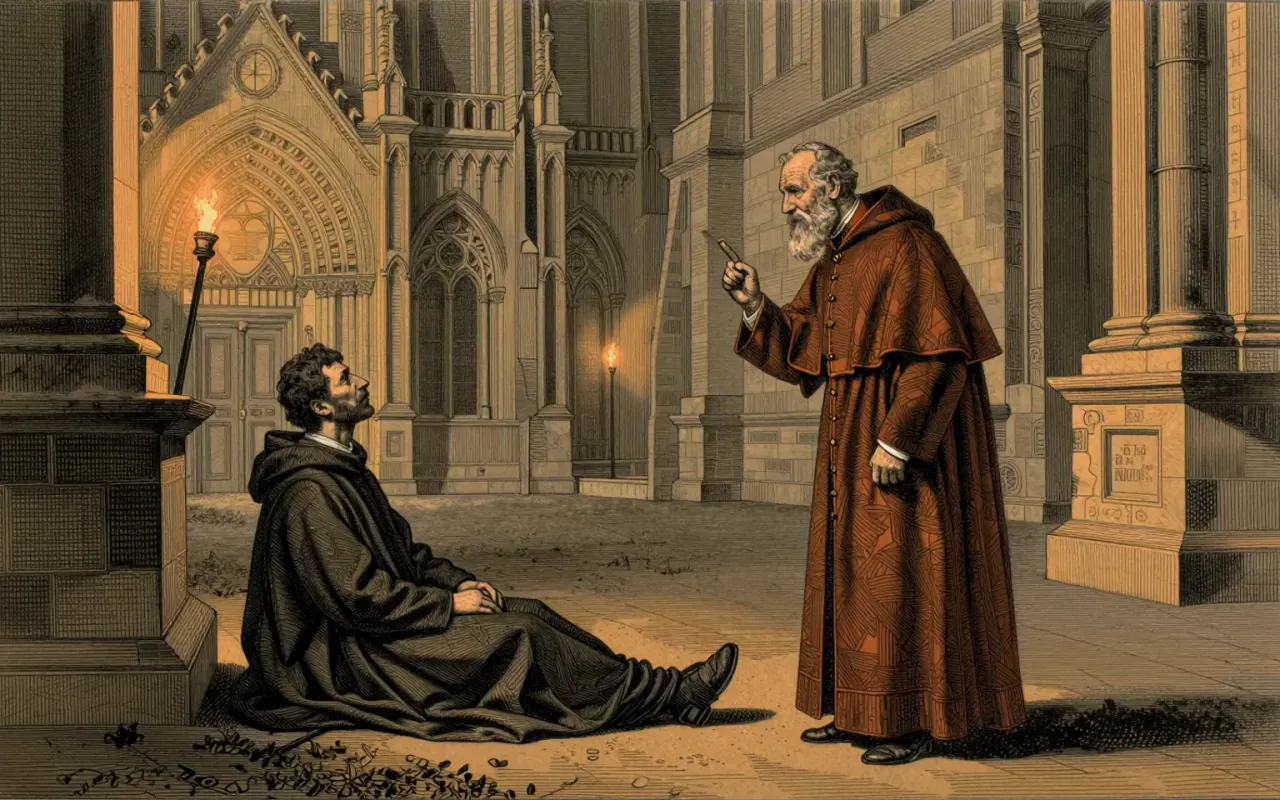
The Trial

Franz Kafka · 1925

Kafka's unfinished novel about a man arrested without charges and caught in an impenetrable legal system. The brief covers what the trial actually investigates, the machinery of power behind the courts, Kafka's ambivalence about the work itself, and which chapters matter most.

12:30

The Grapes of Wrath

John Steinbeck · 1939

Steinbeck follows the Joad family from Oklahoma to California during the Great Depression. The novel argues that personal survival alone is meaningless; consciousness must shift from individual to collective. Its ending insists that dignity lies in solidarity.

12:43

A Modest Proposal

Jonathan Swift · 1729

Swift proposes that the Irish poor sell their infants as food, and costs it out precisely. The brief covers how the satire works, why the numbers matter more than the shock, and the last page where the mask drops and the real proposals appear.

12:40

Thinking, Fast and Slow

Daniel Kahneman · 2011

Two systems run your mind. One is fast, intuitive and often wrong; the other is slow, deliberate and lazy. The brief covers both, the three biases you will notice by dinner, and the odd fact that the self who remembers your life is not the one living it.

10:52

Sapiens

Yuval Noah Harari · 2011

Harari's argument is that shared fictions, from gods to money to limited-liability companies, are what let strangers cooperate at scale. The brief covers the three revolutions, the strongest chapter, and the places where historians push back.

8:30

Meditations

Marcus Aurelius · 180

Private notes by a Roman emperor, never meant to be read. The brief explains what Stoicism actually asks of you, which translation to pick, and why the book works better in fragments than front to back.

13:15

The Selfish Gene

Richard Dawkins · 1976

Dawkins reframes natural selection from the gene's point of view and, in one chapter, coins the word meme. The brief covers the gene's-eye view, why the title misleads, and where the argument has been refined since 1976.

6:48

Atomic Habits

James Clear · 2018

Clear's argument fits on an index card, and the brief says so. It covers the four laws, the two ideas that are actually new, and why the book is better than its imitators despite saying less than its length suggests.

9:21

Zero to One

Peter Thiel · 2014

A short, contrarian book built from a Stanford course. The brief covers the monopoly argument, the seven questions every startup should answer, and the parts that read better in 2014 than they do now.

14:30

Antifragile

Nassim Nicholas Taleb · 2012

The central idea is real and the book is twice as long as it needs to be. The brief extracts the triad, the barbell, via negativa and skin in the game, then tells you which two hundred pages to skip.