booksbriefs
Filter

Short books

Under 200 pages. An evening, not a fortnight.

24 briefs · 328 min
16:38

Demian

Hermann Hesse · 1919

Demian argues that moral growth requires destroying the world that raised you — family, church, nation — to make space for the self you were meant to be. It succeeds in its early chapters on guilt and awakening, fails in its later mysticism, and should be read selectively. Skip the organist Pistorius entirely.
16:24

A Doll's House

Henrik Ibsen · 1889

A wife’s secret forgery unravels her marriage in three acts. The brief shows how Ibsen uses legal detail—not psychology—to expose marriage as a system of female wardship. It tells you which lines carry the argument and why the door slam is jurisprudence, not drama.

12:32

The Importance of Being Earnest

Oscar Wilde · 1893

A satirical three-act play that reduces Victorian respectability to linguistic games. It works because every line lands like a scalpel, not a sermon. Skip any production that treats it as heart-warming—it is not.

15:13

Master and Man

Leo Tolstoy · 1910

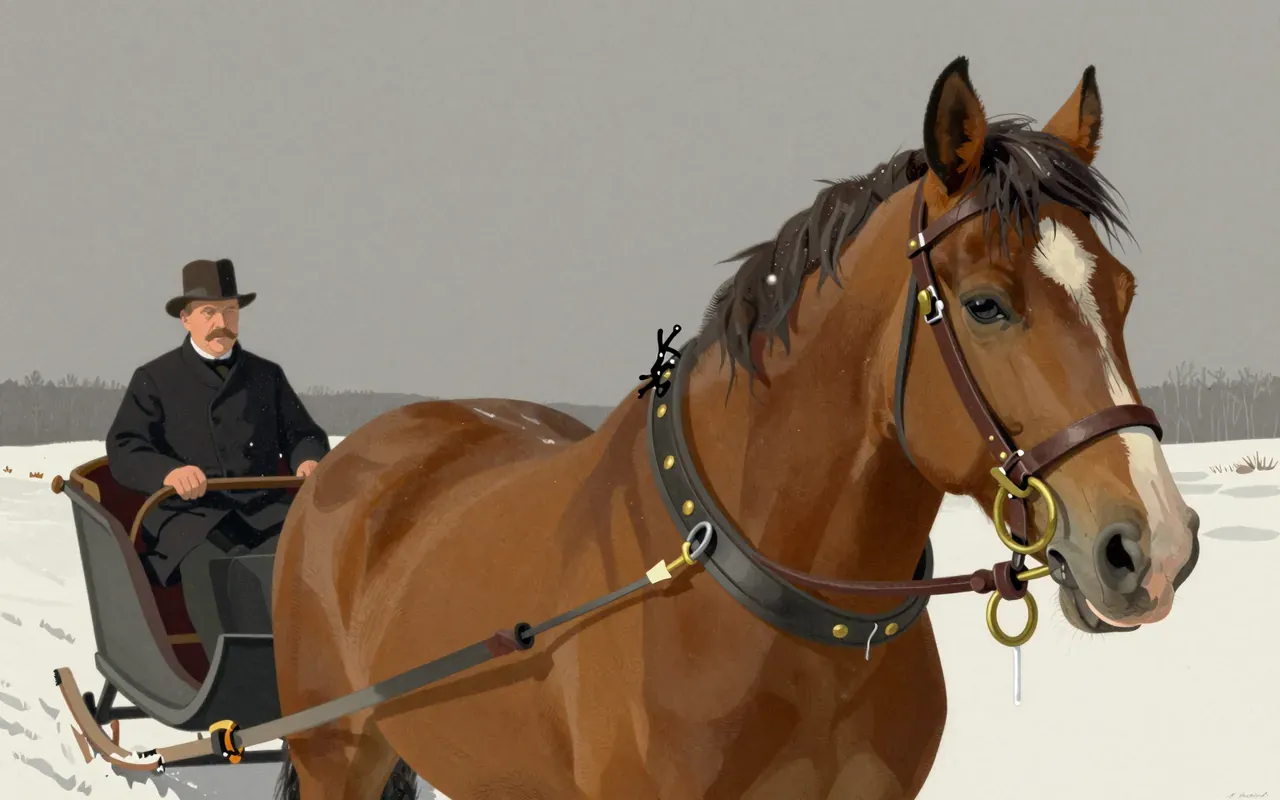
Tolstoy’s 1910 parable strips away all pretence: a merchant and his labourer are stranded in a blizzard, and salvation arrives only when the merchant lies frozen atop the man he exploited. The wormwood circle (VIII) proves reason is useless. Skip the homestead interlude (IV). Read it once, in under ninety minutes.

13:21

Medea of Euripides

Euripides · 406 BC

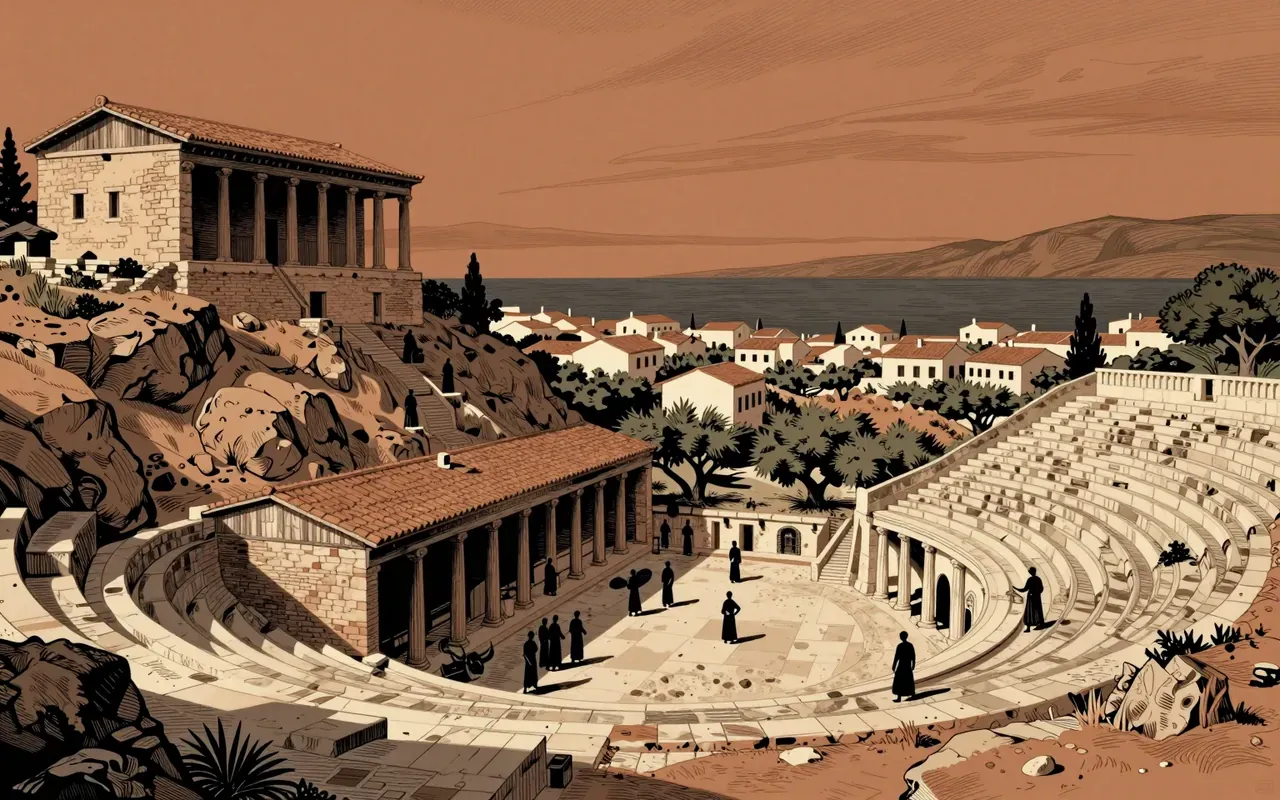
Medea is not a study in madness — it is a forensic account of how law, gender and exile converge to make vengeance rational. The brief explains why her children’s murder is strategic, not hysterical, and why the dragon-chariot ending is the point, not a flaw. Read it for its precision, not its pity.

13:22

The Prince

Niccolò Machiavelli · 1515

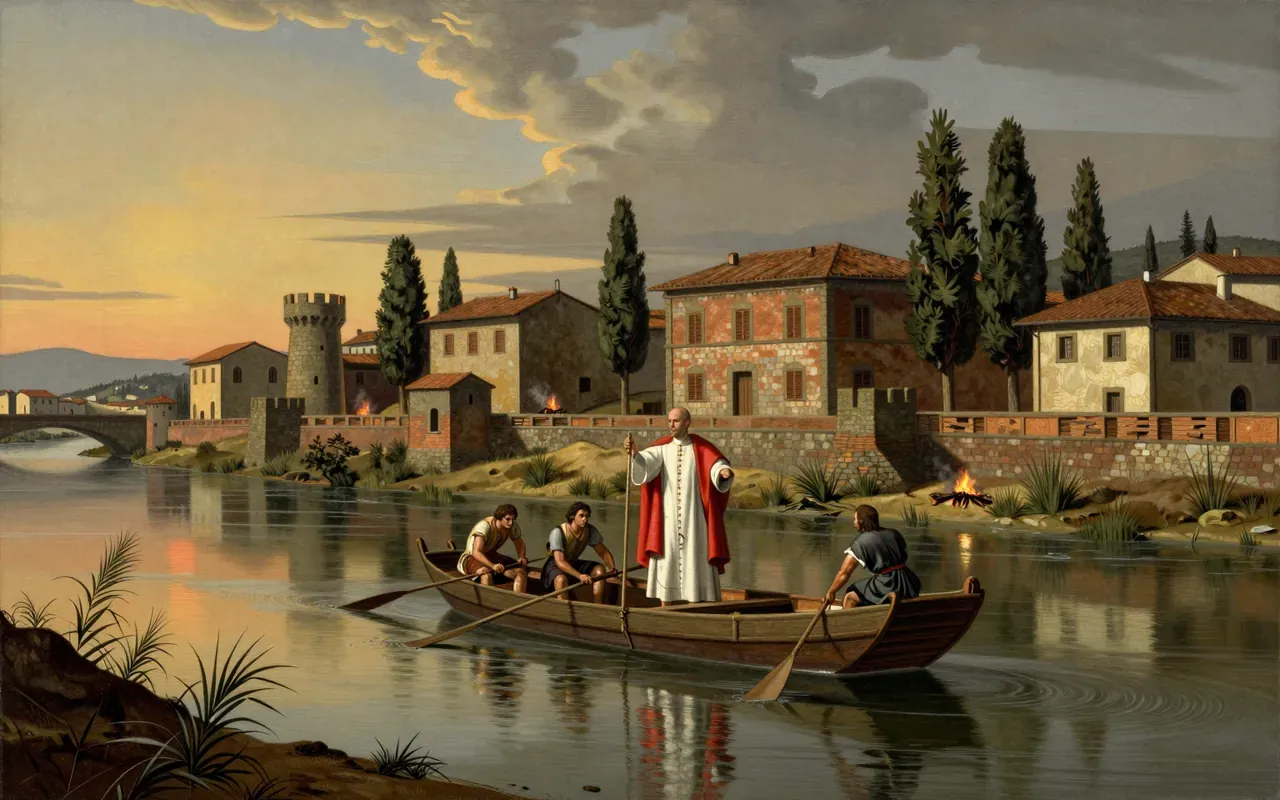
The Prince is a manual for seizing and holding absolute power without legitimacy. It argues that arms, timing and audacity—not virtue or law—secure rule. Its strongest ideas are in Chapters XX–XXVI: the river metaphor for fortune, the three-tier intellect test, and the warning against neutrality. Skip Chapter XXVI—it names Giuliano de’ Medici as Italy’s saviour but offers no analysis.

14:44

Pygmalion

Bernard Shaw · 1912

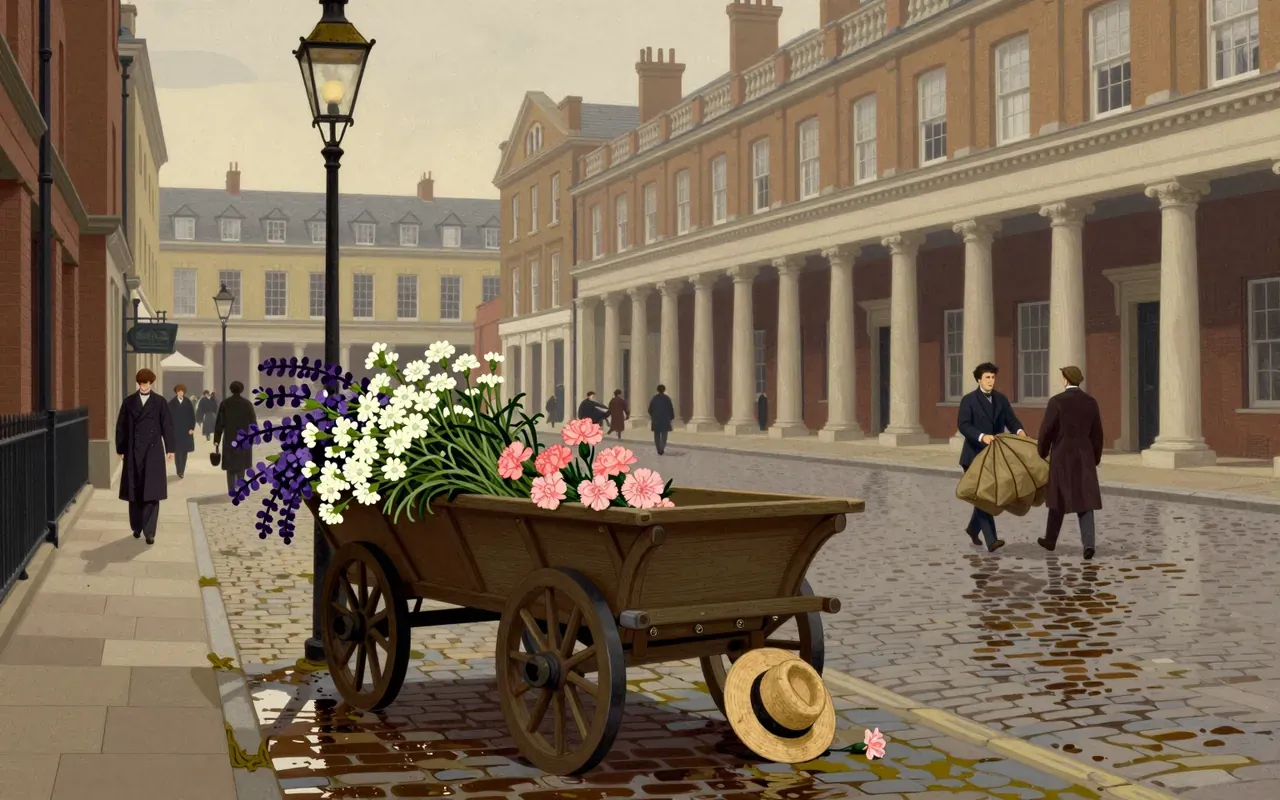
Pygmalion is not a rags-to-riches fantasy. It is a surgical dissection of how accent enforces class in England—and how linguistic transformation without power leaves Eliza stranded. The brief shows why Higgins’s triumph is hollow, why Doolittle’s rise is damning, and why Eliza’s final act is not marriage but sovereignty.

16:04

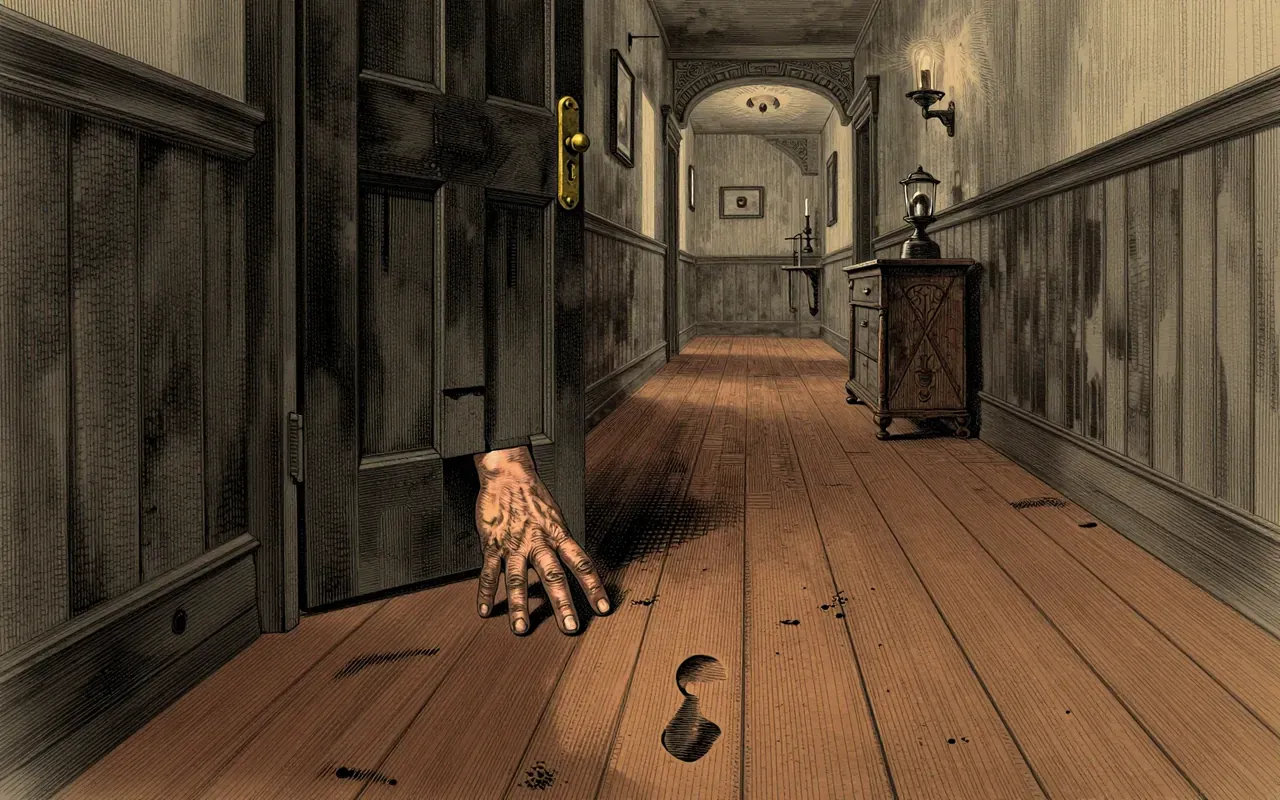
The strange case of Dr. Jekyll and Mr. Hyde

Robert Louis Stevenson · 1875

The book argues that human duality cannot be surgically divided — and that attempting to do so destroys both selves. It succeeds through structure, pacing and restraint, not exposition. Skip any attempt to read it as scientific speculation: the potion is a cipher, not a hypothesis.

14:45

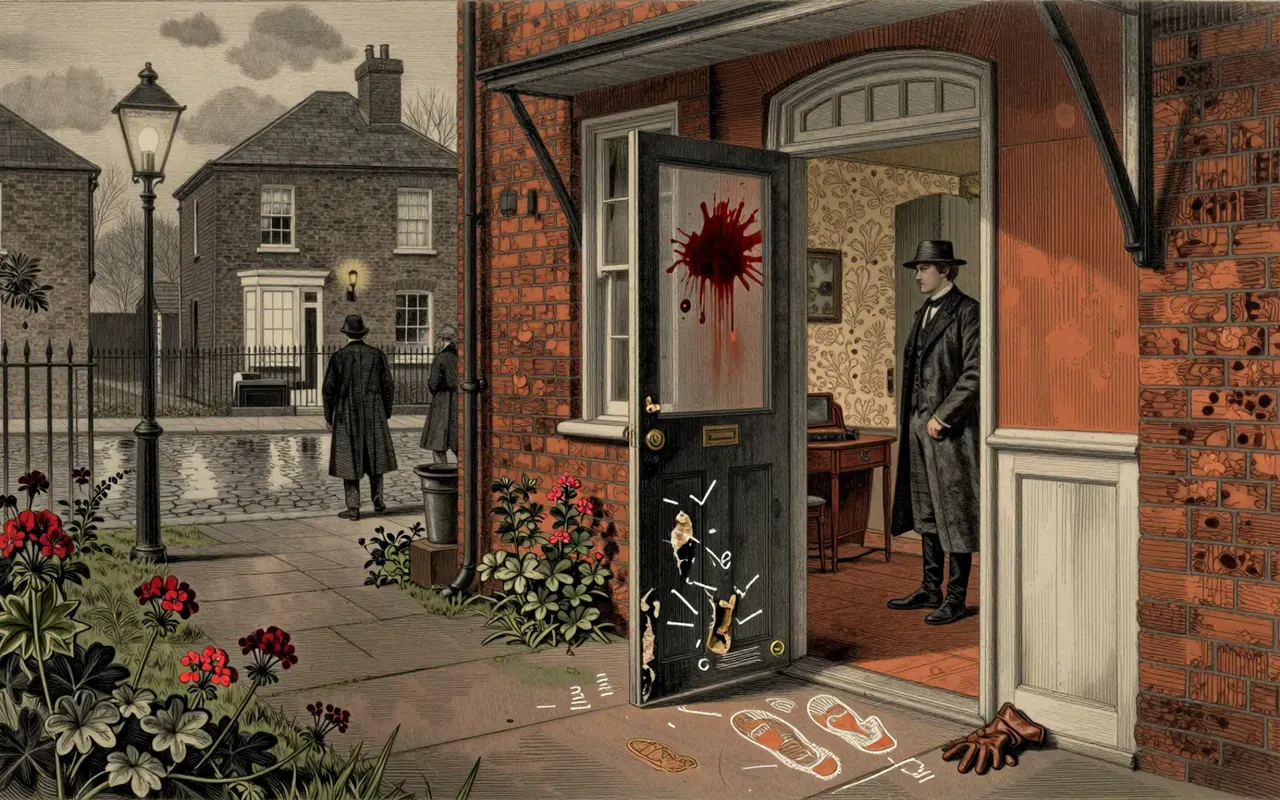
A Study in Scarlet

Arthur Conan Doyle · 1887

A Study in Scarlet invents the consulting detective but splits its energy between Holmes’s method and Jefferson Hope’s Mormon-era revenge. Its Utah section is ideologically loaded and structurally disruptive. Read Part I for Holmes’s debut deduction; skip Part II unless you need motive.

12:50

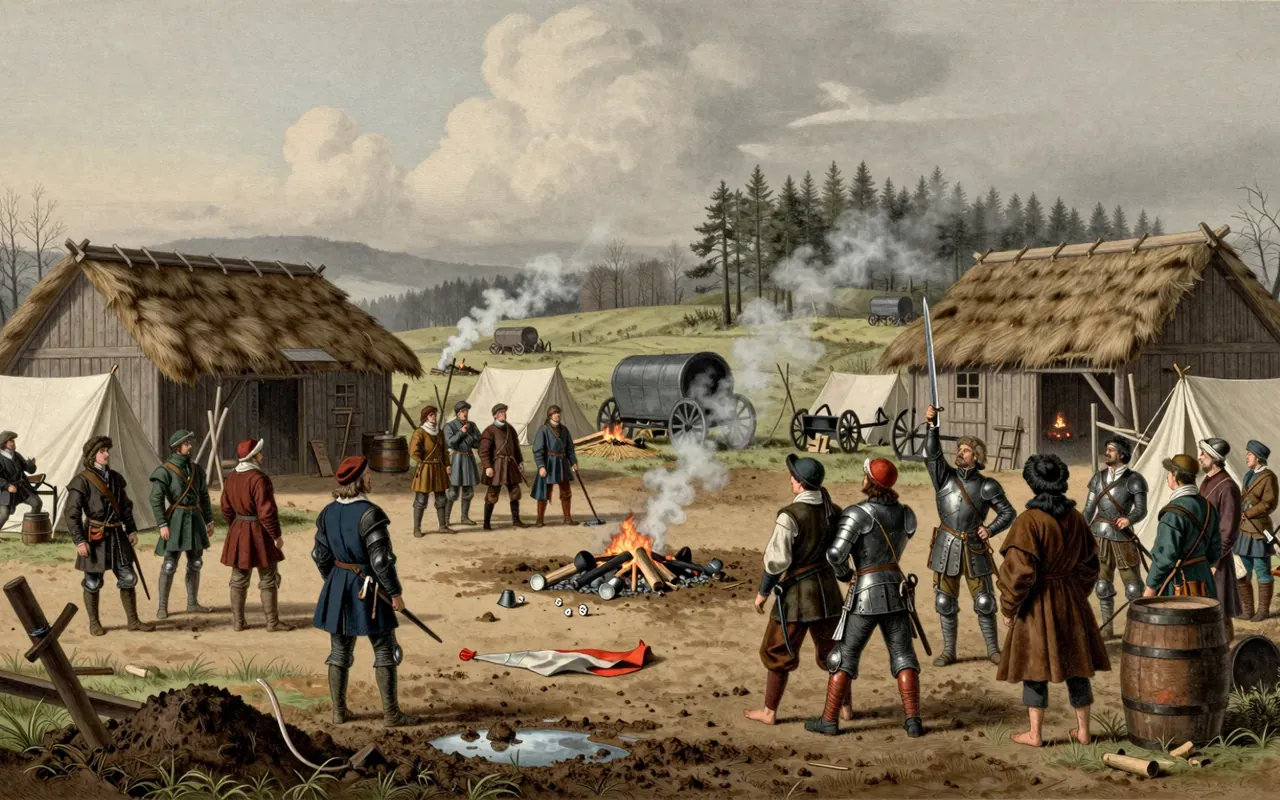
Wallenstein's Camp

Friedrich Schiller · 1805

A dramatic poem showing soldiers in Wallenstein’s Pilsen camp pledging loyalty not to empire but to their commander. It argues loyalty is performative, collective and born of fear—not ideology or reason. Read it for its raw depiction of martial sovereignty, not for history or character.

14:32

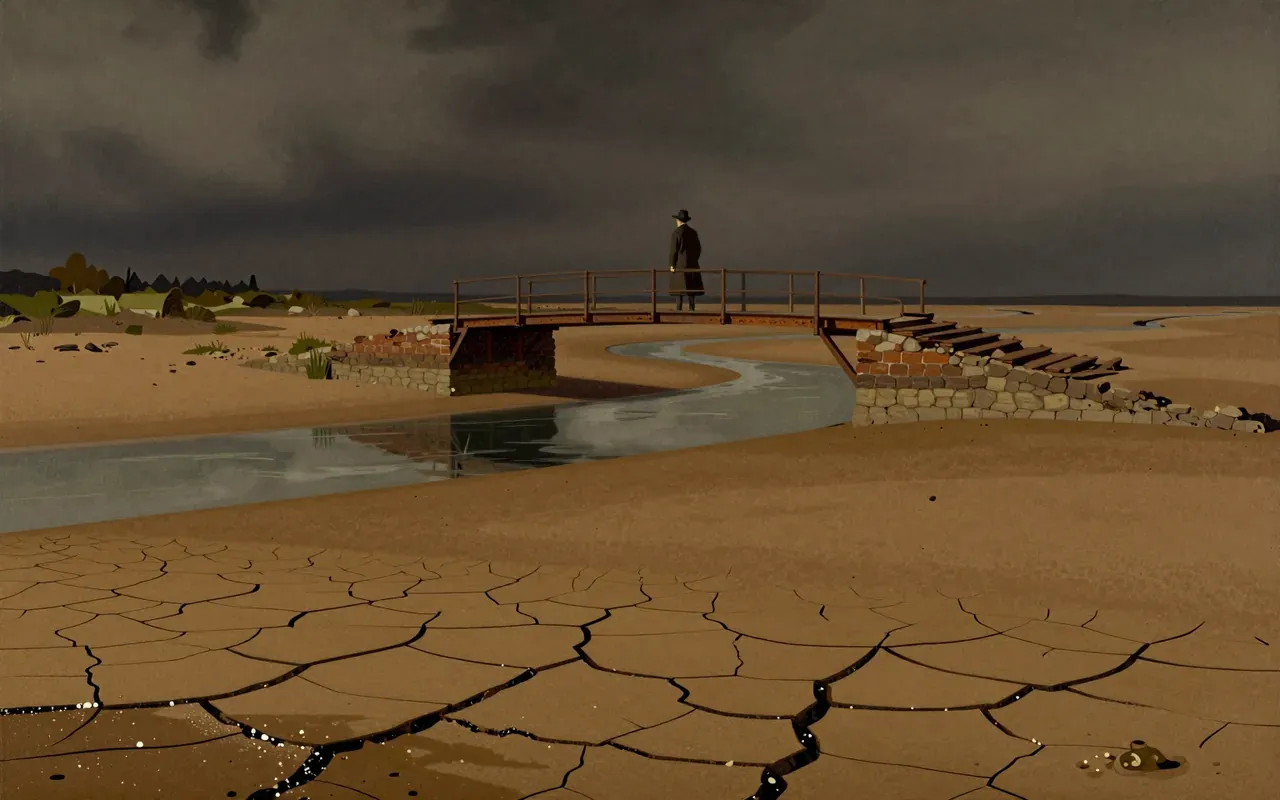
The Waste Land

T. S. Eliot · 1922

The Waste Land is a fractured 1922 poem diagnosing spiritual drought after the First World War. It rejects coherence, using shards of language, myth and memory to enact collapse rather than describe it. The brief tells you why its disorientation is deliberate, which lines anchor its argument, and why it remains essential—if unreadable in the old way.

14:27

The Wonderful Wizard of Oz

L. Frank Baum · 1899

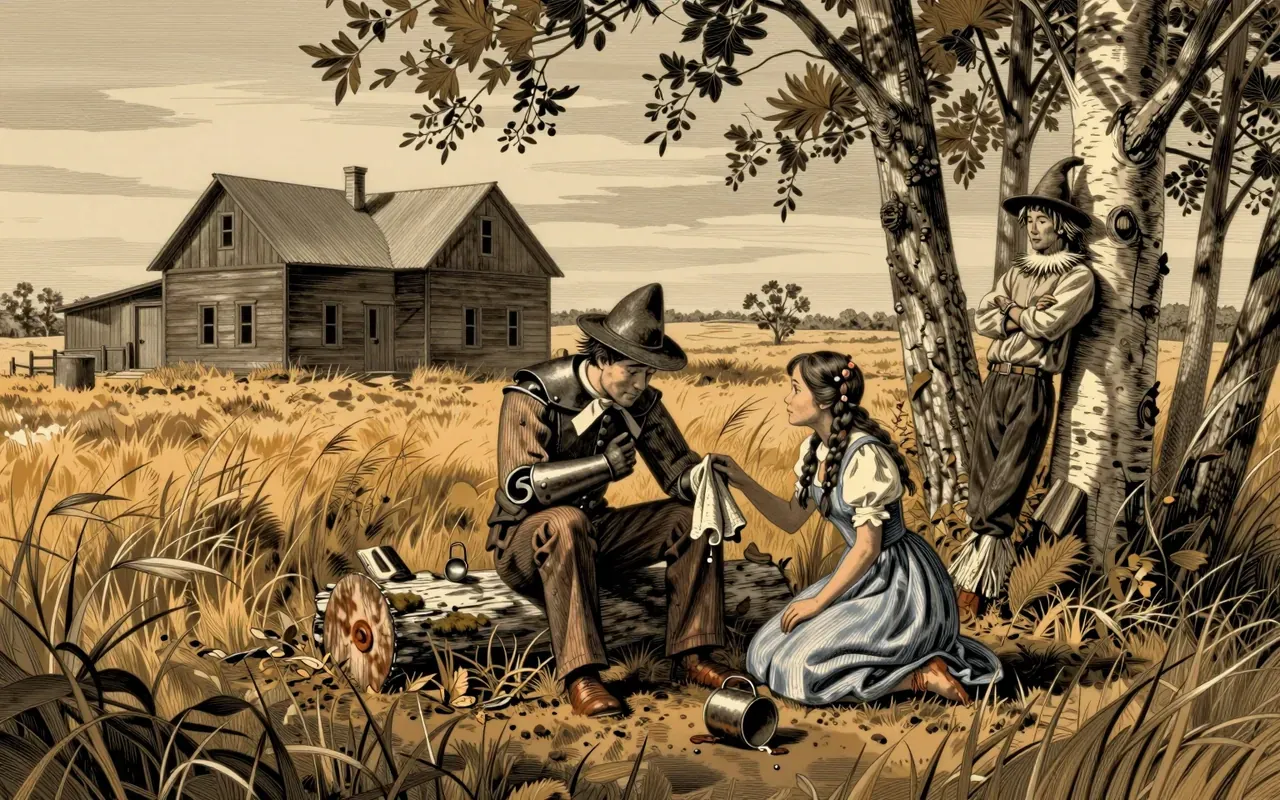
The book replaces Grimm’s moral terror with joyful, amoral wonder. Oz’s green-silk balloon exposes authority as performance. The china Princess’s fear of breaking grounds identity in physical fragility. Glinda reveals Dorothy’s Silver Shoes held her way home all along—but only after she earned return through loyalty and journeying.

11:00

Animal Farm

George Orwell · 1945

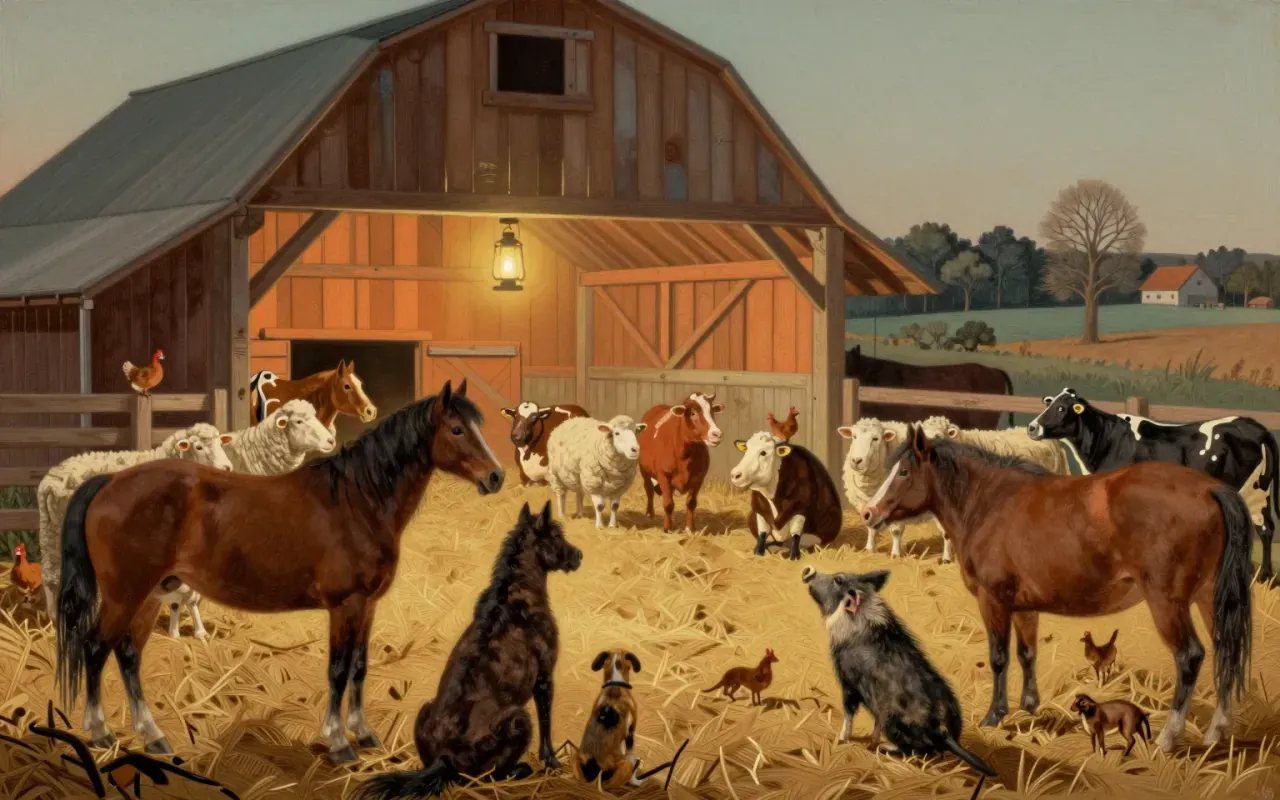
Orwell's 1945 allegory of the Russian Revolution told through a farmyard coup. The brief covers the revolution, the factions, how the pigs consolidate power, and why it reads as a prophecy more than fiction.

10:50

The Great Gatsby

F. Scott Fitzgerald · 1925

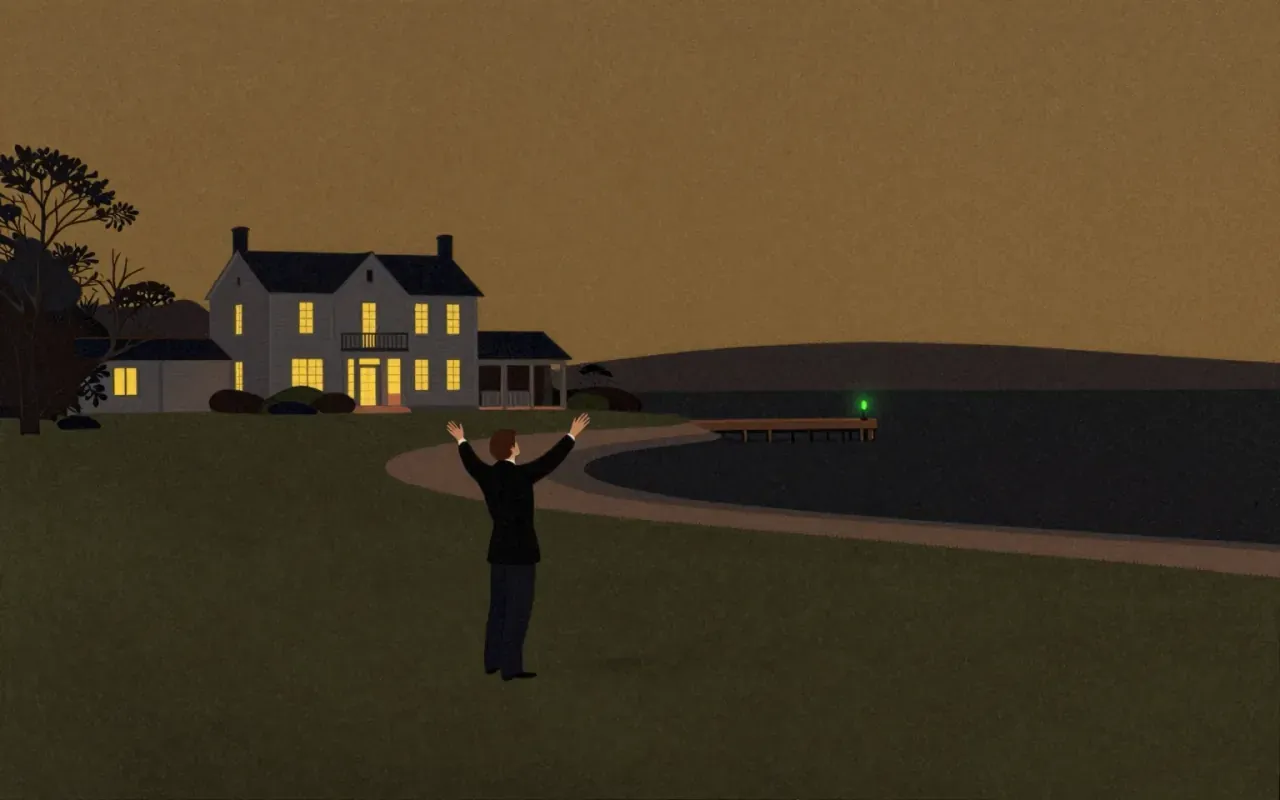
Fitzgerald's 1925 masterpiece on wealth, desire, and the American Dream in its fullest delusion. The brief covers who Gatsby is and why he fails, the machinery of class that destroys him, and why the ending matters.

15:08

Julius Caesar

William Shakespeare · 1616

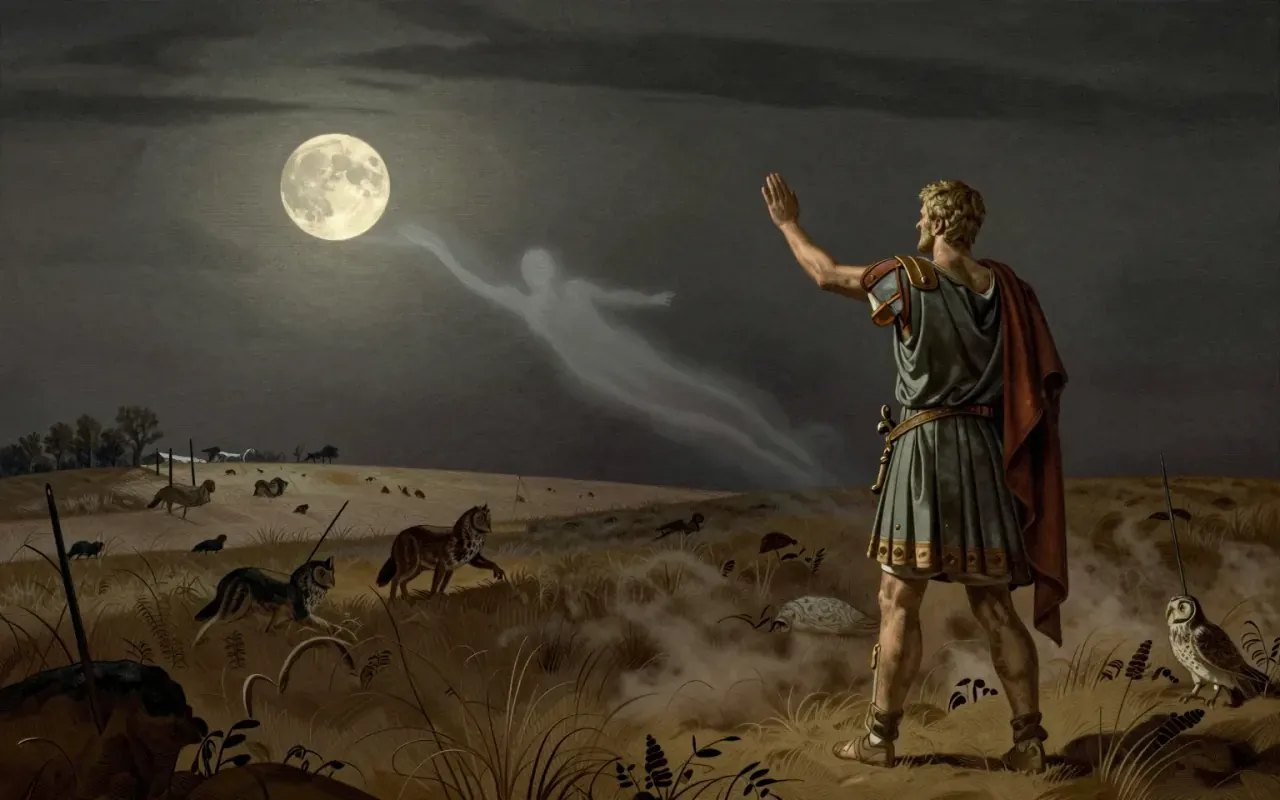
Brutus joins the conspiracy on principle and loses Rome to a better speaker. The brief covers why Shakespeare puts the murder at the halfway mark, how Antony turns a hostile crowd line by line, and why the second half never matches the first.

13:42

The Merchant of Venice

William Shakespeare · 1600

Antonio borrows against a pound of his own flesh, and the court that saves him strips Shylock of his money and his religion. The brief covers the trial, the thin plot surrounding it, and the antisemitism that is not a misreading but the play’s own material.

12:00

The Metamorphosis

Franz Kafka · 1915

Kafka's 1915 novella in seventy pages of exact prose. A man becomes an insect overnight. The story is not about the transformation; it is about what comes after, and what it reveals about work, family, and obligation.

12:43

A Modest Proposal

Jonathan Swift · 1729

Swift proposes that the Irish poor sell their infants as food, and costs it out precisely. The brief covers how the satire works, why the numbers matter more than the shock, and the last page where the mask drops and the real proposals appear.

14:13

Much Ado about Nothing

William Shakespeare · 1600

Beatrice and Benedick argue their way into a marriage; Claudio believes a lie about Hero and denounces her at the altar. The brief covers why the comic plot outlives the romantic one, what two words in Act IV do to the play, and how little the villain has to try.

12:00

Of Mice and Men

John Steinbeck · 1937

Steinbeck's novella in a hundred pages about George and Lennie, migrant workers during the Depression, and what happens when a dream meets the world. The brief covers their plan and why it fails, then the impossible choice at the end.

10:00

The Old Man and the Sea

Ernest Hemingway · 1952

Santiago, an aging Cuban fisherman who hasn't caught anything in 84 days, hooks a giant marlin and fights it for three days. When he finally lands it, sharks strip his prize to a skeleton. Hemingway's spare prose turns the ordeal into a study of human will against indifference.

14:41

Romeo and Juliet

William Shakespeare · 1597

Two teenagers from feuding families marry in secret and are dead within four days. The brief covers the compression Shakespeare imposes on his source, why Mercutio and the Nurse are the best things in it, and the case that the lovers are less interesting than the people around them.

15:32

The Tempest

William Shakespeare · 1611

A deposed duke with a monopoly on magic wrecks his enemies’ ship, arranges his daughter’s marriage, forgives everyone and abandons his power. The brief covers what Caliban’s claim does to the story, why a plot with no resistance has no tension, and what the epilogue is asking for.

11:04

The Stranger

Albert Camus · 1942

Camus's first novel in a hundred and twenty pages of flat, exact prose. The brief covers the plot in one minute, the absurd in three, and why the trial is the real subject of the book.