booksbriefs
Our angle

Essential

The ones everyone in the field should have read. We keep this list short on purpose.

14 briefs · 164 min
10:00

1984

George Orwell · 1949

Orwell's 1949 novel follows Winston Smith in a state where the party controls language, history, and thought. The brief covers the mechanics of totalitarian control, what Orwell gets right about power, and which parts of the book hold up.


10:30

Fahrenheit 451

Ray Bradbury · 1953

Bradbury's 1953 novel follows a fireman in a totalitarian future who questions his role burning books. The brief traces Montag's awakening from enforcer to resister, examines what the book argues about censorship and conformity, and considers what it gets right and where it falters.

12:00

Foundation

Isaac Asimov · 1951

A math professor and three hundred thousand people are sent to the edge of the galaxy to establish a Foundation that preserves human knowledge. The book follows four crises that test whether mathematical prediction can outmaneuver political chaos and interstellar war. It is the story of how institutions outlast empires.

10:50

The Great Gatsby

F. Scott Fitzgerald · 1925

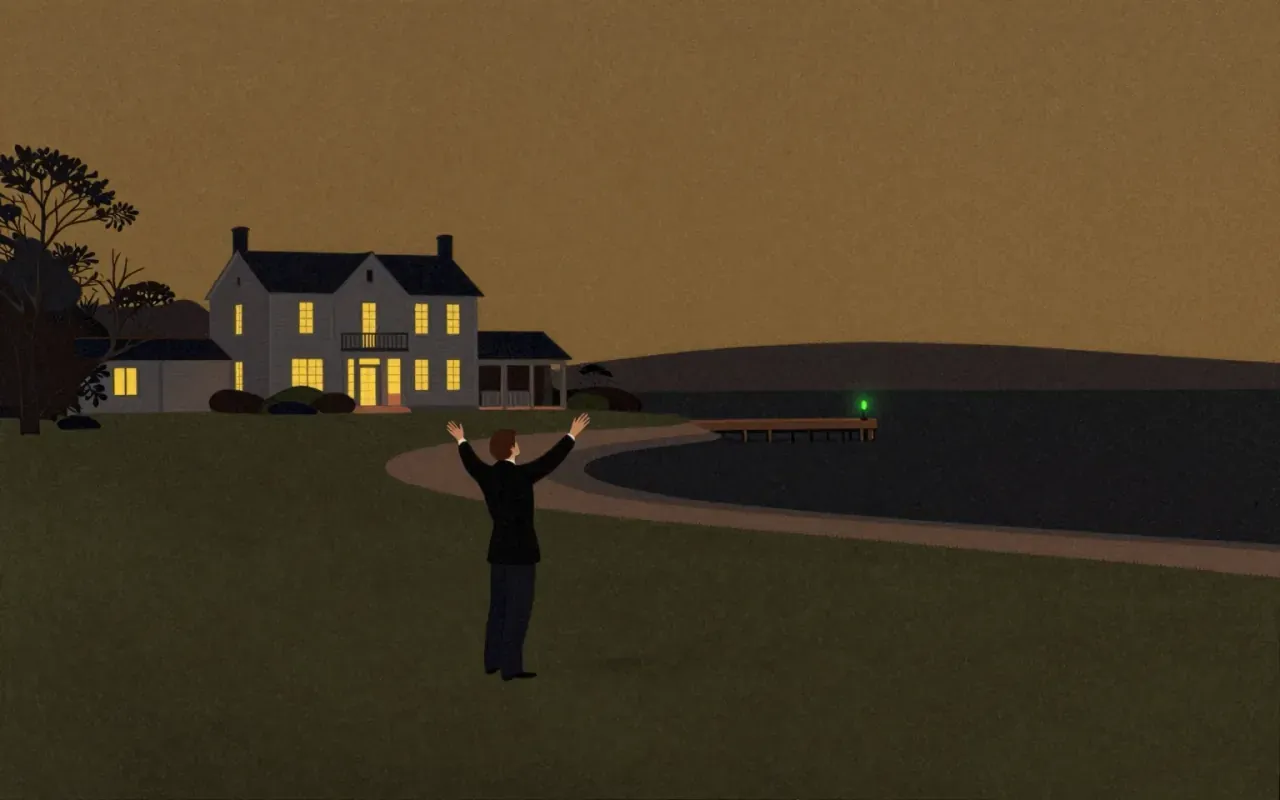
Fitzgerald's 1925 masterpiece on wealth, desire, and the American Dream in its fullest delusion. The brief covers who Gatsby is and why he fails, the machinery of class that destroys him, and why the ending matters.

15:00

In Search of Lost Time

Marcel Proust · 1913

Proust's seven-volume masterwork on memory and consciousness, pioneering modernist technique across 3,200 pages. The brief covers the madeleine moment, how time works in the novel, why high society occupies so much space, and which sections actually repay the effort.

12:36

Lord of the Flies

William Golding · 1954

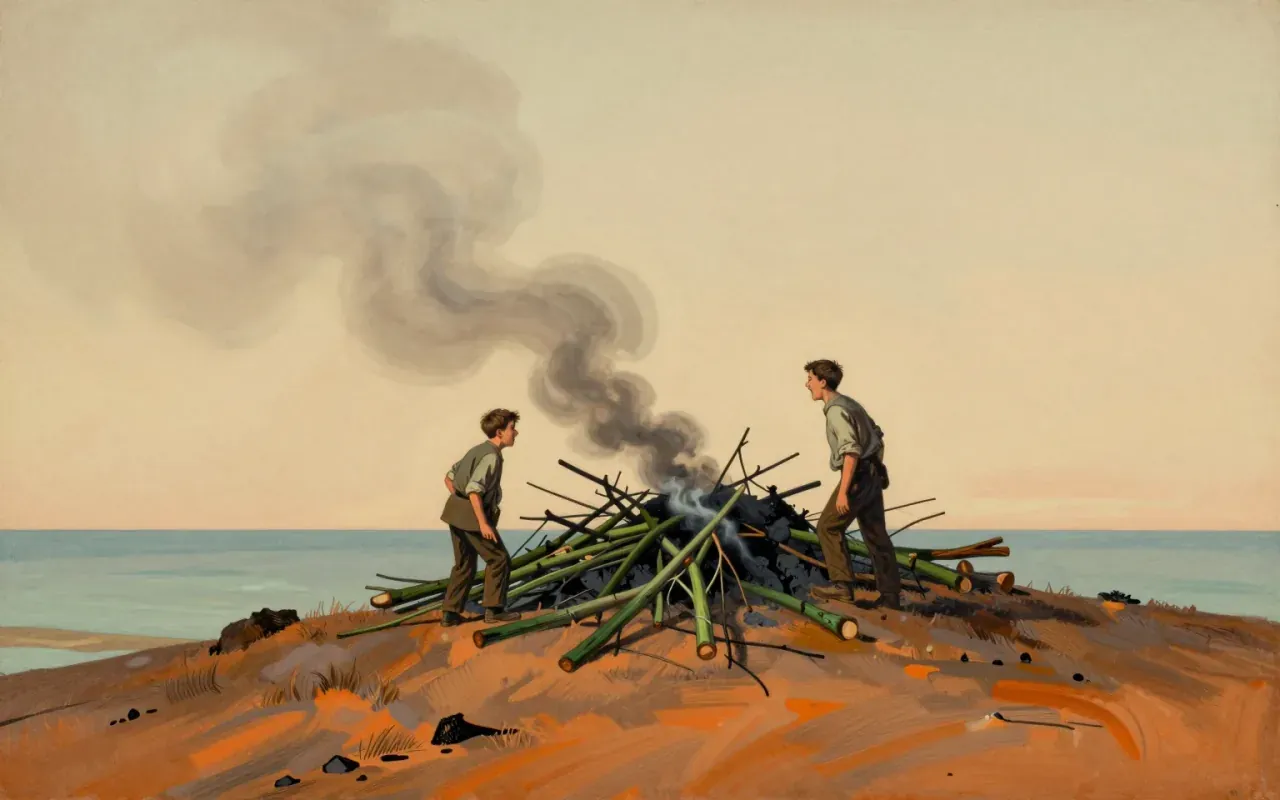
Golding's 1954 novel stages what happens when children are left to organize themselves. The surface reads as survival adventure. Below it is a sharp argument about how quickly order becomes tyranny and civilization masks brutality.

12:00

The Metamorphosis

Franz Kafka · 1915

Kafka's 1915 novella in seventy pages of exact prose. A man becomes an insect overnight. The story is not about the transformation; it is about what comes after, and what it reveals about work, family, and obligation.

13:00

Neuromancer

William Gibson · 1984

Gibson's 1984 debut defined cyberpunk and coined the term 'cyberspace' before the internet existed. The brief covers the heist plot in five minutes, the AIs in five more, and why everyone building the future still treats this as a founding text.

11:00

One Hundred Years of Solitude

Gabriel García Márquez · 1967

García Márquez's 1967 novel set in the fictional Colombian town of Macondo, where the Buendía family repeats the same names, mistakes, and obsessions across generations. The brief covers the structure of cyclical time, the decay of an isolated settlement, and why the magical elements are not flourish but argument about how the past swallows the present.

12:00

Snow Crash

Neal Stephenson · 1992

Stephenson's breakthrough novel from 1992 that imagined the metaverse two decades before it became a buzzword. The brief covers the plot in two minutes, the vision in four, and which parts hold up.

10:30

To Kill a Mockingbird

Harper Lee · 1960

Lee's 1960 novel follows Scout Finch growing up in Depression-era Alabama as her father Atticus defends a Black man wrongly accused of rape. The trial is rigged, but the book is not about whether he wins—it is about what Scout learns when he loses.

12:35

War and Peace

Leo Tolstoy · 1869

Tolstoy's 1869 epic follows five aristocratic families through twenty years of Russian history. The brief covers the plot in two minutes, the philosophy in five, why the theory of history is the real argument, and which sections actually matter.

12:40

Thinking, Fast and Slow

Daniel Kahneman · 2011

Two systems run your mind. One is fast, intuitive and often wrong; the other is slow, deliberate and lazy. The brief covers both, the three biases you will notice by dinner, and the odd fact that the self who remembers your life is not the one living it.

9:21

Zero to One

Peter Thiel · 2014

A short, contrarian book built from a Stanford course. The brief covers the monopoly argument, the seven questions every startup should answer, and the parts that read better in 2014 than they do now.