booksbriefs
Our angle

Deep dive

An author, a series or a body of work, not a single title.

6 briefs · 74 min
12:30

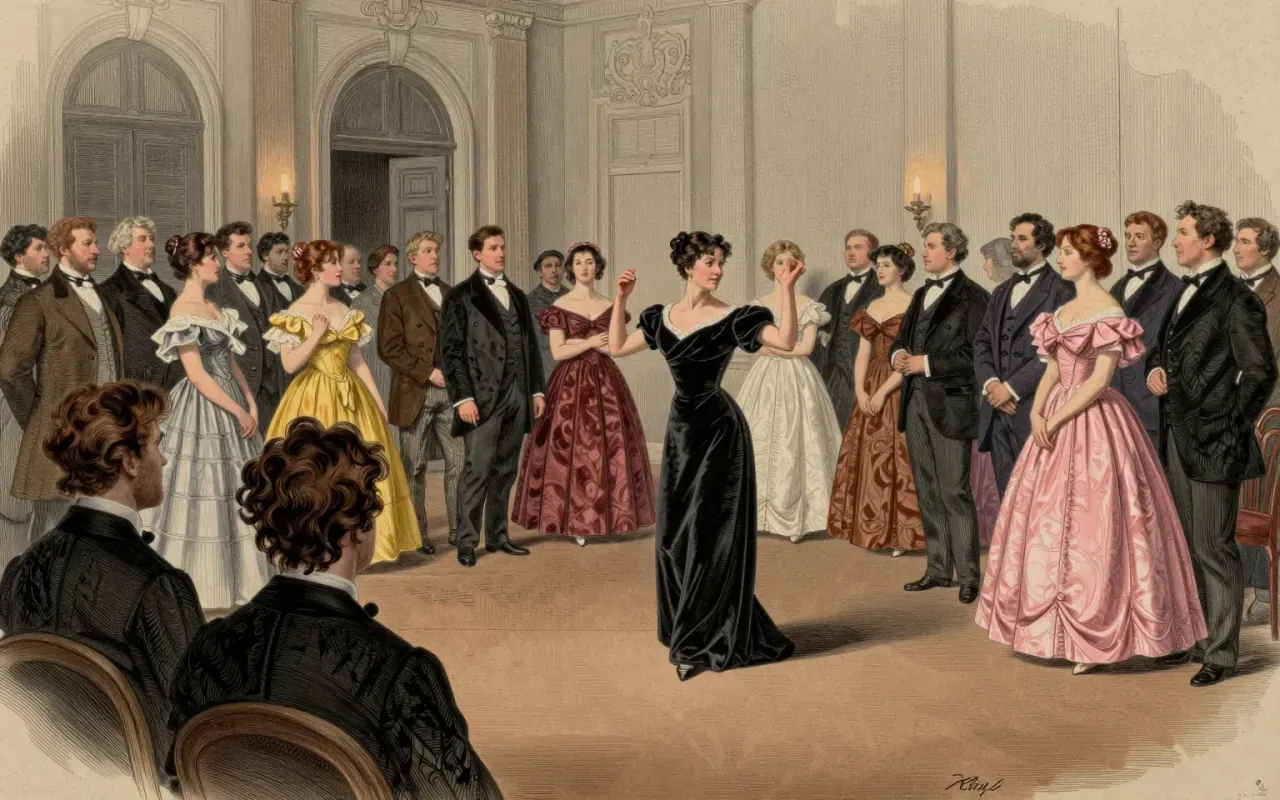
Anna Karenina

Leo Tolstoy · 1878

Tolstoy's 1878 novel follows multiple lives in Russian society—the affair between Anna Afremova and Count Vronsky, alongside Levin's marriage and search for meaning through farming. The book argues that domestic life is not private. Who you are is determined by the society around you, and defying it has a cost.
12:00

Do Androids Dream of Electric Sheep?

Philip K. Dick · 1968

Dick's 1968 novel sets up the century's central question about AI and consciousness. The brief covers Deckard's hunt for androids, the problem of empathy, and why the book never settles the question it asks.

14:00

Les Misérables

Victor Hugo · 1862

A fifteen-hundred-page novel set across early nineteenth-century France, from the Paris sewers to the barricades of the July Rebellion. The brief covers Valjean's redemption, the costs of poverty, and why Hugo believed the republic must include the poor.

12:00

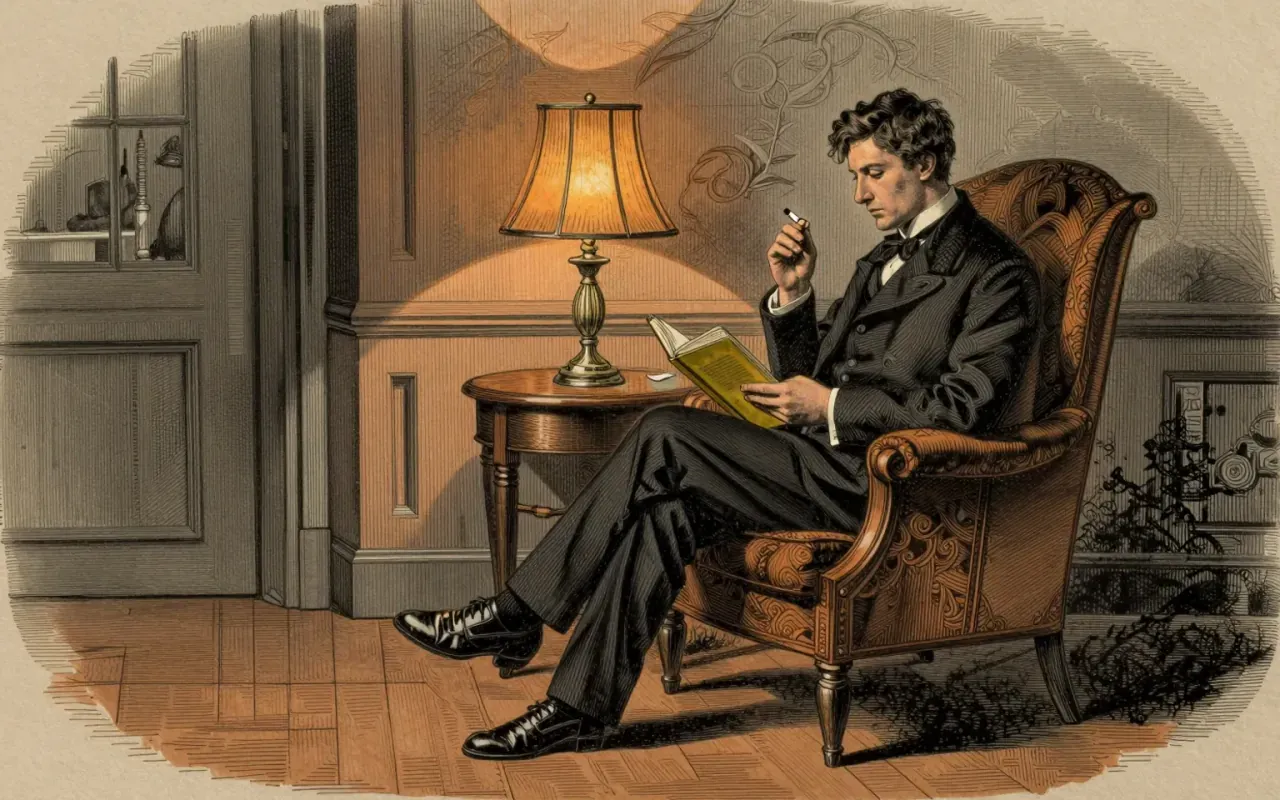
The Picture of Dorian Gray

Oscar Wilde · 1890

Wilde's only novel, 1890, a portrait that ages while its subject remains frozen at twenty-five. The brief covers the pact, the corruption, why the painting becomes the moral record the man refuses to be, and what breaks first.

11:00

The Trial

Franz Kafka · 1925

Kafka's unfinished novel about a man arrested without charges and caught in an impenetrable legal system. The brief covers what the trial actually investigates, the machinery of power behind the courts, Kafka's ambivalence about the work itself, and which chapters matter most.

12:00

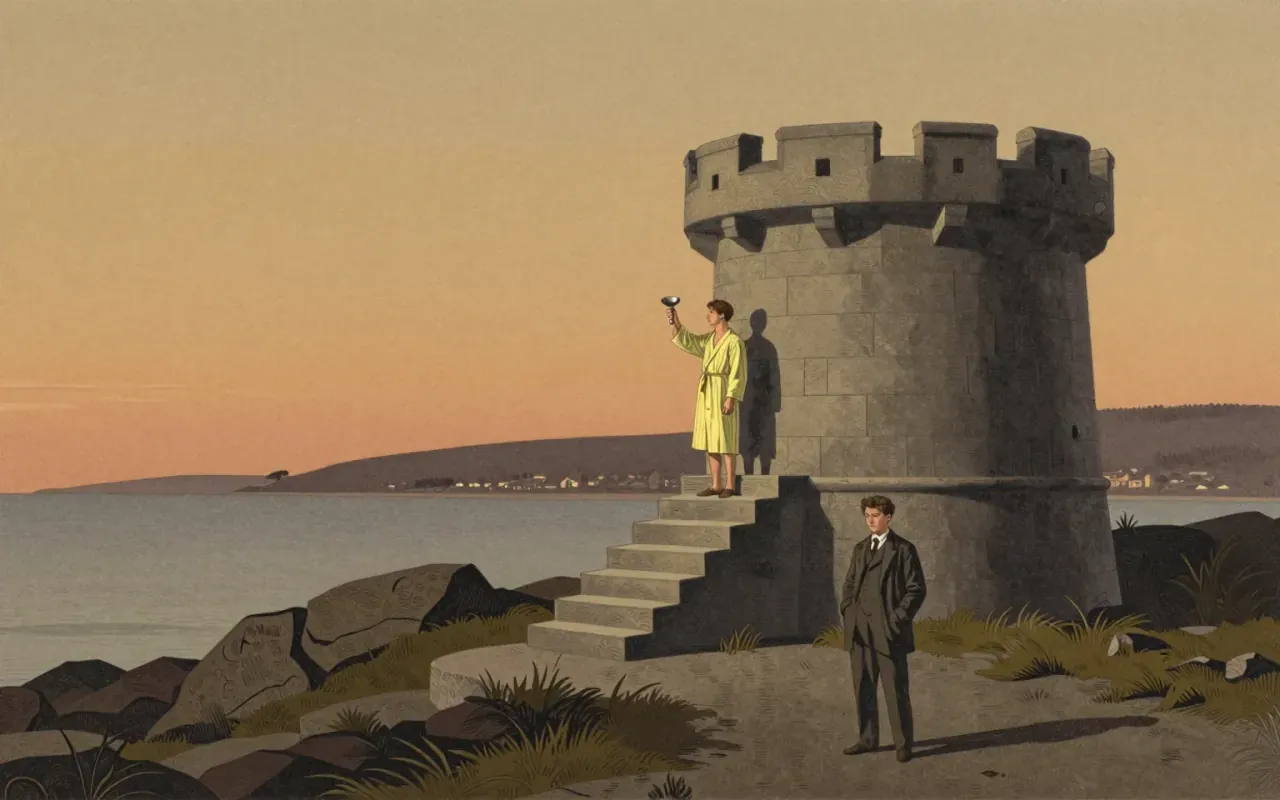
Ulysses

James Joyce · 1922

Joyce's 1922 novel narrates June 16, 1904 in Dublin through stream-of-consciousness prose and multiple narrative styles. At seven hundred and thirty pages, it has become the prototype for modernist difficulty, rewarding those who engage with its experimental form.