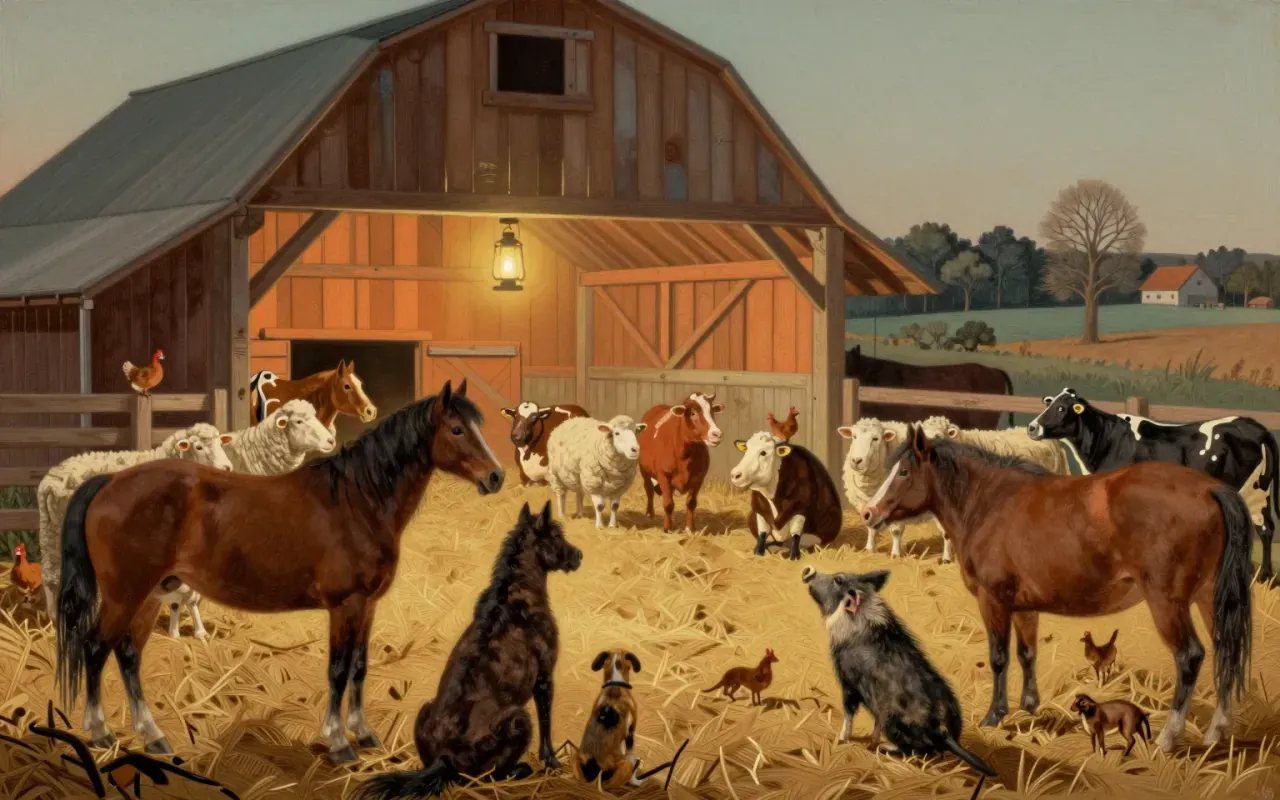
Animal Farm
George Orwell · 1945
Orwell's 1945 allegory of the Russian Revolution told through a farmyard coup. The brief covers the revolution, the factions, how the pigs consolidate power, and why it reads as a prophecy more than fiction.
Classics re-read with present-day eyes: what still holds, and what has aged.
23 briefs · 269 minOrwell's 1945 allegory of the Russian Revolution told through a farmyard coup. The brief covers the revolution, the factions, how the pigs consolidate power, and why it reads as a prophecy more than fiction.
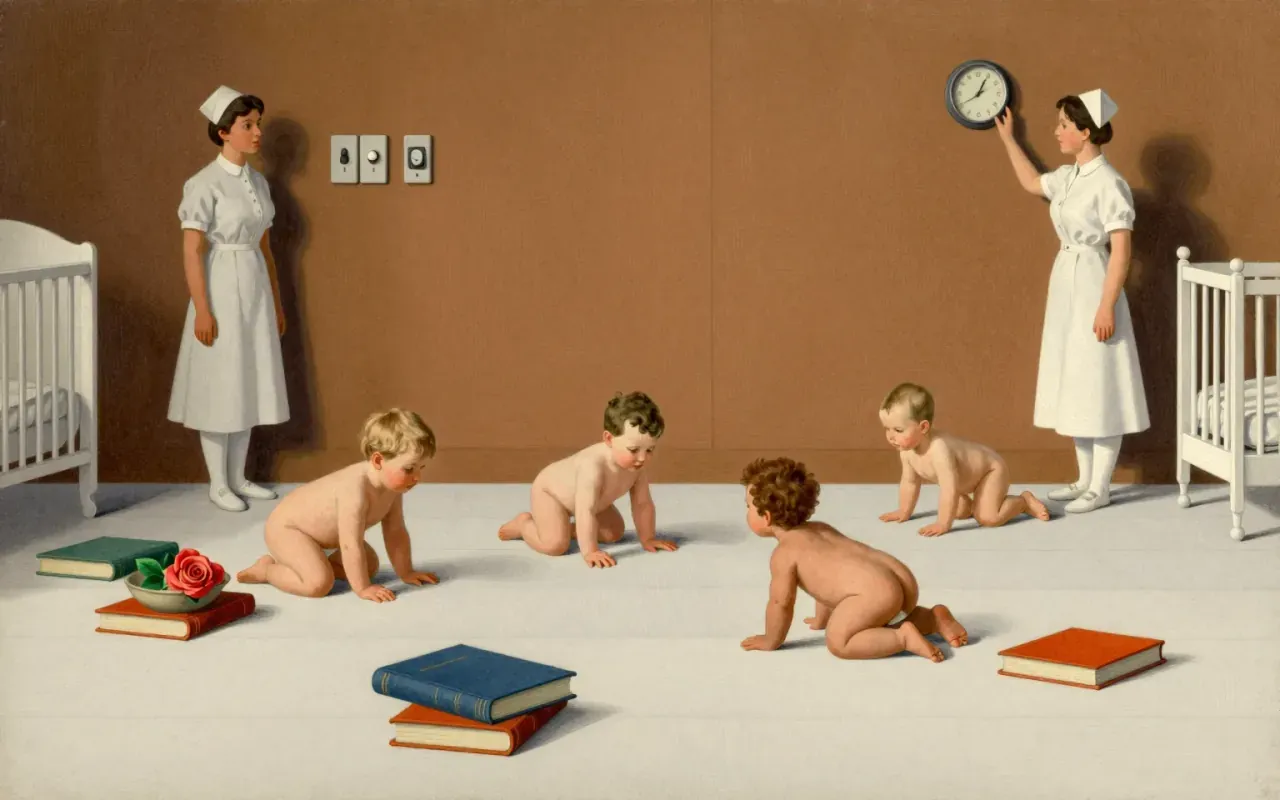
The 1932 novel describes a future where stability is engineered through biological castes, pleasure drugs, and psychological conditioning. It poses a question harder to refute than mere tyranny—what if contentment and freedom are irreconcilable?
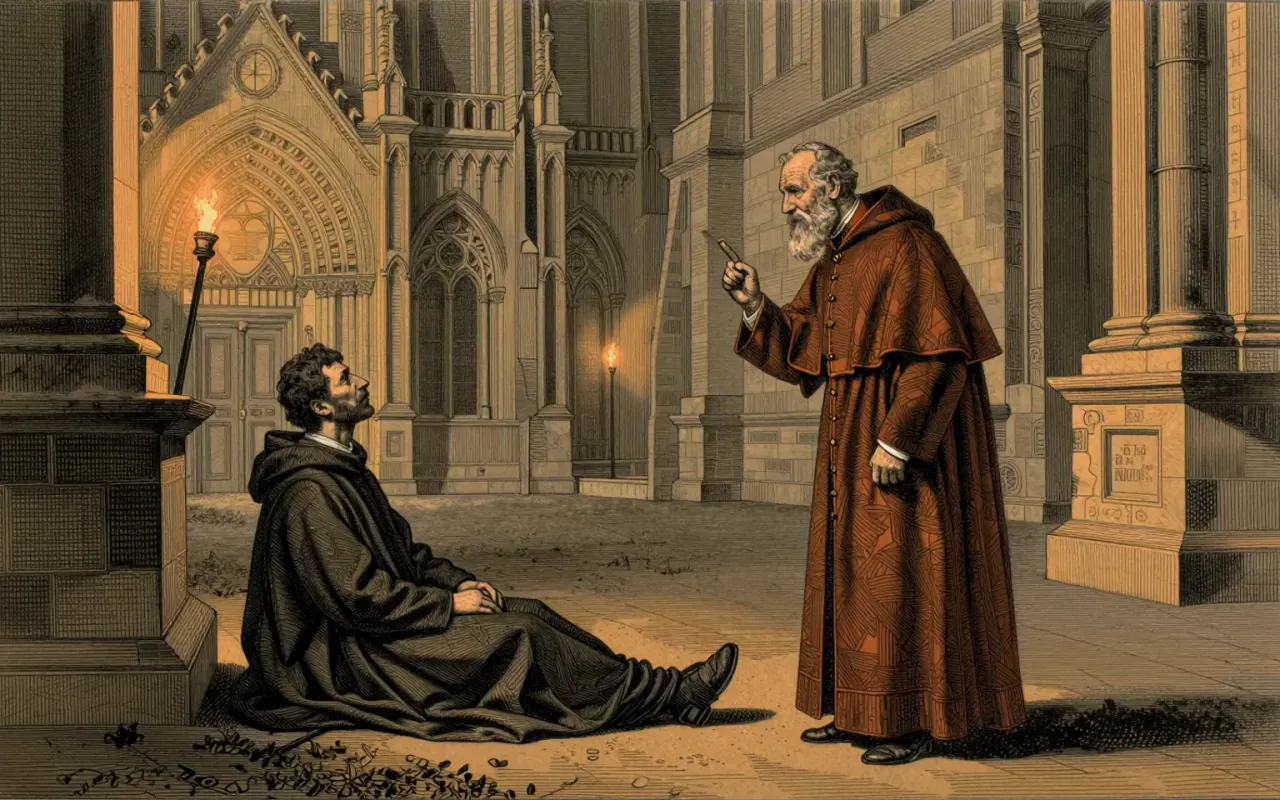
Dostoevsky's 1880 novel follows four brothers and their father's death, but treats the murder trial as a setup for Ivan's philosophical challenge to God and Alyosha's search for redemption. The book demands the reader inhabit uncertainty rather than resolve it.
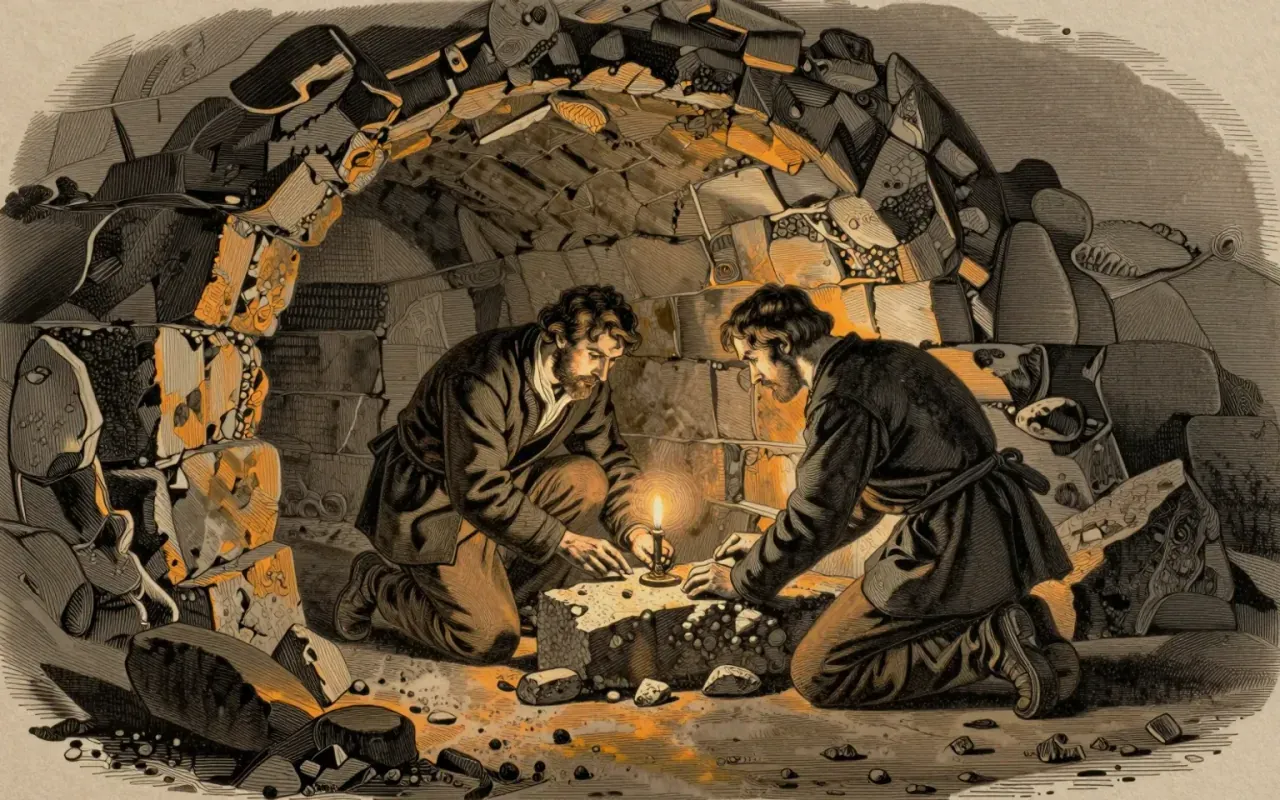
Dumas's 1844 novel follows Edmond Dantès from his wrongful imprisonment in the Château d'If through his escape and transformation into the Count of Monte Cristo. A masterwork of plot, it balances elaborate revenge with questions about justice, retribution, and mercy.
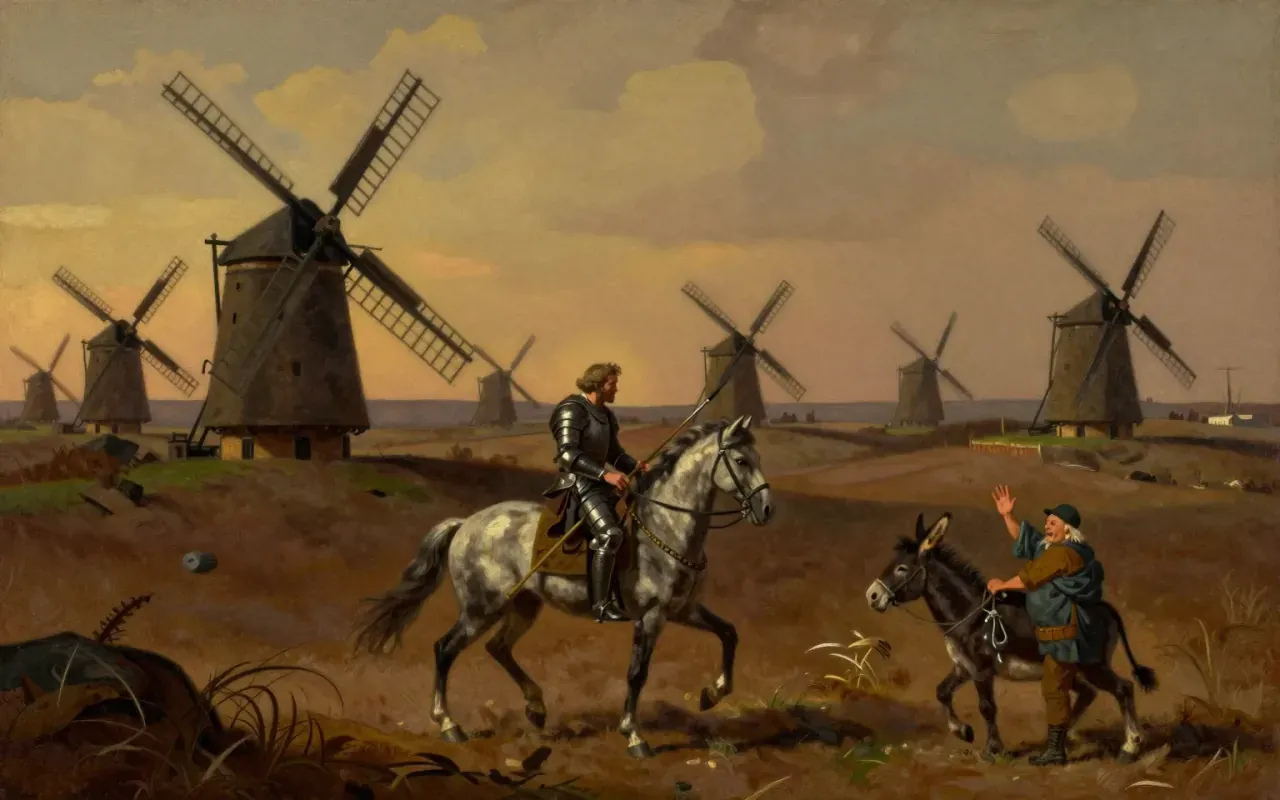
Cervantes's 1605 novel follows Don Quixote, a minor Spanish nobleman driven mad by chivalric romances who sets out as a knight-errant with his servant Sancho. The brief covers the opening madness and the machinery of the book, what makes it a satire of narrative itself, and which parts can be skipped.
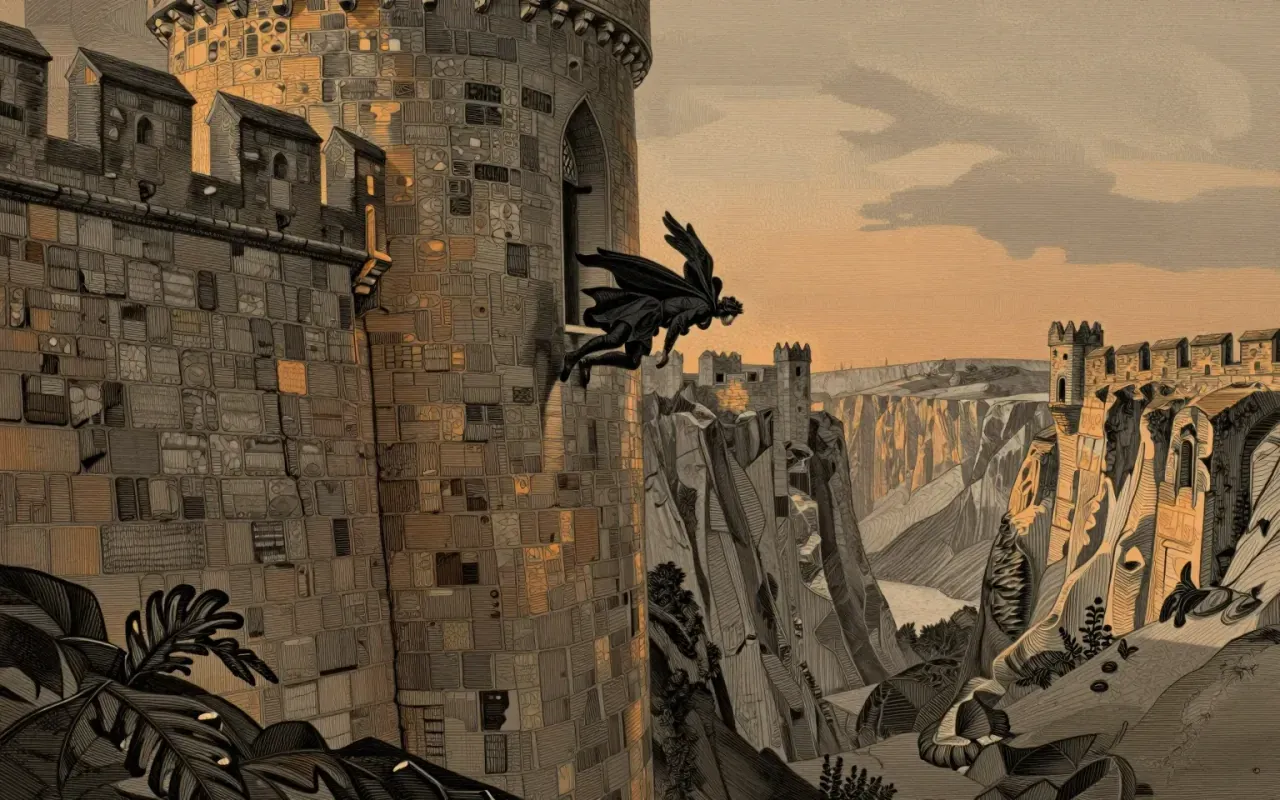
Stoker's 1897 novel, told through letters and journal entries, documents Count Dracula's attempt to establish himself in England and the small group that opposes him. The book's format is unwieldy but its construction is precise; the creature feels inevitable and the humans feel outmatched.
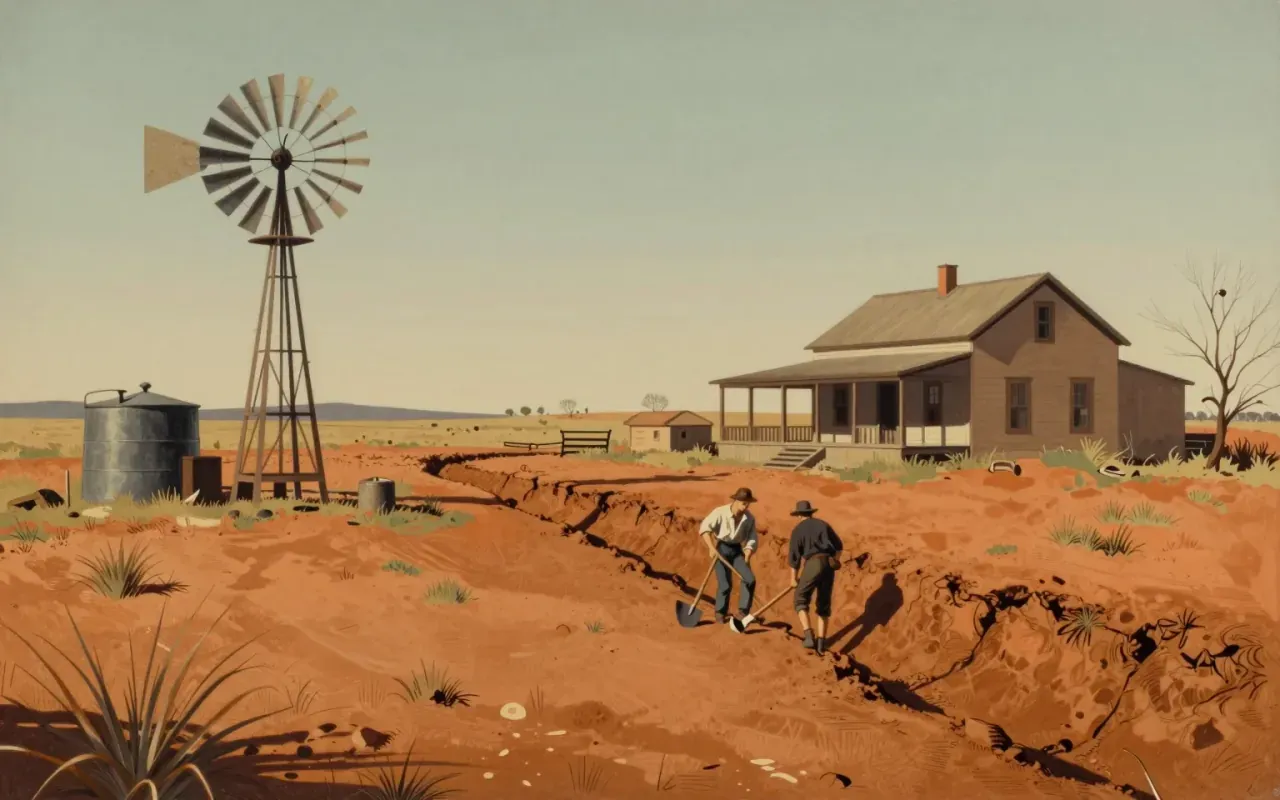
Steinbeck's 1952 masterpiece spans generations in California's Salinas Valley, following the Trask and Hamilton families through cycles of moral struggle. The brief covers the dual narrative structure, the philosophy of timshel (the ability to choose your nature), and why this is Steinbeck's most ambitious work.
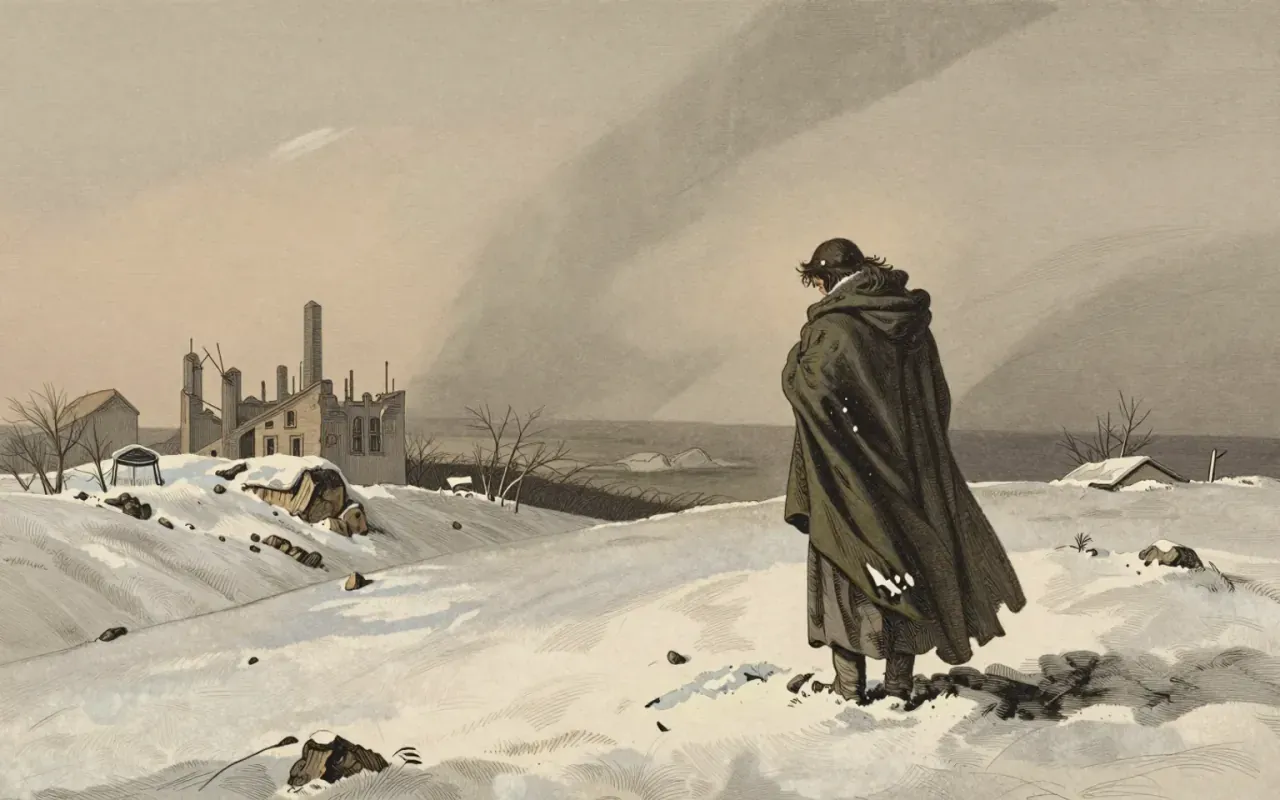
Frankenstein is a cautionary gothic tale about the perils of unchecked scientific ambition. The novel follows Victor Frankenstein’s obsessive quest to animate life, the creature’s thirst for vengeance, and the moral fallout for all involved. The brief argues the book’s core is a warning about hubris, while pointing out its dated prose and moral ambiguity.
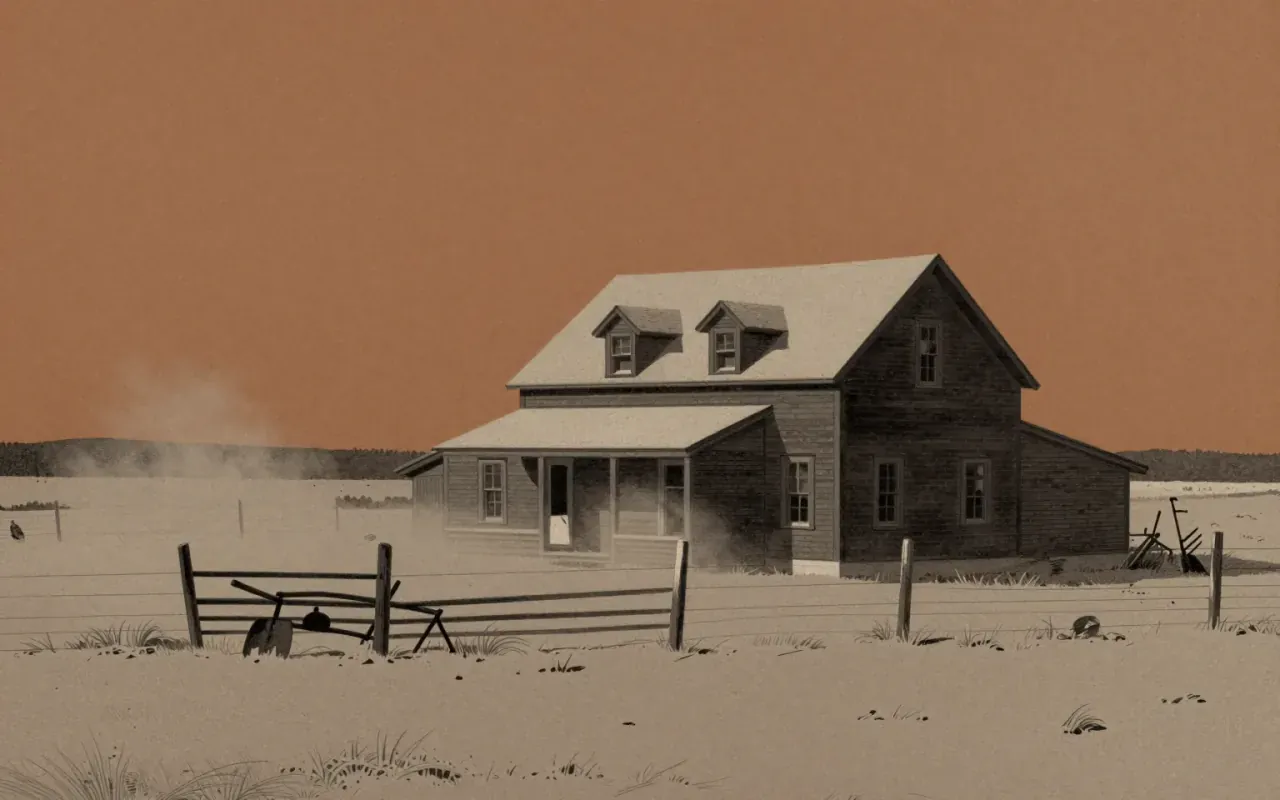
Steinbeck follows the Joad family from Oklahoma to California during the Great Depression. The novel argues that personal survival alone is meaningless; consciousness must shift from individual to collective. Its ending insists that dignity lies in solidarity.
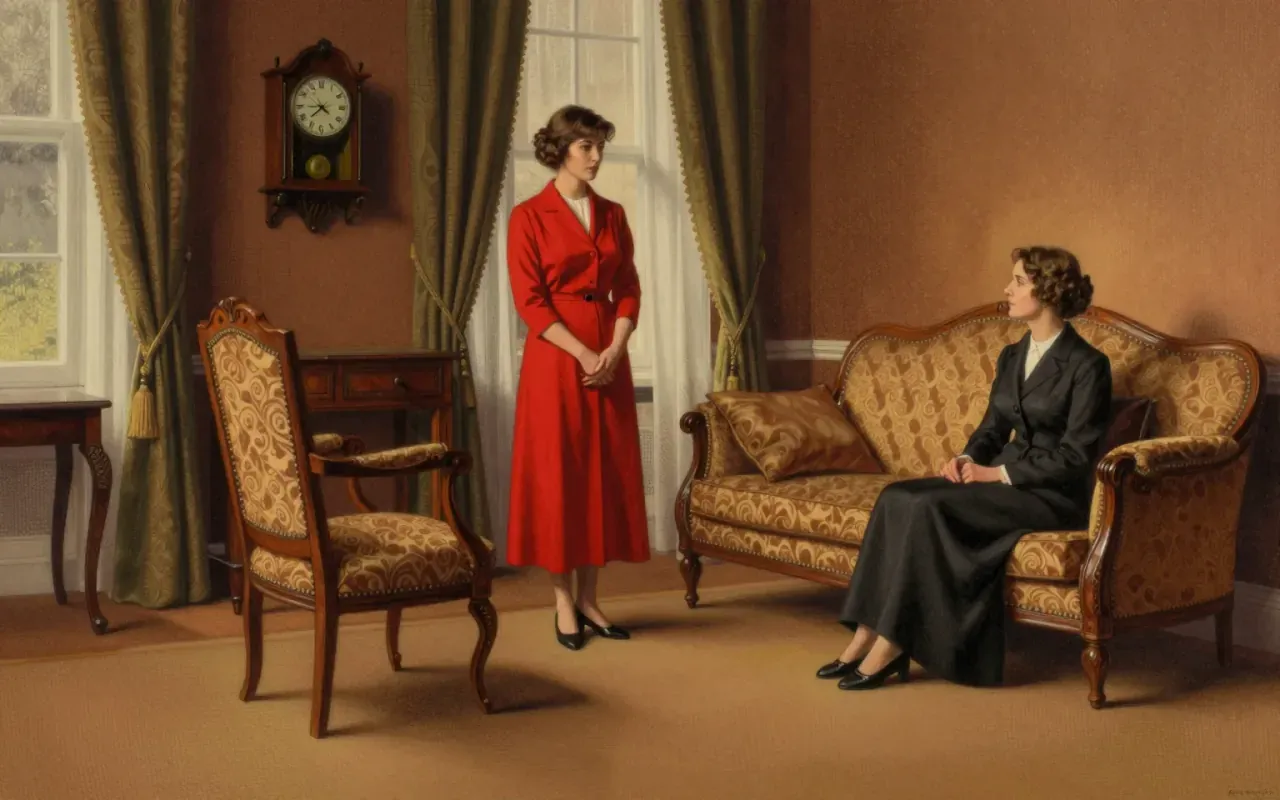
Atwood's 1985 novel follows Offred, a handmaid in the Republic of Gilead, forced to bear children for state-sanctioned rulers. It is a precise anatomization of power, gender, and the small rebellions that survive totalitarianism.
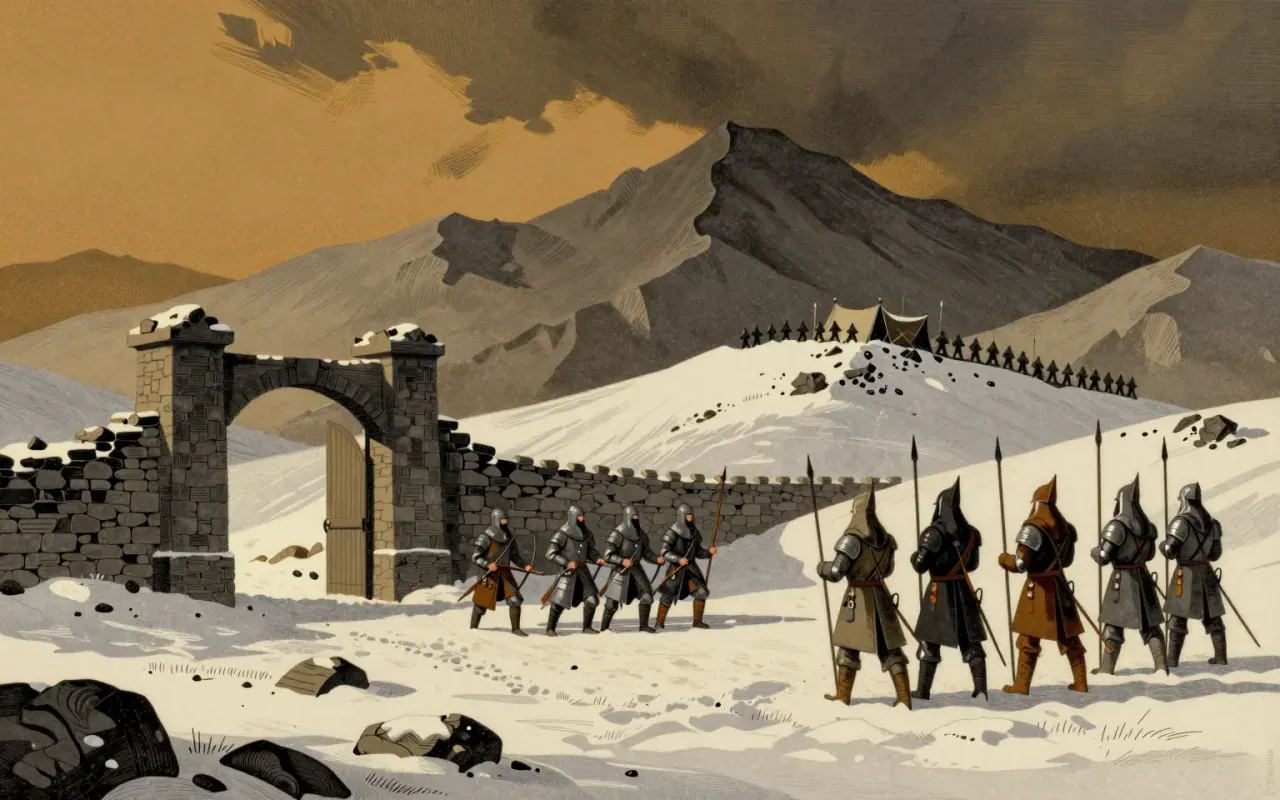
Tolkien's 1937 prequel to The Lord of the Rings, in three hundred pages of a simpler world. The brief follows Bilbo from his armchair to the dragon's hoard, then explains why LOTR fans often miss what makes this book work on its own.
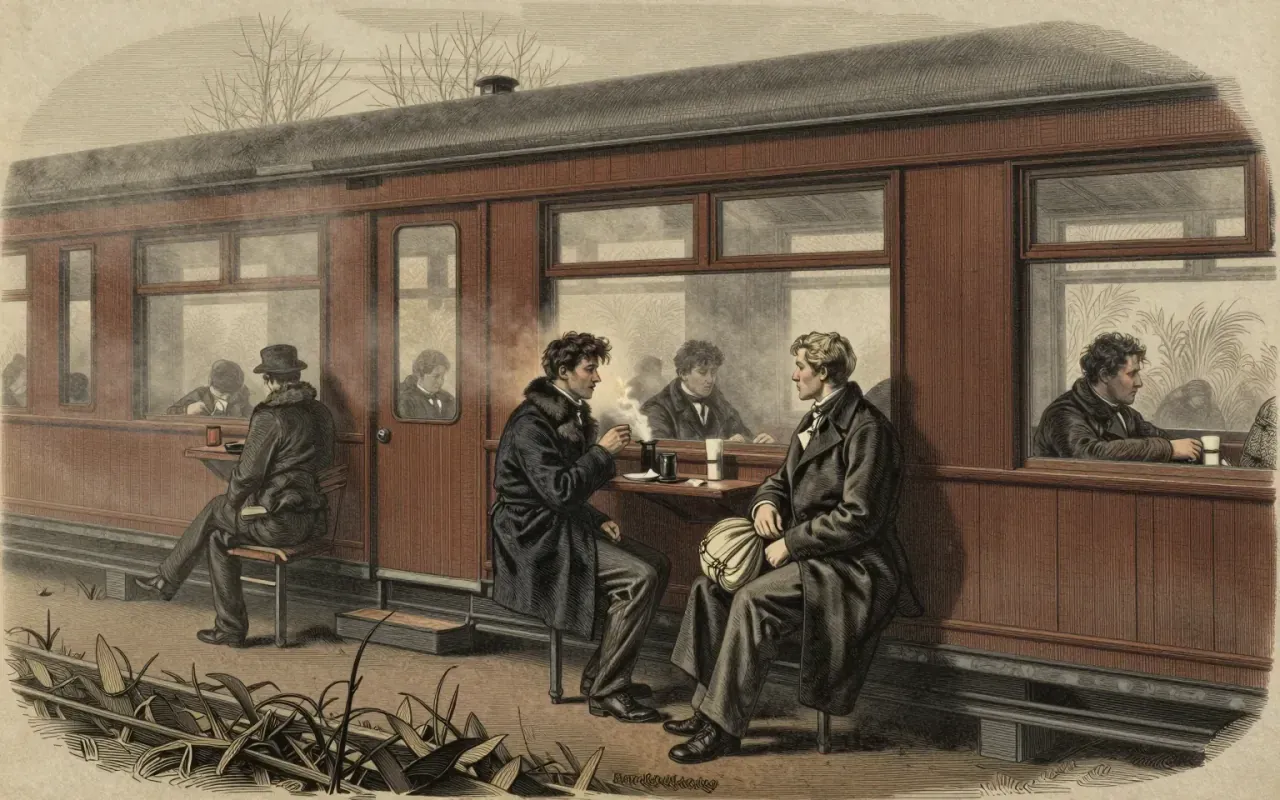
Dostoevsky's 1869 novel follows Prince Myshkin, a man of genuine virtue in a corrupt Russian society, as his innocence collides with greed, vanity, and cruelty. The novel treats moral purity as a defect, not an ideal, and offers no redemption for it.
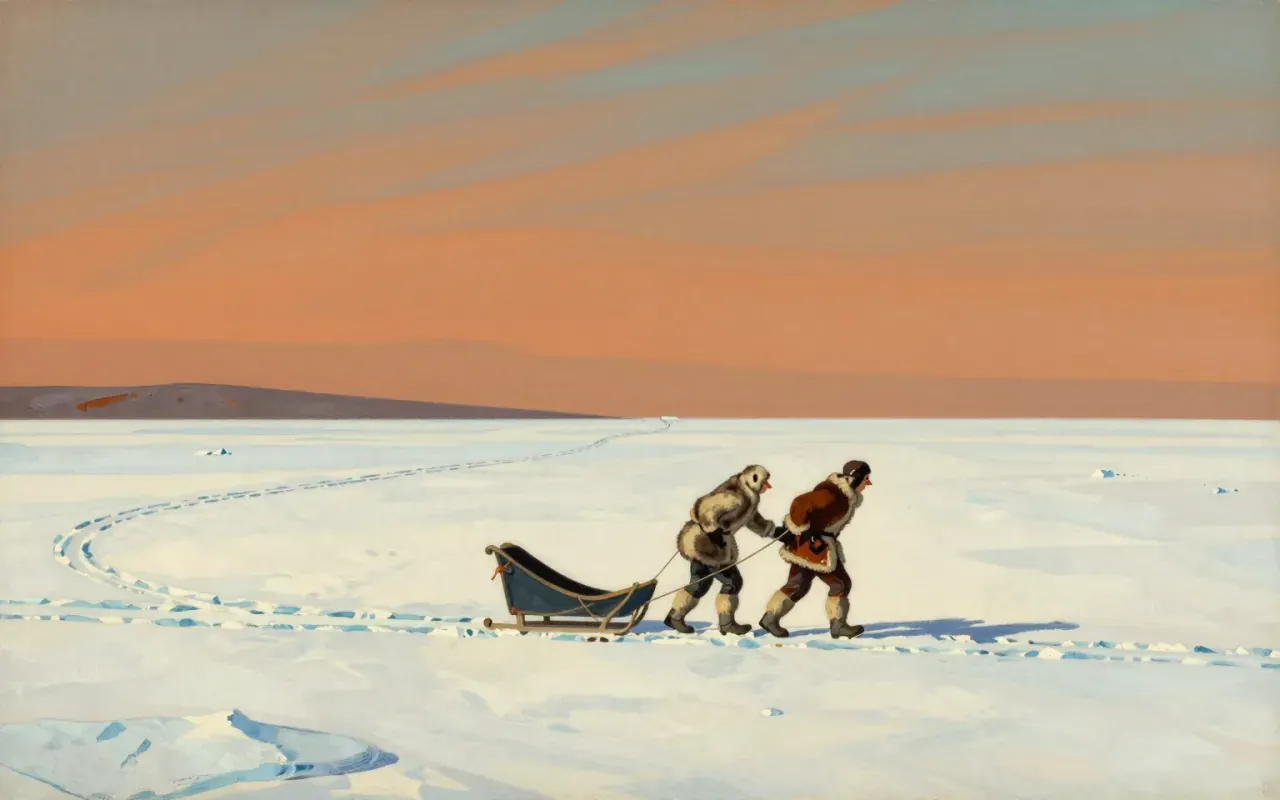
Le Guin's 1969 novel constructs a gender-free society and uses it to strip away assumptions. The brief covers why Gethen matters, what the gender premise actually reveals, and the survival plot that forces intimacy between adversaries.
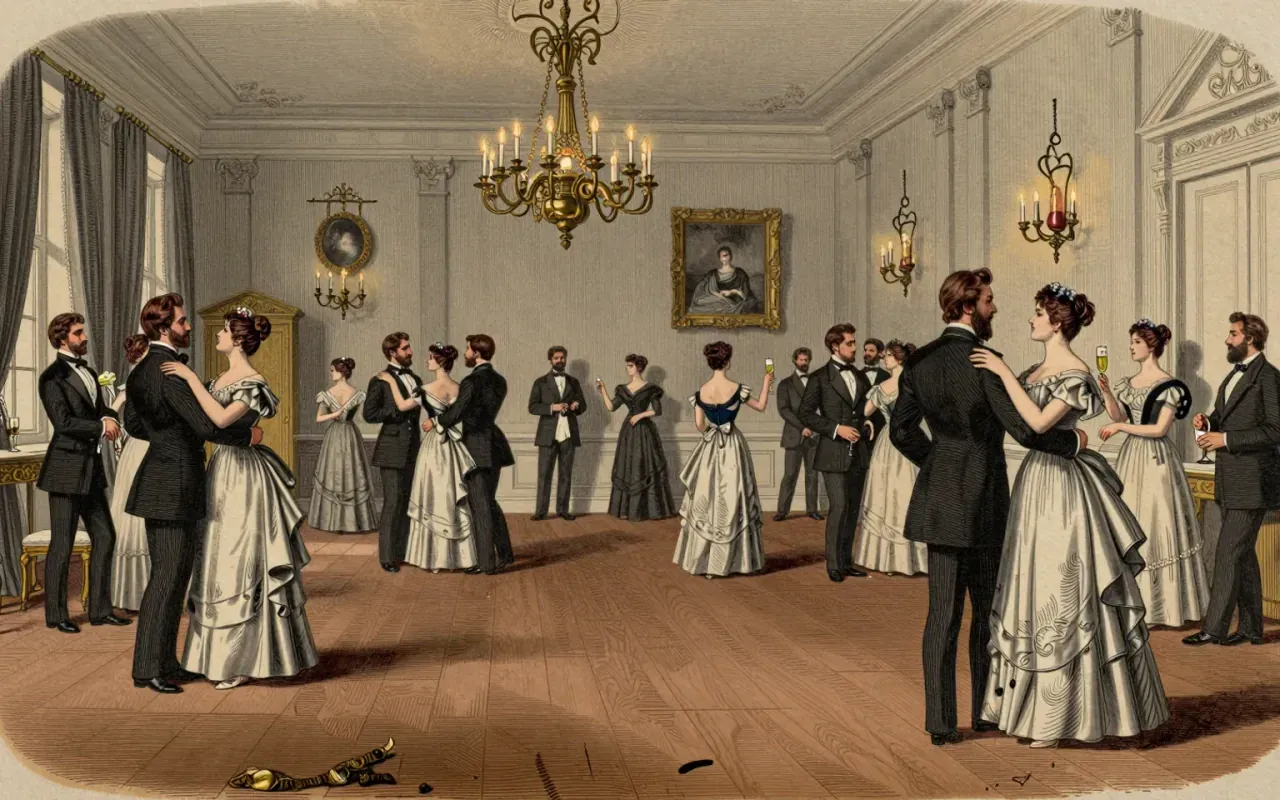
Flaubert's 1856 realist novel set in provincial France. Emma Bovary, educated beyond her station, pursues romantic fantasies that her actual life—marriage to a dull country doctor—can never deliver. The book is about how desire becomes destructive in a world that offers no outlet for it.
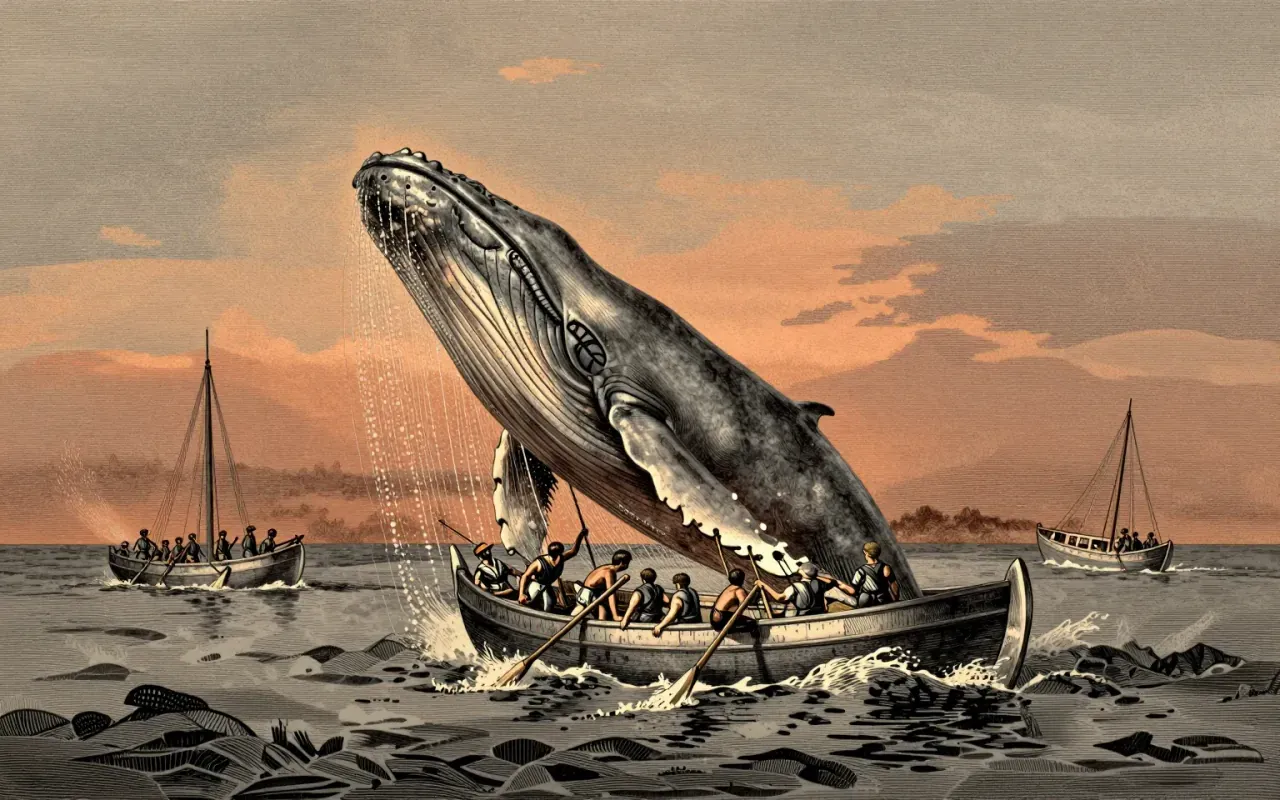
Melville's 1851 whaling epic told from the deck of the Pequod. The brief covers the three days of the chase that end the book, the characters who live it, and why reading only the whale hunt means missing the long argument that precedes it.
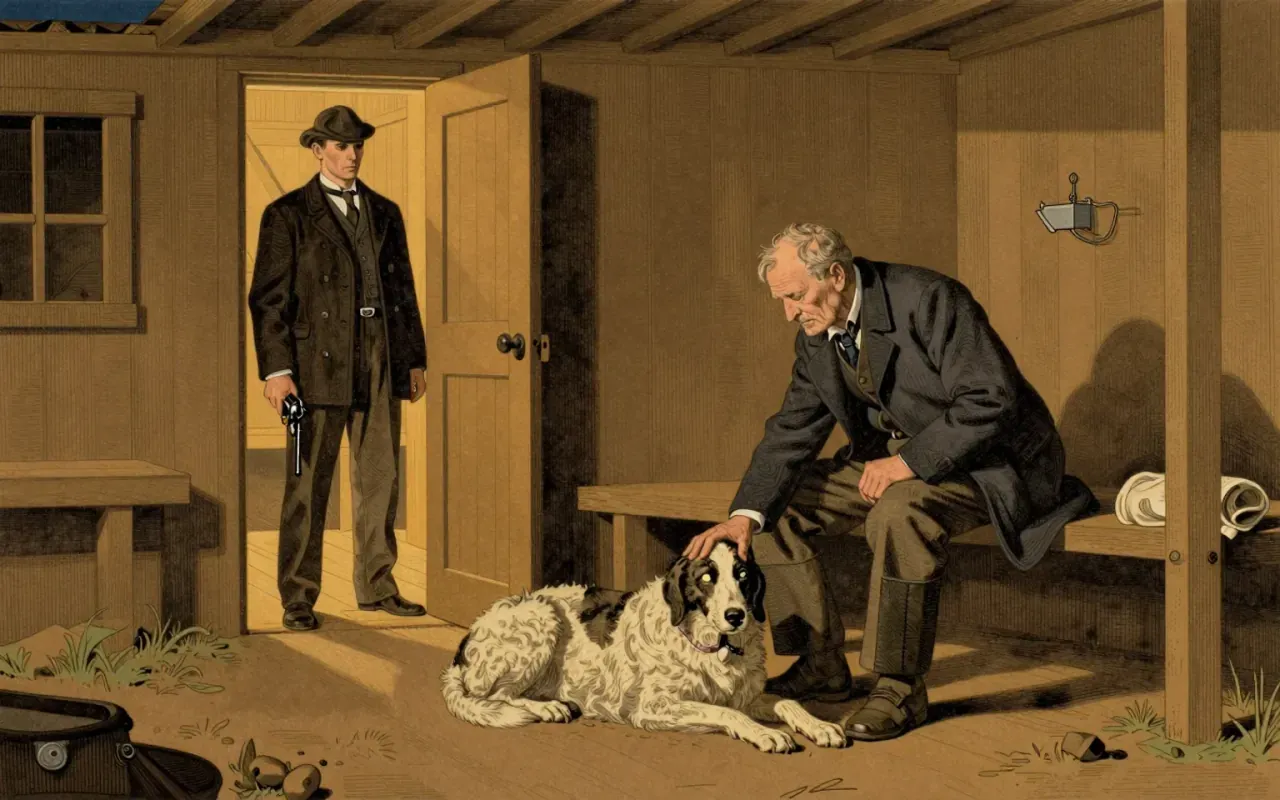
Steinbeck's novella in a hundred pages about George and Lennie, migrant workers during the Depression, and what happens when a dream meets the world. The brief covers their plan and why it fails, then the impossible choice at the end.
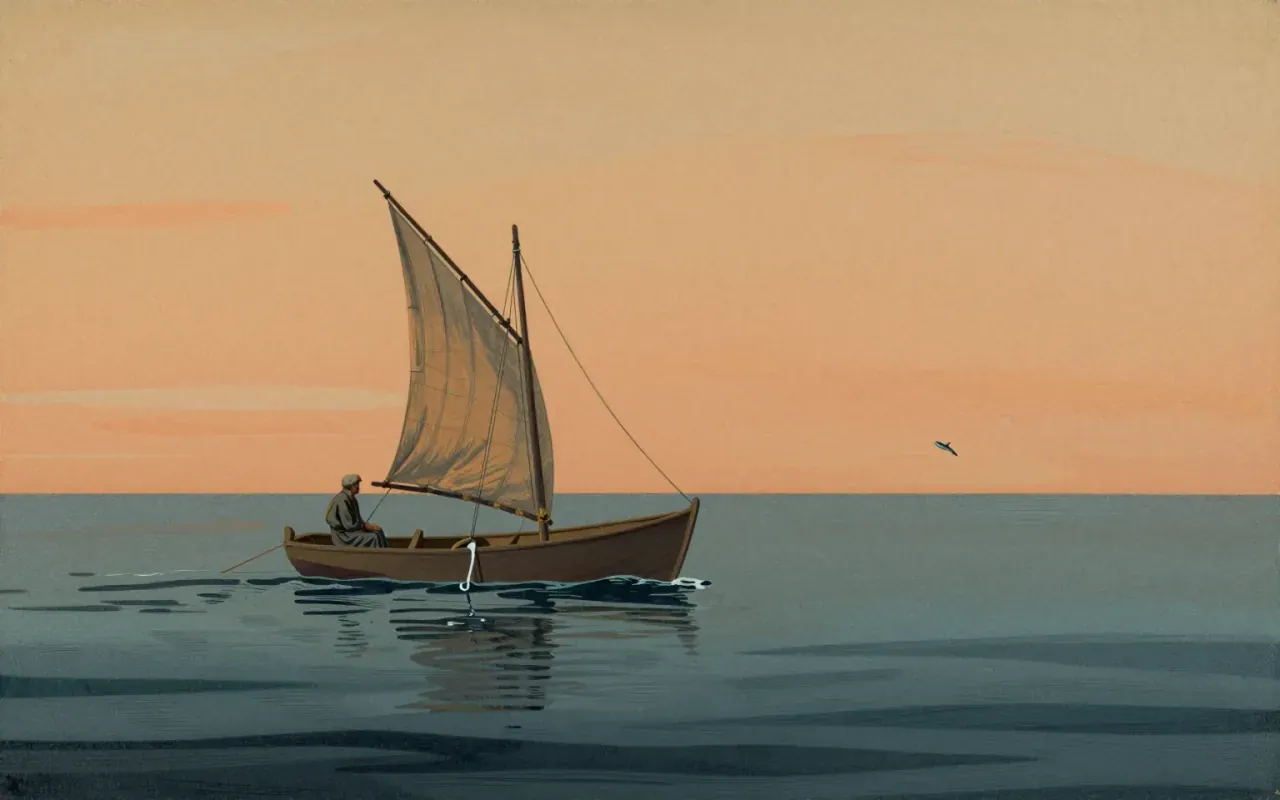
Santiago, an aging Cuban fisherman who hasn't caught anything in 84 days, hooks a giant marlin and fights it for three days. When he finally lands it, sharks strip his prize to a skeleton. Hemingway's spare prose turns the ordeal into a study of human will against indifference.
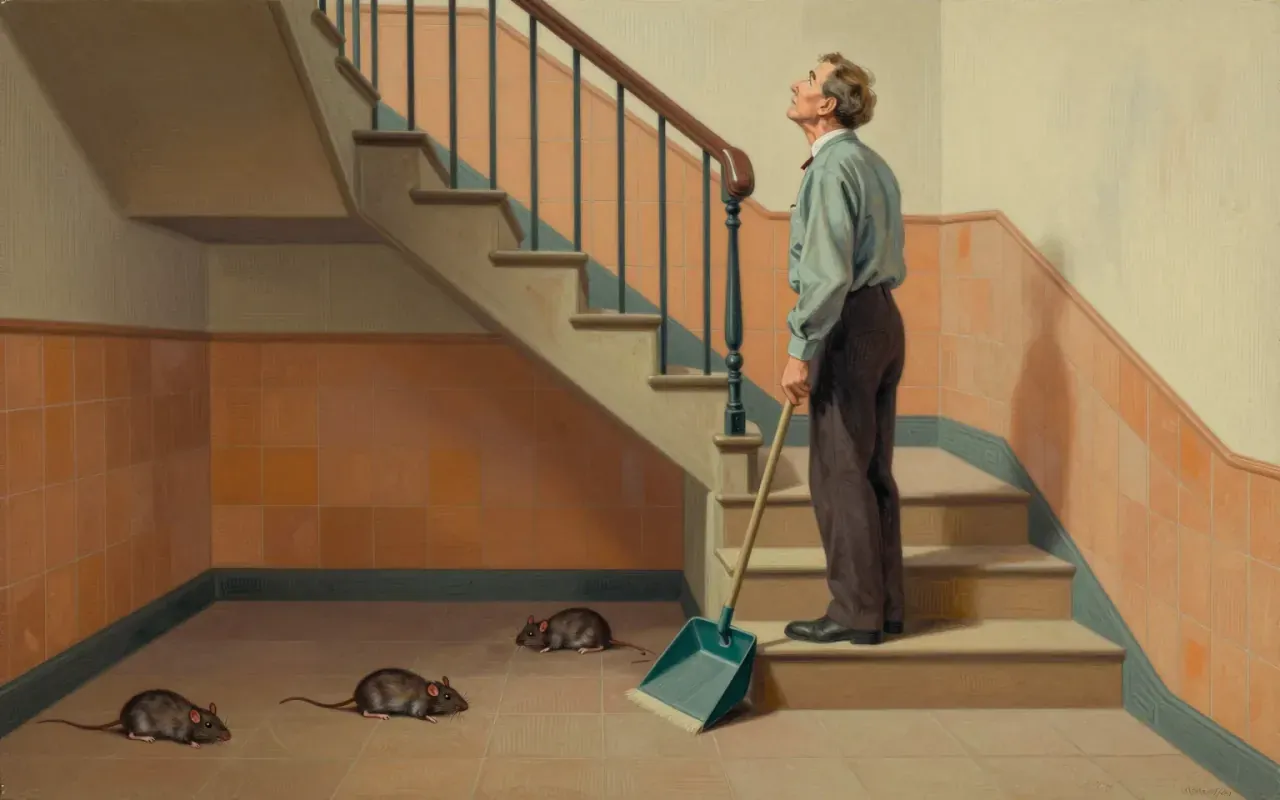
Camus's 1947 novel of collective crisis. It's not really about a plague: it's an essay on solidarity, responsibility, and what keeps you acting when survival makes sense but meaning does not.
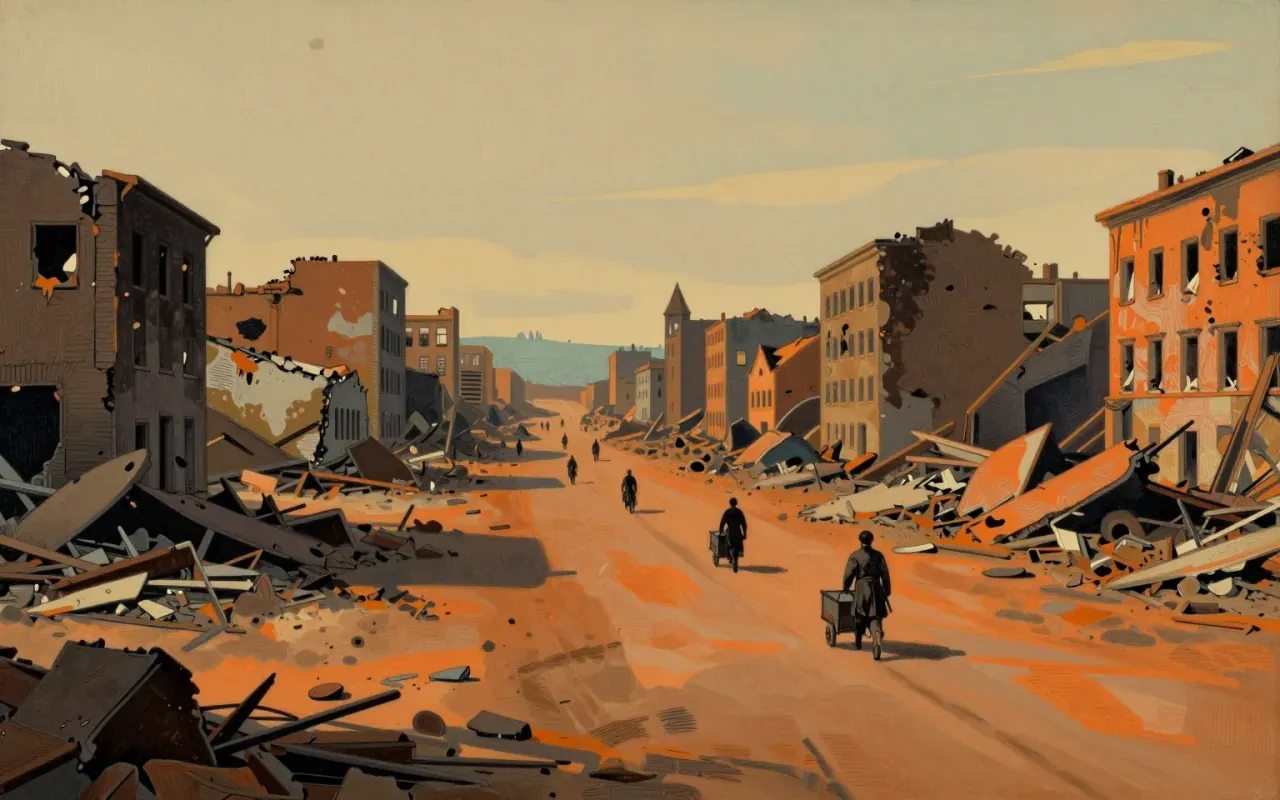
Vonnegut's 1969 novel splices autobiography with science fiction to make the firebombing of Dresden absurd instead of tragic. The book moves through time, skipping freely across a life that has already happened, all of it equally real and equally present.
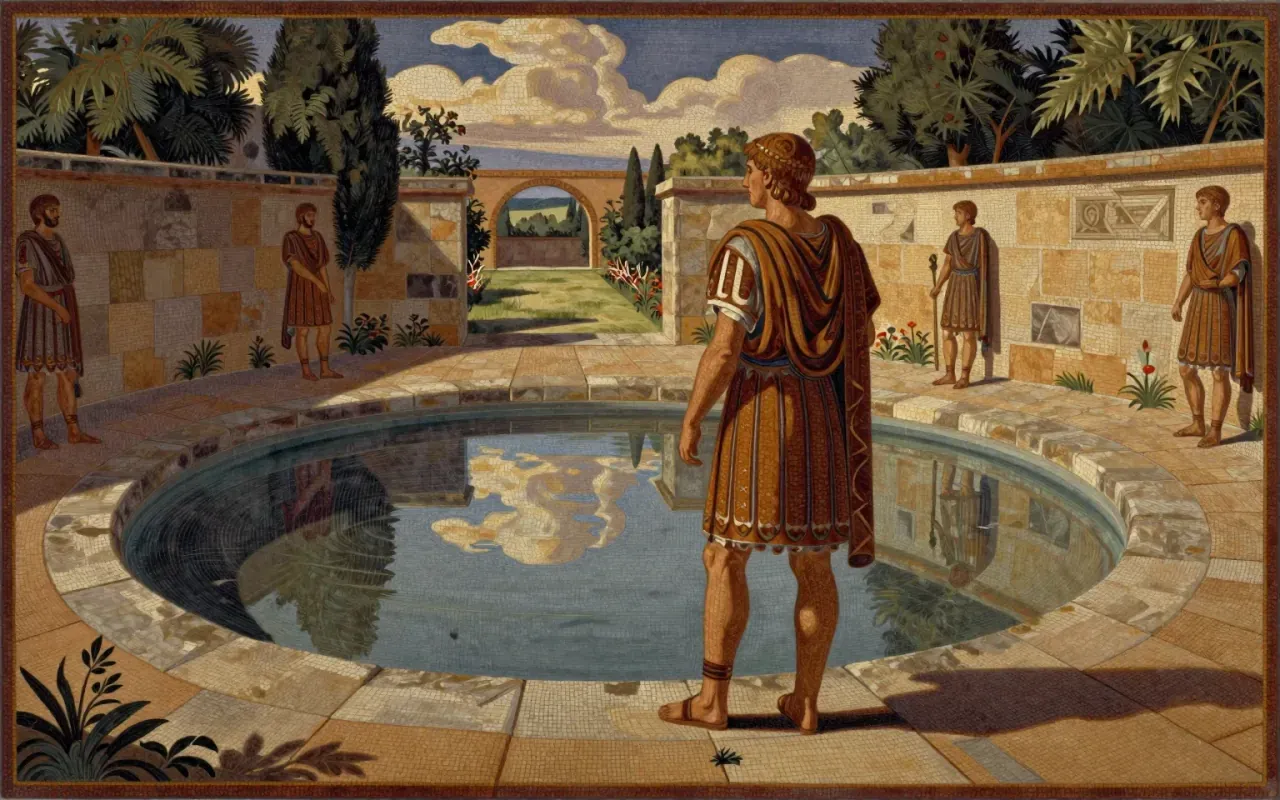
Private notes by a Roman emperor, never meant to be read. The brief explains what Stoicism actually asks of you, which translation to pick, and why the book works better in fragments than front to back.

Dawkins reframes natural selection from the gene's point of view and, in one chapter, coins the word meme. The brief covers the gene's-eye view, why the title misleads, and where the argument has been refined since 1976.

Camus's first novel in a hundred and twenty pages of flat, exact prose. The brief covers the plot in one minute, the absurd in three, and why the trial is the real subject of the book.

Herbert wrote Dune to show what happens when a population gets the hero it wants. The brief covers the ecology, the politics, why the second half is faster than the first, and whether to stop after book one.