booksbriefs
Filter

Long reads

Over 500 pages. The brief tells you whether the length is earned.

21 briefs · 281 min
14:38

The Adventures of Tom Sawyer, Complete

Mark Twain · 1910

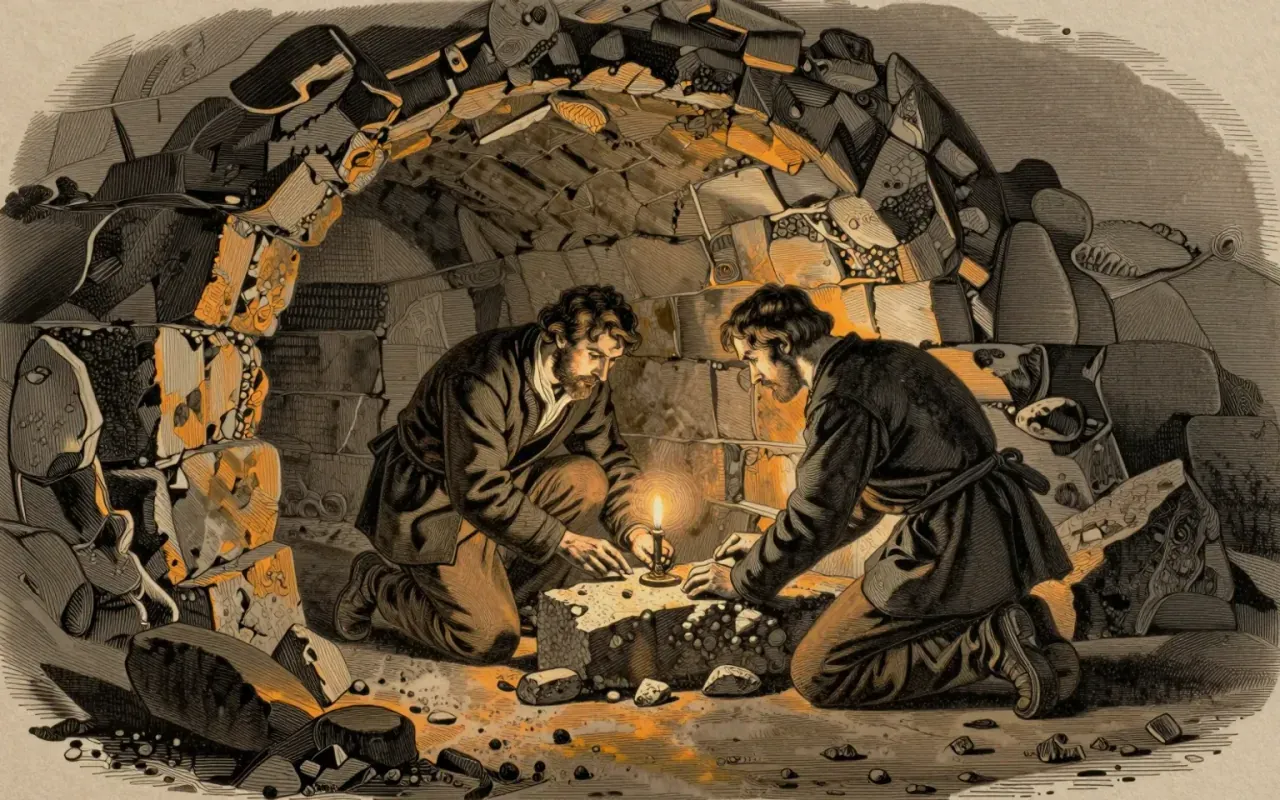
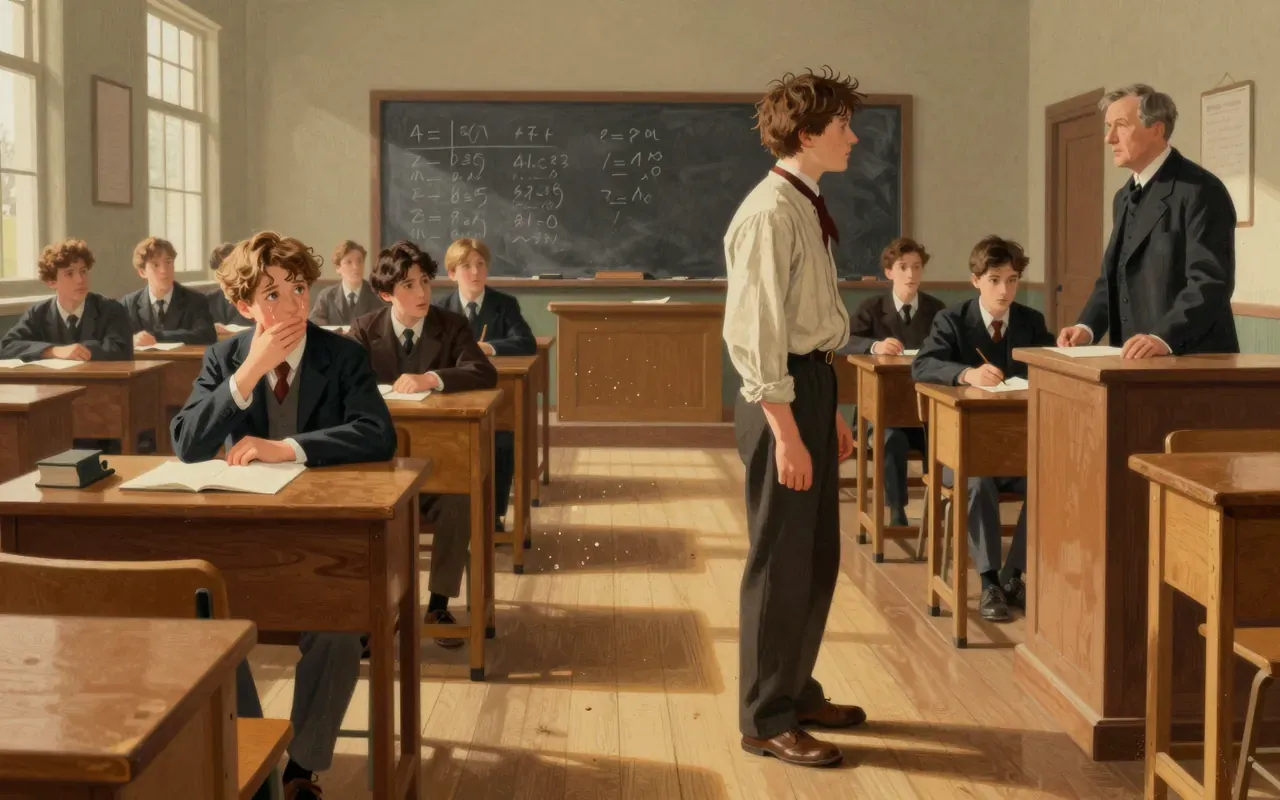
Twain’s 1876 novel treats childhood as a site of real moral risk—not innocence, not corruption, but constant negotiation. Tom’s fence-whitewashing, blood oath, courtroom testimony and cave ordeal are not adventures but ethical trials. The book works best in its sharpest scenes: Ch. II, XX, XXXI and XXXIII. Skip the editor’s introduction and the slower interludes.
13:42

Barren Ground

Ellen Anderson Gholson Glasgow · 1925

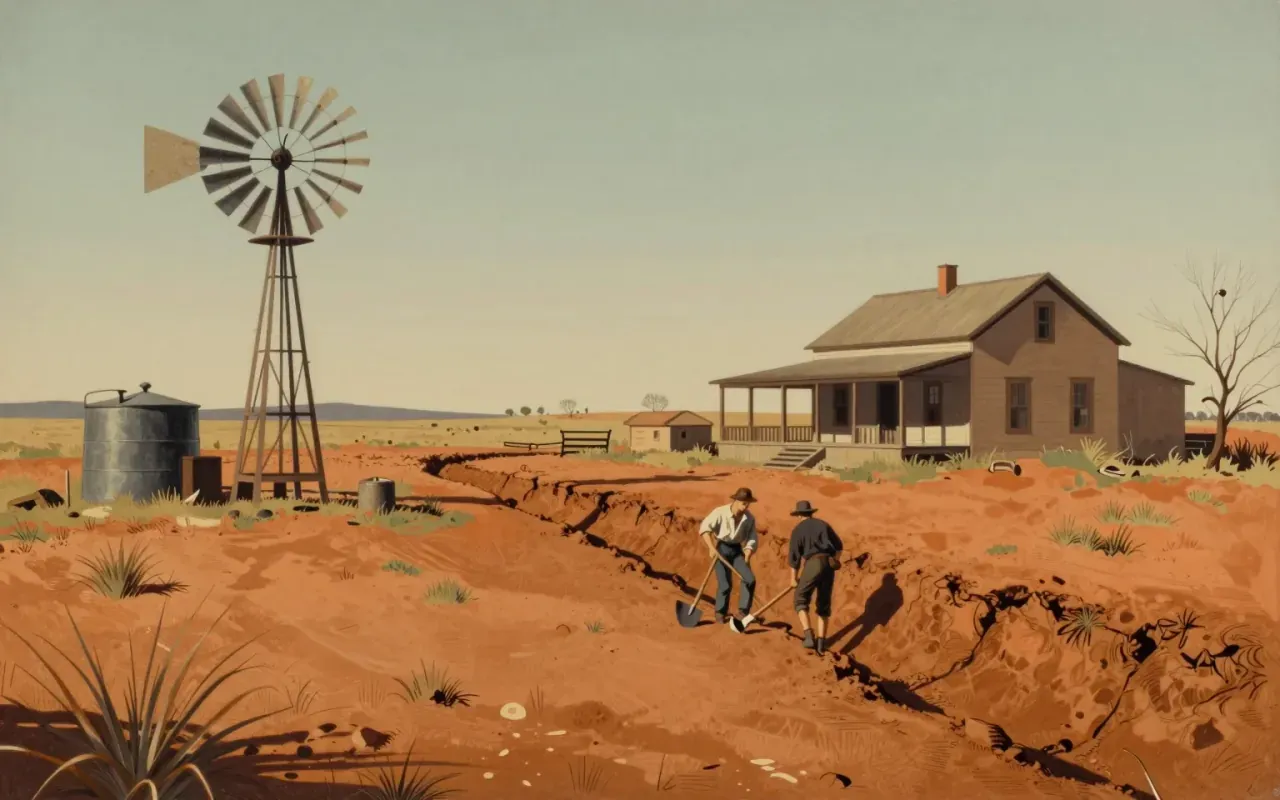
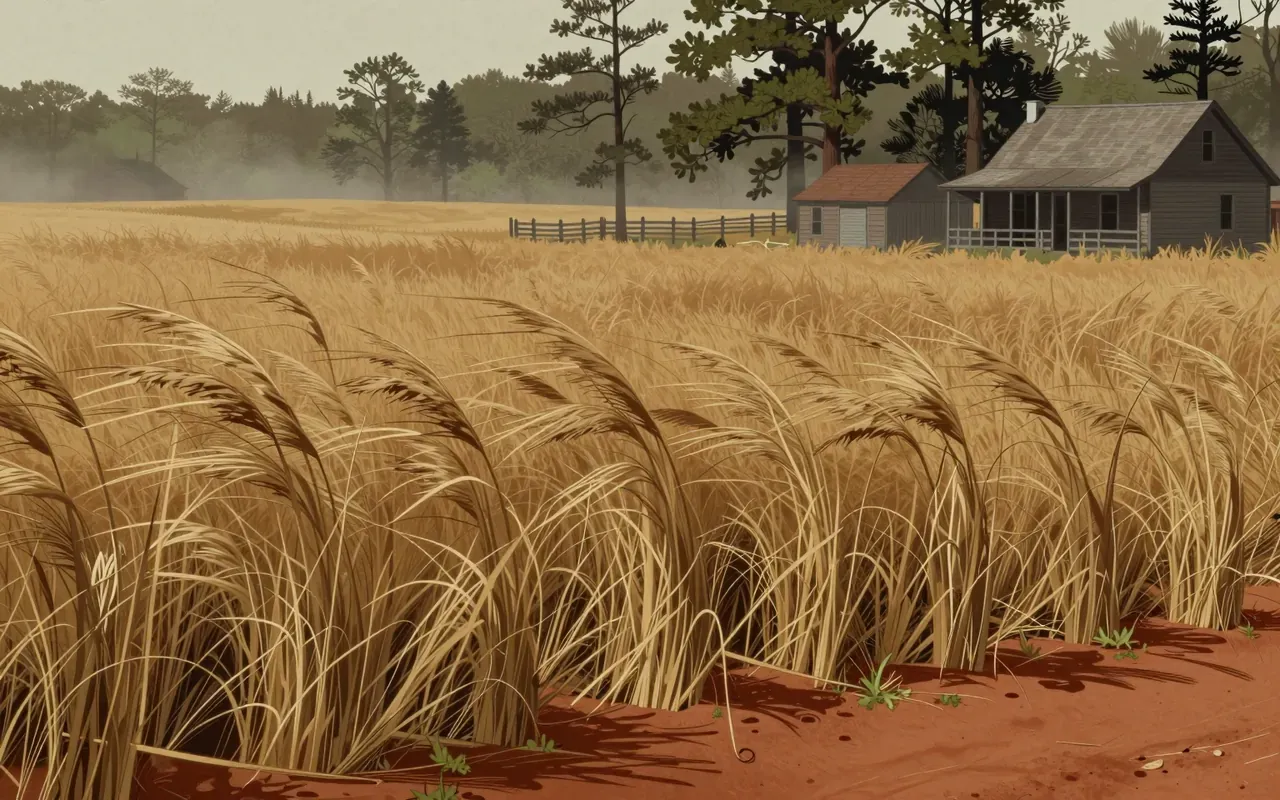
Barren Ground rejects romantic redemption. It follows Dorinda Oakley from betrayed youth to stoic middle age, arguing that endurance—not love—is the land’s only reward. The book’s power lies in its refusal of catharsis: Jason’s ruin is physical erasure, not tragedy; Dorinda’s grief is for love she never had, not love she lost.

14:28

The Betrothed

Alessandro Manzoni · 1800

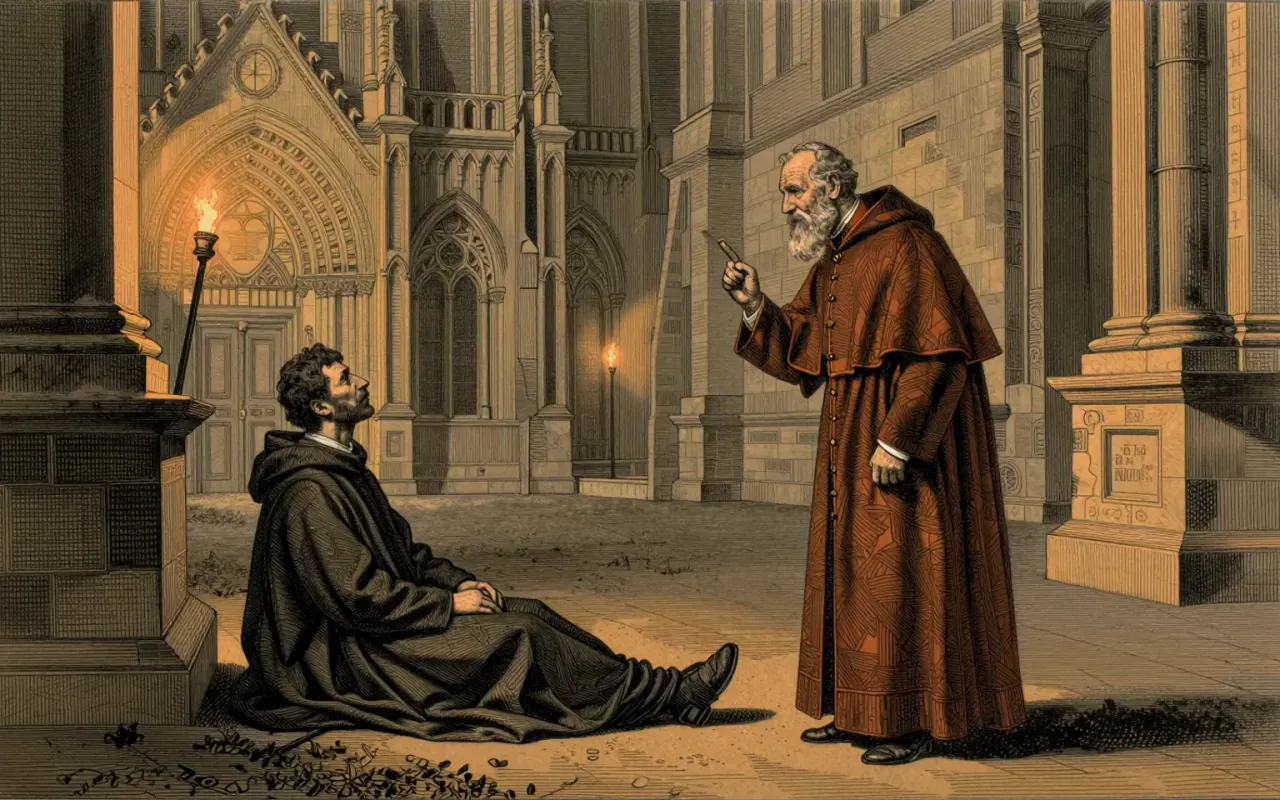
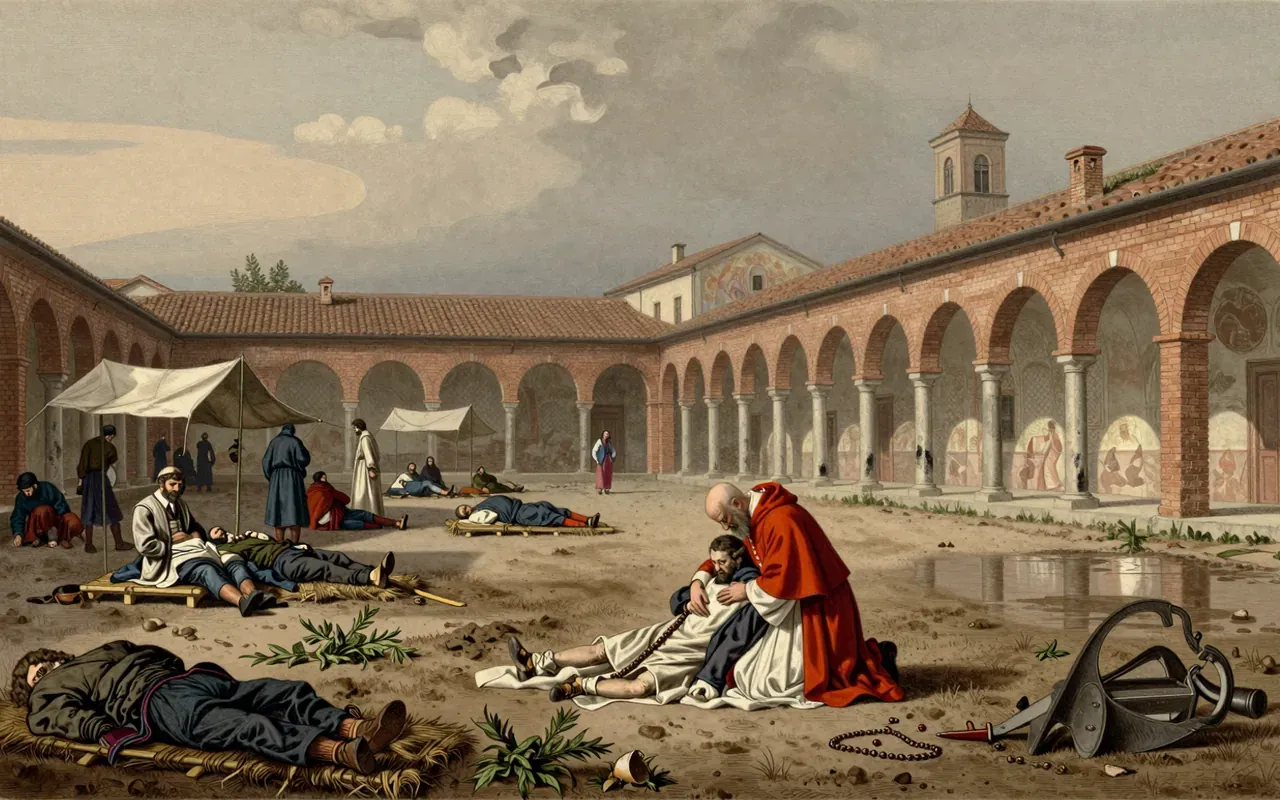
The Betrothed argues that grace arrives through vulnerability, not doctrine. Lucy’s suffering breaks the Unknown’s will. Cardinal Borromeo’s embrace—not theology—converts him. The plague is not divine wrath but a 'serviceable broom' that clears tyrants and makes space for marriage. Skip nothing: its power is cumulative.

14:48

The Critique of Pure Reason

Immanuel Kant · 1804

Kant’s 1781 critique argues that experience is possible only because the mind structures sensation using innate categories like causality. The brief explains why the Transcendental Deduction is necessary, why noumena are limits not objects, and why the Antinomies expose reason’s self-deception. It tells you which chapters to read, which to skip, and why this book remains unavoidable—not for its answers, but for the questions it forces on every thinker after it.

13:34

The Interpretation of Dreams

Sigmund Freud · 1939

Freud argues dreams are not nonsense but disguised wish-fulfilments shaped by censorship, infantile memory, and visual translation. He proves it using his own dreams—especially the 'Irma' injection dream—and builds a structural model of the psyche. The brief isolates the core argument, names what works (the manifest/latent distinction), what fails (universal infantile sexuality), and tells you to skip the bibliography.

15:16

On the Origin of Species By Means of Natural Selection

Charles Darwin · 1859

Darwin’s 1859 argument is mechanistic, not historical: natural selection edits variation, it does not create life. The brief isolates the wedge metaphor, homology, and Galápagos biogeography as the enduring core—and flags Chapters VII–IX as dated digressions. Read Chapters I–IV and XIV, then decide whether to go deeper.

14:46

Vanity Fair

William Makepeace Thackeray · 0

Vanity Fair is a satirical novel that treats society as a rigged theatre. It contrasts Becky Sharp’s ruthless self-invention with Amelia Sedley’s passive virtue, exposing class, inheritance and performance as the real engines of power. The brief explains why its irony works, where it grows repetitive, and which chapters deliver its sharpest insights.

12:30

Anna Karenina

Leo Tolstoy · 1878

Tolstoy's 1878 novel follows multiple lives in Russian society—the affair between Anna Afremova and Count Vronsky, alongside Levin's marriage and search for meaning through farming. The book argues that domestic life is not private. Who you are is determined by the society around you, and defying it has a cost.

14:30

The Brothers Karamazov

Fyodor Dostoyevsky · 1880

Dostoevsky's 1880 novel follows four brothers and their father's death, but treats the murder trial as a setup for Ivan's philosophical challenge to God and Alyosha's search for redemption. The book demands the reader inhabit uncertainty rather than resolve it.

12:30

The Count of Monte Cristo

Alexandre Dumas · 1844

Dumas's 1844 novel follows Edmond Dantès from his wrongful imprisonment in the Château d'If through his escape and transformation into the Count of Monte Cristo. A masterwork of plot, it balances elaborate revenge with questions about justice, retribution, and mercy.

12:00

Don Quixote

Miguel de Cervantes · 1605

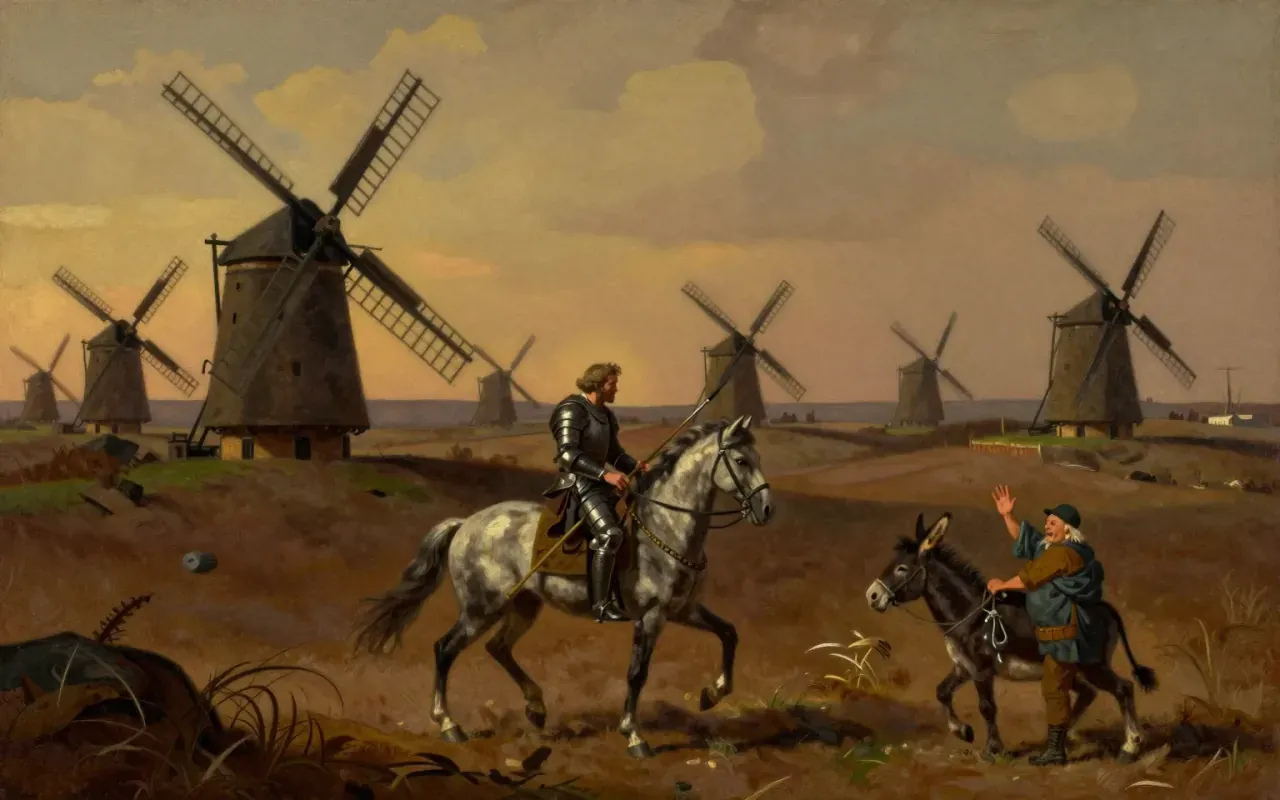
Cervantes's 1605 novel follows Don Quixote, a minor Spanish nobleman driven mad by chivalric romances who sets out as a knight-errant with his servant Sancho. The brief covers the opening madness and the machinery of the book, what makes it a satire of narrative itself, and which parts can be skipped.

12:20

East of Eden

John Steinbeck · 1952

Steinbeck's 1952 masterpiece spans generations in California's Salinas Valley, following the Trask and Hamilton families through cycles of moral struggle. The brief covers the dual narrative structure, the philosophy of timshel (the ability to choose your nature), and why this is Steinbeck's most ambitious work.

12:30

The Idiot

Fyodor Dostoyevsky · 1869

Dostoevsky's 1869 novel follows Prince Myshkin, a man of genuine virtue in a corrupt Russian society, as his innocence collides with greed, vanity, and cruelty. The novel treats moral purity as a defect, not an ideal, and offers no redemption for it.

15:00

In Search of Lost Time

Marcel Proust · 1913

Proust's seven-volume masterwork on memory and consciousness, pioneering modernist technique across 3,200 pages. The brief covers the madeleine moment, how time works in the novel, why high society occupies so much space, and which sections actually repay the effort.

14:00

Les Misérables

Victor Hugo · 1862

A fifteen-hundred-page novel set across early nineteenth-century France, from the Paris sewers to the barricades of the July Rebellion. The brief covers Valjean's redemption, the costs of poverty, and why Hugo believed the republic must include the poor.

12:00

The Lord of the Rings

J.R.R. Tolkien · 1954

Tolkien's trilogy (1954-55) established the modern fantasy epic. The brief covers the quest's architecture, the languages he invented to hold it, and why the appendices might outweigh the text.

11:00

Moby-Dick

Herman Melville · 1851

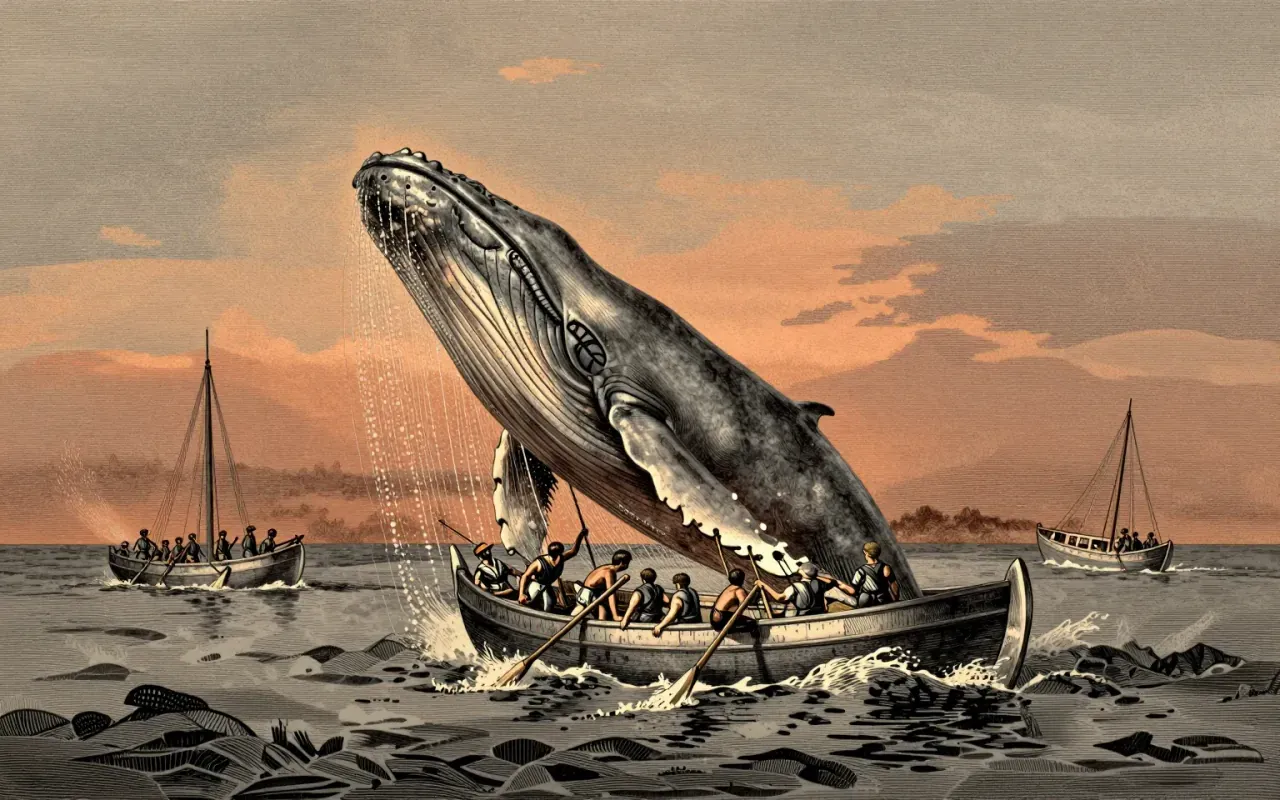
Melville's 1851 whaling epic told from the deck of the Pequod. The brief covers the three days of the chase that end the book, the characters who live it, and why reading only the whale hunt means missing the long argument that precedes it.

12:00

Ulysses

James Joyce · 1922

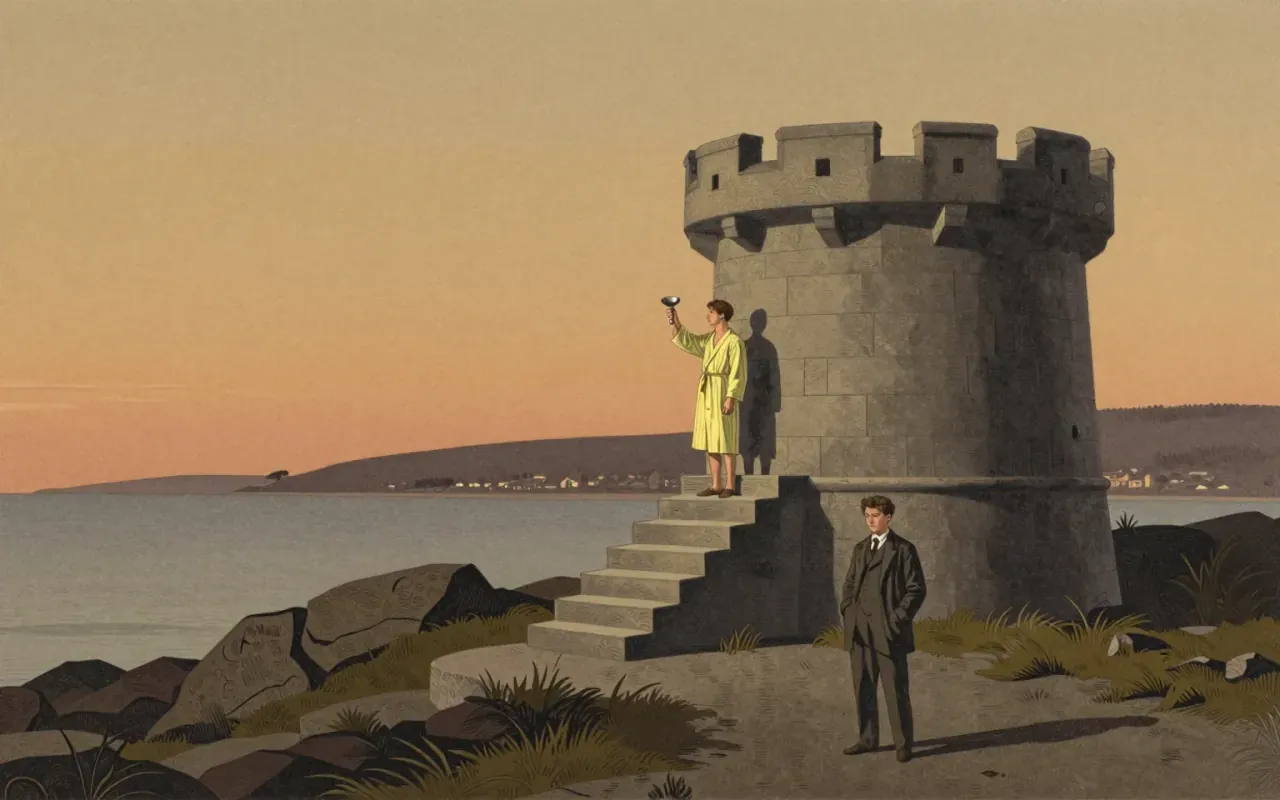
Joyce's 1922 novel narrates June 16, 1904 in Dublin through stream-of-consciousness prose and multiple narrative styles. At seven hundred and thirty pages, it has become the prototype for modernist difficulty, rewarding those who engage with its experimental form.

12:35

War and Peace

Leo Tolstoy · 1869

Tolstoy's 1869 epic follows five aristocratic families through twenty years of Russian history. The brief covers the plot in two minutes, the philosophy in five, why the theory of history is the real argument, and which sections actually matter.

12:46

Crime and Punishment

Fyodor Dostoyevsky · 1866

Fyodor Dostoyevsky’s classic follows Raskolnikov, a debt‑ridden student who murders a pawnbroker to prove a theory of extraordinary men. The novel unravels his psychological collapse, the moral backlash, and eventual confession. It offers a brutal study of guilt, class, and redemption, but its sprawling narrative can feel bloated for those seeking a tight thriller.

14:30

Antifragile

Nassim Nicholas Taleb · 2012

The central idea is real and the book is twice as long as it needs to be. The brief extracts the triad, the barbell, via negativa and skin in the game, then tells you which two hundred pages to skip.