booksbriefs
Fiction

Children's literature

3
briefs
15:14
average
46 min
in total
3
authors
All briefs3
16:39

Anne of Green Gables

L. M. Montgomery · 0

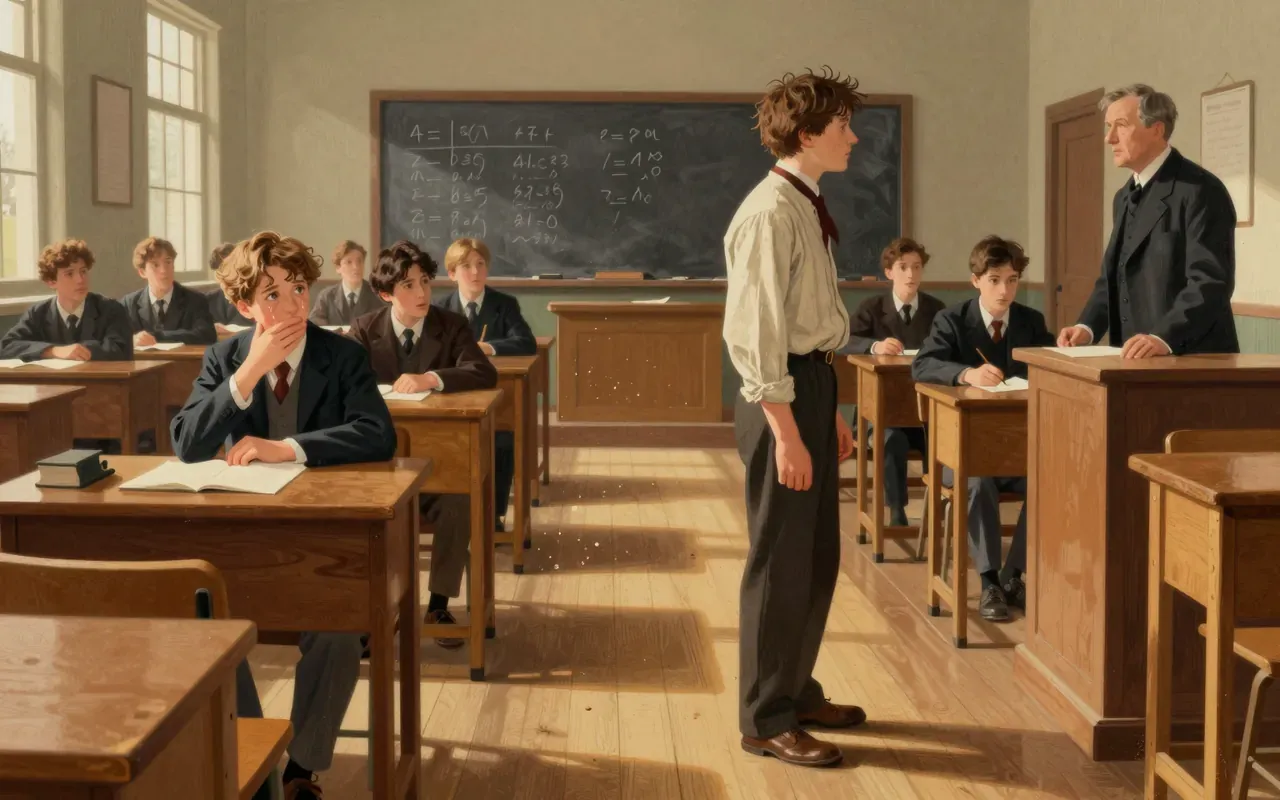
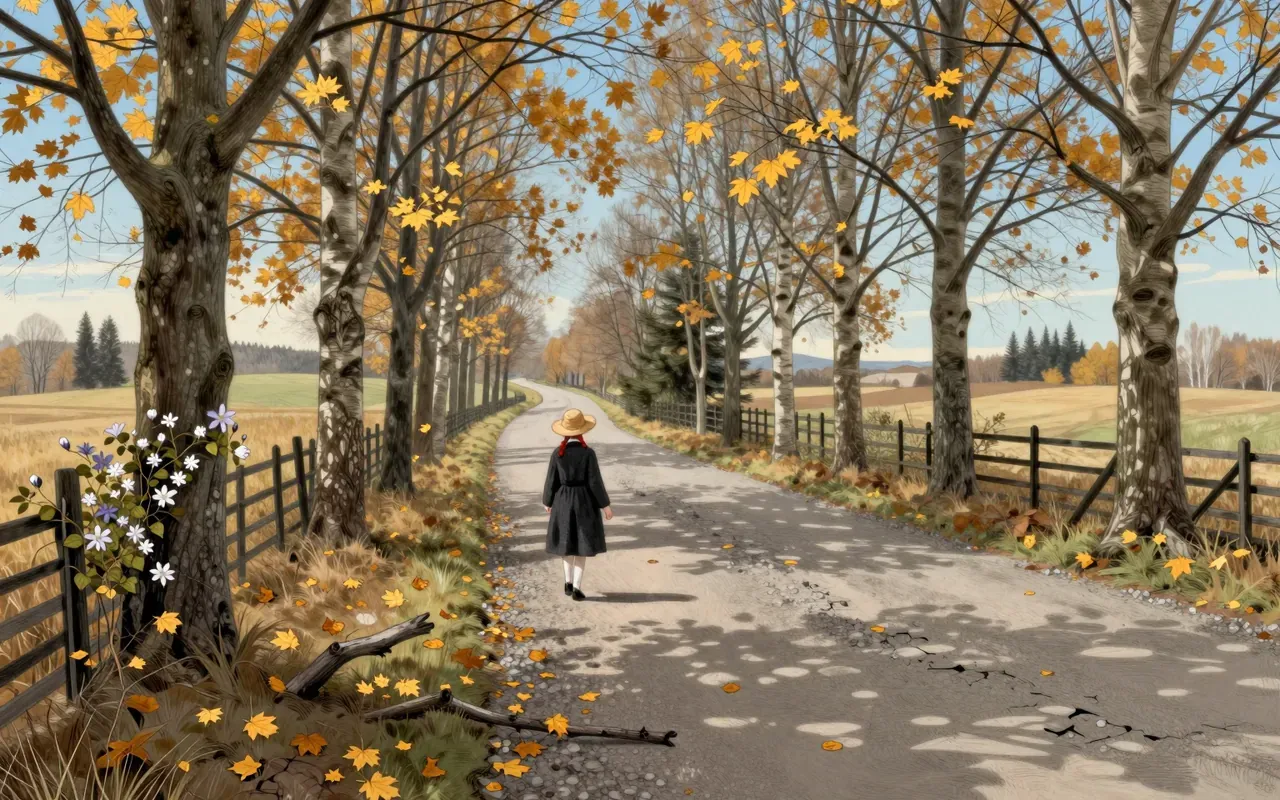
Anne of Green Gables argues that imagination is a child’s tool for claiming personhood—not escape. It shows Anne building selfhood through naming, error and quiet love: the White Way of Delight, the liniment cake, Marilla’s green dress. The brief explains why her red hair matters, why Matthew’s narcissus matters more than his death, and why the bend in the road is the book’s truest sentence.
14:37

Pinocchio

Carlo Collodi · 1883

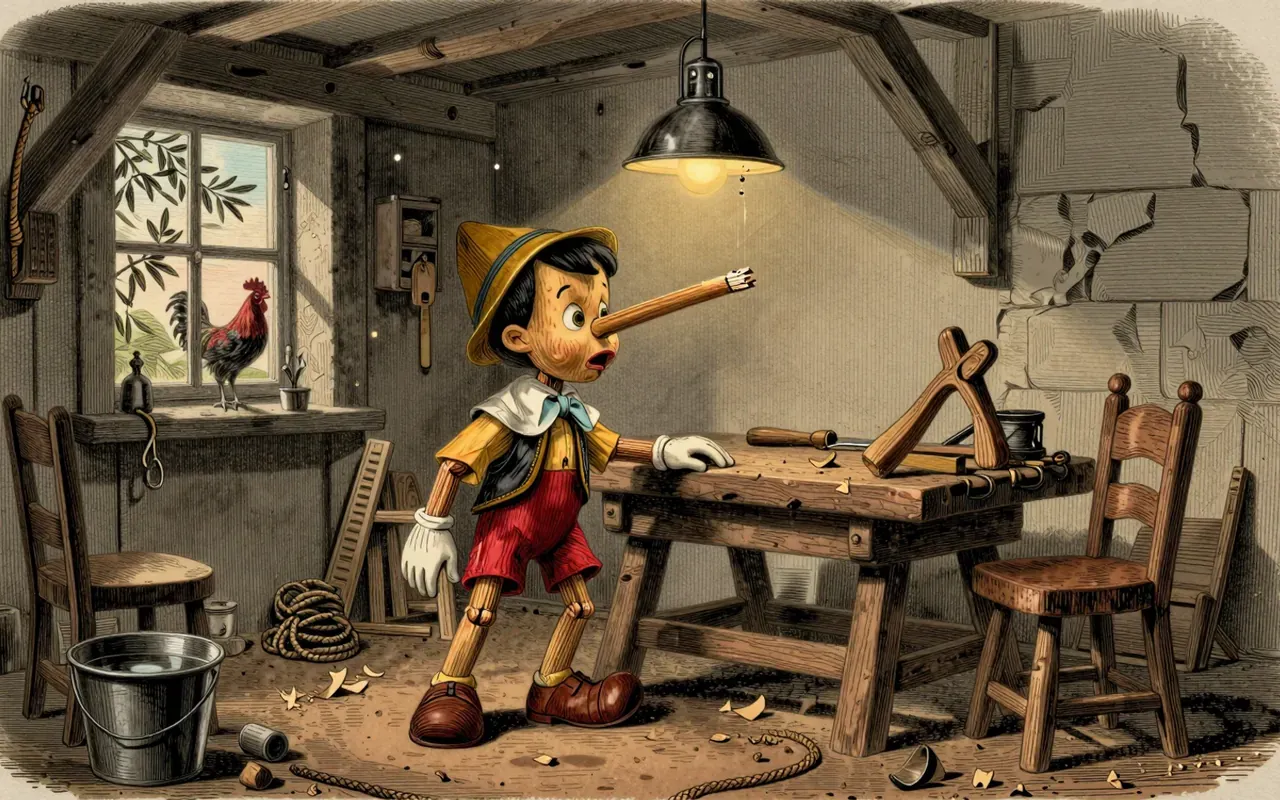
Pinocchio is a moral horror story disguised as children’s literature. Disobedience mutates the body. Redemption arrives only after being swallowed whole—literally—by the Dog-Fish. The brief isolates the core chapters, names what works (the Dog-Fish, the Land of Boobies), and tells you exactly what to skip.

14:27

The Wonderful Wizard of Oz

L. Frank Baum · 1899

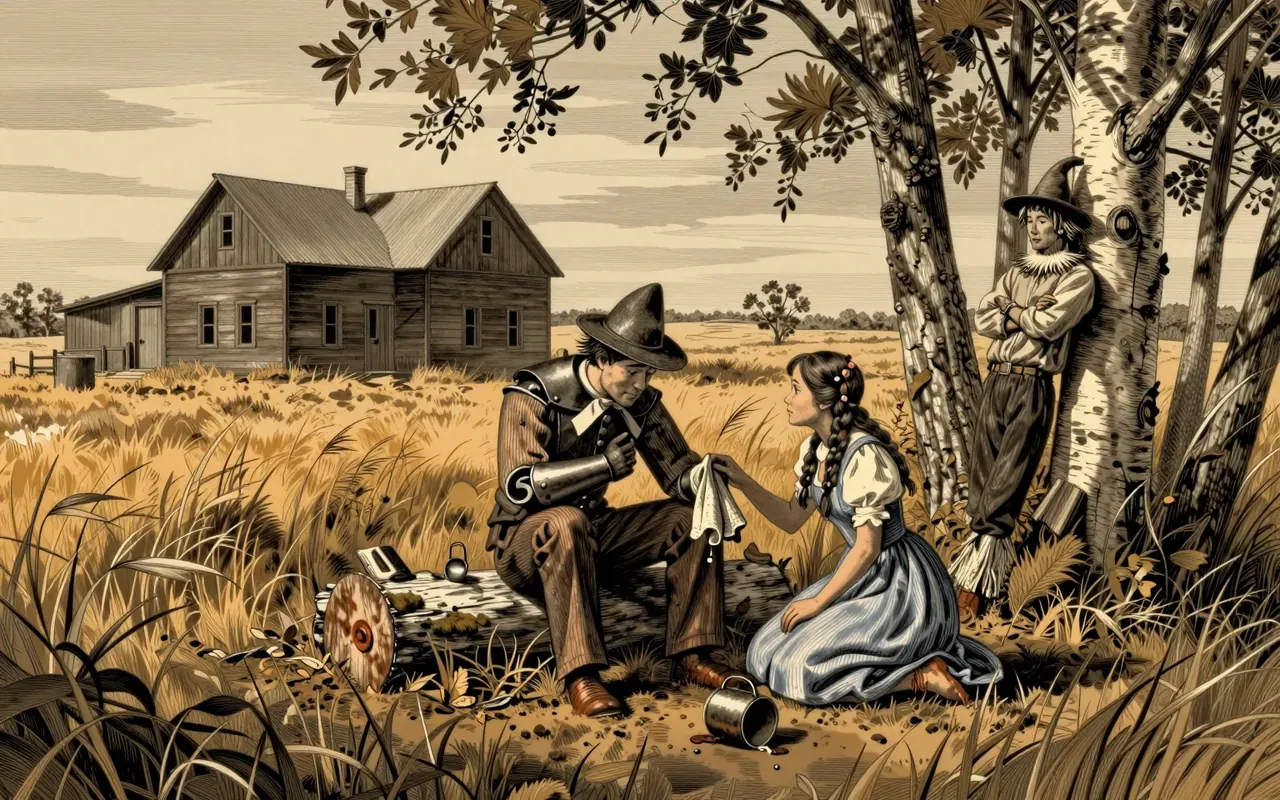
The book replaces Grimm’s moral terror with joyful, amoral wonder. Oz’s green-silk balloon exposes authority as performance. The china Princess’s fear of breaking grounds identity in physical fragility. Glinda reveals Dorothy’s Silver Shoes held her way home all along—but only after she earned return through loyalty and journeying.

More from books

All briefs →
13:56

Adventures of Huckleberry Finn

Mark Twain · 0

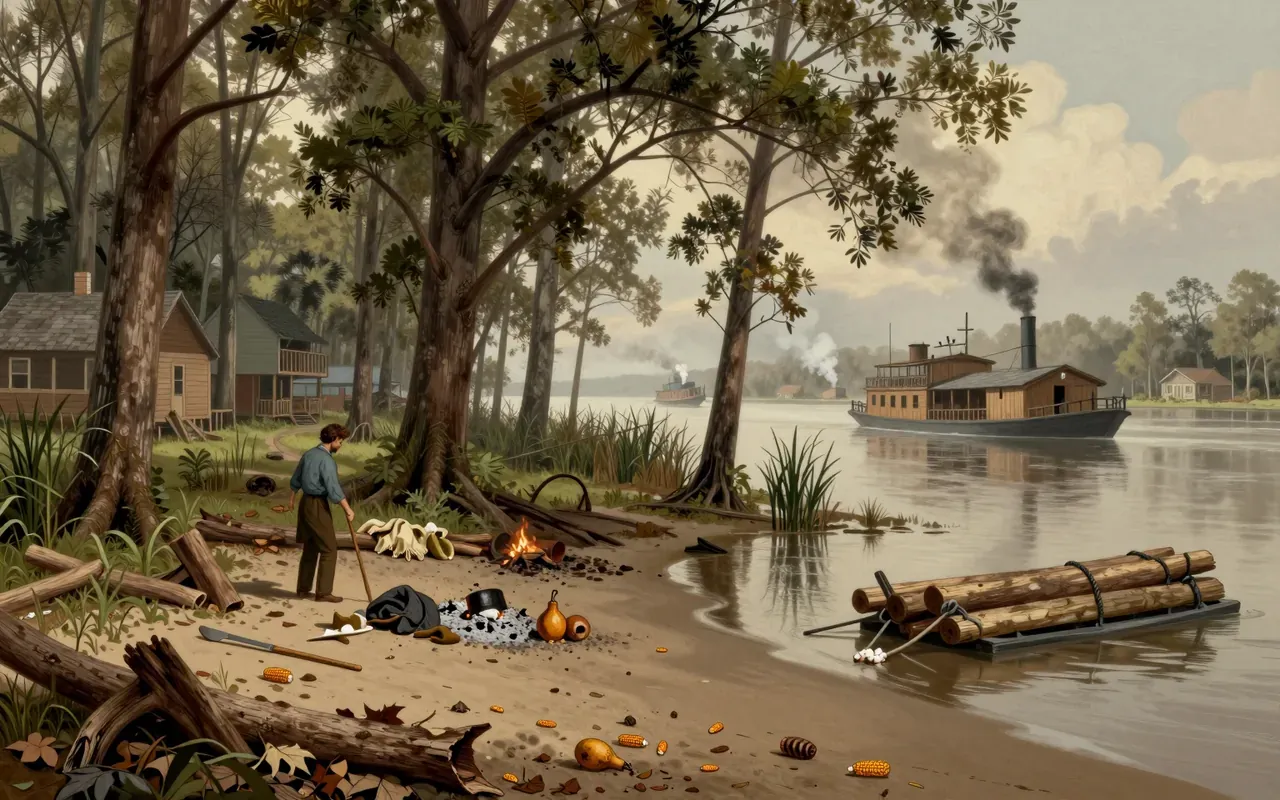
The book argues that moral clarity emerges from direct human contact, not society’s rules—and that Southern 'civilization' is a fraud sustained by violence and self-deception. It does this through Huck’s choices: faking his death, choosing Jim over religion, and rejecting adoption. Tom’s elaborate rescue is exposed as cruel theatre. Read Chapters I–XVI and XXX–XLII. Skip Chapter XL.

14:38

The Adventures of Tom Sawyer, Complete

Mark Twain · 1910

Twain’s 1876 novel treats childhood as a site of real moral risk—not innocence, not corruption, but constant negotiation. Tom’s fence-whitewashing, blood oath, courtroom testimony and cave ordeal are not adventures but ethical trials. The book works best in its sharpest scenes: Ch. II, XX, XXXI and XXXIII. Skip the editor’s introduction and the slower interludes.

13:13

The Agamemnon of Aeschylus

Aeschylus · 0

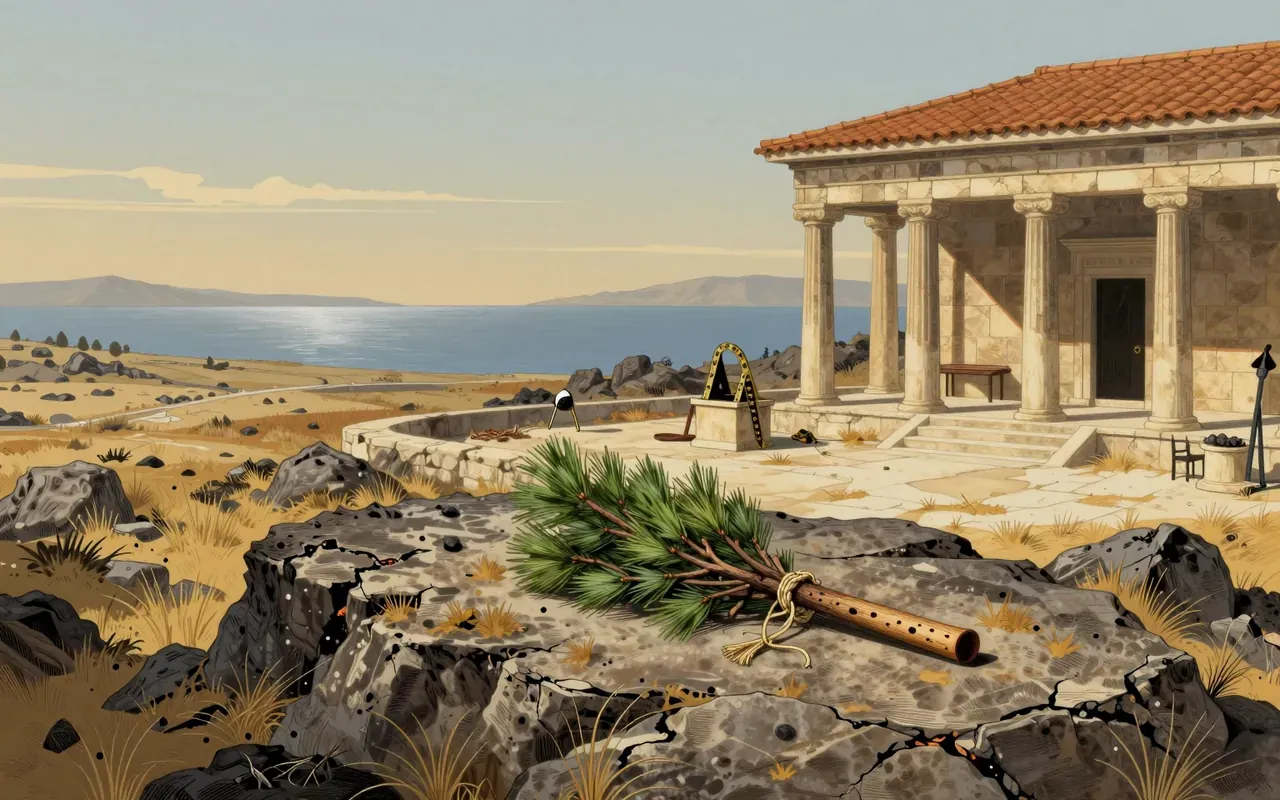
The Agamemnon argues that vengeance is self-replicating, not redemptive. It works best in performance — the Watchman’s vigil, the tapestry scene, Clytemnestra’s speeches — and collapses in exposition. Skip the Chorus’s myth-recounting. Read it aloud, not silently.

15:17

Alice's Adventures in Wonderland

Lewis Carroll · 0

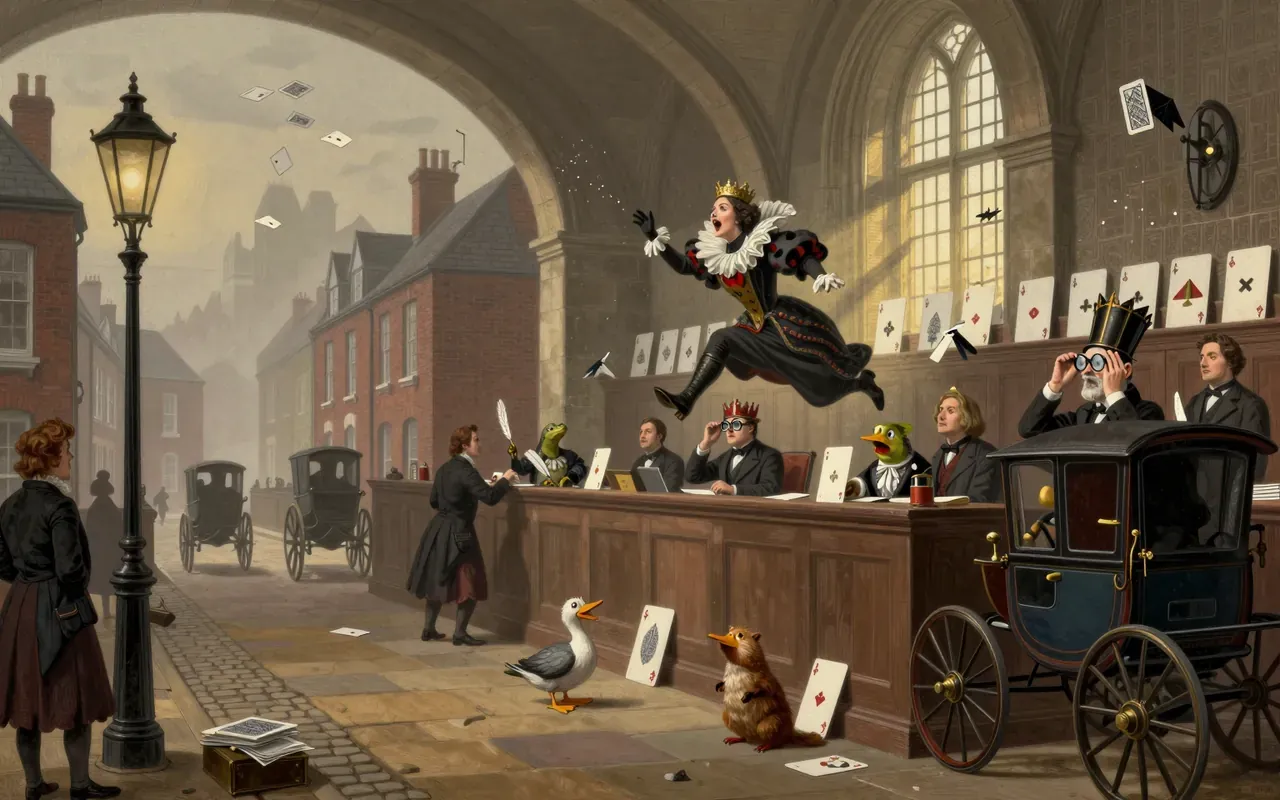
It is a satire of logic, language and authority disguised as children’s fantasy. The brief shows how Alice’s physical instability mirrors her intellectual rebellion—and why the final line, 'You’re nothing but a pack of cards!', is the book’s entire argument. Skip the Duchess’s moralising and the Mock Turtle’s songs.