booksbriefs
Longest first

All briefs

133 briefs · 1784 min · 97–133 on page 2 of 2
12:20

East of Eden

John Steinbeck · 1952

Steinbeck's 1952 masterpiece spans generations in California's Salinas Valley, following the Trask and Hamilton families through cycles of moral struggle. The brief covers the dual narrative structure, the philosophy of timshel (the ability to choose your nature), and why this is Steinbeck's most ambitious work.
12:00

Catch-22

Joseph Heller · 1961

Heller's 1961 novel follows Yossarian, whose only escape from deadly bombing runs is to convince a doctor he is mad. The catch: anyone sane enough to ask is sane enough to fly. It is a circular trap, and the book is built to prove it.

12:00

Do Androids Dream of Electric Sheep?

Philip K. Dick · 1968

Dick's 1968 novel sets up the century's central question about AI and consciousness. The brief covers Deckard's hunt for androids, the problem of empathy, and why the book never settles the question it asks.

12:00

Don Quixote

Miguel de Cervantes · 1605

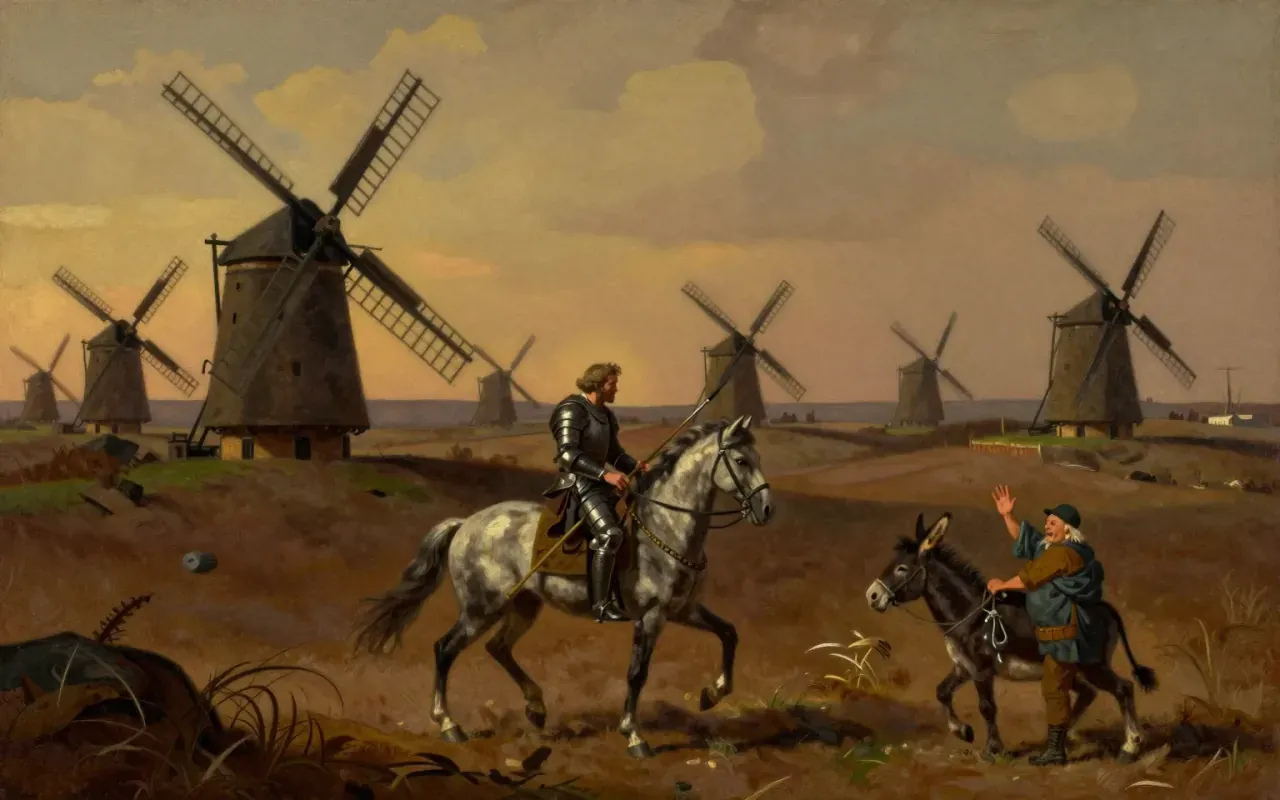
Cervantes's 1605 novel follows Don Quixote, a minor Spanish nobleman driven mad by chivalric romances who sets out as a knight-errant with his servant Sancho. The brief covers the opening madness and the machinery of the book, what makes it a satire of narrative itself, and which parts can be skipped.

12:00

Dracula

Bram Stoker · 1897

Stoker's 1897 novel, told through letters and journal entries, documents Count Dracula's attempt to establish himself in England and the small group that opposes him. The book's format is unwieldy but its construction is precise; the creature feels inevitable and the humans feel outmatched.

12:00

Foundation

Isaac Asimov · 1951

A math professor and three hundred thousand people are sent to the edge of the galaxy to establish a Foundation that preserves human knowledge. The book follows four crises that test whether mathematical prediction can outmaneuver political chaos and interstellar war. It is the story of how institutions outlast empires.

12:00

The Handmaid's Tale

Margaret Atwood · 1985

Atwood's 1985 novel follows Offred, a handmaid in the Republic of Gilead, forced to bear children for state-sanctioned rulers. It is a precise anatomization of power, gender, and the small rebellions that survive totalitarianism.

12:00

The Left Hand of Darkness

Ursula K. Le Guin · 1969

Le Guin's 1969 novel constructs a gender-free society and uses it to strip away assumptions. The brief covers why Gethen matters, what the gender premise actually reveals, and the survival plot that forces intimacy between adversaries.

12:00

The Lord of the Rings

J.R.R. Tolkien · 1954

Tolkien's trilogy (1954-55) established the modern fantasy epic. The brief covers the quest's architecture, the languages he invented to hold it, and why the appendices might outweigh the text.

12:00

Madame Bovary

Gustave Flaubert · 1856

Flaubert's 1856 realist novel set in provincial France. Emma Bovary, educated beyond her station, pursues romantic fantasies that her actual life—marriage to a dull country doctor—can never deliver. The book is about how desire becomes destructive in a world that offers no outlet for it.

12:00

The Metamorphosis

Franz Kafka · 1915

Kafka's 1915 novella in seventy pages of exact prose. A man becomes an insect overnight. The story is not about the transformation; it is about what comes after, and what it reveals about work, family, and obligation.

12:00

Of Mice and Men

John Steinbeck · 1937

Steinbeck's novella in a hundred pages about George and Lennie, migrant workers during the Depression, and what happens when a dream meets the world. The brief covers their plan and why it fails, then the impossible choice at the end.

12:00

The Picture of Dorian Gray

Oscar Wilde · 1890

Wilde's only novel, 1890, a portrait that ages while its subject remains frozen at twenty-five. The brief covers the pact, the corruption, why the painting becomes the moral record the man refuses to be, and what breaks first.

12:00

The Plague

Albert Camus · 1947

Camus's 1947 novel of collective crisis. It's not really about a plague: it's an essay on solidarity, responsibility, and what keeps you acting when survival makes sense but meaning does not.

12:00

Snow Crash

Neal Stephenson · 1992

Stephenson's breakthrough novel from 1992 that imagined the metaverse two decades before it became a buzzword. The brief covers the plot in two minutes, the vision in four, and which parts hold up.

12:00

Ulysses

James Joyce · 1922

Joyce's 1922 novel narrates June 16, 1904 in Dublin through stream-of-consciousness prose and multiple narrative styles. At seven hundred and thirty pages, it has become the prototype for modernist difficulty, rewarding those who engage with its experimental form.

11:50

The Song of Hiawatha

Henry Wadsworth Longfellow · 0

Longfellow’s 1855 poem recasts Ojibway oral tradition into a mythic biography of Hiawatha, using Kalevala metre and Romantic moral framing. It works best in its ritual moments—ghosts testing hospitality, Minnehaha’s death, Hiawatha’s departure—but fails as ethnography or theology. Read Chapters I, IV, V and XXII; skip the botanical interludes and explanatory digressions.

11:30

The Odyssey

Homer · 650 BC

The Odyssey follows Odysseus on a ten‑year odyssey back to Ithaca, where he must outwit monsters, divine wrath, and a house overrun by suitors. The poem explores fate, hospitality, and cunning, and shows how a hero’s identity is forged by both mortal agency and divine intervention. It remains a foundational myth of Greek culture and a masterclass in epic storytelling.

11:15

Pride and Prejudice

Jane Austen · 1813

Pride and Prejudice is a satirical study of class, courtship and self‑discovery, told through Elizabeth Bennet’s razor‑sharp observations. Austen exposes the hypocrisy of Regency society with brisk dialogue and a tight plot that rewards a quick‑paced reader. The novel’s strengths lie in its memorable characters and social satire; its dated gender expectations and slow pacing may deter modern readers.

11:04

The Stranger

Albert Camus · 1942

Camus's first novel in a hundred and twenty pages of flat, exact prose. The brief covers the plot in one minute, the absurd in three, and why the trial is the real subject of the book.

11:00

Animal Farm

George Orwell · 1945

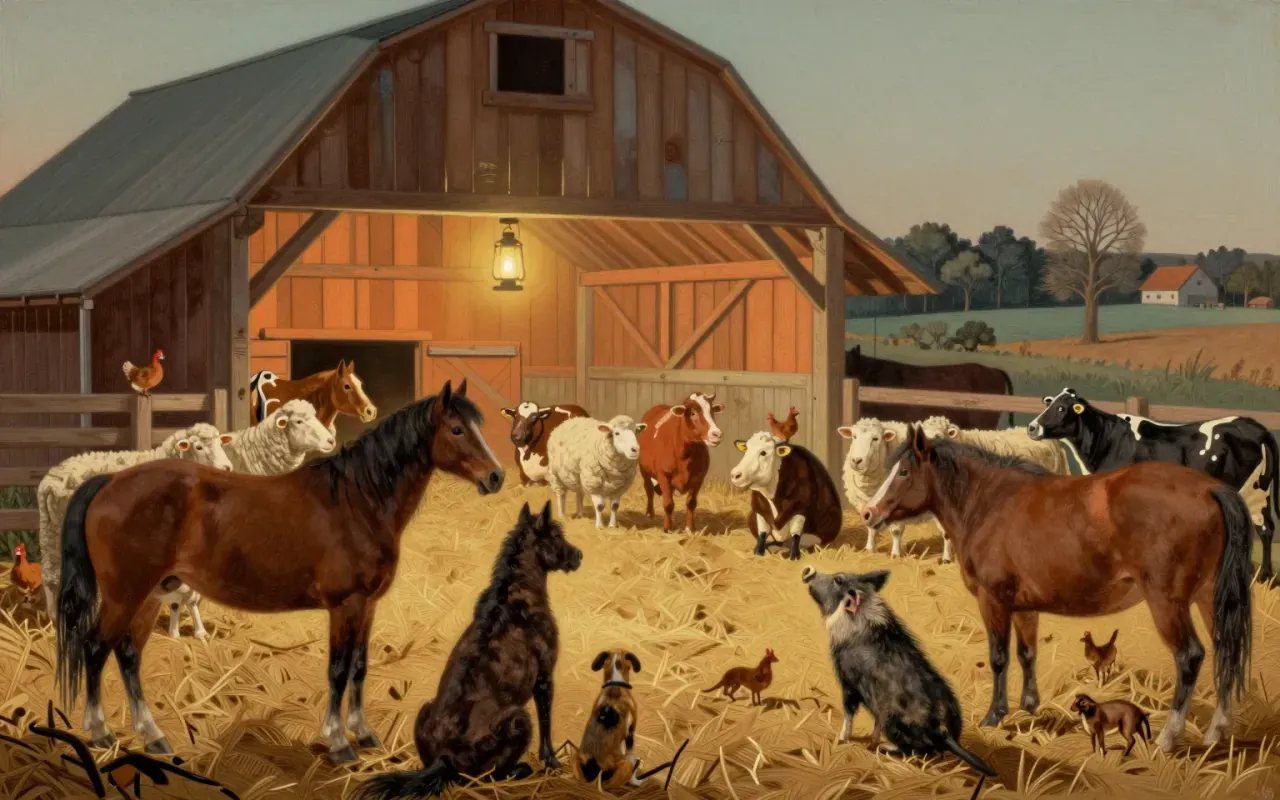
Orwell's 1945 allegory of the Russian Revolution told through a farmyard coup. The brief covers the revolution, the factions, how the pigs consolidate power, and why it reads as a prophecy more than fiction.

11:00

Moby-Dick

Herman Melville · 1851

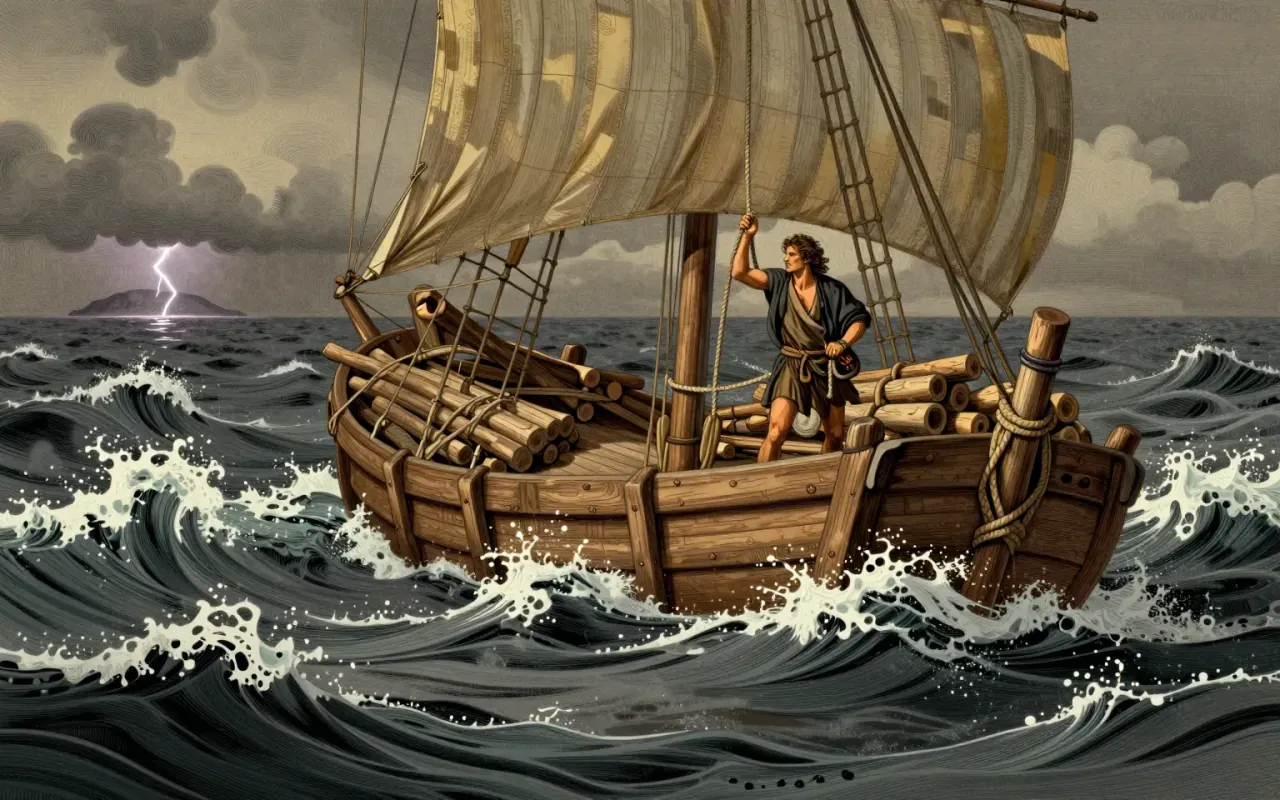
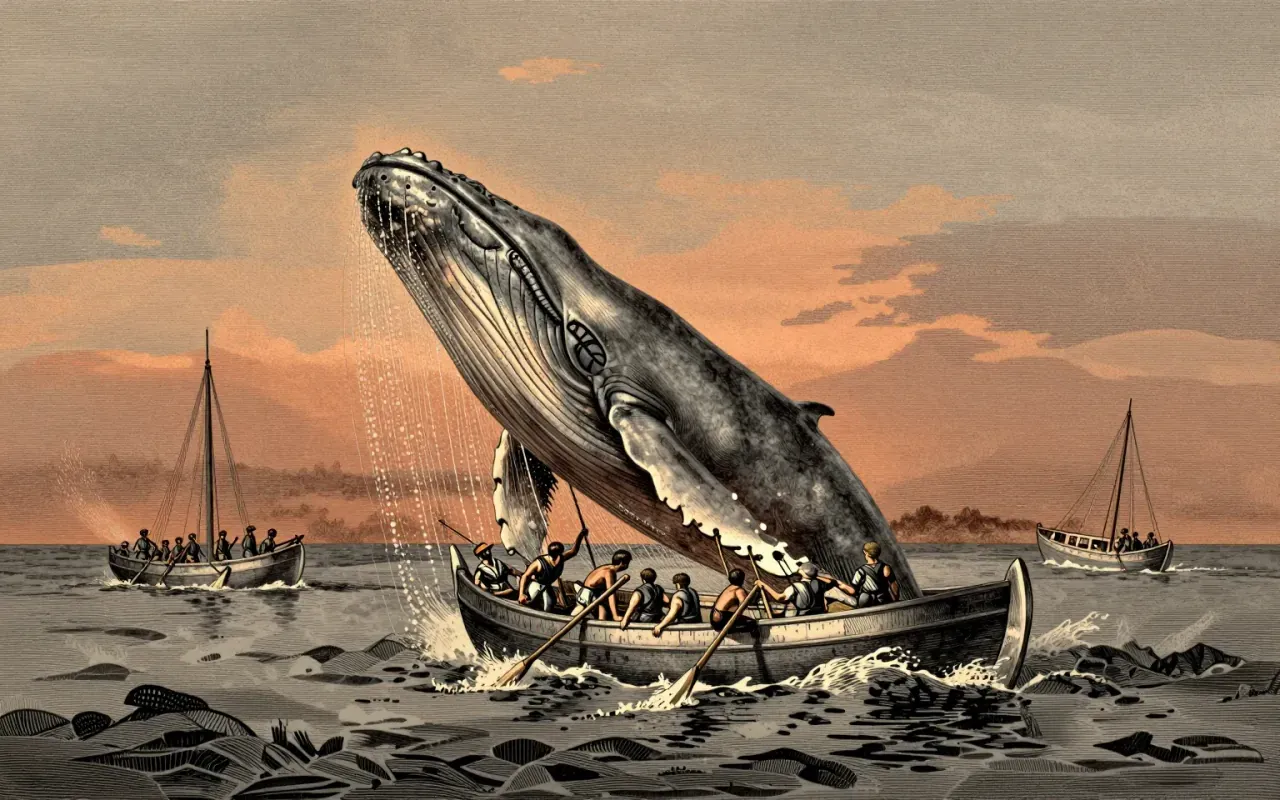
Melville's 1851 whaling epic told from the deck of the Pequod. The brief covers the three days of the chase that end the book, the characters who live it, and why reading only the whale hunt means missing the long argument that precedes it.

11:00

One Hundred Years of Solitude

Gabriel García Márquez · 1967

García Márquez's 1967 novel set in the fictional Colombian town of Macondo, where the Buendía family repeats the same names, mistakes, and obsessions across generations. The brief covers the structure of cyclical time, the decay of an isolated settlement, and why the magical elements are not flourish but argument about how the past swallows the present.

11:00

The Trial

Franz Kafka · 1925

Kafka's unfinished novel about a man arrested without charges and caught in an impenetrable legal system. The brief covers what the trial actually investigates, the machinery of power behind the courts, Kafka's ambivalence about the work itself, and which chapters matter most.

10:57

The Master Builder

Henrik Ibsen · 0

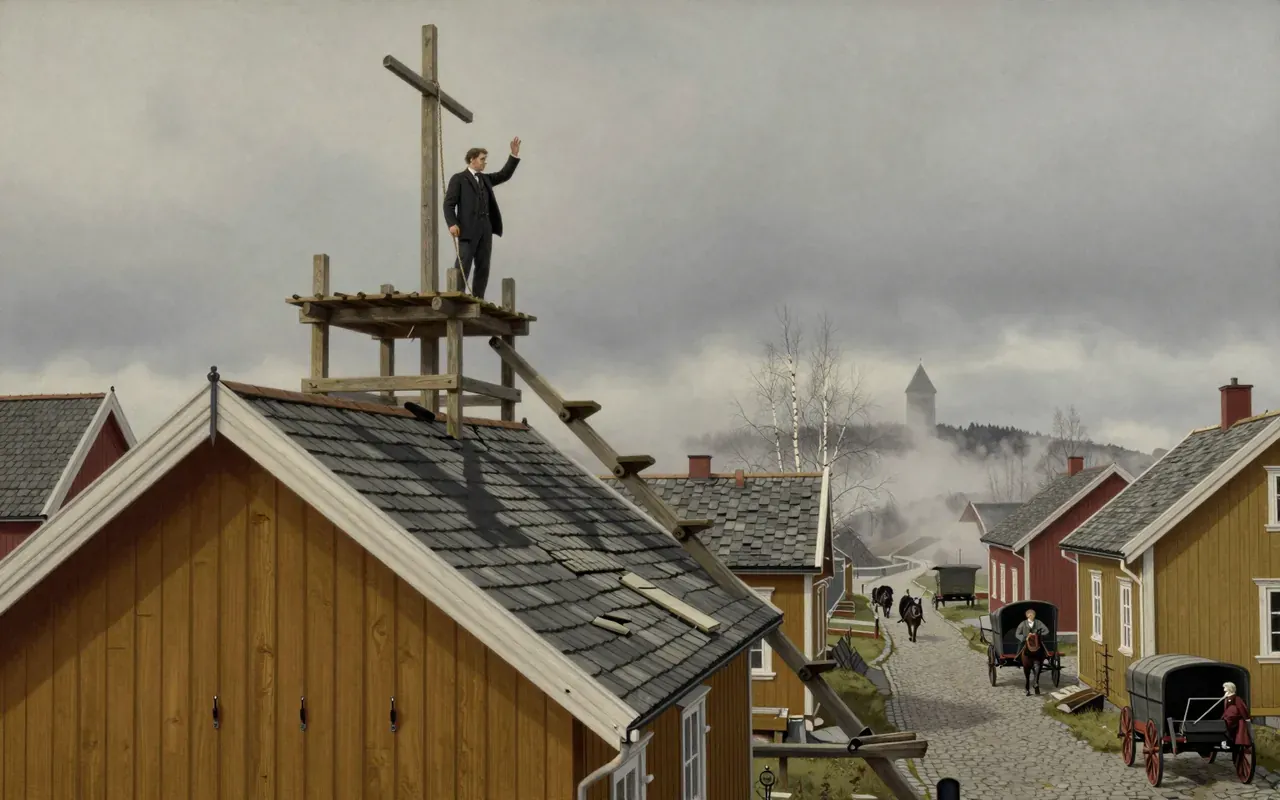
The Master Builder argues that genius is sustained by moral evasion—and that no tower can stand on ash. It works as a claustrophobic duel between Solness and Hilda, but collapses under its own refusal to interrogate her motive or hold Solness to account. Read it for the tower, not the triumph.

10:52

Sapiens

Yuval Noah Harari · 2011

Harari's argument is that shared fictions, from gods to money to limited-liability companies, are what let strangers cooperate at scale. The brief covers the three revolutions, the strongest chapter, and the places where historians push back.

10:50

The Great Gatsby

F. Scott Fitzgerald · 1925

Fitzgerald's 1925 masterpiece on wealth, desire, and the American Dream in its fullest delusion. The brief covers who Gatsby is and why he fails, the machinery of class that destroys him, and why the ending matters.

10:47

Brave New World

Aldous Huxley · 1932

The 1932 novel describes a future where stability is engineered through biological castes, pleasure drugs, and psychological conditioning. It poses a question harder to refute than mere tyranny—what if contentment and freedom are irreconcilable?

10:30

Fahrenheit 451

Ray Bradbury · 1953

Bradbury's 1953 novel follows a fireman in a totalitarian future who questions his role burning books. The brief traces Montag's awakening from enforcer to resister, examines what the book argues about censorship and conformity, and considers what it gets right and where it falters.

10:30

To Kill a Mockingbird

Harper Lee · 1960

Lee's 1960 novel follows Scout Finch growing up in Depression-era Alabama as her father Atticus defends a Black man wrongly accused of rape. The trial is rigged, but the book is not about whether he wins—it is about what Scout learns when he loses.

10:00

1984

George Orwell · 1949

Orwell's 1949 novel follows Winston Smith in a state where the party controls language, history, and thought. The brief covers the mechanics of totalitarian control, what Orwell gets right about power, and which parts of the book hold up.

10:00

The Hobbit

J.R.R. Tolkien · 1937

Tolkien's 1937 prequel to The Lord of the Rings, in three hundred pages of a simpler world. The brief follows Bilbo from his armchair to the dragon's hoard, then explains why LOTR fans often miss what makes this book work on its own.

10:00

The Old Man and the Sea

Ernest Hemingway · 1952

Santiago, an aging Cuban fisherman who hasn't caught anything in 84 days, hooks a giant marlin and fights it for three days. When he finally lands it, sharks strip his prize to a skeleton. Hemingway's spare prose turns the ordeal into a study of human will against indifference.

9:21

Zero to One

Peter Thiel · 2014

A short, contrarian book built from a Stanford course. The brief covers the monopoly argument, the seven questions every startup should answer, and the parts that read better in 2014 than they do now.

9:15

Frankenstein

Mary Wollstonecraft Shelley · 1818

Frankenstein is a cautionary gothic tale about the perils of unchecked scientific ambition. The novel follows Victor Frankenstein’s obsessive quest to animate life, the creature’s thirst for vengeance, and the moral fallout for all involved. The brief argues the book’s core is a warning about hubris, while pointing out its dated prose and moral ambiguity.

8:30

Meditations

Marcus Aurelius · 180

Private notes by a Roman emperor, never meant to be read. The brief explains what Stoicism actually asks of you, which translation to pick, and why the book works better in fragments than front to back.

6:48

Atomic Habits

James Clear · 2018

Clear's argument fits on an index card, and the brief says so. It covers the four laws, the two ideas that are actually new, and why the book is better than its imitators despite saying less than its length suggests.