Atomic Habits
James Clear · 2018
Clear's argument fits on an index card, and the brief says so. It covers the four laws, the two ideas that are actually new, and why the book is better than its imitators despite saying less than its length suggests.
Clear's argument fits on an index card, and the brief says so. It covers the four laws, the two ideas that are actually new, and why the book is better than its imitators despite saying less than its length suggests.
Private notes by a Roman emperor, never meant to be read. The brief explains what Stoicism actually asks of you, which translation to pick, and why the book works better in fragments than front to back.
Frankenstein is a cautionary gothic tale about the perils of unchecked scientific ambition. The novel follows Victor Frankenstein’s obsessive quest to animate life, the creature’s thirst for vengeance, and the moral fallout for all involved. The brief argues the book’s core is a warning about hubris, while pointing out its dated prose and moral ambiguity.

A short, contrarian book built from a Stanford course. The brief covers the monopoly argument, the seven questions every startup should answer, and the parts that read better in 2014 than they do now.
Orwell's 1949 novel follows Winston Smith in a state where the party controls language, history, and thought. The brief covers the mechanics of totalitarian control, what Orwell gets right about power, and which parts of the book hold up.
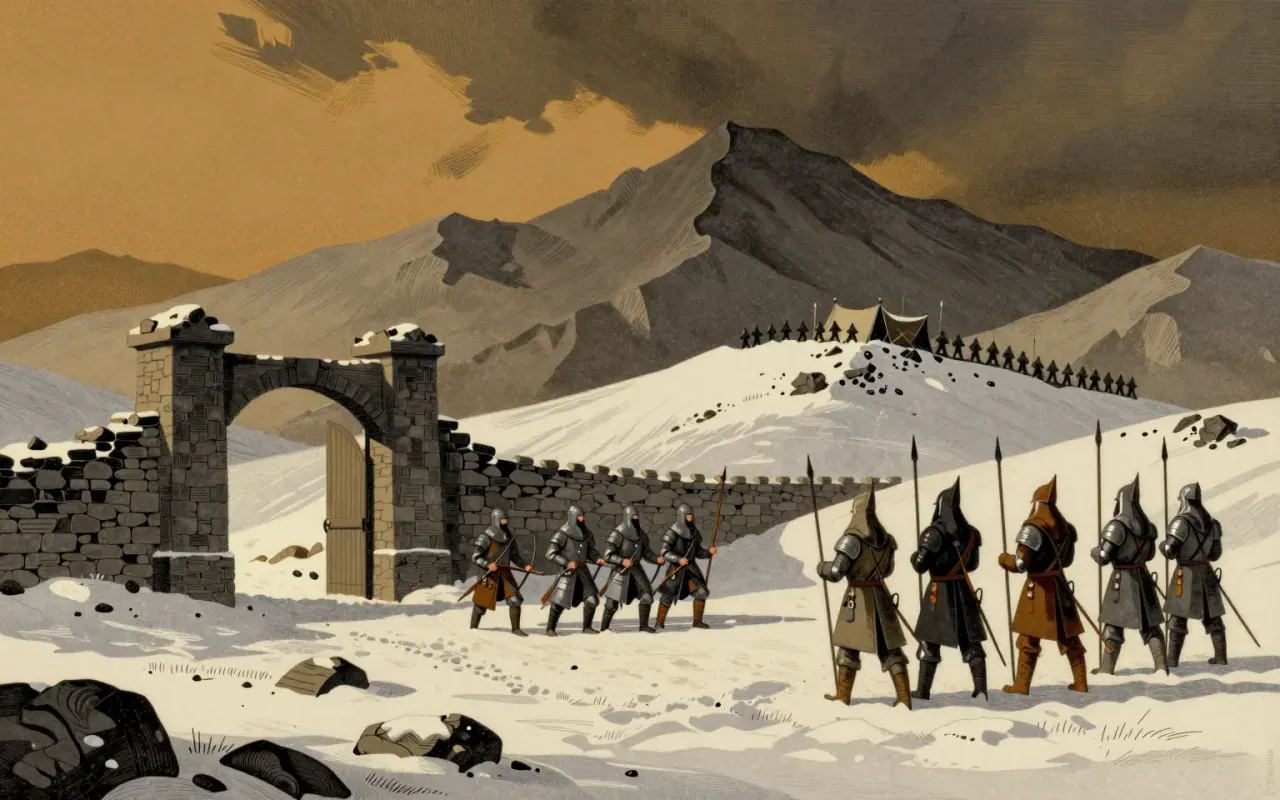
Tolkien's 1937 prequel to The Lord of the Rings, in three hundred pages of a simpler world. The brief follows Bilbo from his armchair to the dragon's hoard, then explains why LOTR fans often miss what makes this book work on its own.

Santiago, an aging Cuban fisherman who hasn't caught anything in 84 days, hooks a giant marlin and fights it for three days. When he finally lands it, sharks strip his prize to a skeleton. Hemingway's spare prose turns the ordeal into a study of human will against indifference.
Bradbury's 1953 novel follows a fireman in a totalitarian future who questions his role burning books. The brief traces Montag's awakening from enforcer to resister, examines what the book argues about censorship and conformity, and considers what it gets right and where it falters.
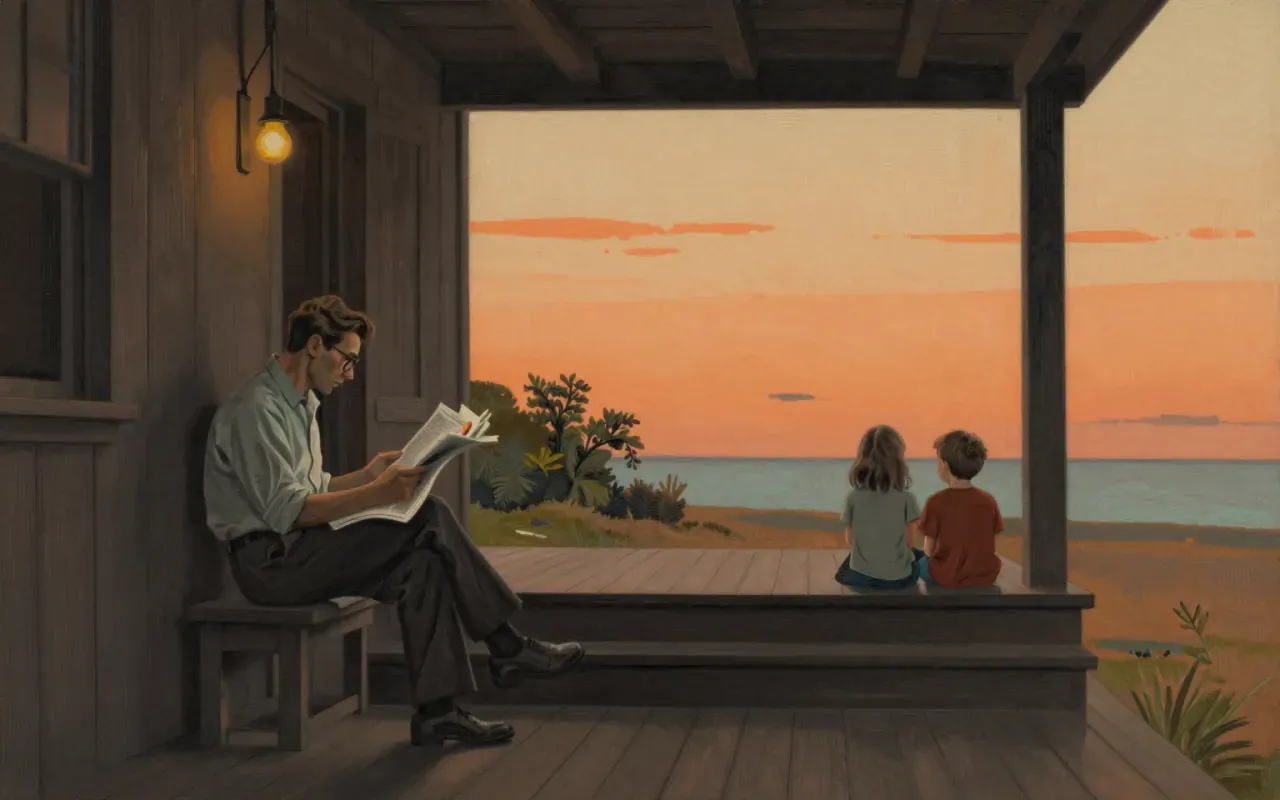
Lee's 1960 novel follows Scout Finch growing up in Depression-era Alabama as her father Atticus defends a Black man wrongly accused of rape. The trial is rigged, but the book is not about whether he wins—it is about what Scout learns when he loses.
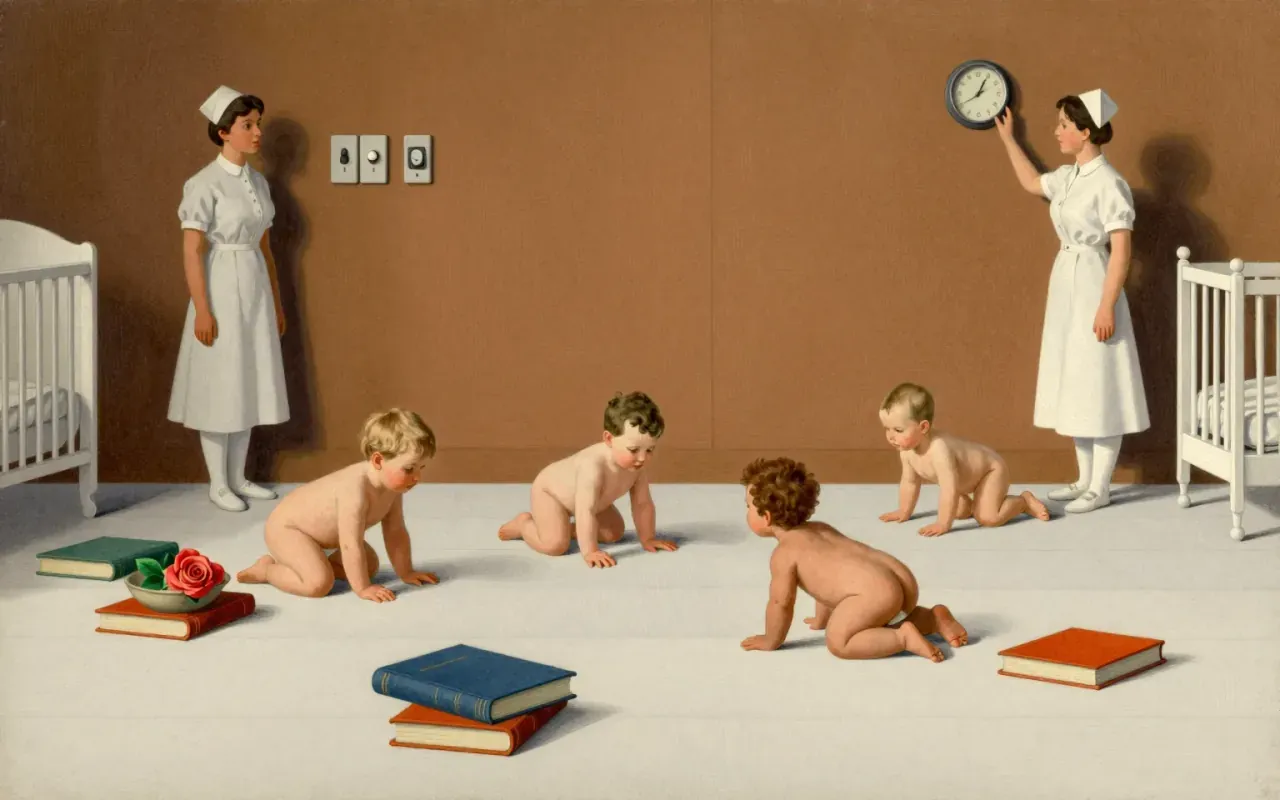
The 1932 novel describes a future where stability is engineered through biological castes, pleasure drugs, and psychological conditioning. It poses a question harder to refute than mere tyranny—what if contentment and freedom are irreconcilable?
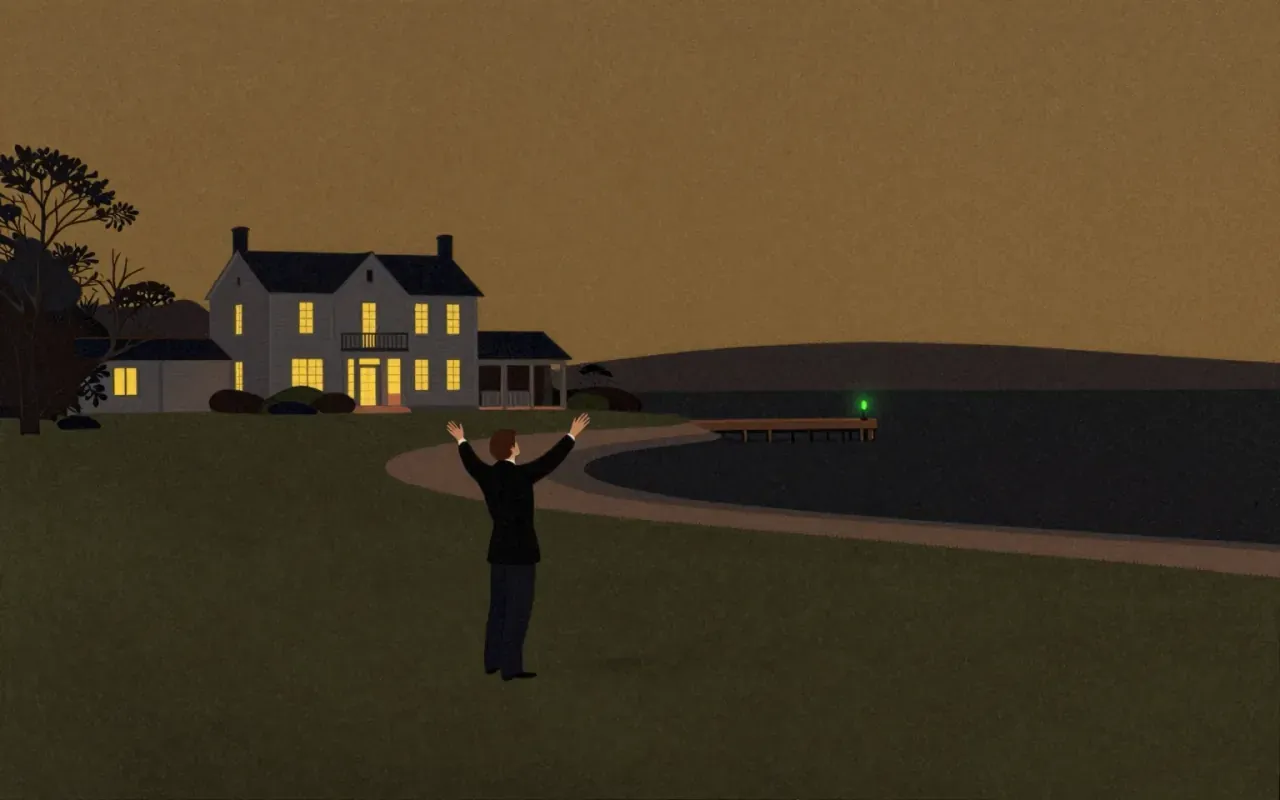
Fitzgerald's 1925 masterpiece on wealth, desire, and the American Dream in its fullest delusion. The brief covers who Gatsby is and why he fails, the machinery of class that destroys him, and why the ending matters.
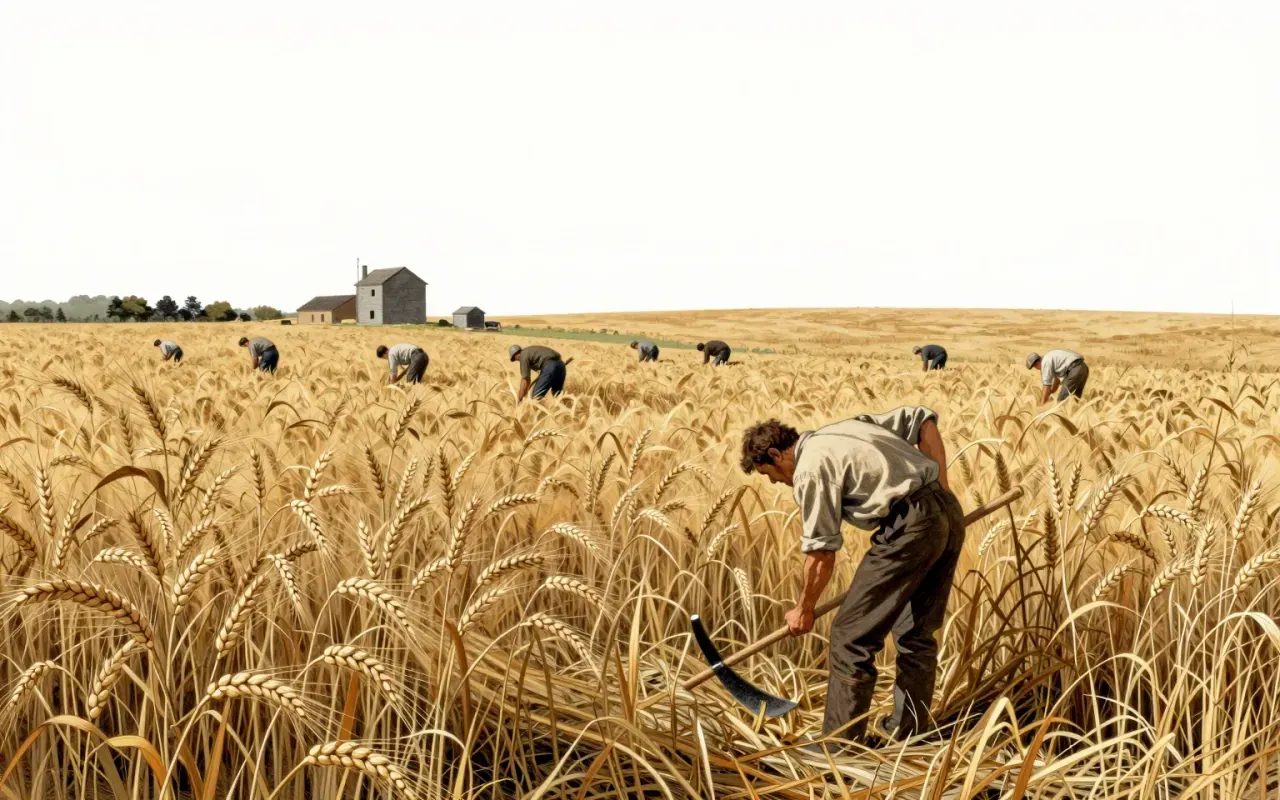
Harari's argument is that shared fictions, from gods to money to limited-liability companies, are what let strangers cooperate at scale. The brief covers the three revolutions, the strongest chapter, and the places where historians push back.
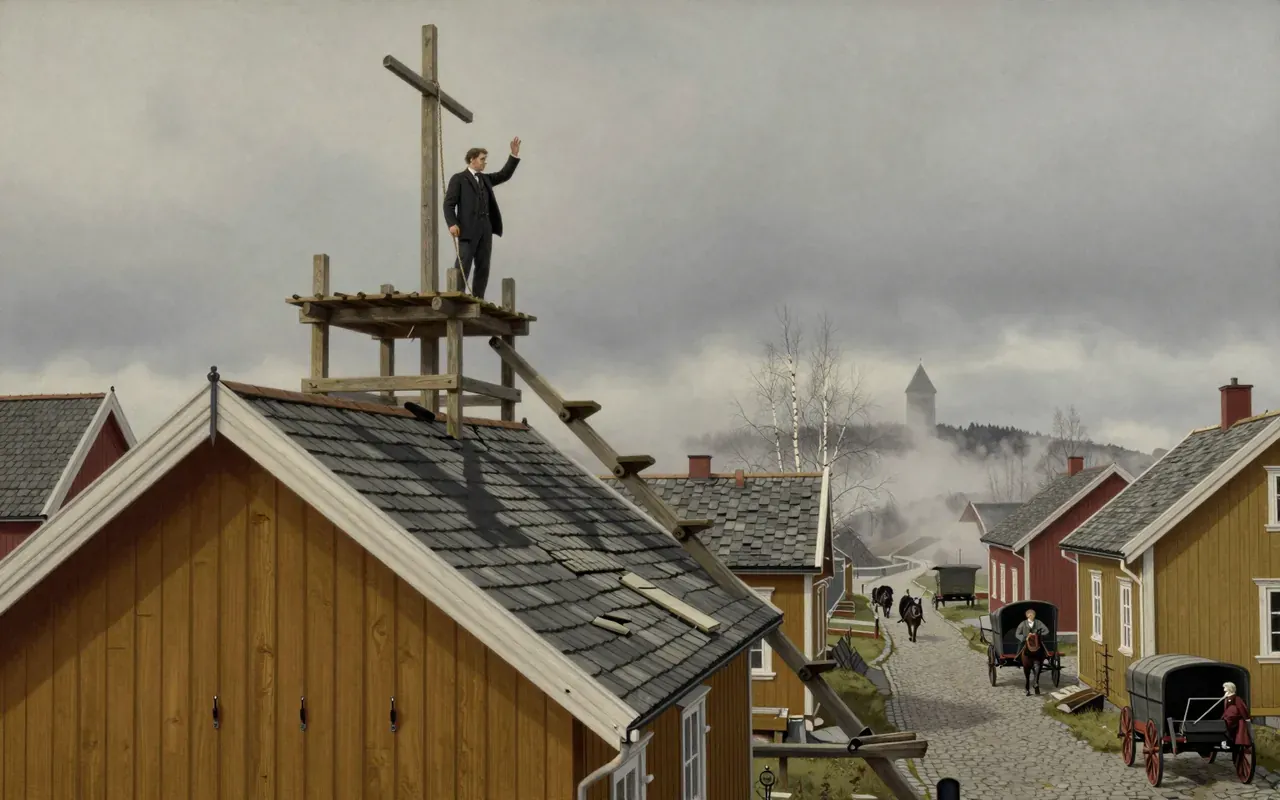
The Master Builder argues that genius is sustained by moral evasion—and that no tower can stand on ash. It works as a claustrophobic duel between Solness and Hilda, but collapses under its own refusal to interrogate her motive or hold Solness to account. Read it for the tower, not the triumph.
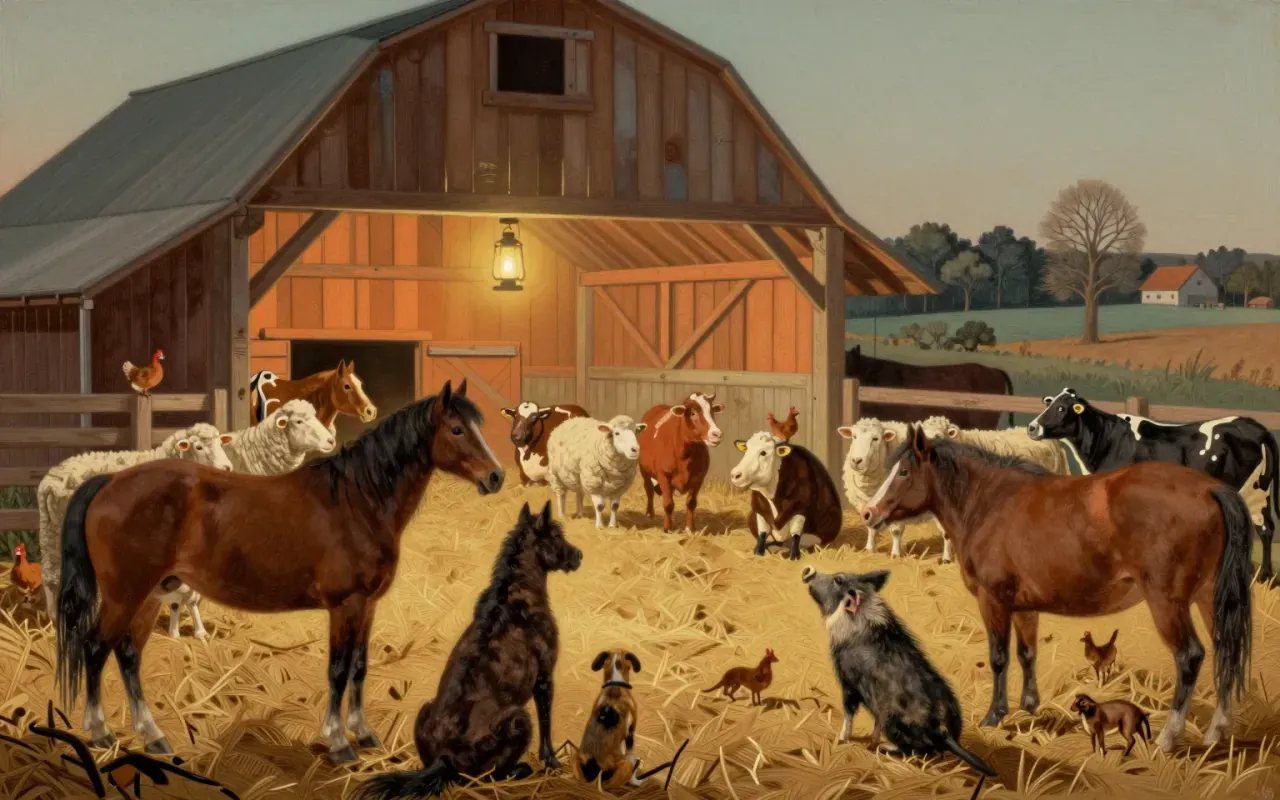
Orwell's 1945 allegory of the Russian Revolution told through a farmyard coup. The brief covers the revolution, the factions, how the pigs consolidate power, and why it reads as a prophecy more than fiction.
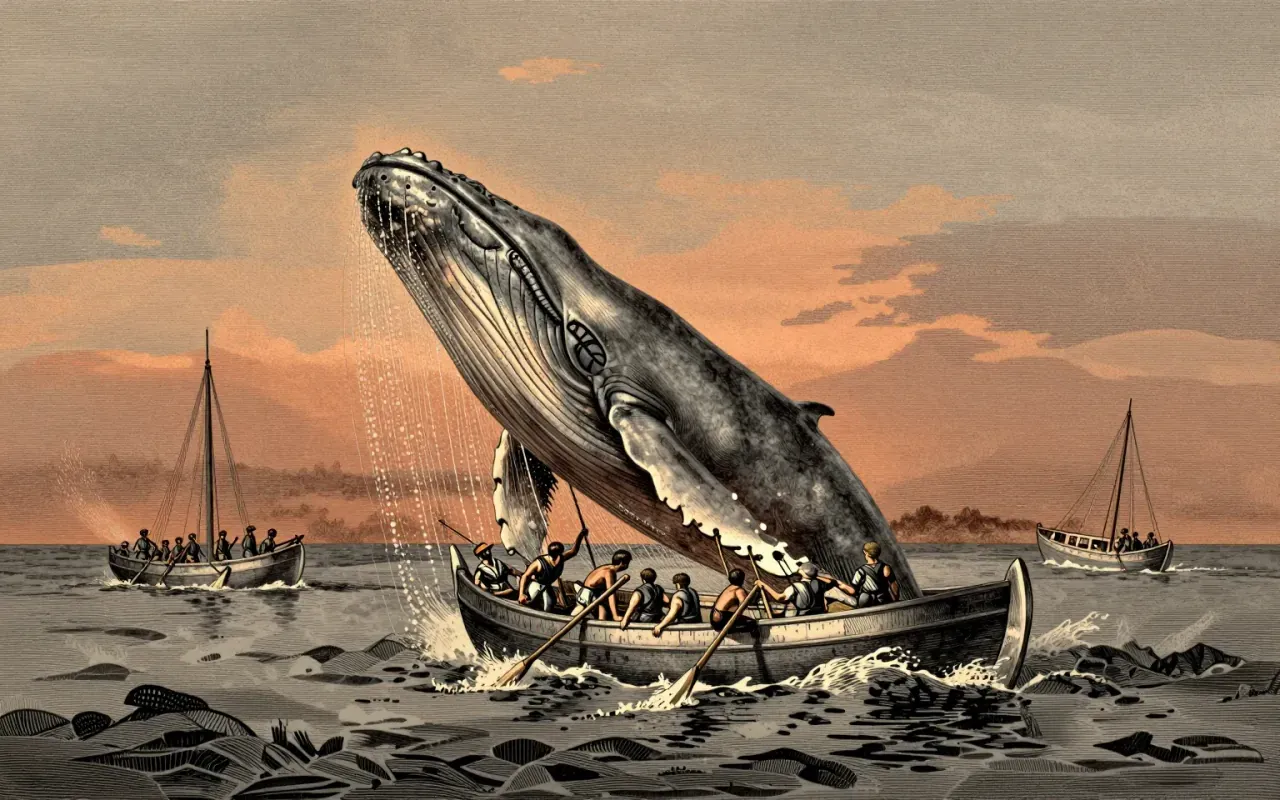
Melville's 1851 whaling epic told from the deck of the Pequod. The brief covers the three days of the chase that end the book, the characters who live it, and why reading only the whale hunt means missing the long argument that precedes it.
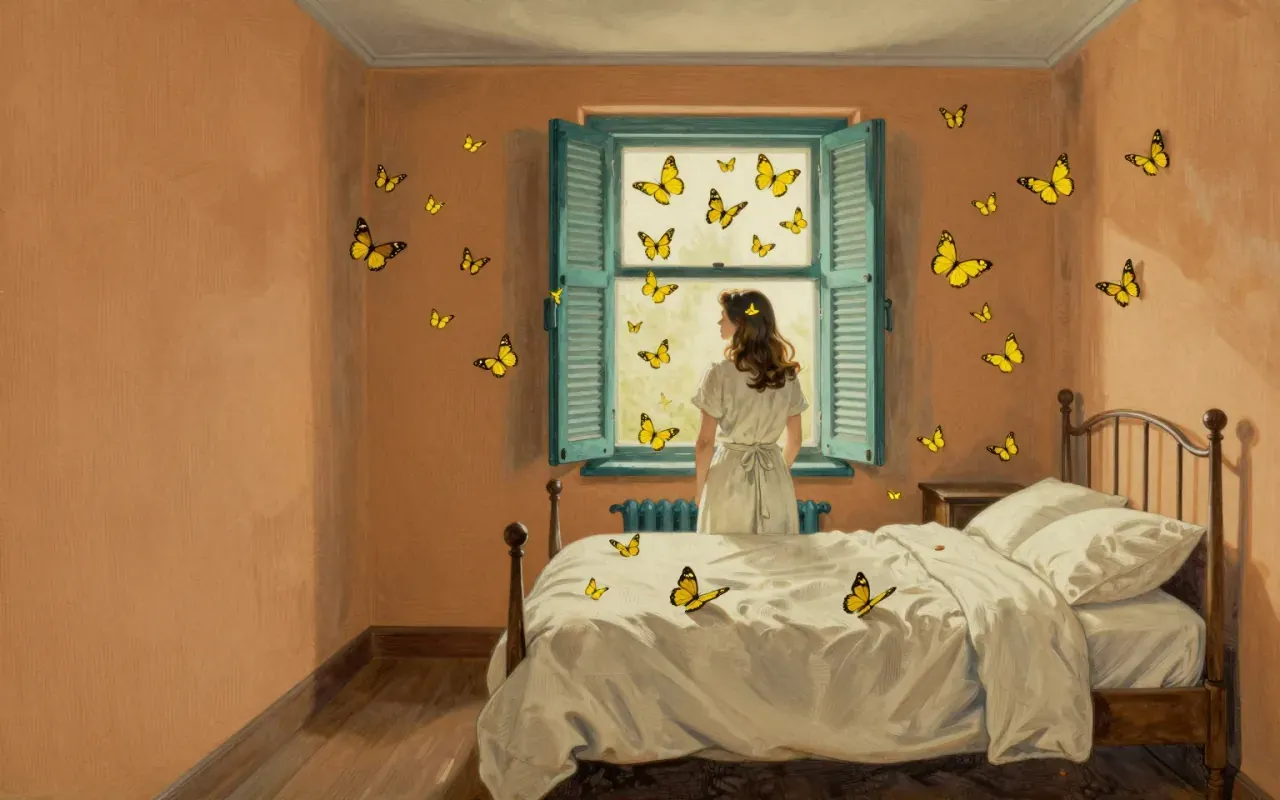
García Márquez's 1967 novel set in the fictional Colombian town of Macondo, where the Buendía family repeats the same names, mistakes, and obsessions across generations. The brief covers the structure of cyclical time, the decay of an isolated settlement, and why the magical elements are not flourish but argument about how the past swallows the present.
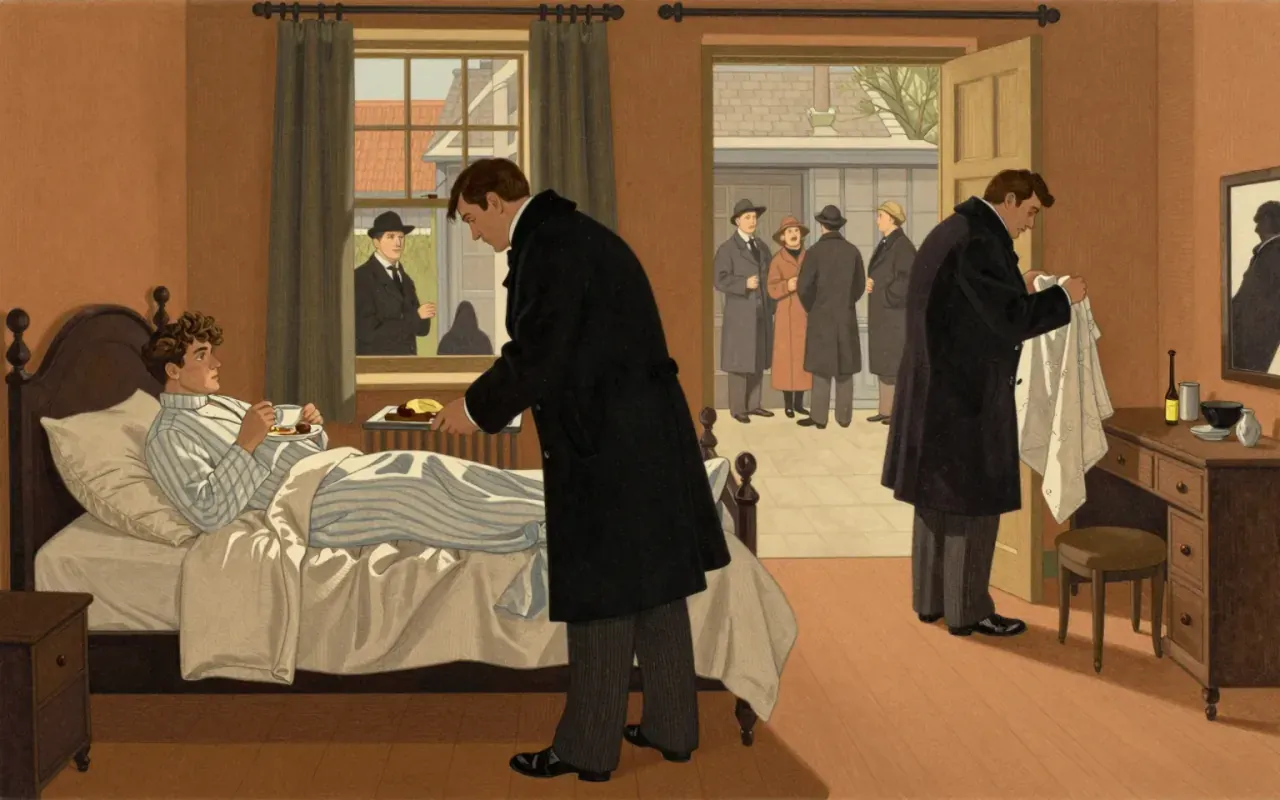
Kafka's unfinished novel about a man arrested without charges and caught in an impenetrable legal system. The brief covers what the trial actually investigates, the machinery of power behind the courts, Kafka's ambivalence about the work itself, and which chapters matter most.

Camus's first novel in a hundred and twenty pages of flat, exact prose. The brief covers the plot in one minute, the absurd in three, and why the trial is the real subject of the book.
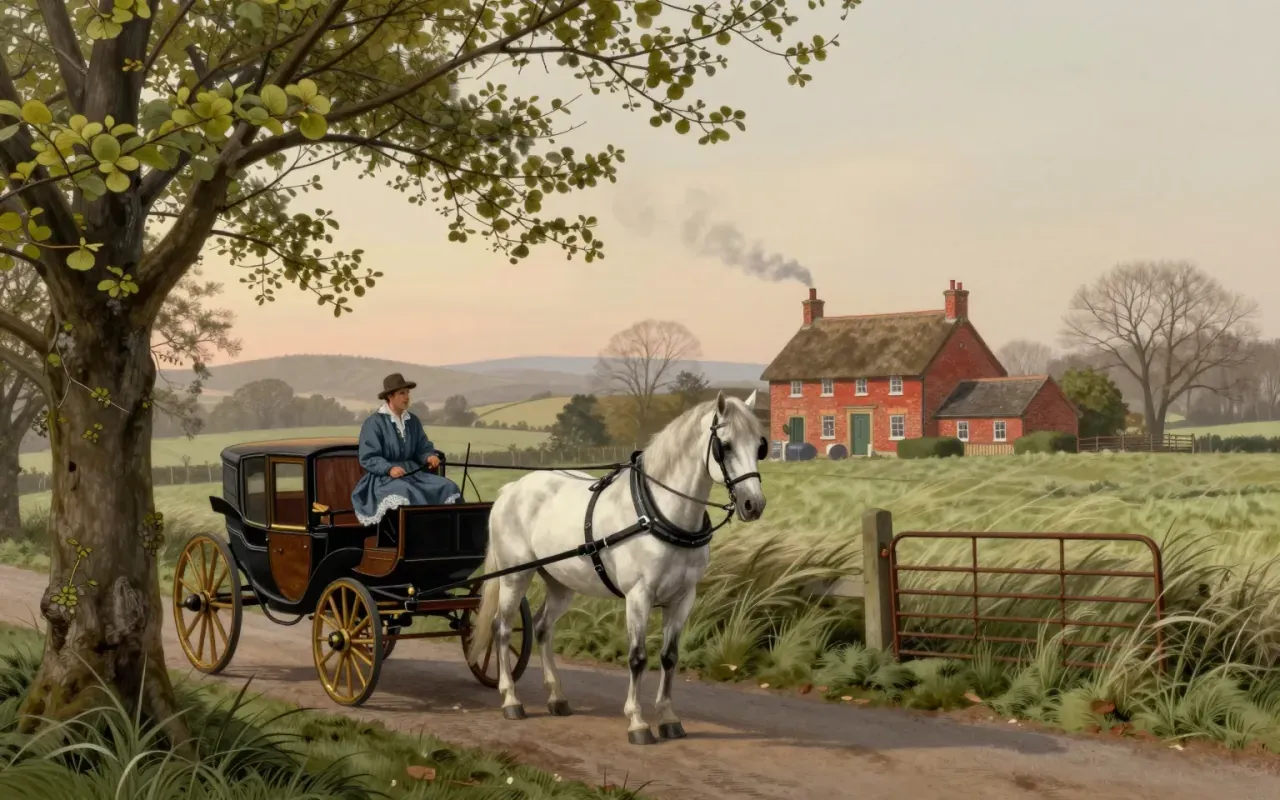
Pride and Prejudice is a satirical study of class, courtship and self‑discovery, told through Elizabeth Bennet’s razor‑sharp observations. Austen exposes the hypocrisy of Regency society with brisk dialogue and a tight plot that rewards a quick‑paced reader. The novel’s strengths lie in its memorable characters and social satire; its dated gender expectations and slow pacing may deter modern readers.
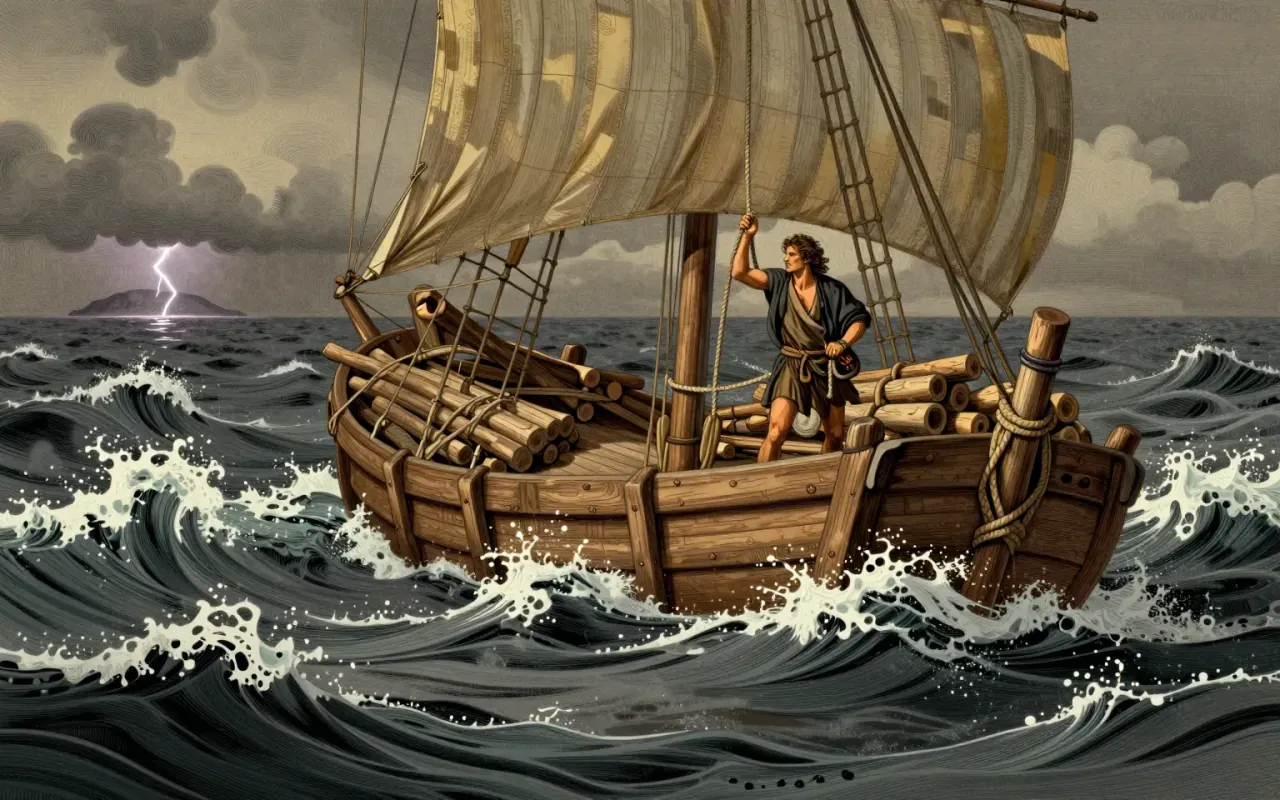
The Odyssey follows Odysseus on a ten‑year odyssey back to Ithaca, where he must outwit monsters, divine wrath, and a house overrun by suitors. The poem explores fate, hospitality, and cunning, and shows how a hero’s identity is forged by both mortal agency and divine intervention. It remains a foundational myth of Greek culture and a masterclass in epic storytelling.
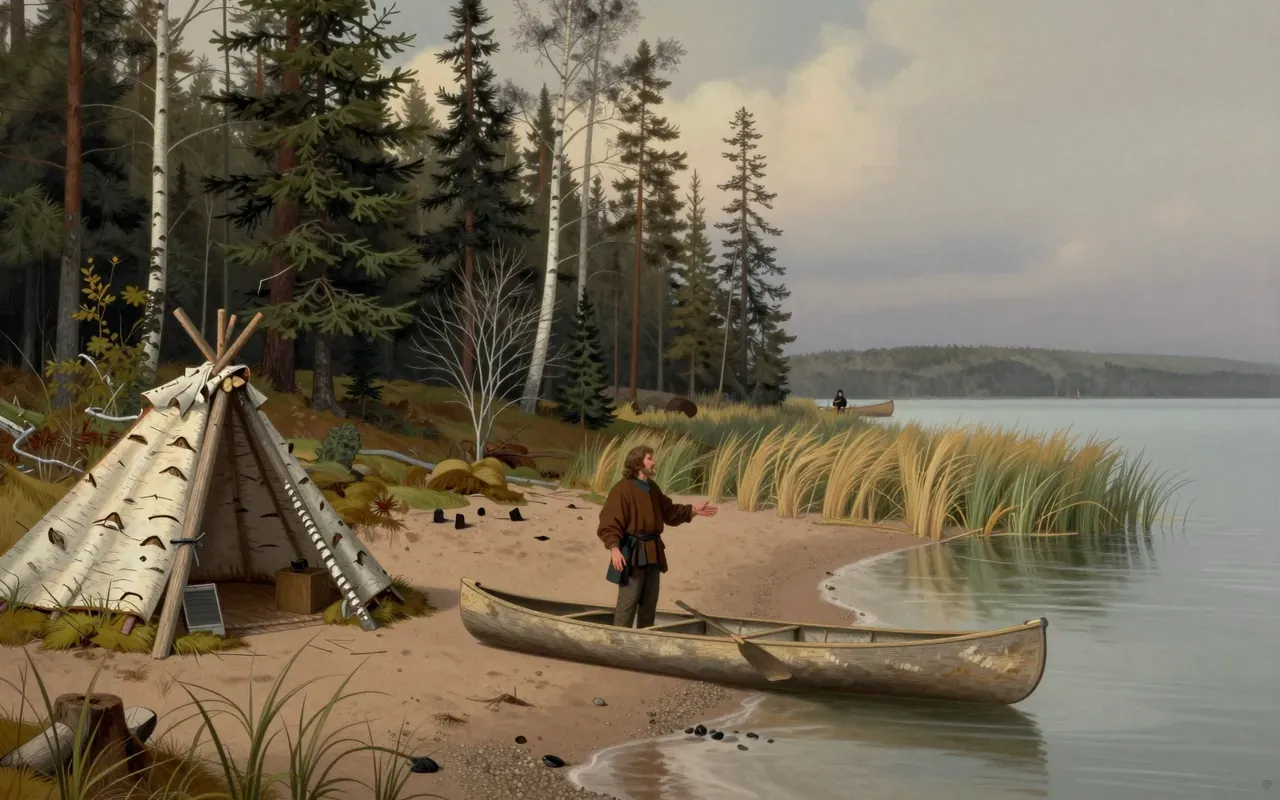
Longfellow’s 1855 poem recasts Ojibway oral tradition into a mythic biography of Hiawatha, using Kalevala metre and Romantic moral framing. It works best in its ritual moments—ghosts testing hospitality, Minnehaha’s death, Hiawatha’s departure—but fails as ethnography or theology. Read Chapters I, IV, V and XXII; skip the botanical interludes and explanatory digressions.
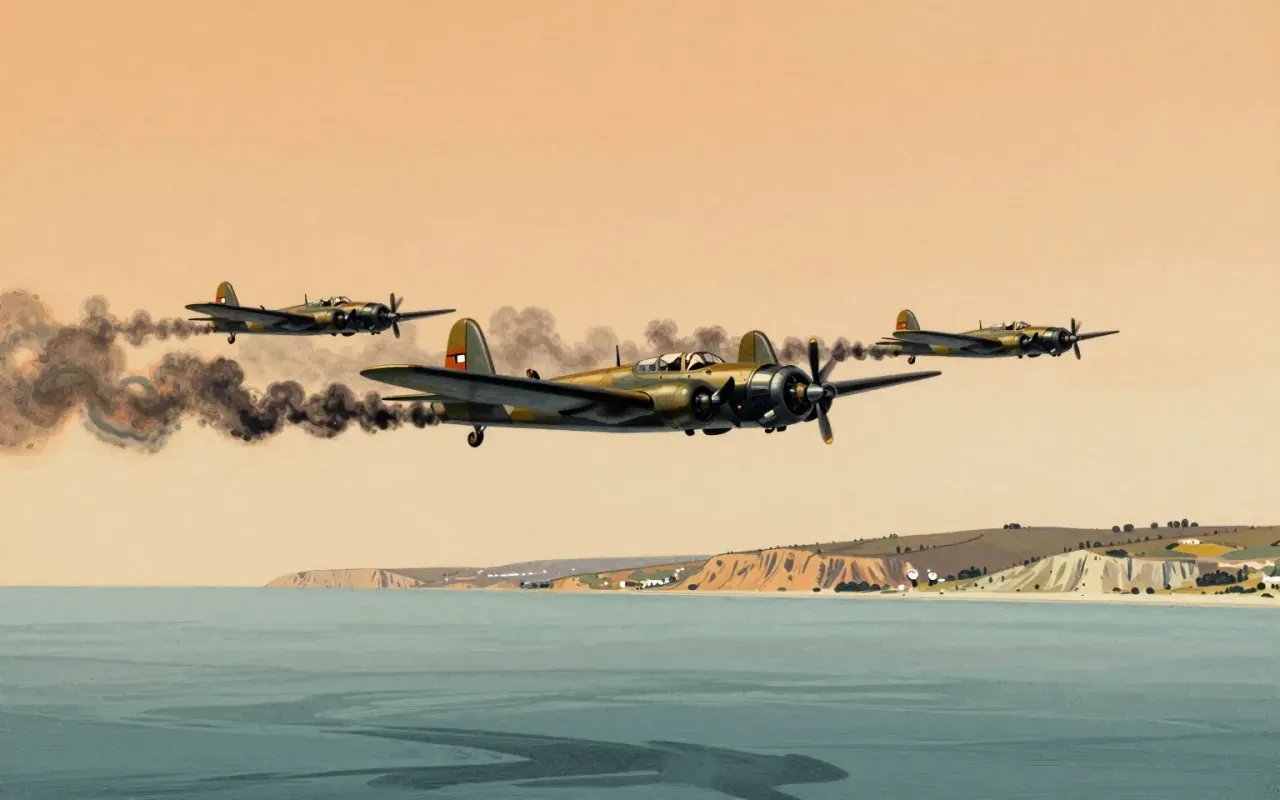
Heller's 1961 novel follows Yossarian, whose only escape from deadly bombing runs is to convince a doctor he is mad. The catch: anyone sane enough to ask is sane enough to fly. It is a circular trap, and the book is built to prove it.
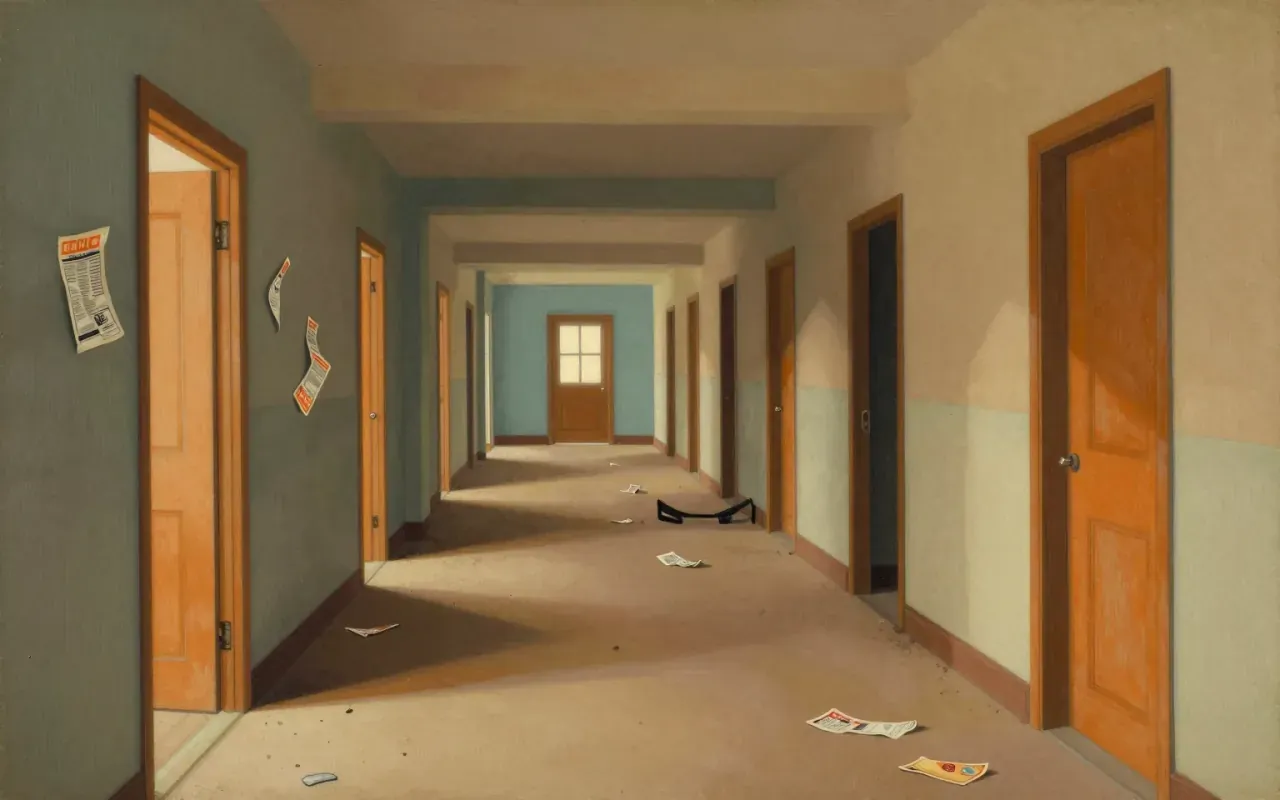
Dick's 1968 novel sets up the century's central question about AI and consciousness. The brief covers Deckard's hunt for androids, the problem of empathy, and why the book never settles the question it asks.
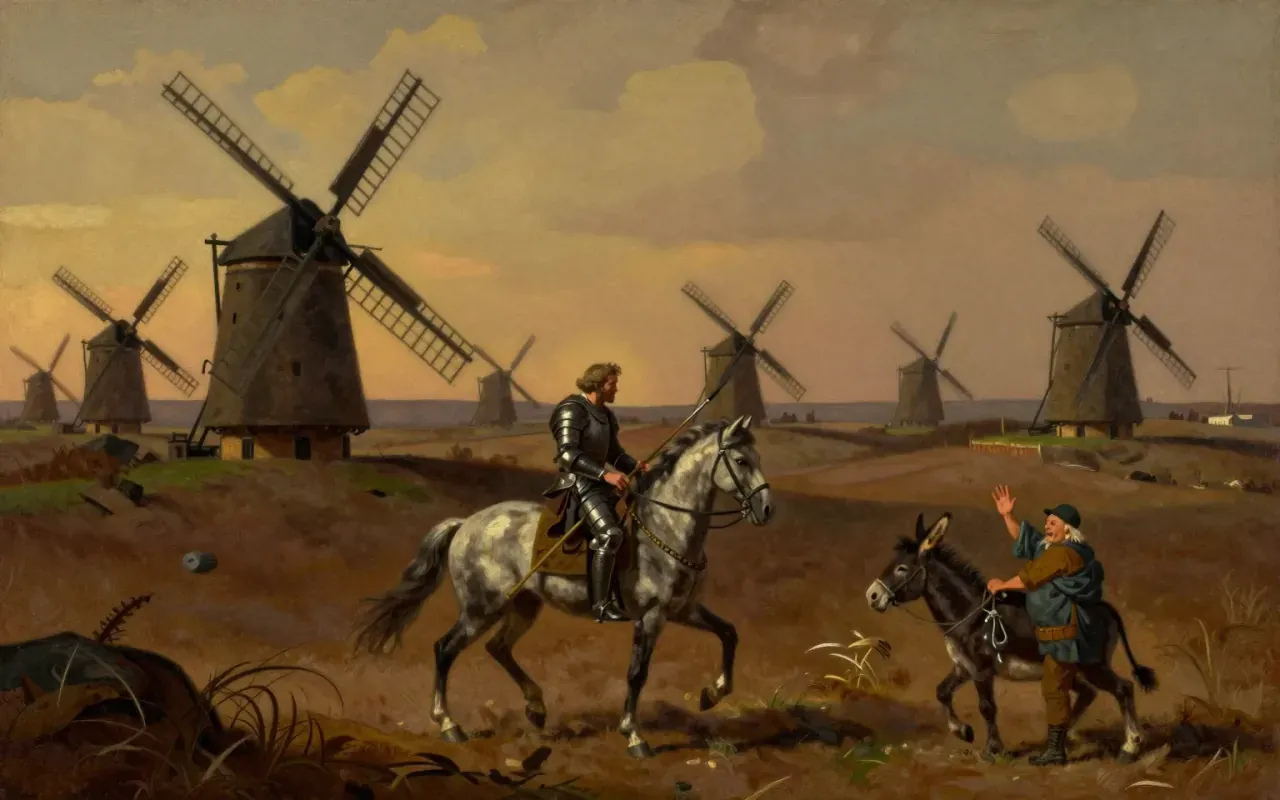
Cervantes's 1605 novel follows Don Quixote, a minor Spanish nobleman driven mad by chivalric romances who sets out as a knight-errant with his servant Sancho. The brief covers the opening madness and the machinery of the book, what makes it a satire of narrative itself, and which parts can be skipped.
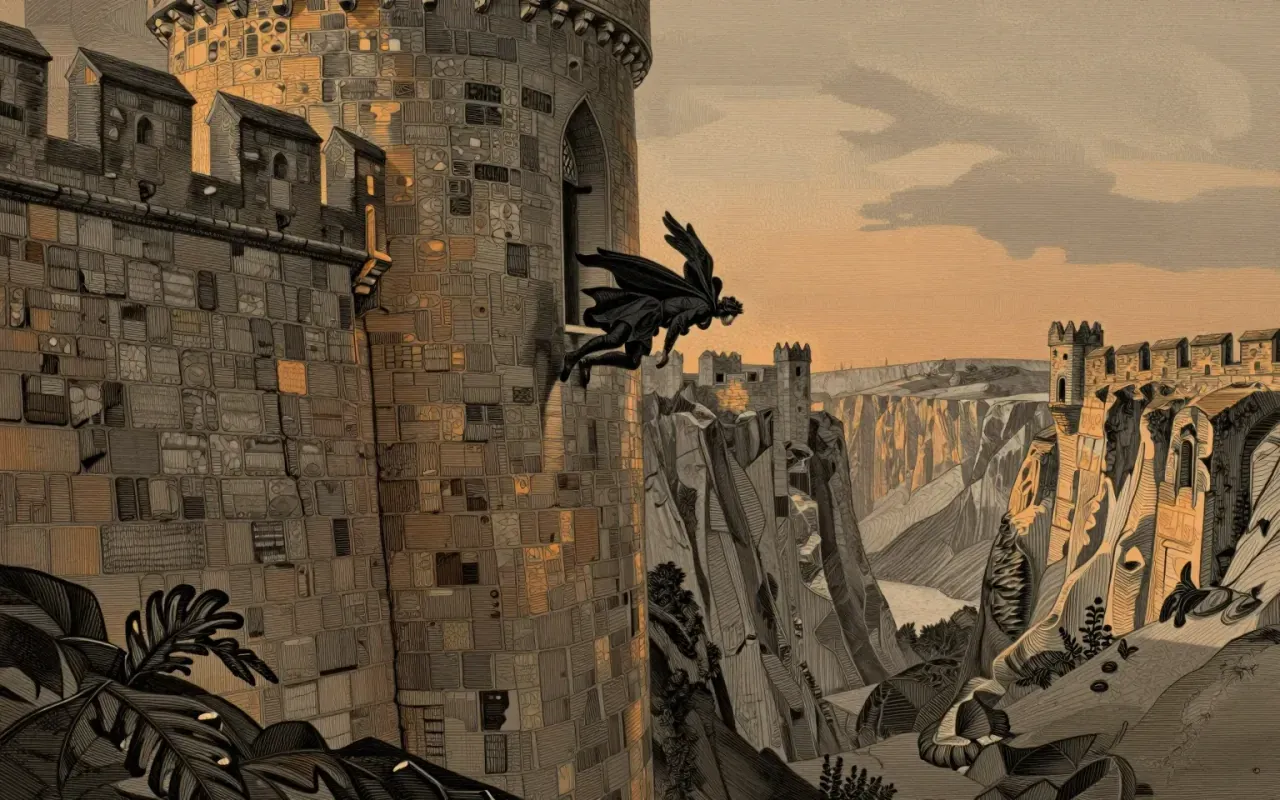
Stoker's 1897 novel, told through letters and journal entries, documents Count Dracula's attempt to establish himself in England and the small group that opposes him. The book's format is unwieldy but its construction is precise; the creature feels inevitable and the humans feel outmatched.

A math professor and three hundred thousand people are sent to the edge of the galaxy to establish a Foundation that preserves human knowledge. The book follows four crises that test whether mathematical prediction can outmaneuver political chaos and interstellar war. It is the story of how institutions outlast empires.
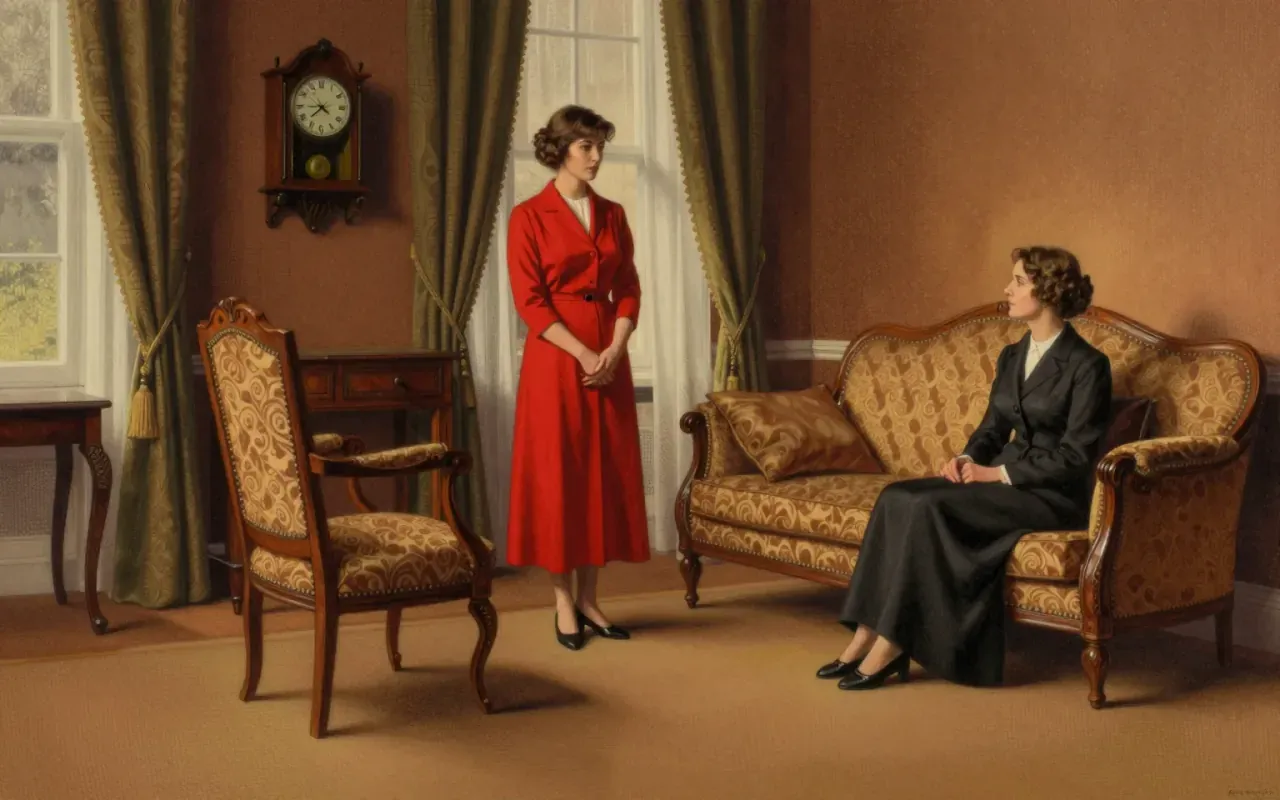
Atwood's 1985 novel follows Offred, a handmaid in the Republic of Gilead, forced to bear children for state-sanctioned rulers. It is a precise anatomization of power, gender, and the small rebellions that survive totalitarianism.
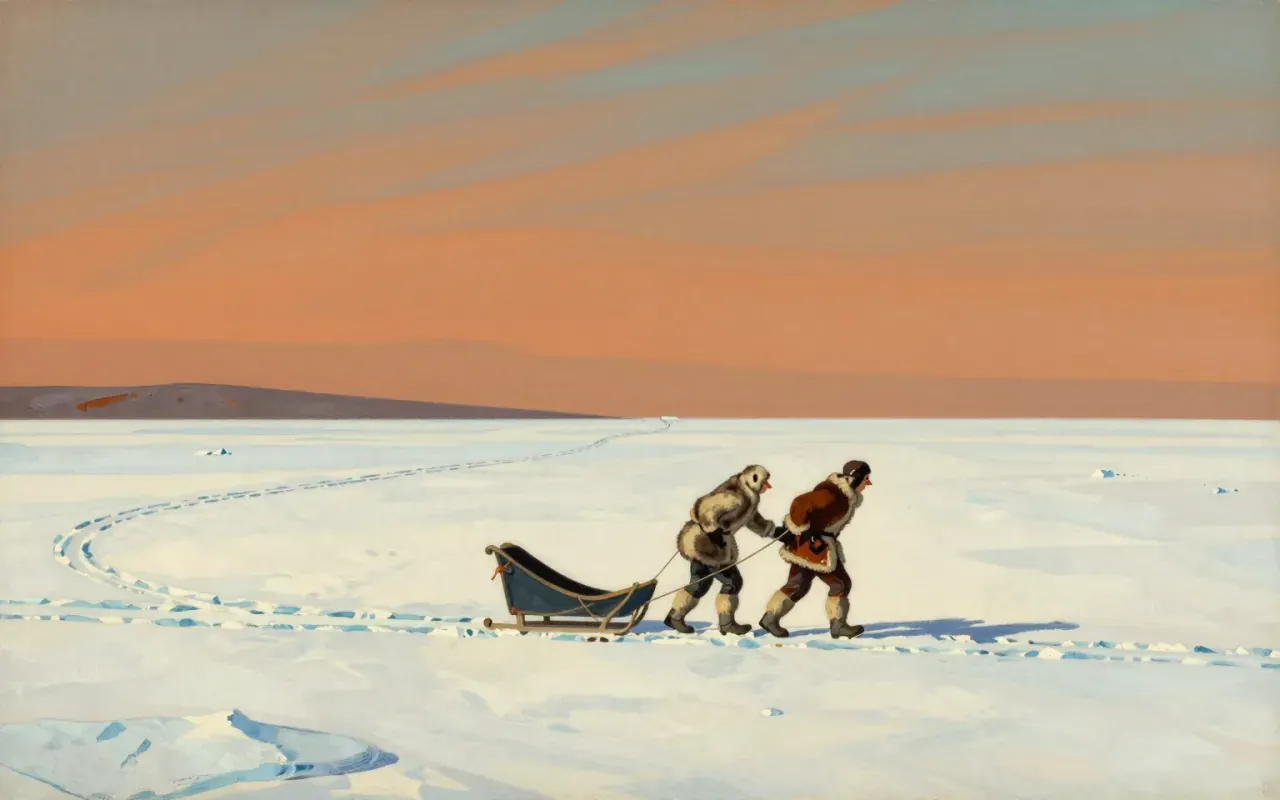
Le Guin's 1969 novel constructs a gender-free society and uses it to strip away assumptions. The brief covers why Gethen matters, what the gender premise actually reveals, and the survival plot that forces intimacy between adversaries.
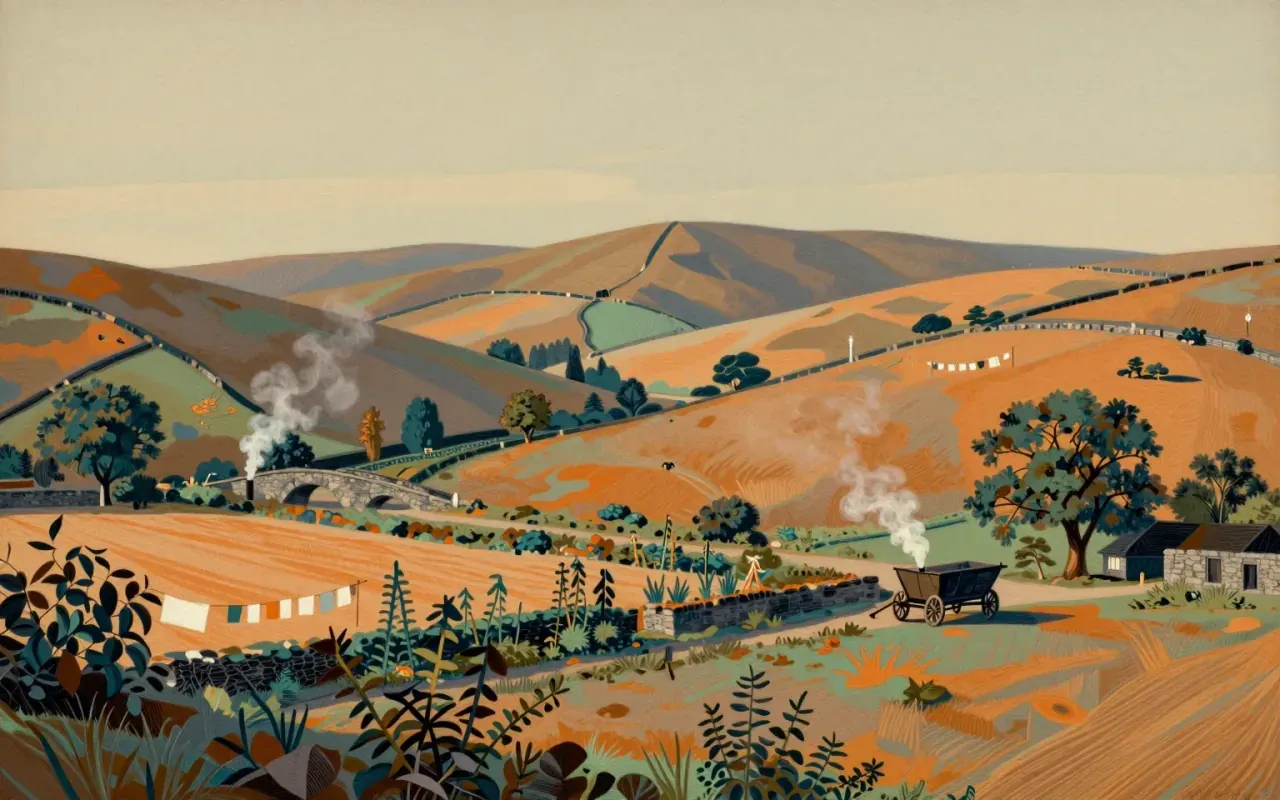
Tolkien's trilogy (1954-55) established the modern fantasy epic. The brief covers the quest's architecture, the languages he invented to hold it, and why the appendices might outweigh the text.
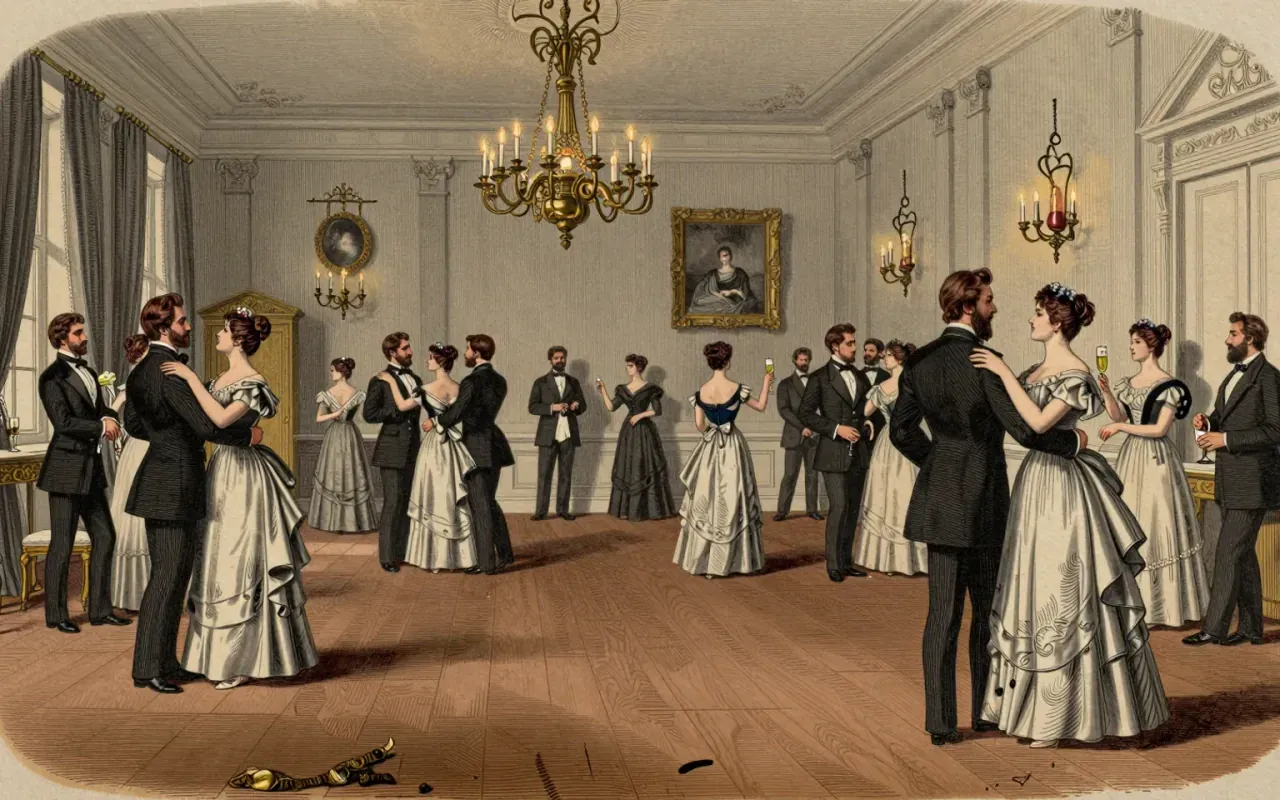
Flaubert's 1856 realist novel set in provincial France. Emma Bovary, educated beyond her station, pursues romantic fantasies that her actual life—marriage to a dull country doctor—can never deliver. The book is about how desire becomes destructive in a world that offers no outlet for it.
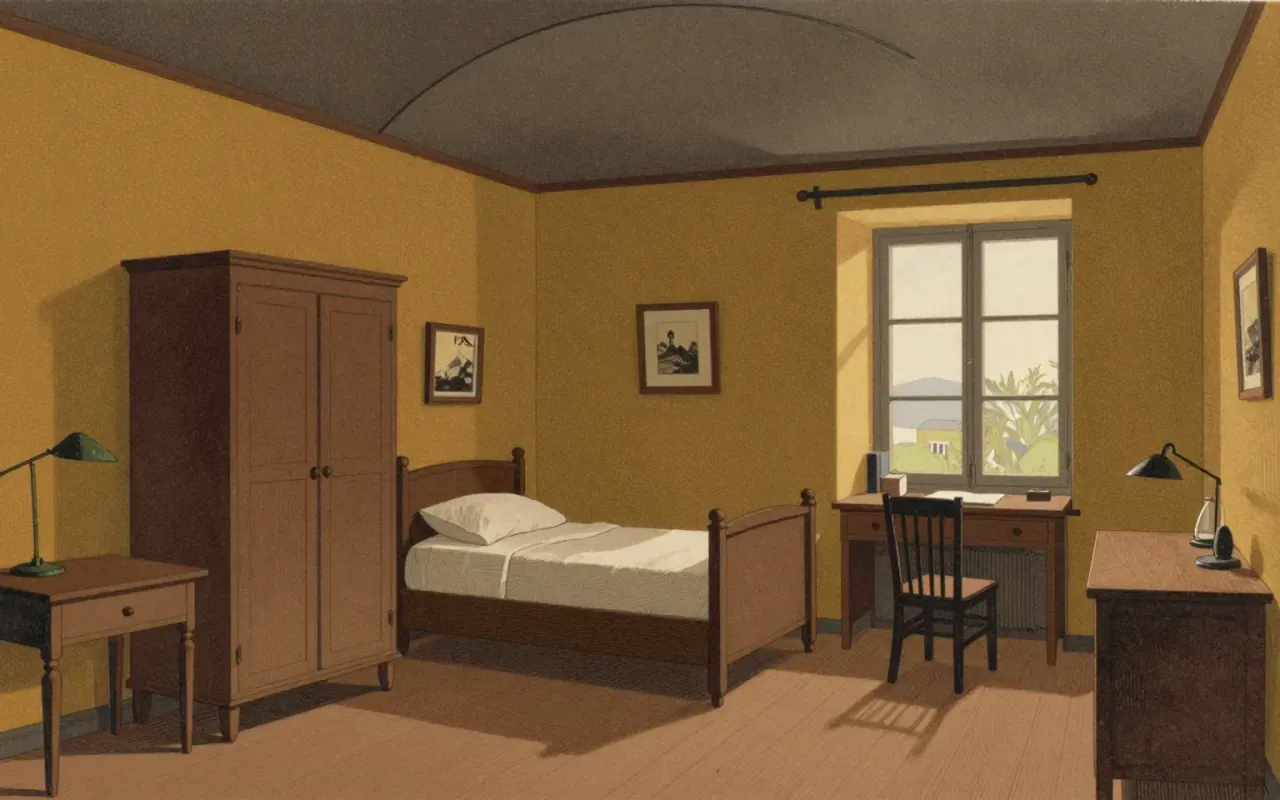
Kafka's 1915 novella in seventy pages of exact prose. A man becomes an insect overnight. The story is not about the transformation; it is about what comes after, and what it reveals about work, family, and obligation.
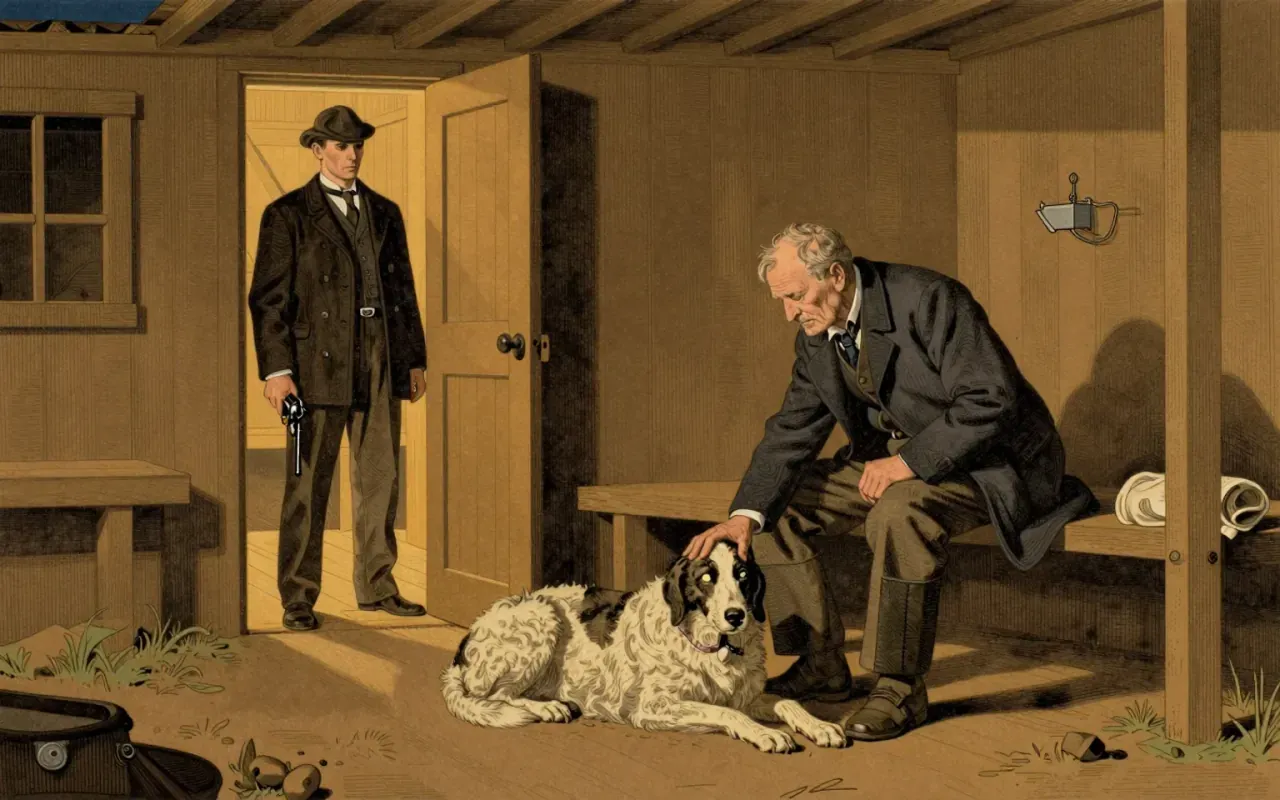
Steinbeck's novella in a hundred pages about George and Lennie, migrant workers during the Depression, and what happens when a dream meets the world. The brief covers their plan and why it fails, then the impossible choice at the end.
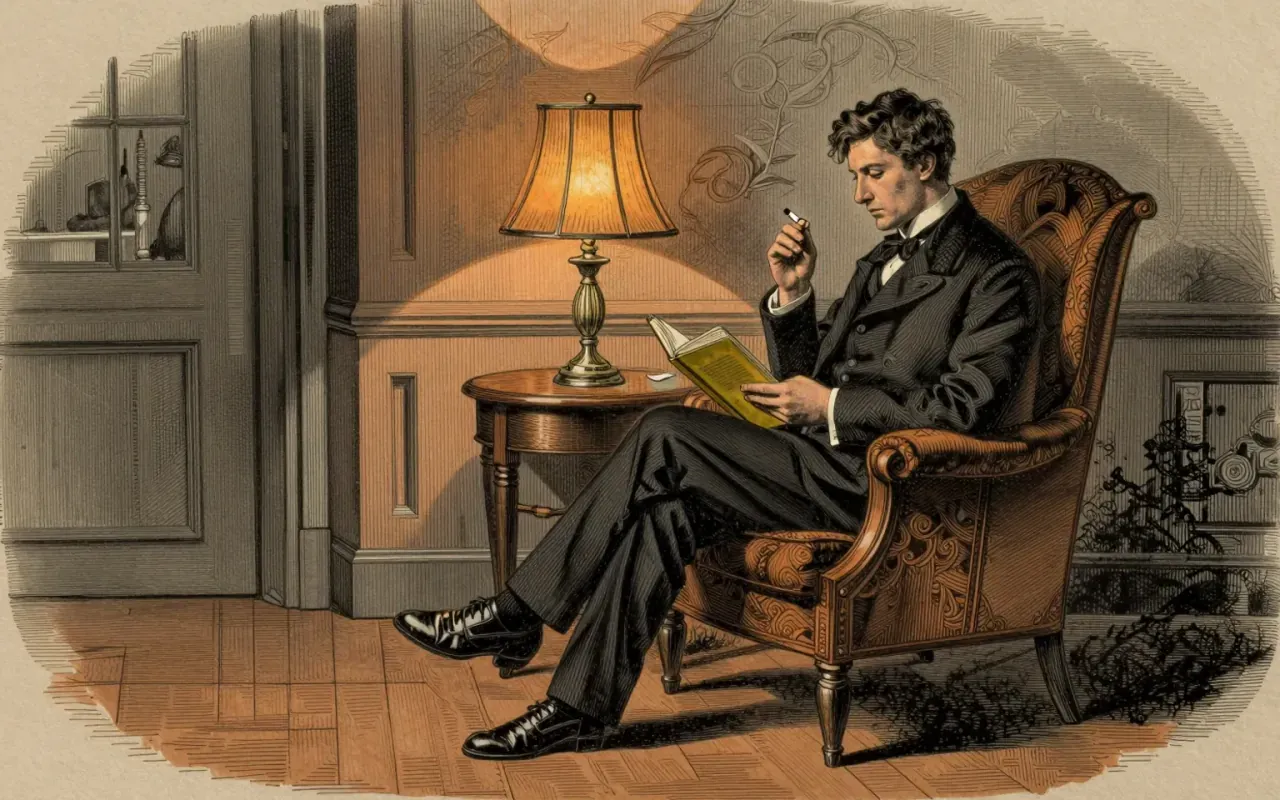
Wilde's only novel, 1890, a portrait that ages while its subject remains frozen at twenty-five. The brief covers the pact, the corruption, why the painting becomes the moral record the man refuses to be, and what breaks first.
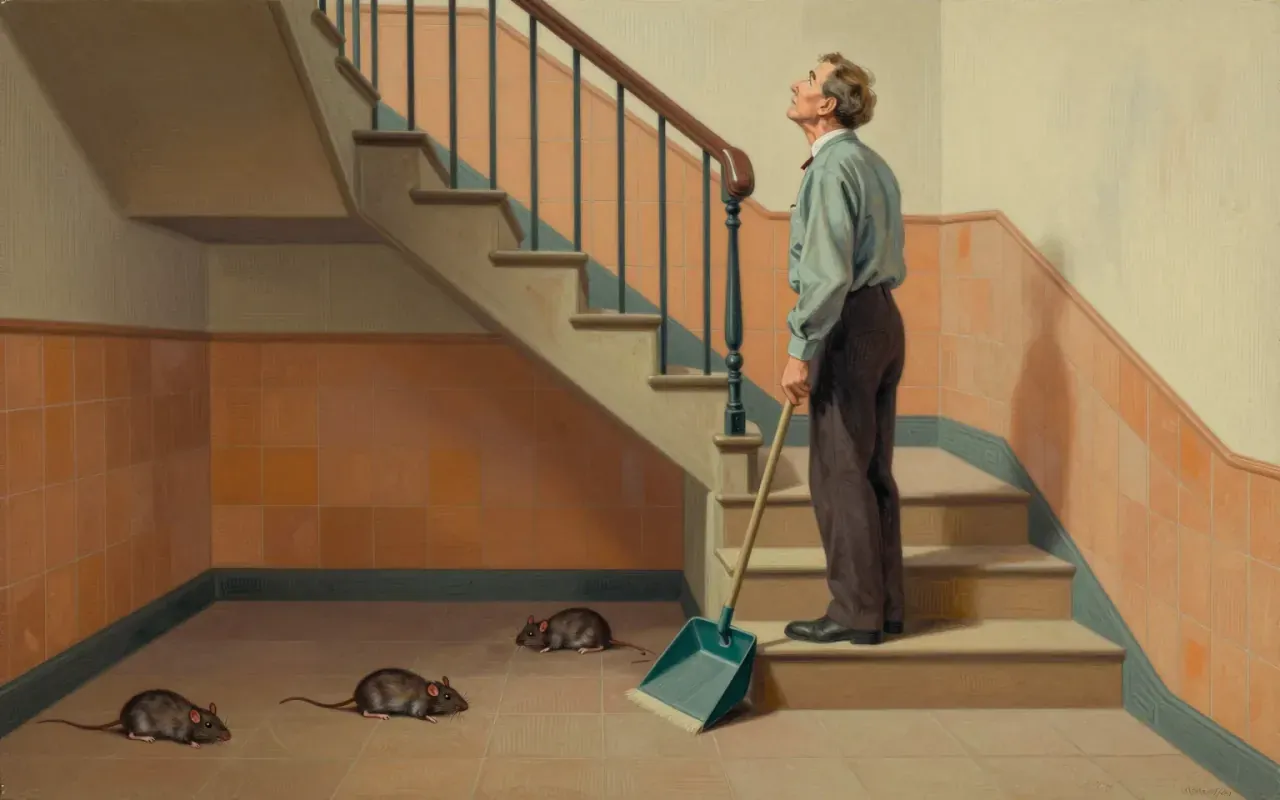
Camus's 1947 novel of collective crisis. It's not really about a plague: it's an essay on solidarity, responsibility, and what keeps you acting when survival makes sense but meaning does not.

Stephenson's breakthrough novel from 1992 that imagined the metaverse two decades before it became a buzzword. The brief covers the plot in two minutes, the vision in four, and which parts hold up.
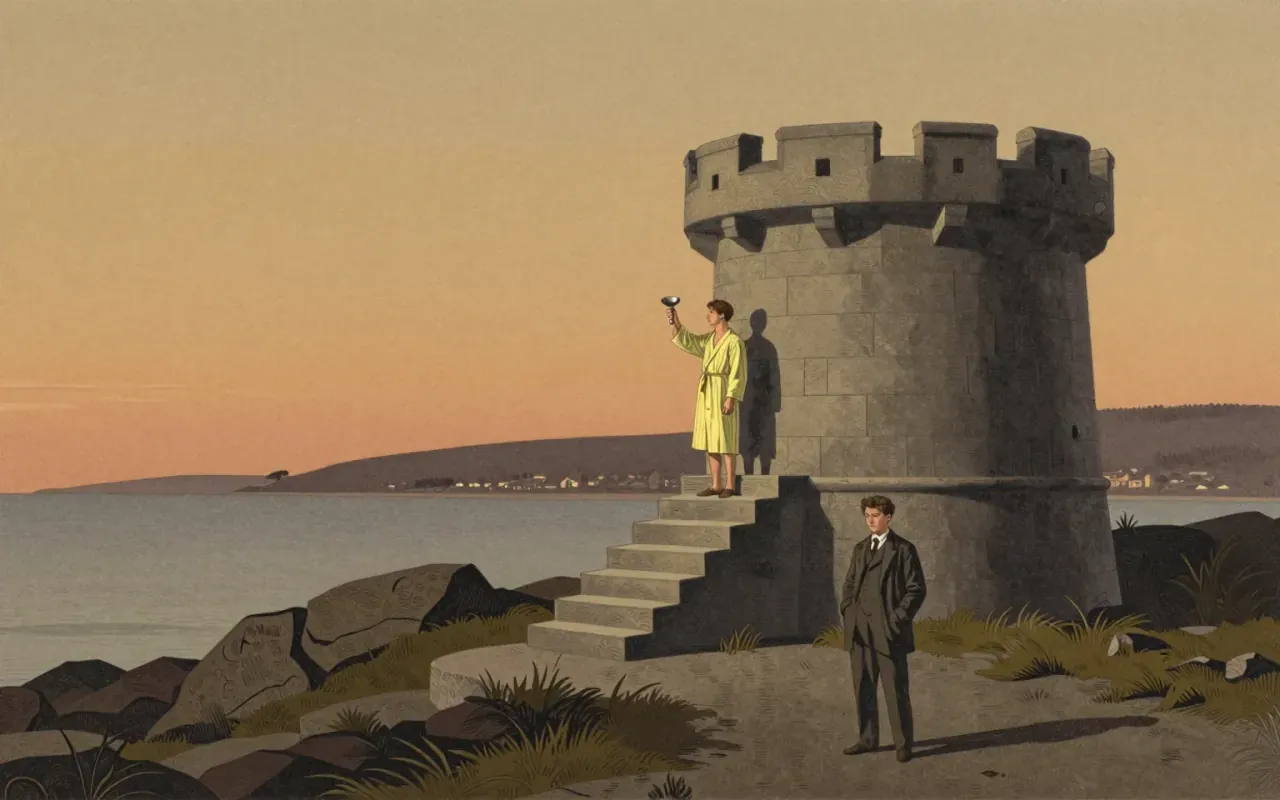
Joyce's 1922 novel narrates June 16, 1904 in Dublin through stream-of-consciousness prose and multiple narrative styles. At seven hundred and thirty pages, it has become the prototype for modernist difficulty, rewarding those who engage with its experimental form.
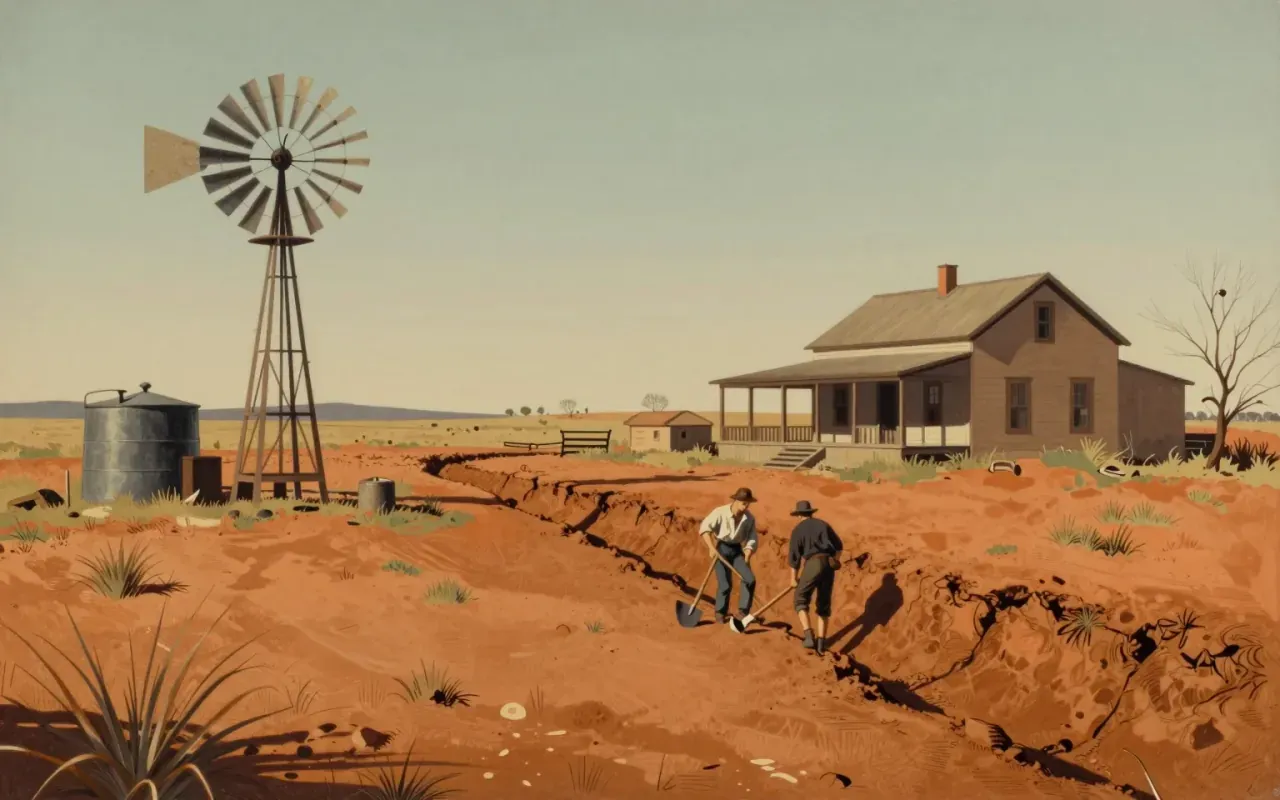
Steinbeck's 1952 masterpiece spans generations in California's Salinas Valley, following the Trask and Hamilton families through cycles of moral struggle. The brief covers the dual narrative structure, the philosophy of timshel (the ability to choose your nature), and why this is Steinbeck's most ambitious work.
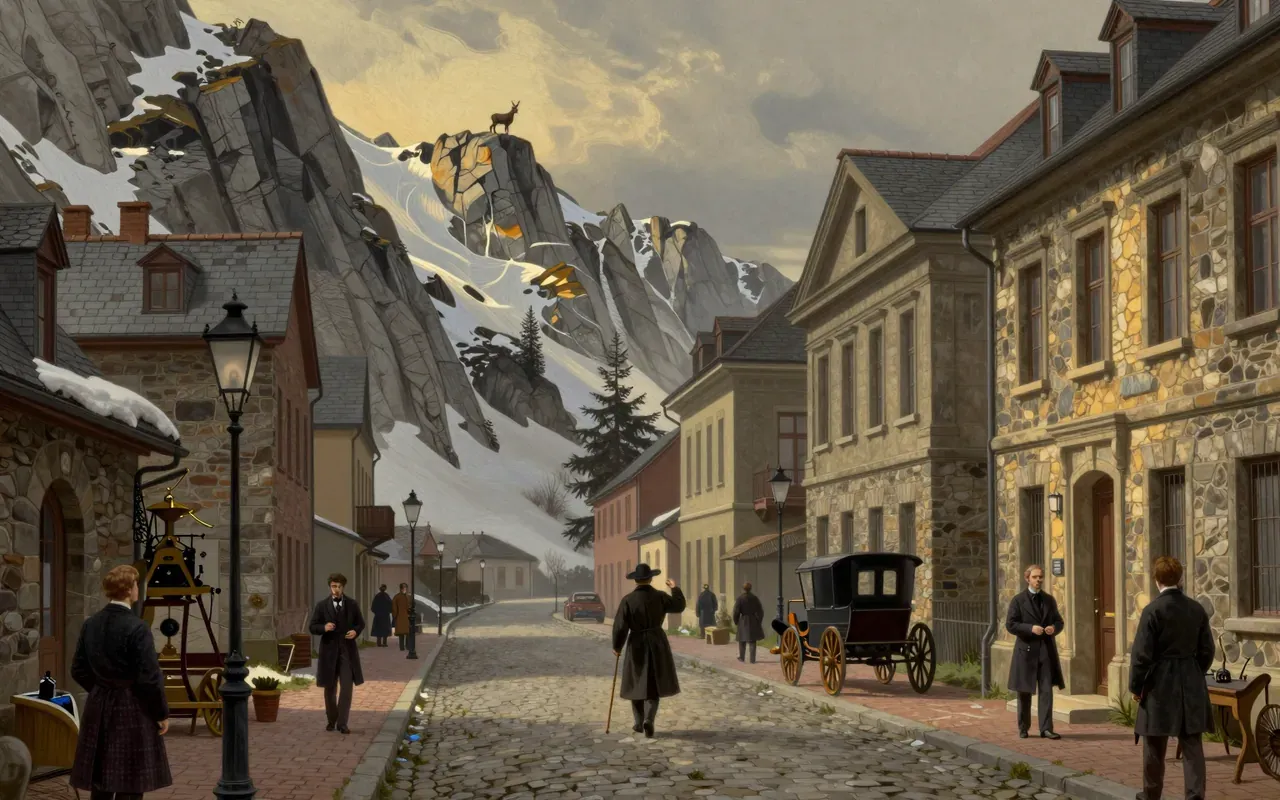
The book argues morality is not discovered but created by power, truth is perspectival and life-serving, and nobility arises only where hierarchy is institutionalised. It works best in fragments—especially Chapters IV, V and IX. Skip Chapter VI: its attack on scholars is dated and underdeveloped.
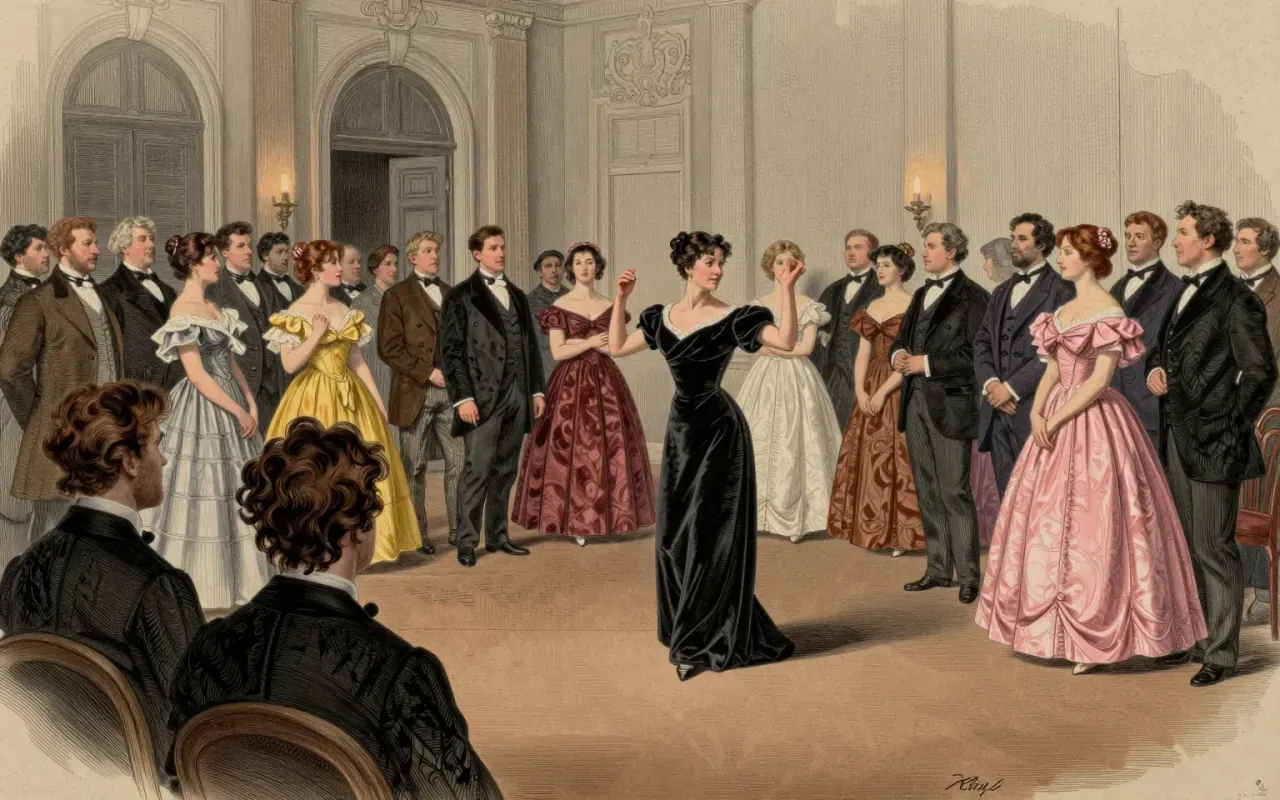
Tolstoy's 1878 novel follows multiple lives in Russian society—the affair between Anna Afremova and Count Vronsky, alongside Levin's marriage and search for meaning through farming. The book argues that domestic life is not private. Who you are is determined by the society around you, and defying it has a cost.
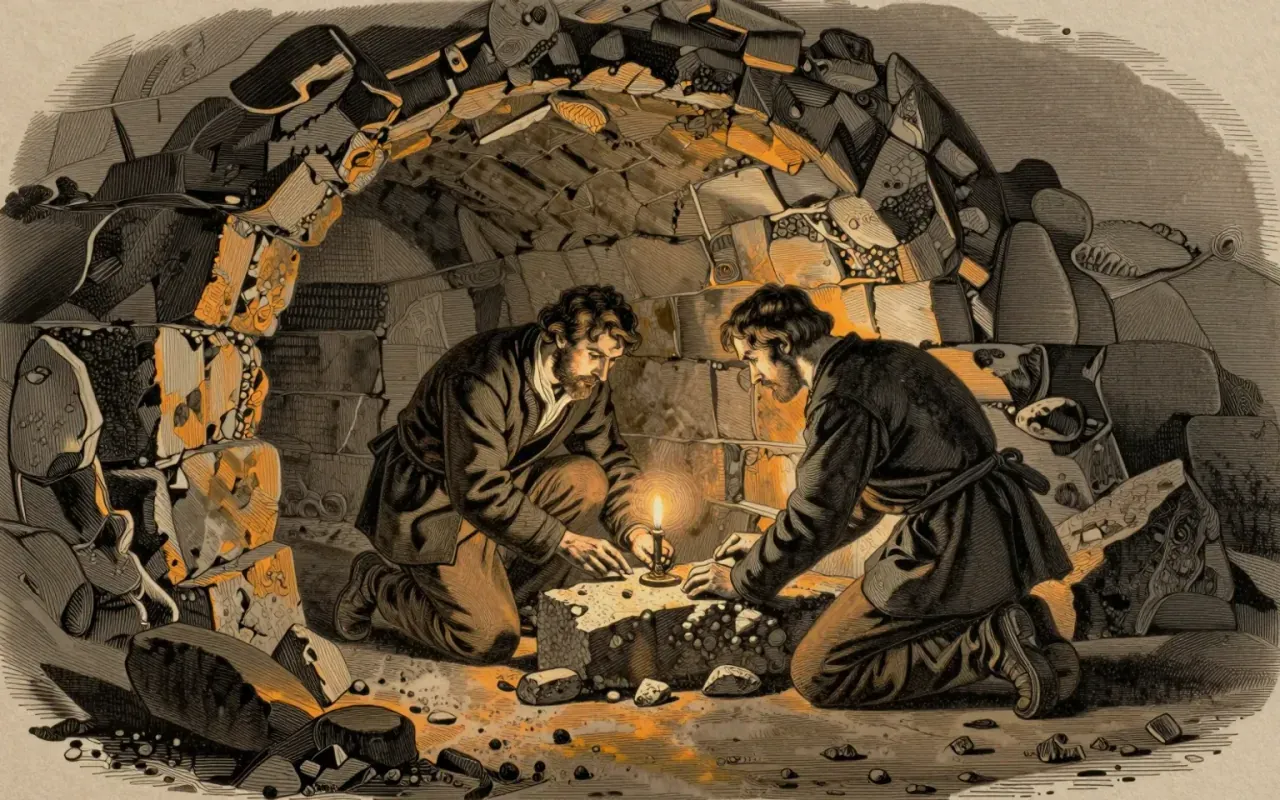
Dumas's 1844 novel follows Edmond Dantès from his wrongful imprisonment in the Château d'If through his escape and transformation into the Count of Monte Cristo. A masterwork of plot, it balances elaborate revenge with questions about justice, retribution, and mercy.
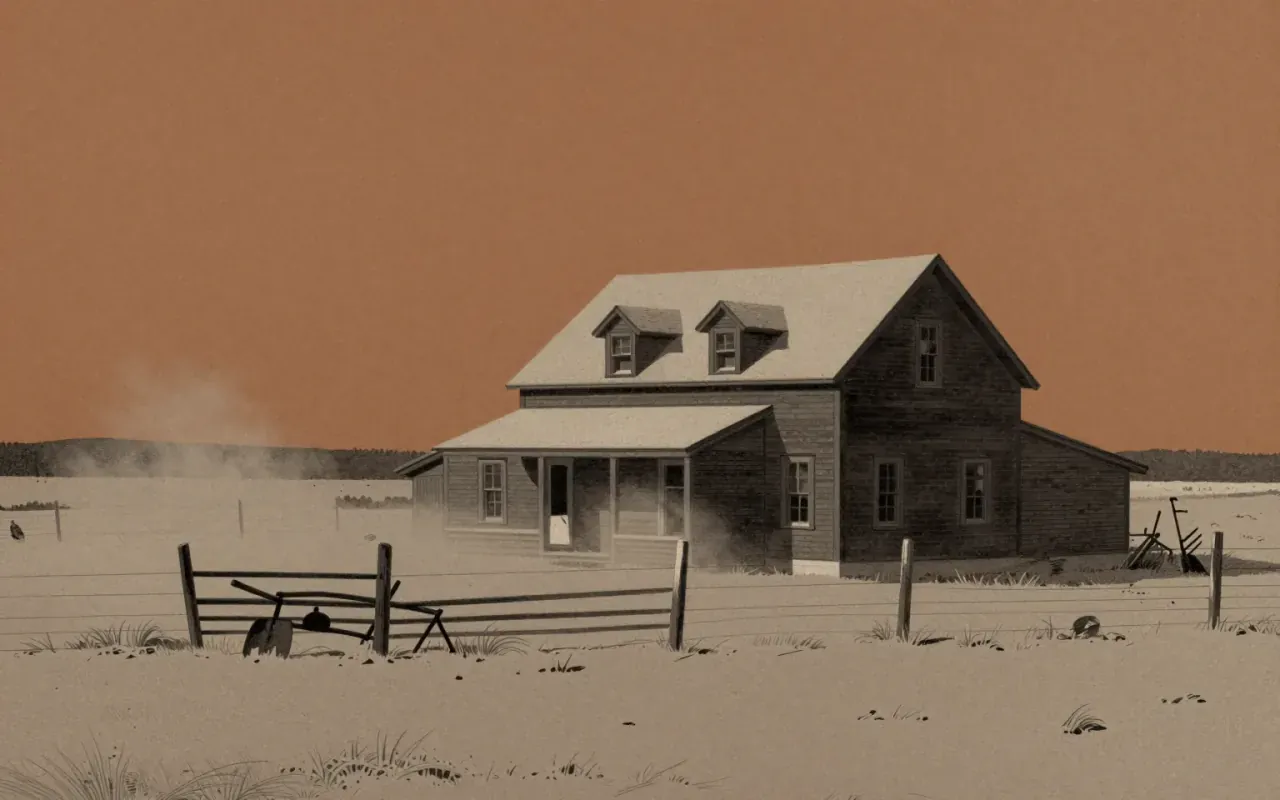
Steinbeck follows the Joad family from Oklahoma to California during the Great Depression. The novel argues that personal survival alone is meaningless; consciousness must shift from individual to collective. Its ending insists that dignity lies in solidarity.
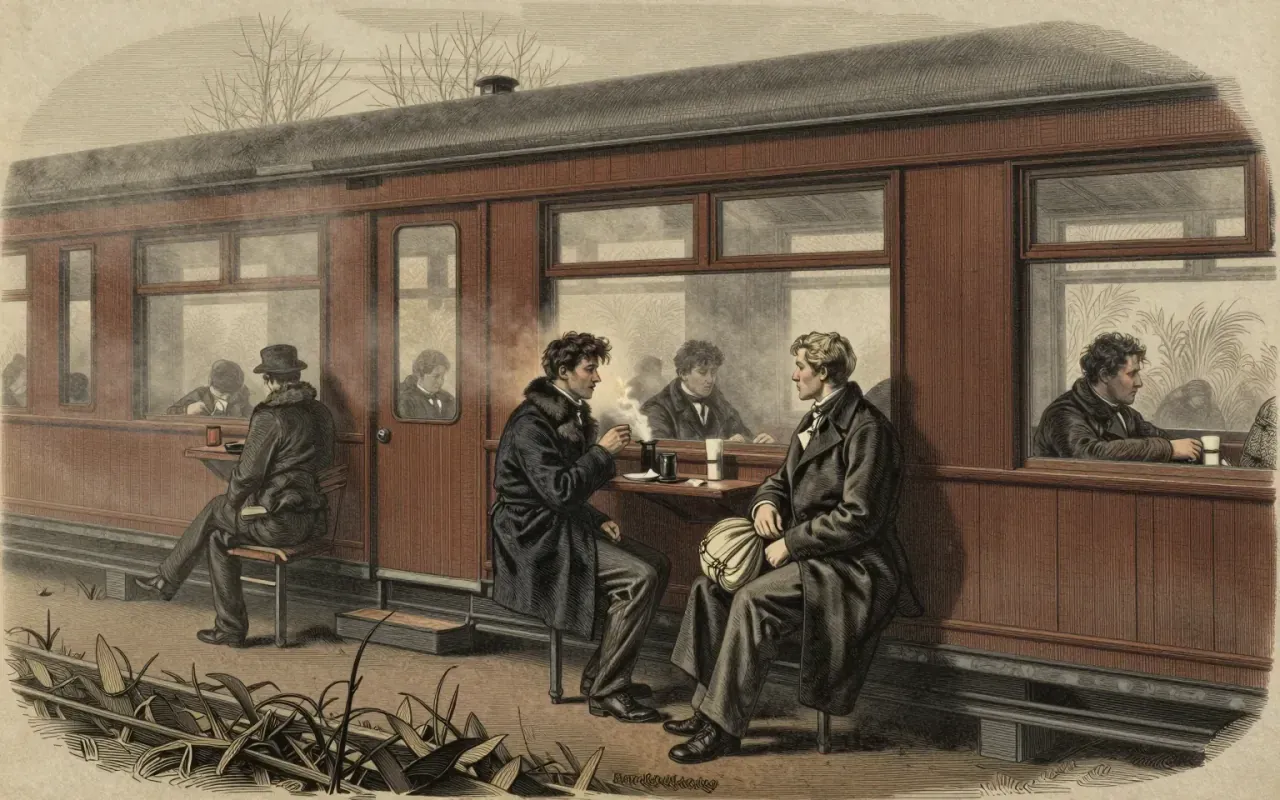
Dostoevsky's 1869 novel follows Prince Myshkin, a man of genuine virtue in a corrupt Russian society, as his innocence collides with greed, vanity, and cruelty. The novel treats moral purity as a defect, not an ideal, and offers no redemption for it.
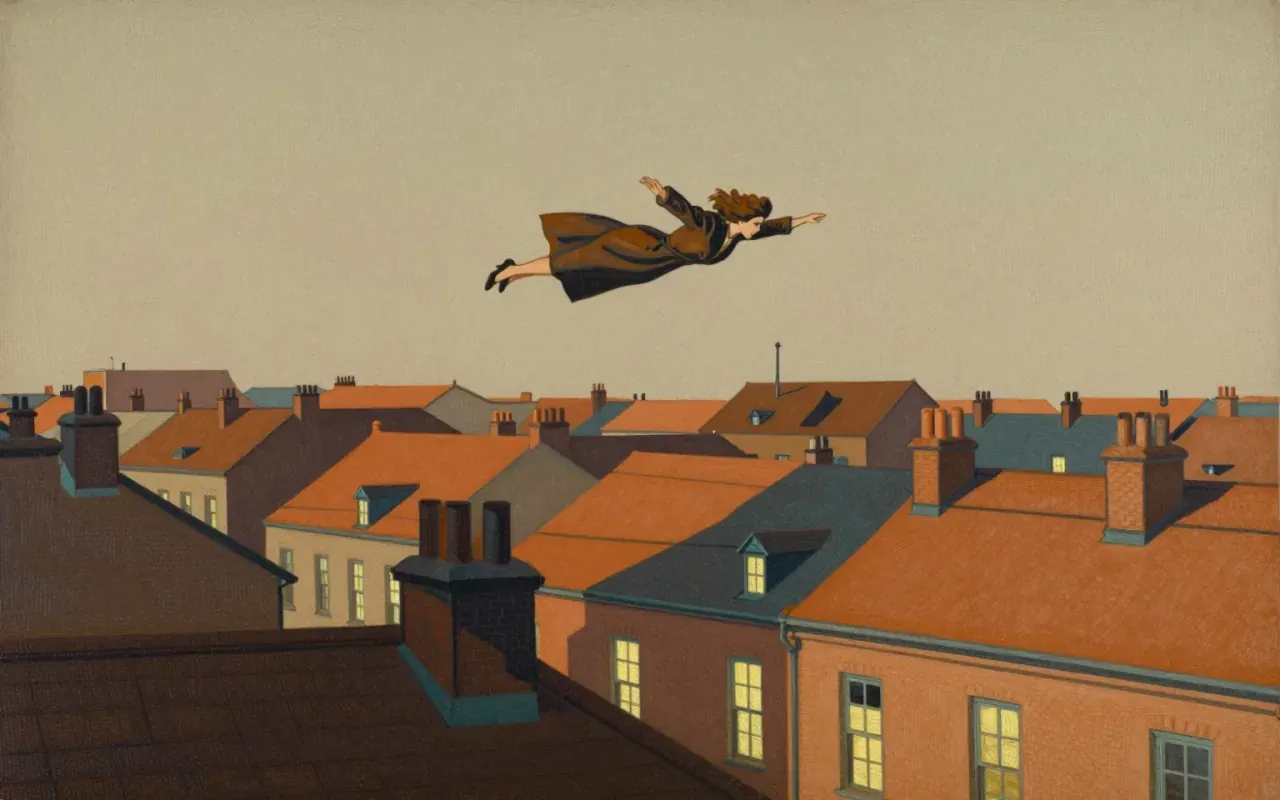
Bulgakov's 1967 novel, written in secret over a decade and banned until his death, weaves together three narratives. The brief covers the plot in two minutes, the political allegory in three, and why the book survived suppression to become one of the century's definitive critiques of authority.
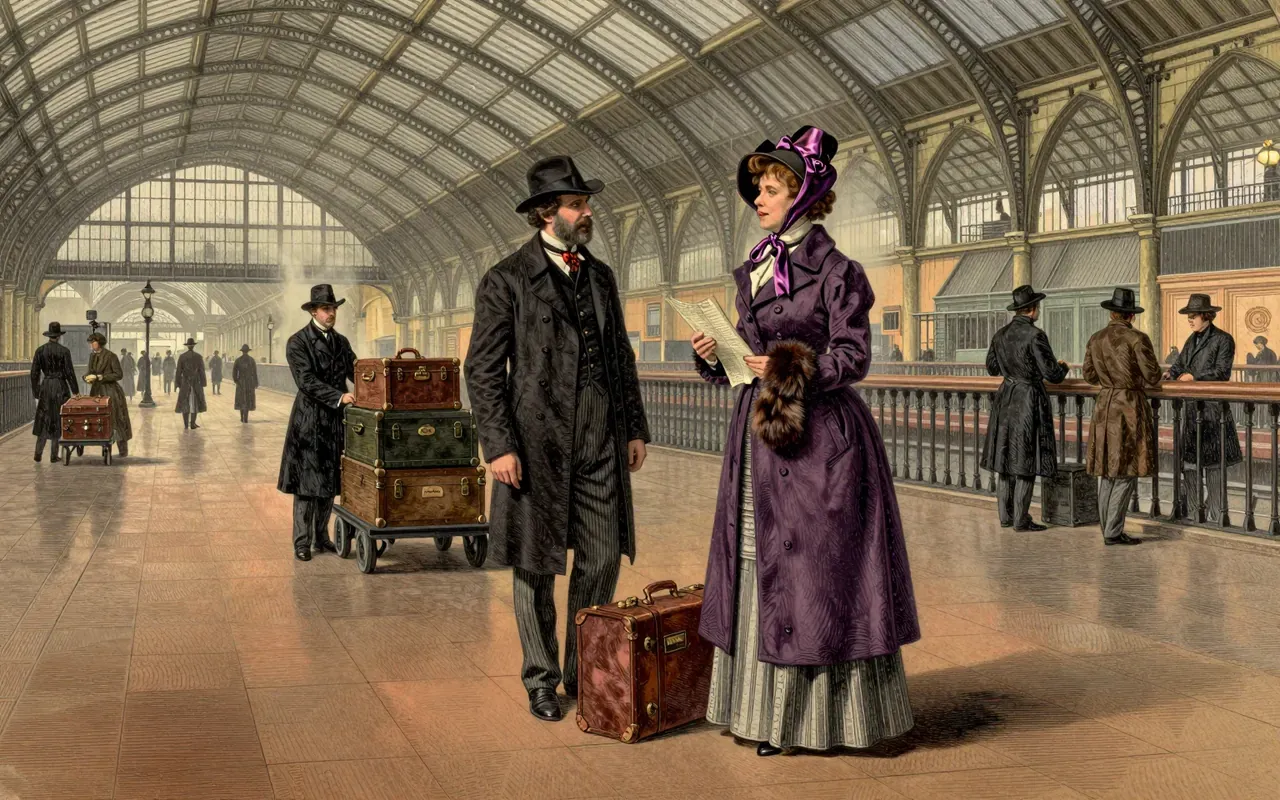
A satirical three-act play that reduces Victorian respectability to linguistic games. It works because every line lands like a scalpel, not a sermon. Skip any production that treats it as heart-warming—it is not.
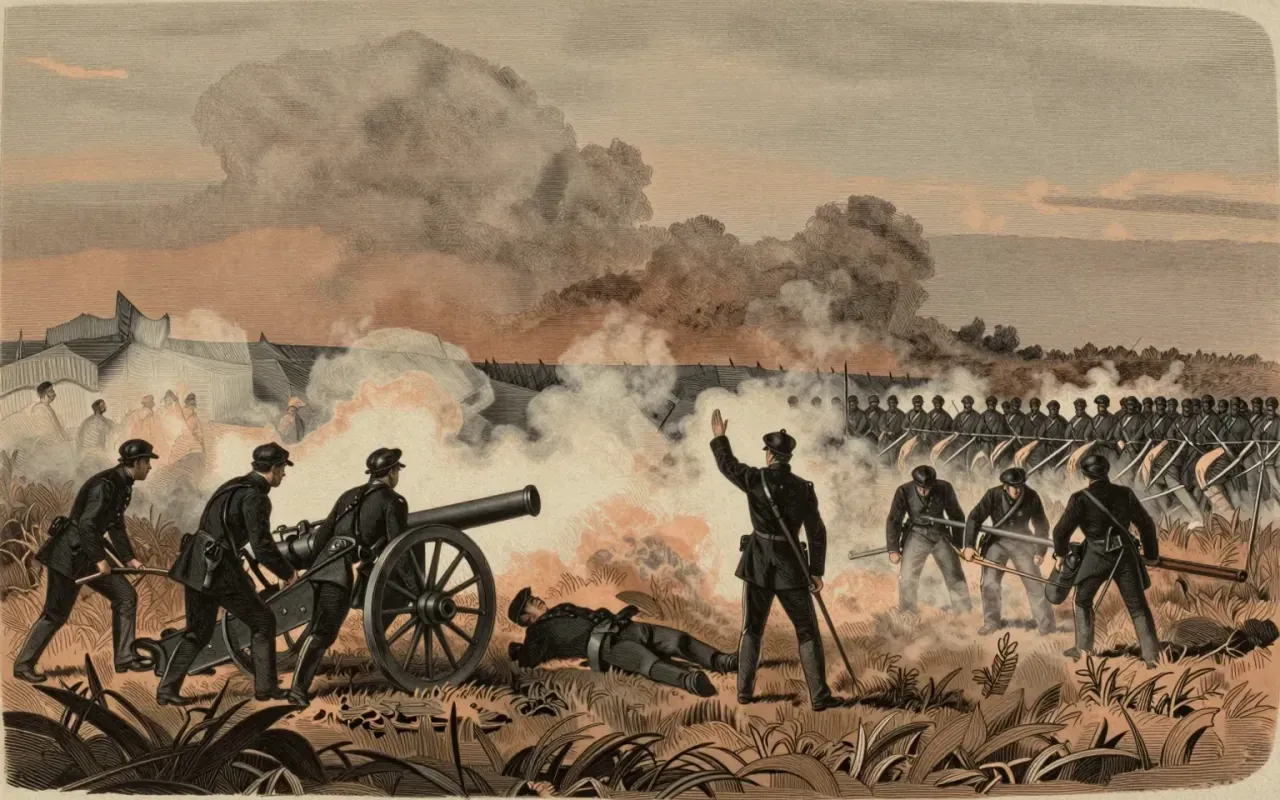
Tolstoy's 1869 epic follows five aristocratic families through twenty years of Russian history. The brief covers the plot in two minutes, the philosophy in five, why the theory of history is the real argument, and which sections actually matter.
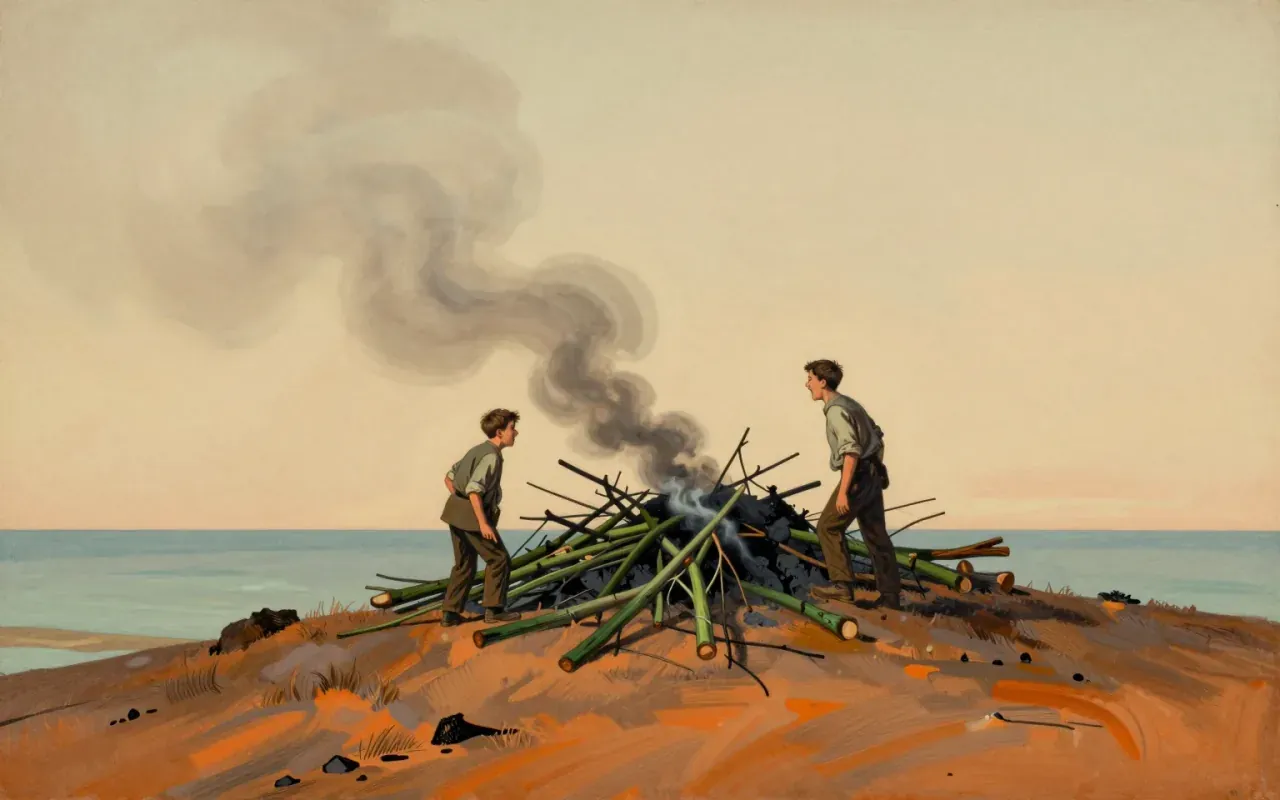
Golding's 1954 novel stages what happens when children are left to organize themselves. The surface reads as survival adventure. Below it is a sharp argument about how quickly order becomes tyranny and civilization masks brutality.
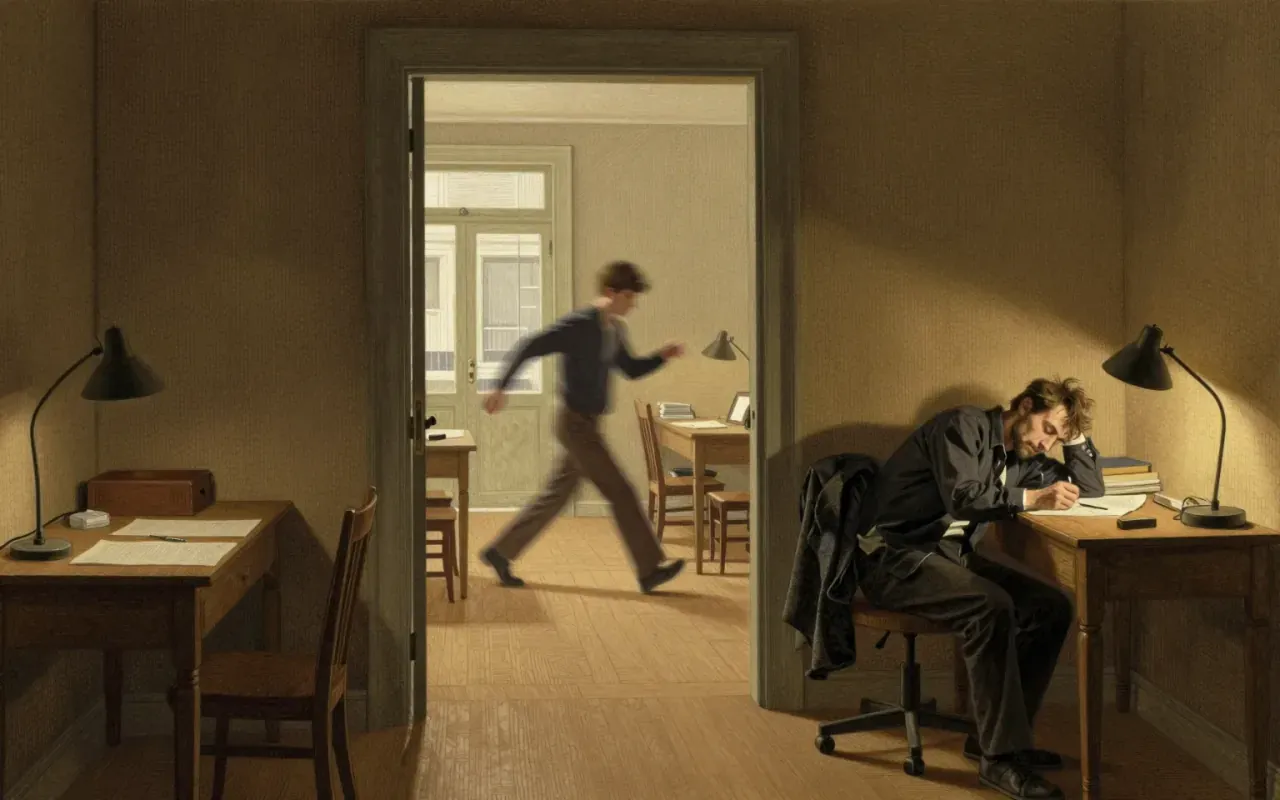
Two systems run your mind. One is fast, intuitive and often wrong; the other is slow, deliberate and lazy. The brief covers both, the three biases you will notice by dinner, and the odd fact that the self who remembers your life is not the one living it.
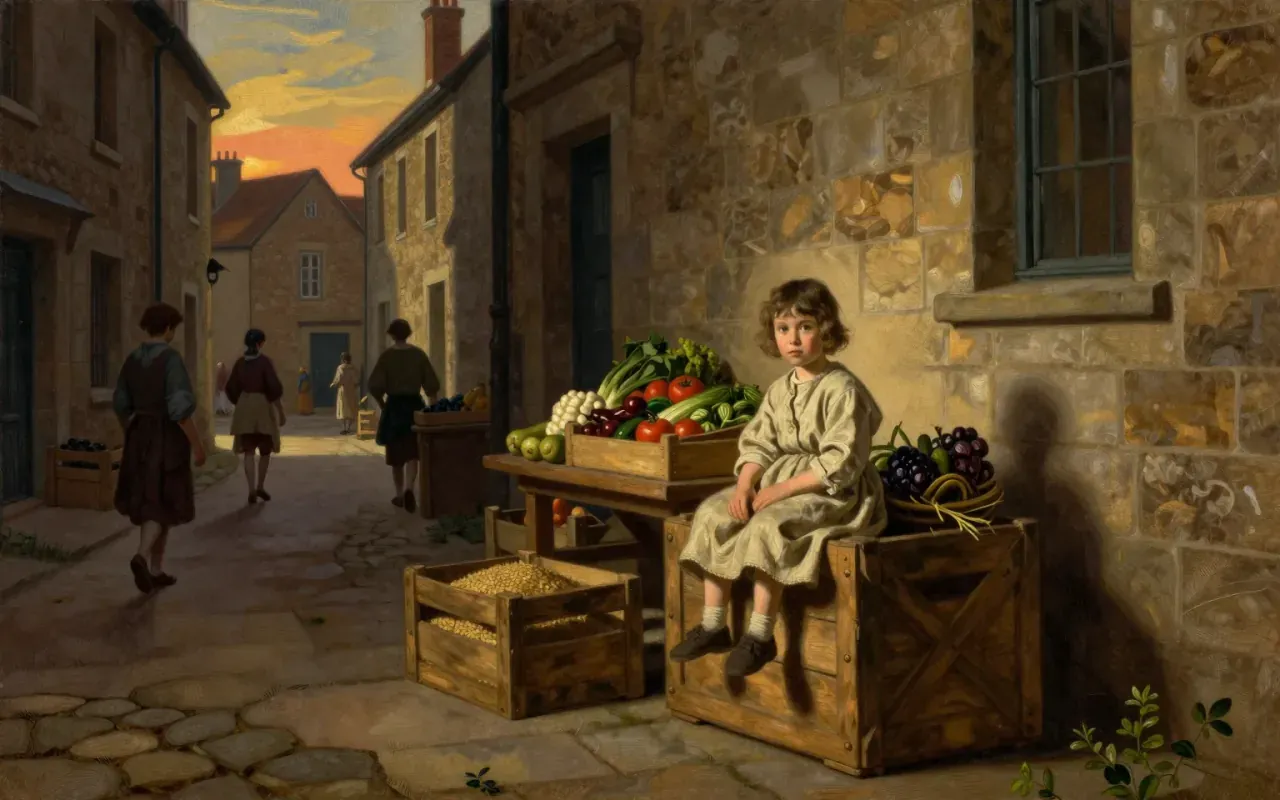
Swift proposes that the Irish poor sell their infants as food, and costs it out precisely. The brief covers how the satire works, why the numbers matter more than the shock, and the last page where the mask drops and the real proposals appear.
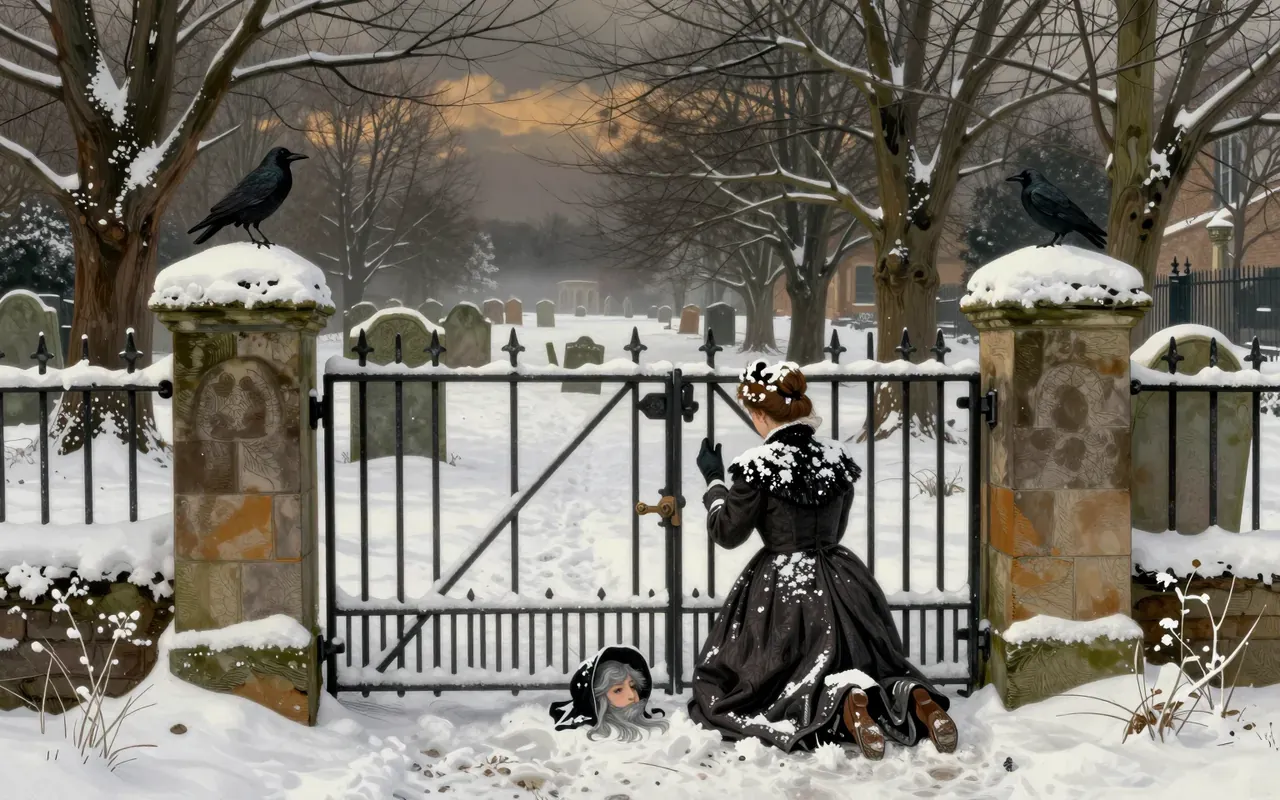
Bleak House is a forensic satire of the Court of Chancery, using the decades-long Jarndyce suit to show how bureaucracy consumes lives. Esther Summerson’s narration grounds its moral force, while Lady Dedlock’s death in snow delivers its final indictment. Skip the preface and the Krook estate subplot—they weaken the argument.
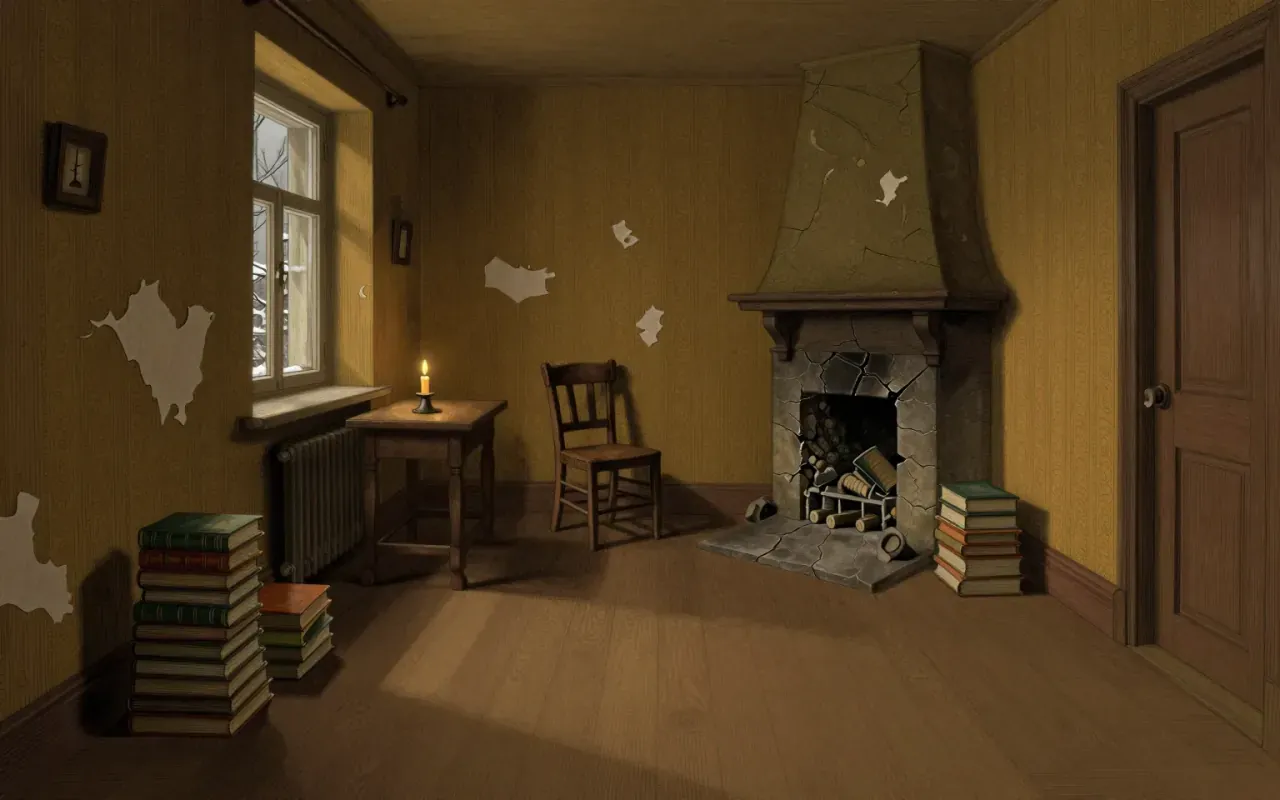
Fyodor Dostoyevsky’s classic follows Raskolnikov, a debt‑ridden student who murders a pawnbroker to prove a theory of extraordinary men. The novel unravels his psychological collapse, the moral backlash, and eventual confession. It offers a brutal study of guilt, class, and redemption, but its sprawling narrative can feel bloated for those seeking a tight thriller.
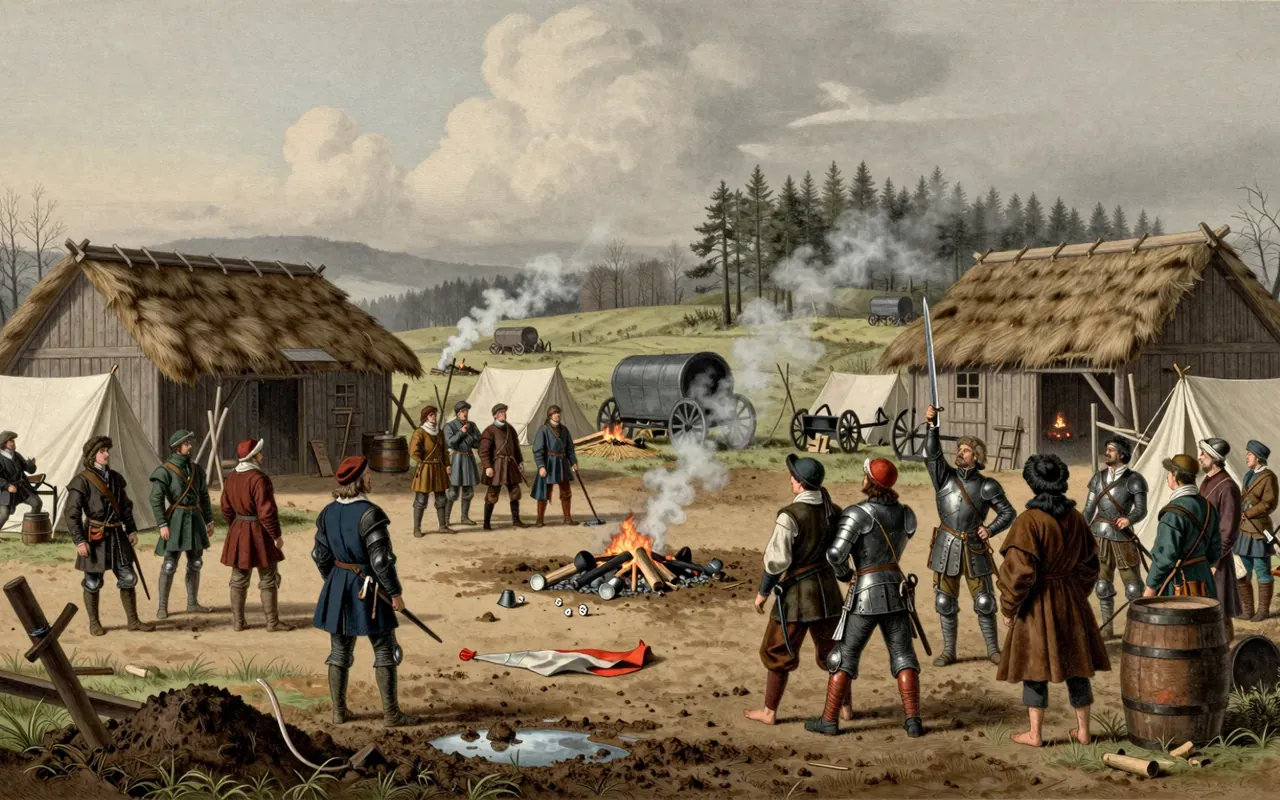
A dramatic poem showing soldiers in Wallenstein’s Pilsen camp pledging loyalty not to empire but to their commander. It argues loyalty is performative, collective and born of fear—not ideology or reason. Read it for its raw depiction of martial sovereignty, not for history or character.

Herbert wrote Dune to show what happens when a population gets the hero it wants. The brief covers the ecology, the politics, why the second half is faster than the first, and whether to stop after book one.

Gibson's 1984 debut defined cyberpunk and coined the term 'cyberspace' before the internet existed. The brief covers the heist plot in five minutes, the AIs in five more, and why everyone building the future still treats this as a founding text.
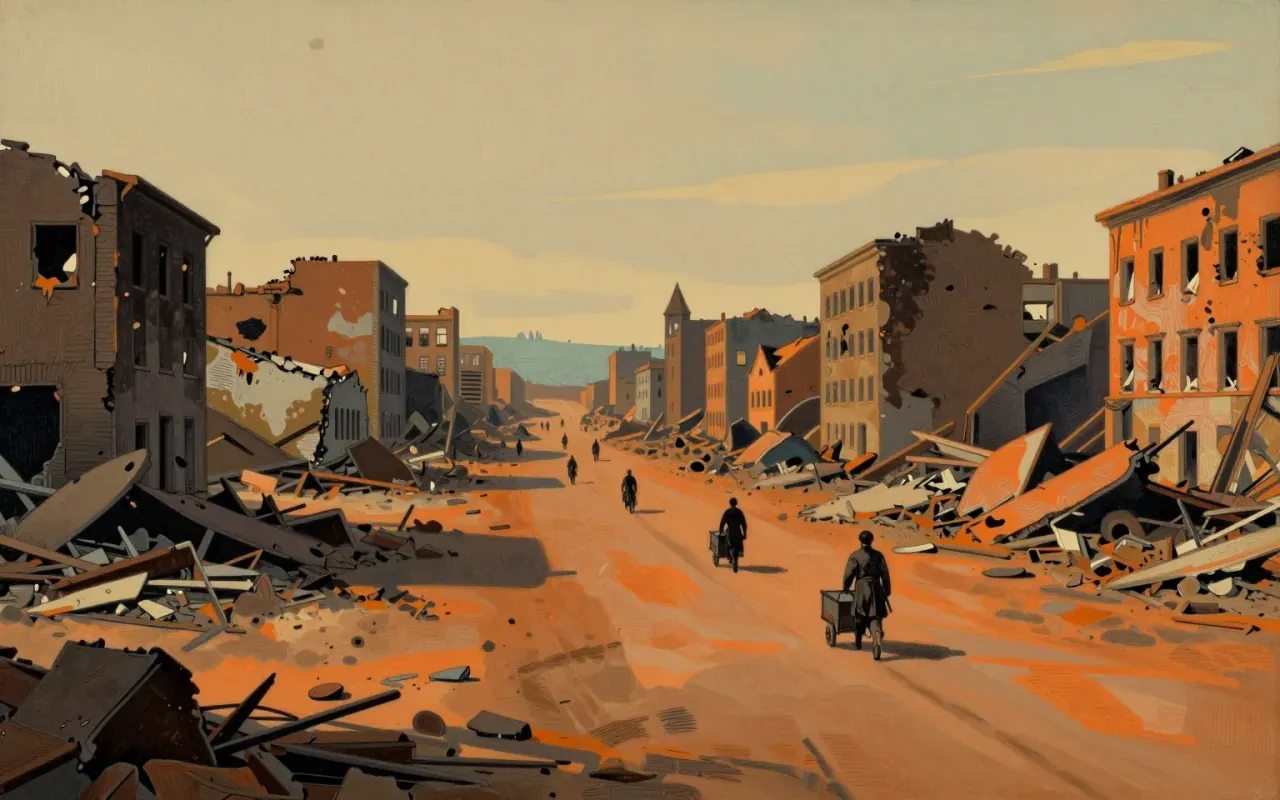
Vonnegut's 1969 novel splices autobiography with science fiction to make the firebombing of Dresden absurd instead of tragic. The book moves through time, skipping freely across a life that has already happened, all of it equally real and equally present.
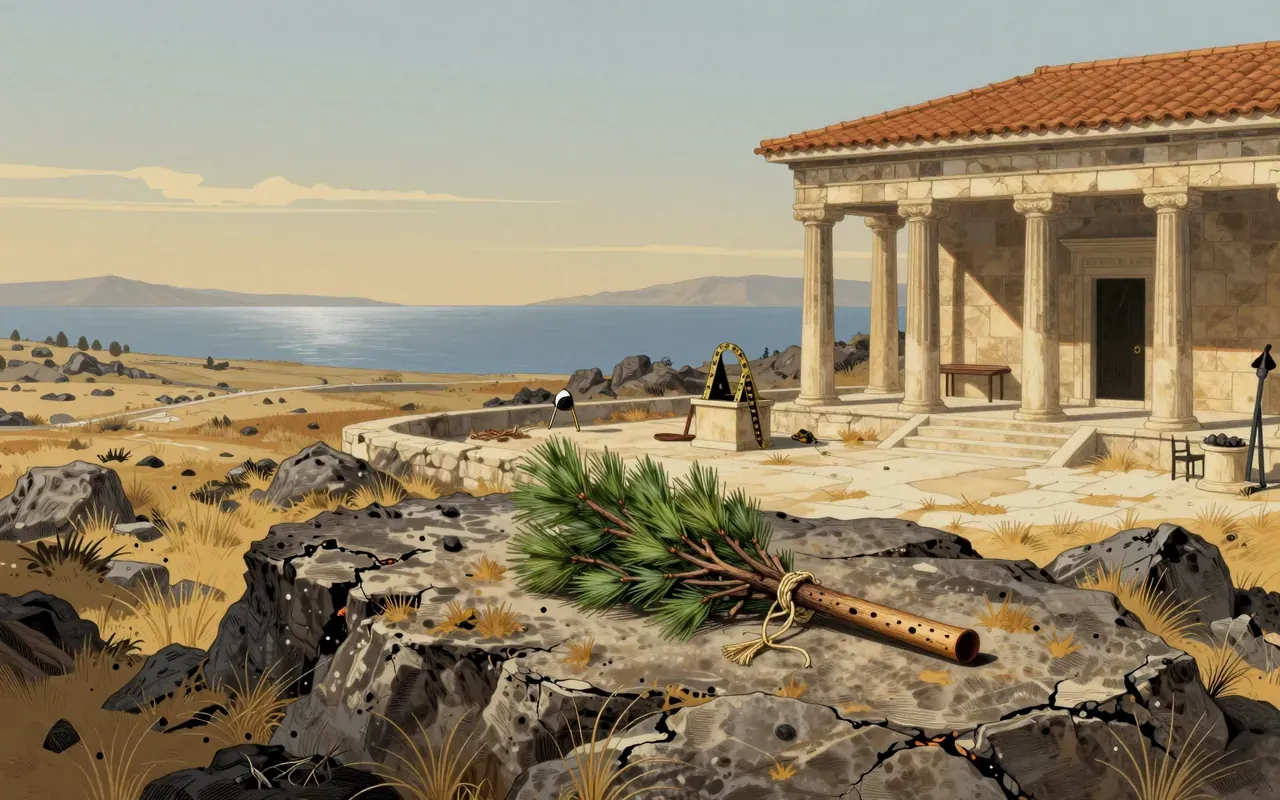
The Agamemnon argues that vengeance is self-replicating, not redemptive. It works best in performance — the Watchman’s vigil, the tapestry scene, Clytemnestra’s speeches — and collapses in exposition. Skip the Chorus’s myth-recounting. Read it aloud, not silently.
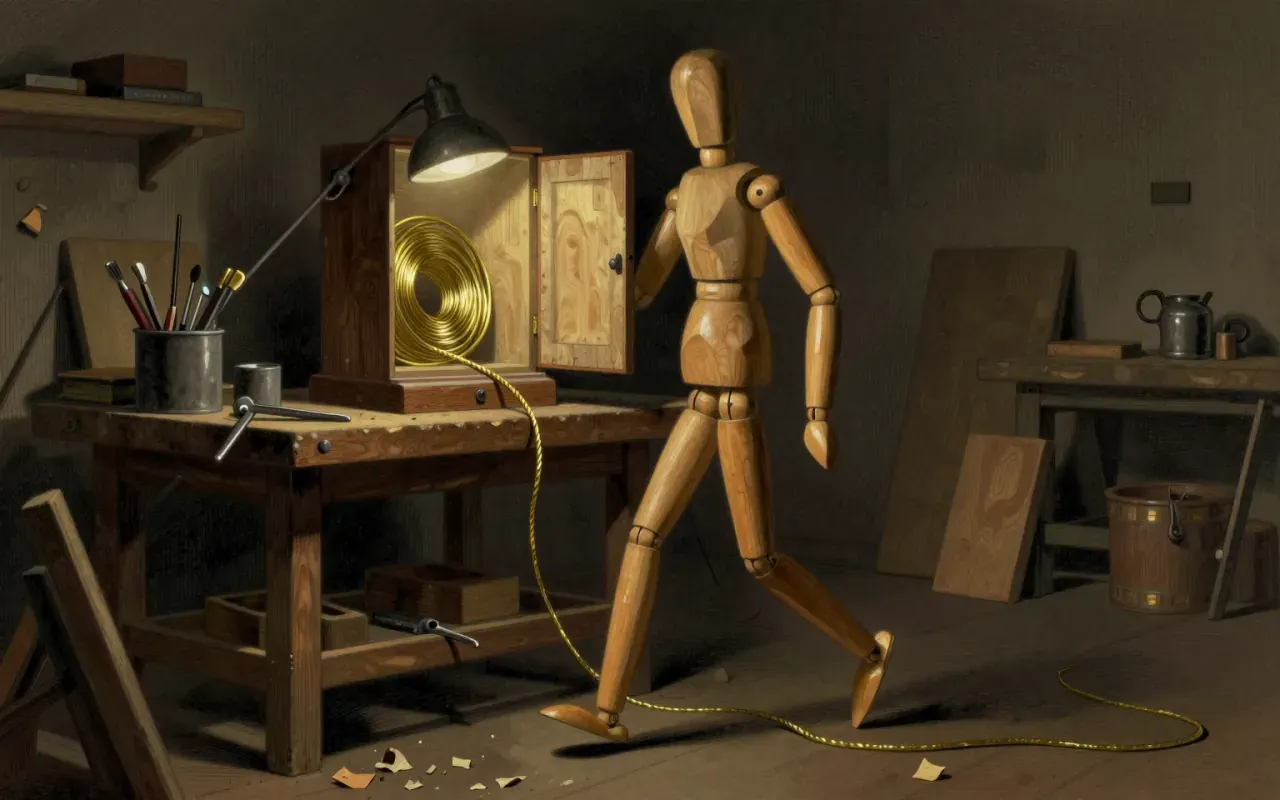
Dawkins reframes natural selection from the gene's point of view and, in one chapter, coins the word meme. The brief covers the gene's-eye view, why the title misleads, and where the argument has been refined since 1976.
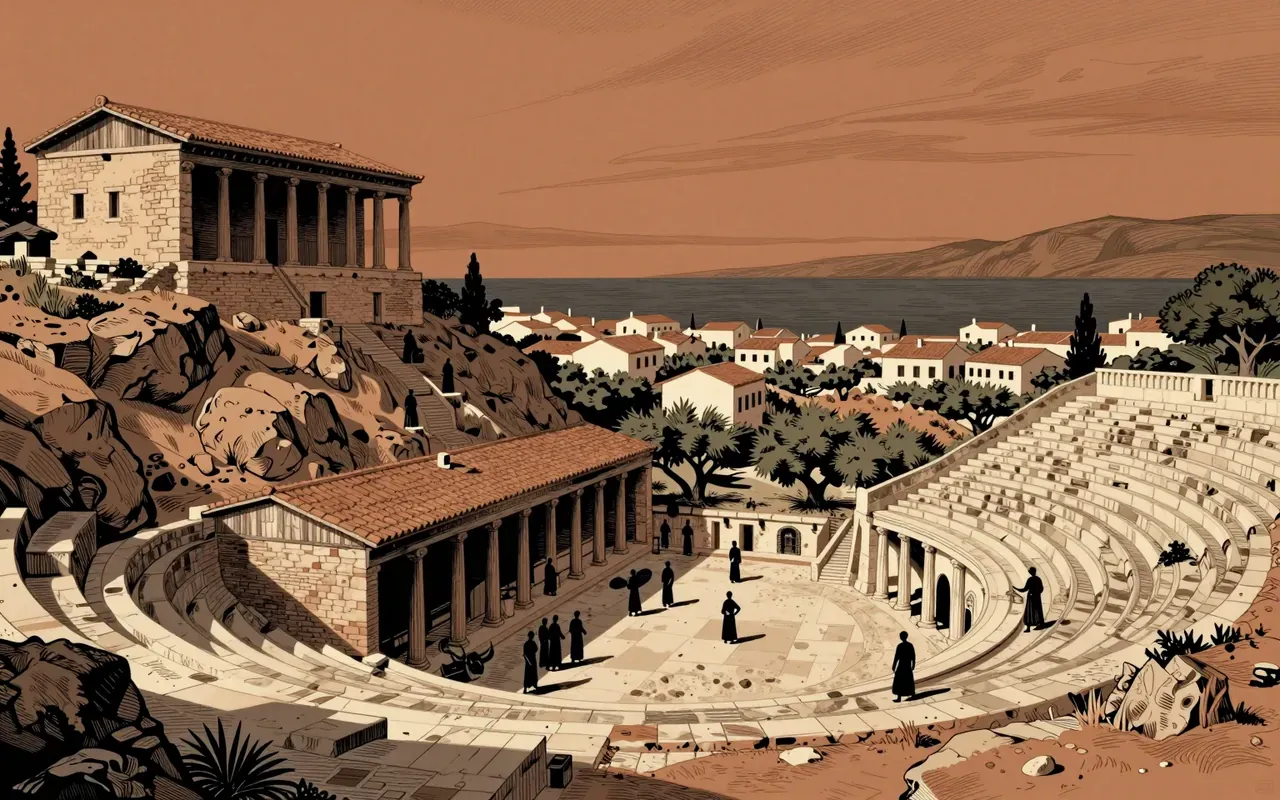
Medea is not a study in madness — it is a forensic account of how law, gender and exile converge to make vengeance rational. The brief explains why her children’s murder is strategic, not hysterical, and why the dragon-chariot ending is the point, not a flaw. Read it for its precision, not its pity.
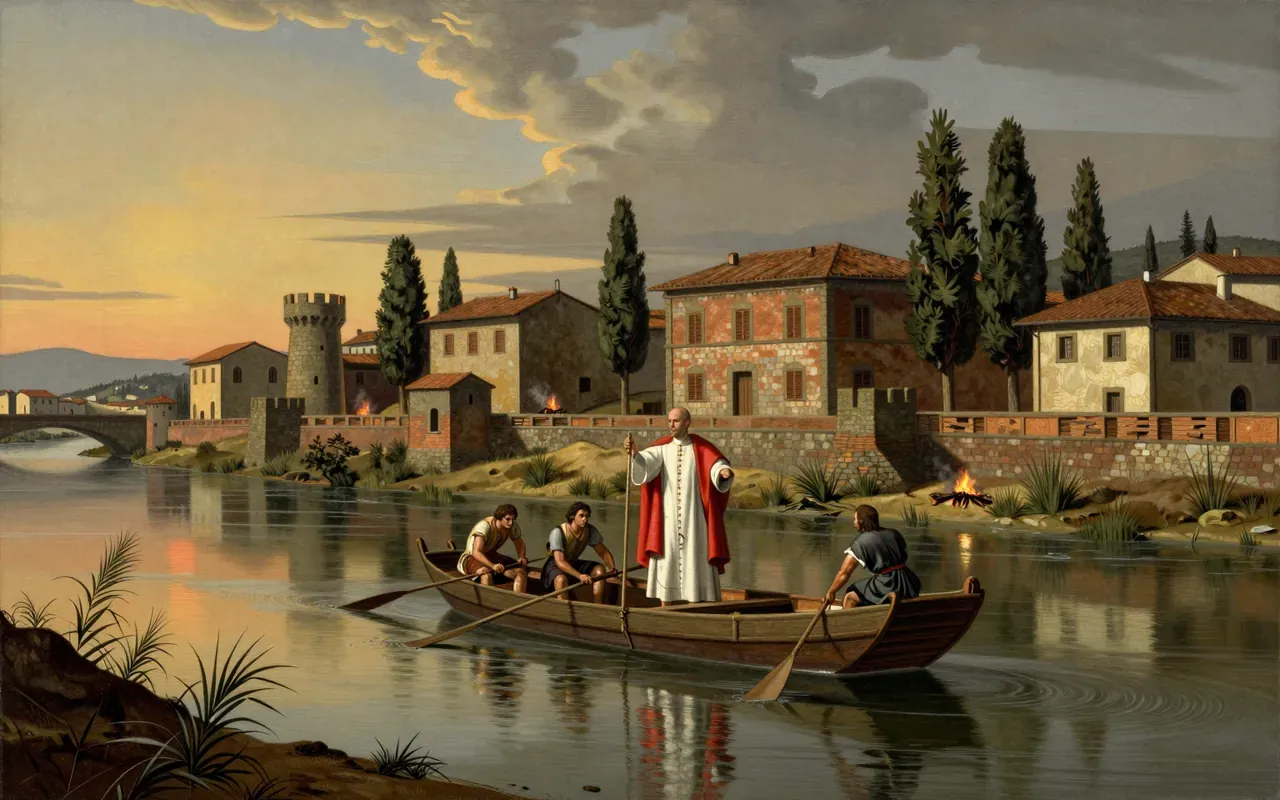
The Prince is a manual for seizing and holding absolute power without legitimacy. It argues that arms, timing and audacity—not virtue or law—secure rule. Its strongest ideas are in Chapters XX–XXVI: the river metaphor for fortune, the three-tier intellect test, and the warning against neutrality. Skip Chapter XXVI—it names Giuliano de’ Medici as Italy’s saviour but offers no analysis.
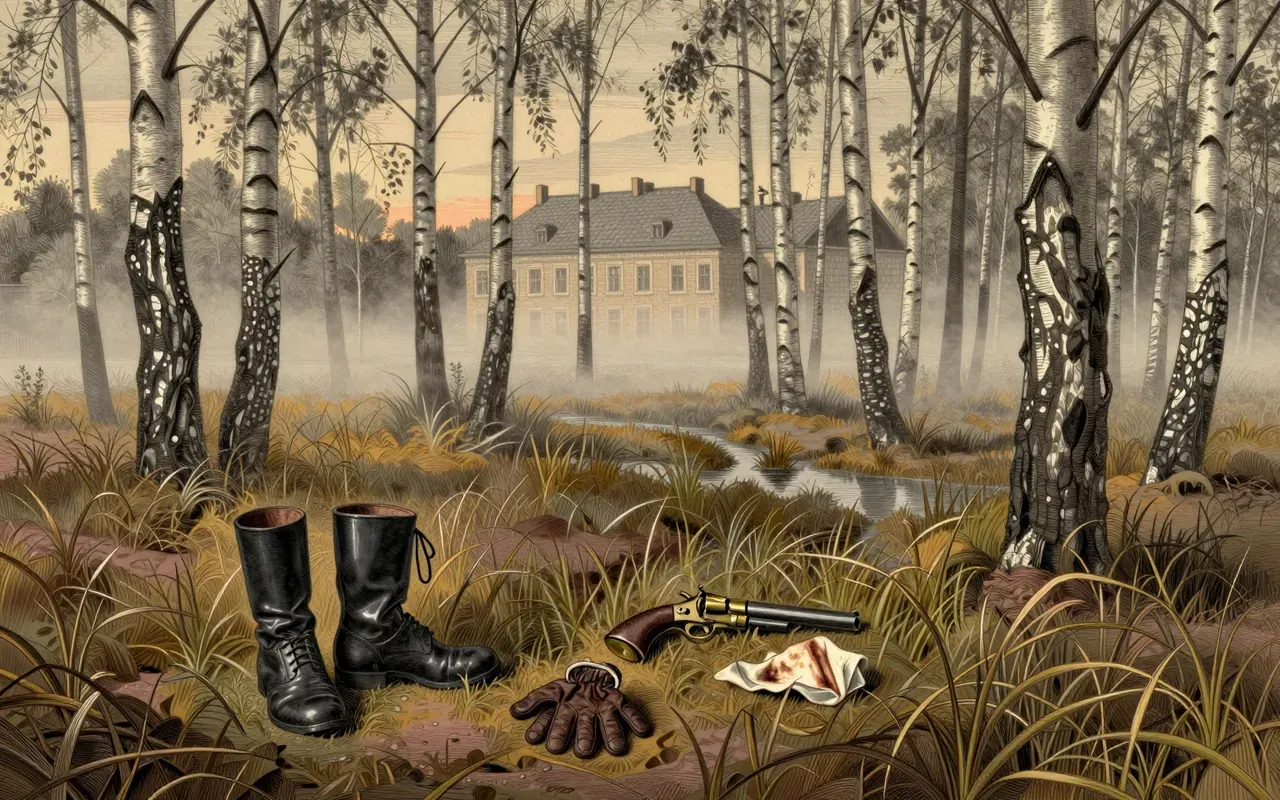
The brief argues that 'Fathers and Sons' is not about ideas but about their bodily cost. Bazarov’s nihilism collapses when confronted with love, illness, and grief. It tells you which chapters to read (XXI–XXVIII), why to skip the Introduction, and how the grave—not the duel or the arbour—is the novel’s true climax.
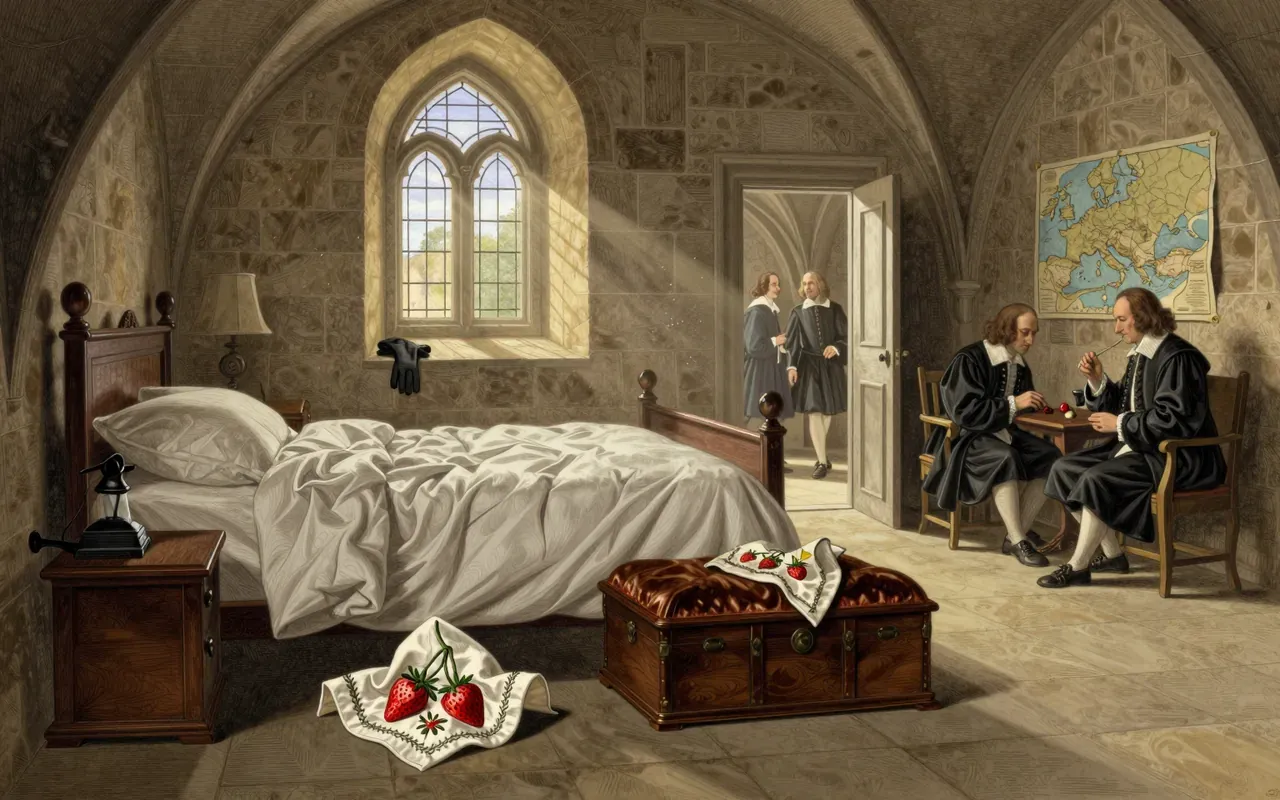
Othello is a tragedy about how language and suggestion can destroy certainty, love, and self. It argues jealousy is not emotion but logic gone rogue—and that 'ocular proof' can be manufactured from nothing. The brief explains why Iago needs no motive, why the handkerchief matters more than any character, and why the play refuses closure.
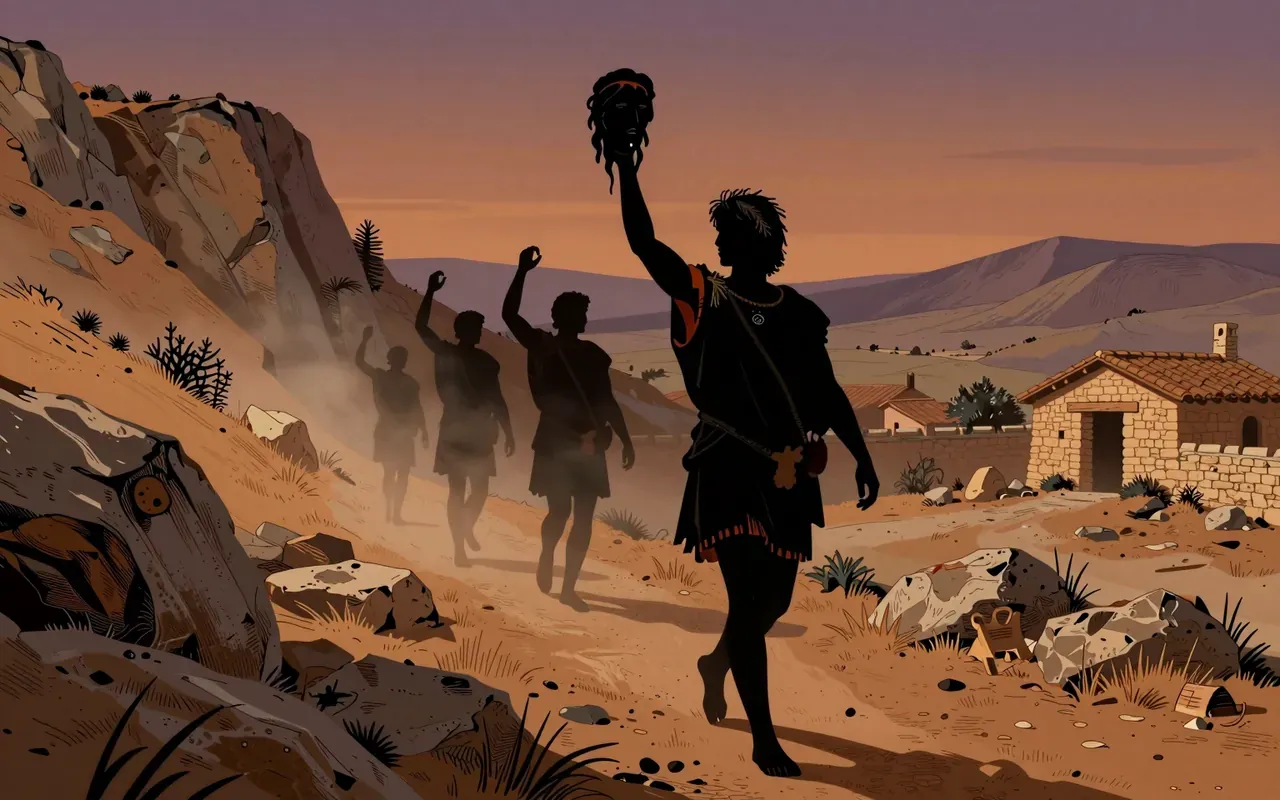
The Bacchae argues that divine power brooks no dissent — it dismantles reason, identity and kinship with surgical precision. It works because its horror is structural, not sensational. Skip nothing: the play’s force lies in its unbroken logic from opening line to final exile.
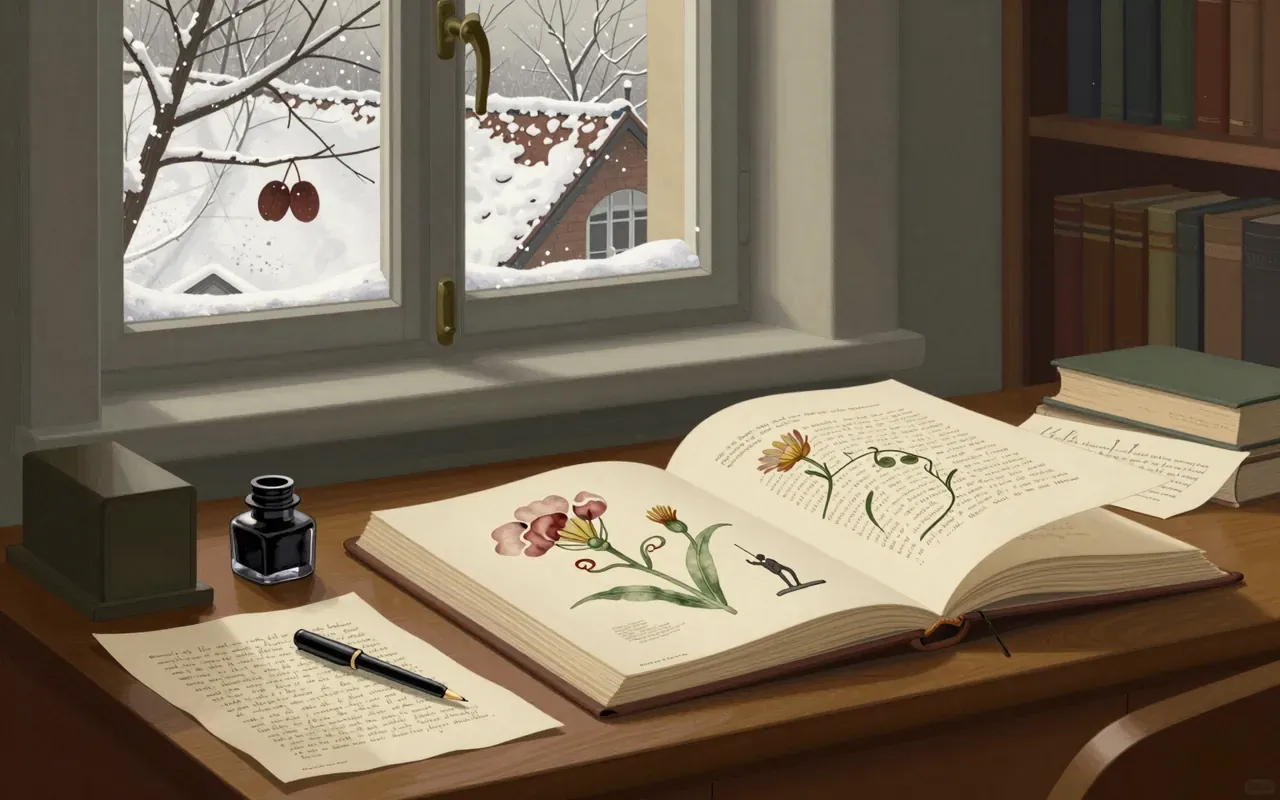
Freud argues dreams are not nonsense but disguised wish-fulfilments shaped by censorship, infantile memory, and visual translation. He proves it using his own dreams—especially the 'Irma' injection dream—and builds a structural model of the psyche. The brief isolates the core argument, names what works (the manifest/latent distinction), what fails (universal infantile sexuality), and tells you to skip the bibliography.
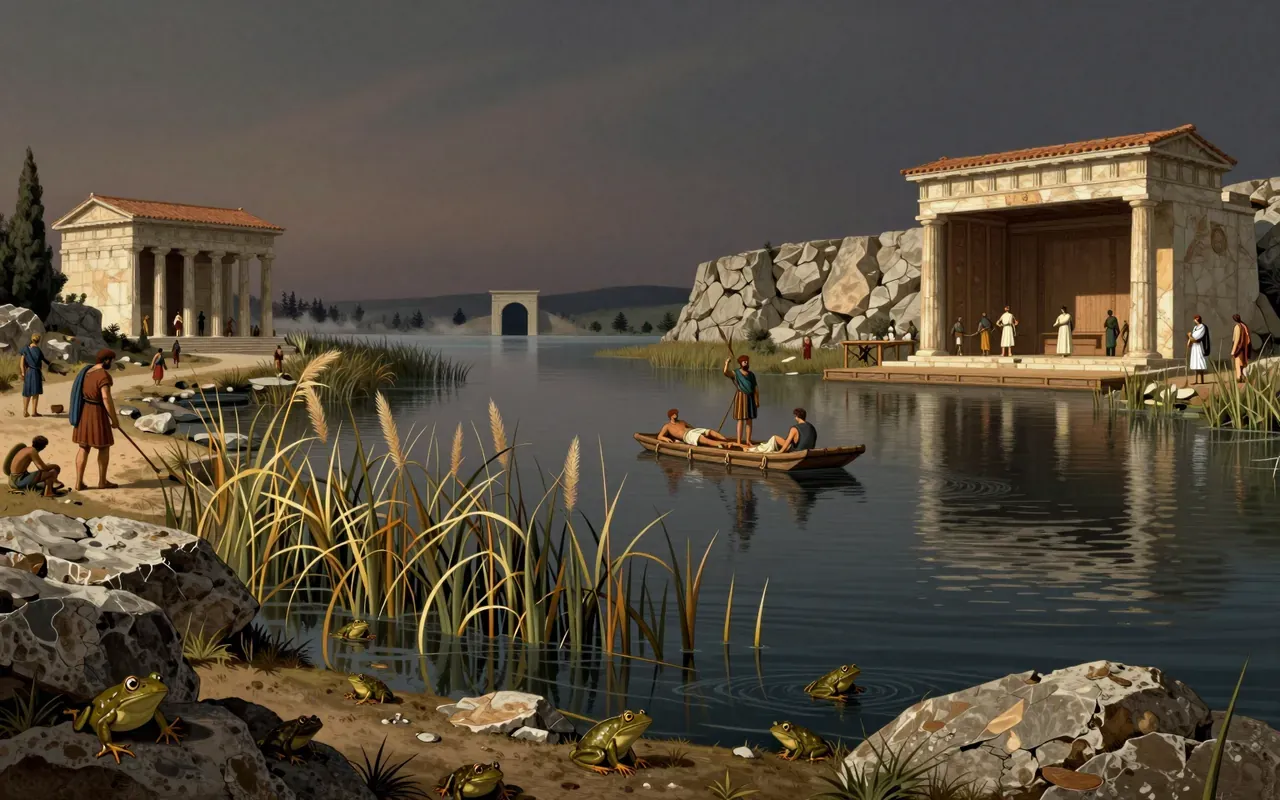
The Frogs is a 405 BCE Athenian comedy arguing that tragedy sustains democracy. Dionysus descends to Hades to retrieve Euripides—but chooses Aeschylus instead, because his poetry offers civic instruction, not just artistry. The brief explains why the frogs matter more than the plot, why the weighing scale is the play’s true thesis, and why the ending is policy, not poetry.

Barren Ground rejects romantic redemption. It follows Dorinda Oakley from betrayed youth to stoic middle age, arguing that endurance—not love—is the land’s only reward. The book’s power lies in its refusal of catharsis: Jason’s ruin is physical erasure, not tragedy; Dorinda’s grief is for love she never had, not love she lost.
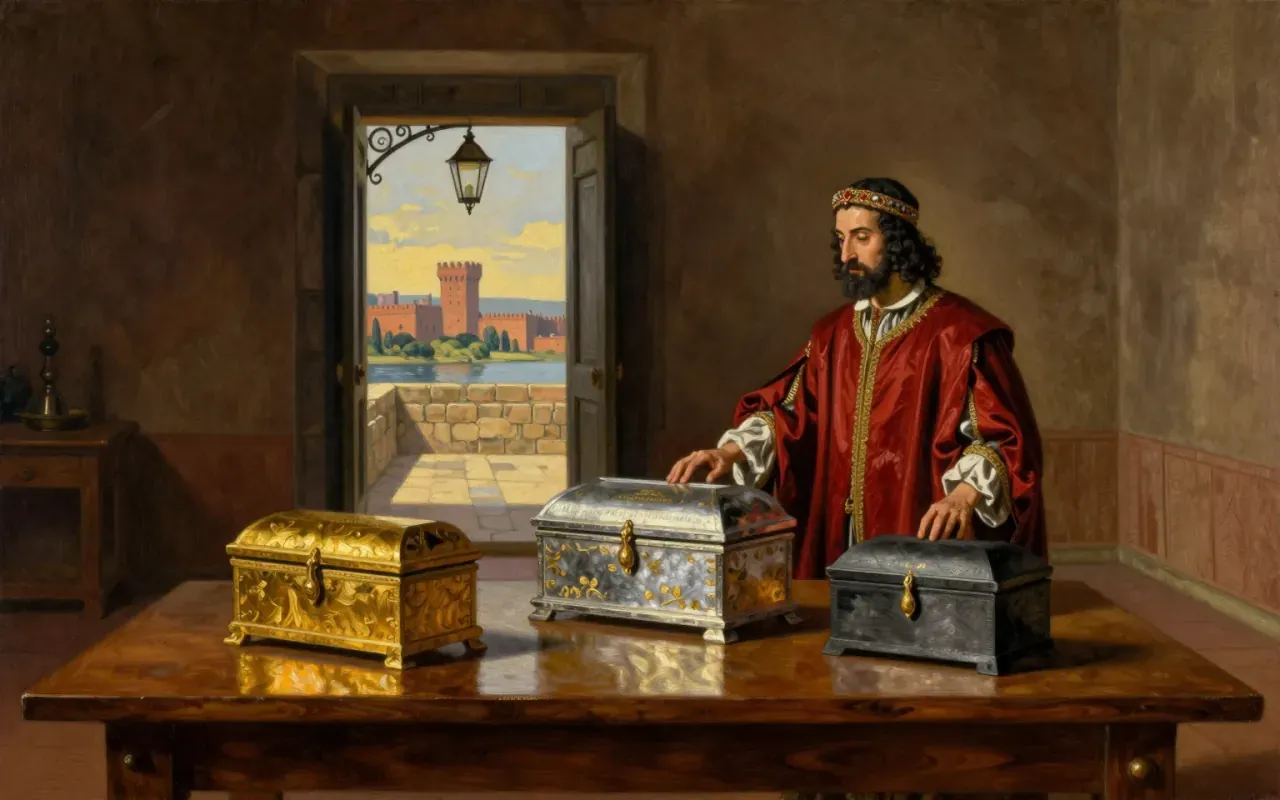
Antonio borrows against a pound of his own flesh, and the court that saves him strips Shylock of his money and his religion. The brief covers the trial, the thin plot surrounding it, and the antisemitism that is not a misreading but the play’s own material.
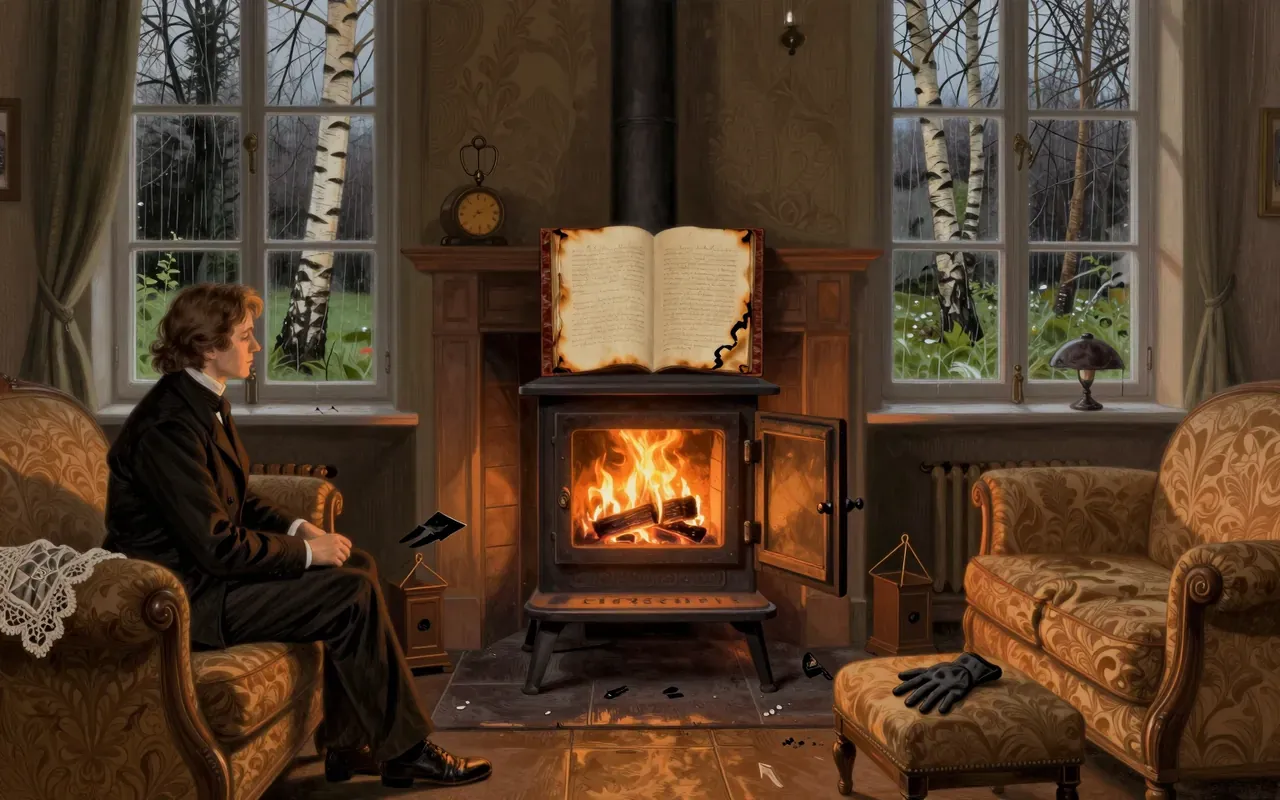
Hedda Gabler is a surgical study of female agency under constraint. It argues that for Hedda, destruction is the only form of authorship left. The brief explains why her final shot is not despair but design—and why the play refuses to forgive, explain, or release her.
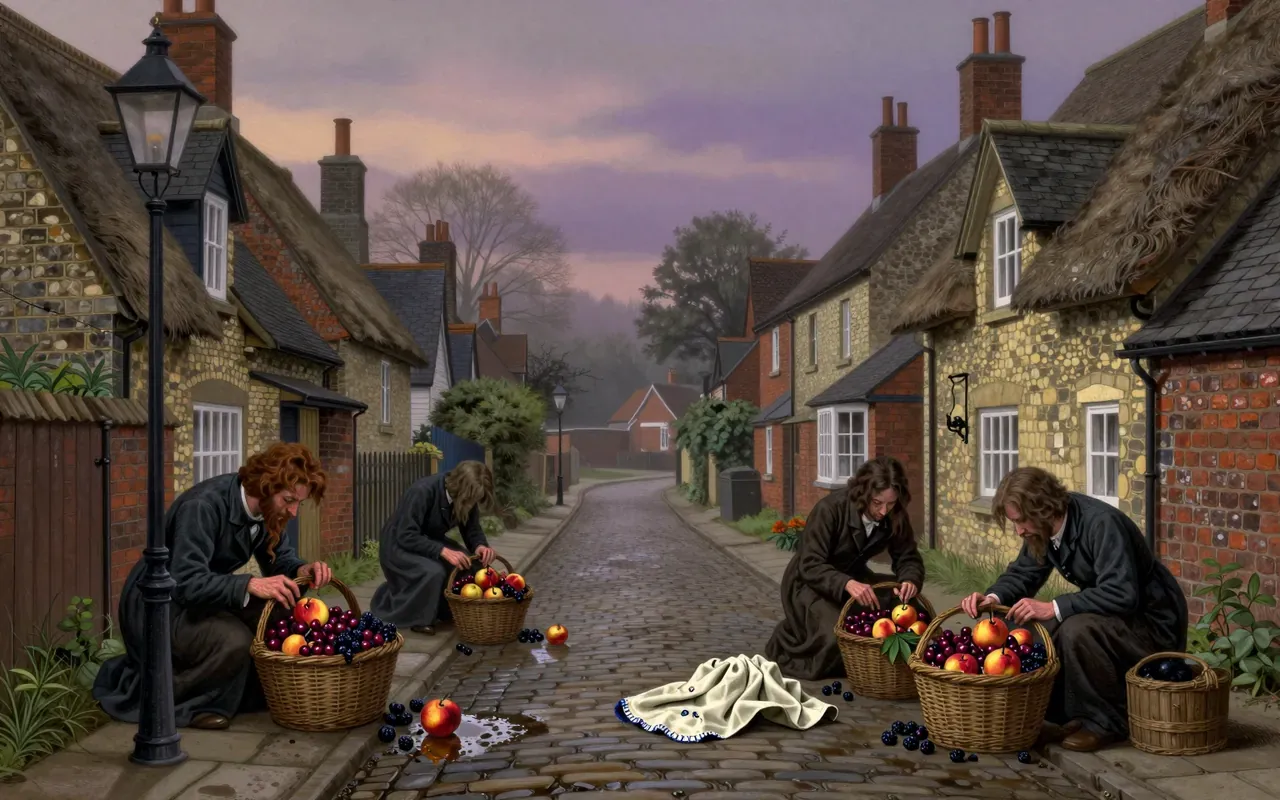
Goblin Market, The Prince's Progress, and Other Poems is Rossetti’s 1862 debut: a tightly wrought collection arguing that desire must be disciplined, salvation is bodily, and sisterhood is liturgical. It works best in Goblin Market’s sensory allegory and falters in The Prince’s Progress’s inert symbolism. Read it for its theology-in-action—not its ideas about society or self.
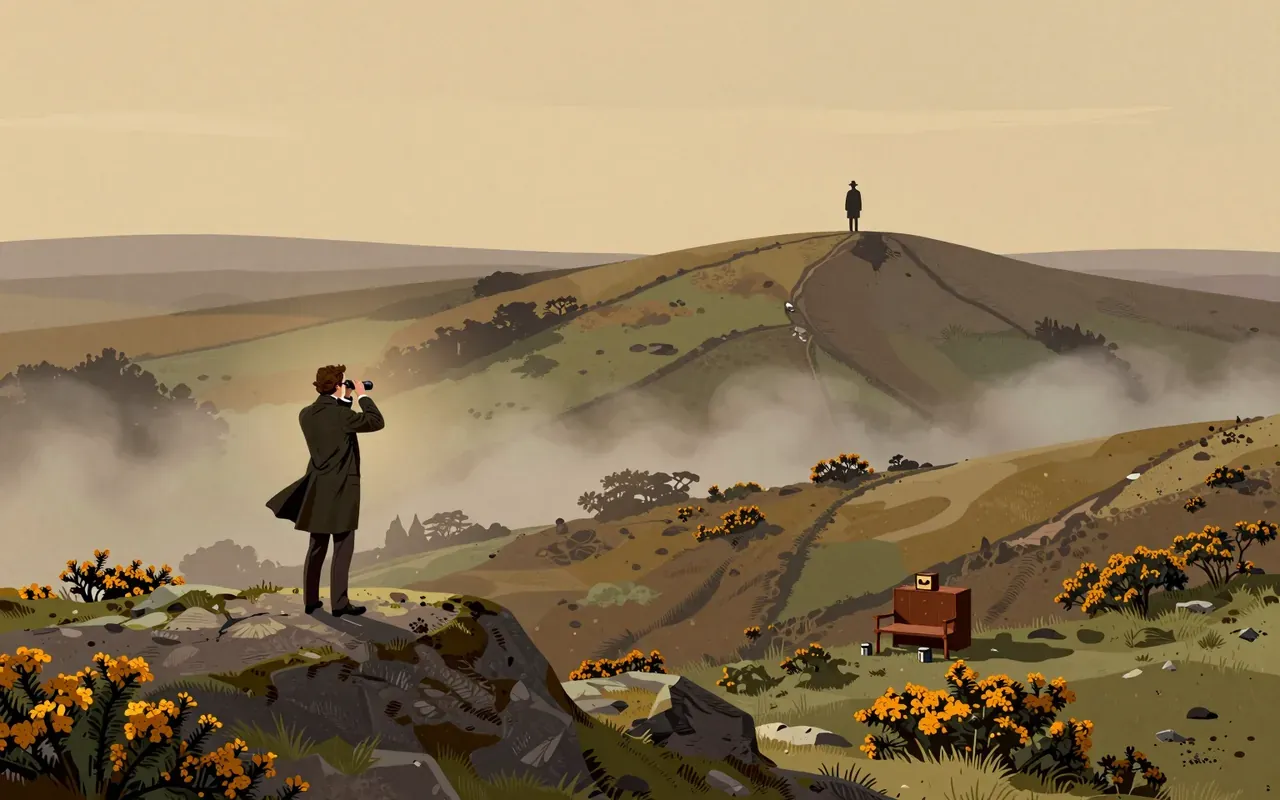
The hound is real—but the curse is a lie Stapleton weaponises to inherit the Baskervilles. Holmes outsources to Watson, then secretly joins him on Dartmoor to expose a naturalist’s calculated murder. The book works because its dread is architectural: the moor, the hut, the portrait, and the phosphorus hound all serve the argument that terror is engineered, not inherited.
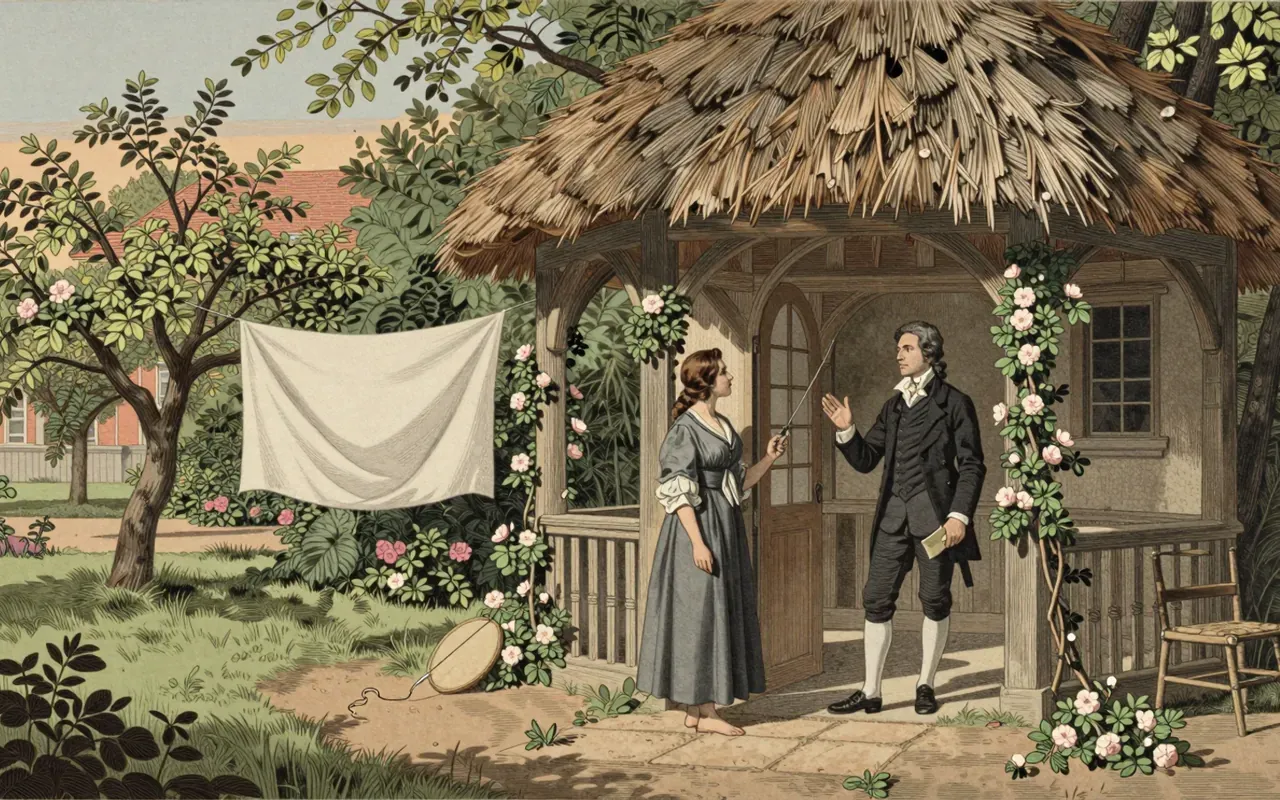
The Robbers is a Sturm und Drang tragedy about moral contagion: Francis forges a letter to disinherit his brother Charles, who then joins a robber band. Charles returns to find his father imprisoned, kills Amelia in a final 'sacrifice', and surrenders to justice. The brief isolates the forged letter, the dungeon revelation, and the suicide-sacrifice climax—and tells you which acts to skip.
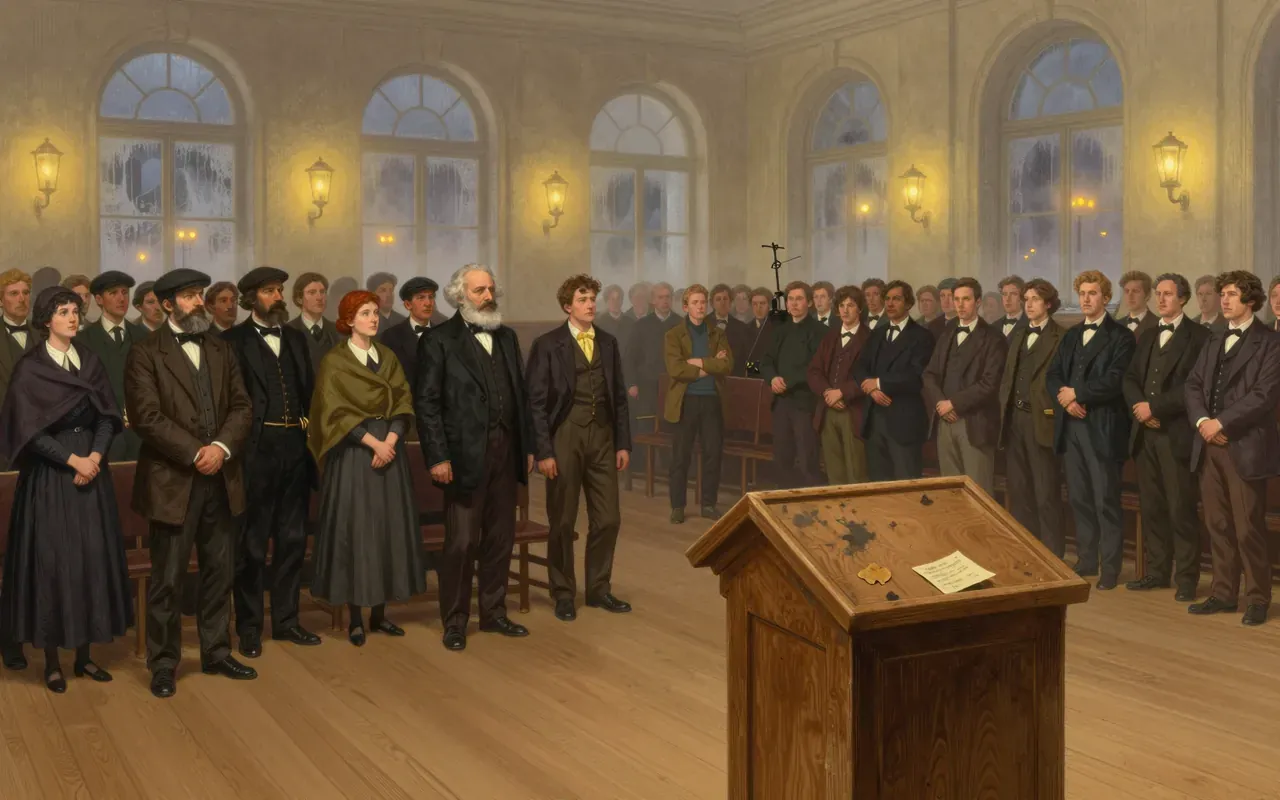
The brief argues the Manifesto is a tactical pamphlet, not a prophecy. It extracts its structural logic: class struggle as history, the bourgeoisie’s self-undermining motion, and why Communists must name—not obscure—their antagonism with capital. It tells you which critiques hold up and which to skip.
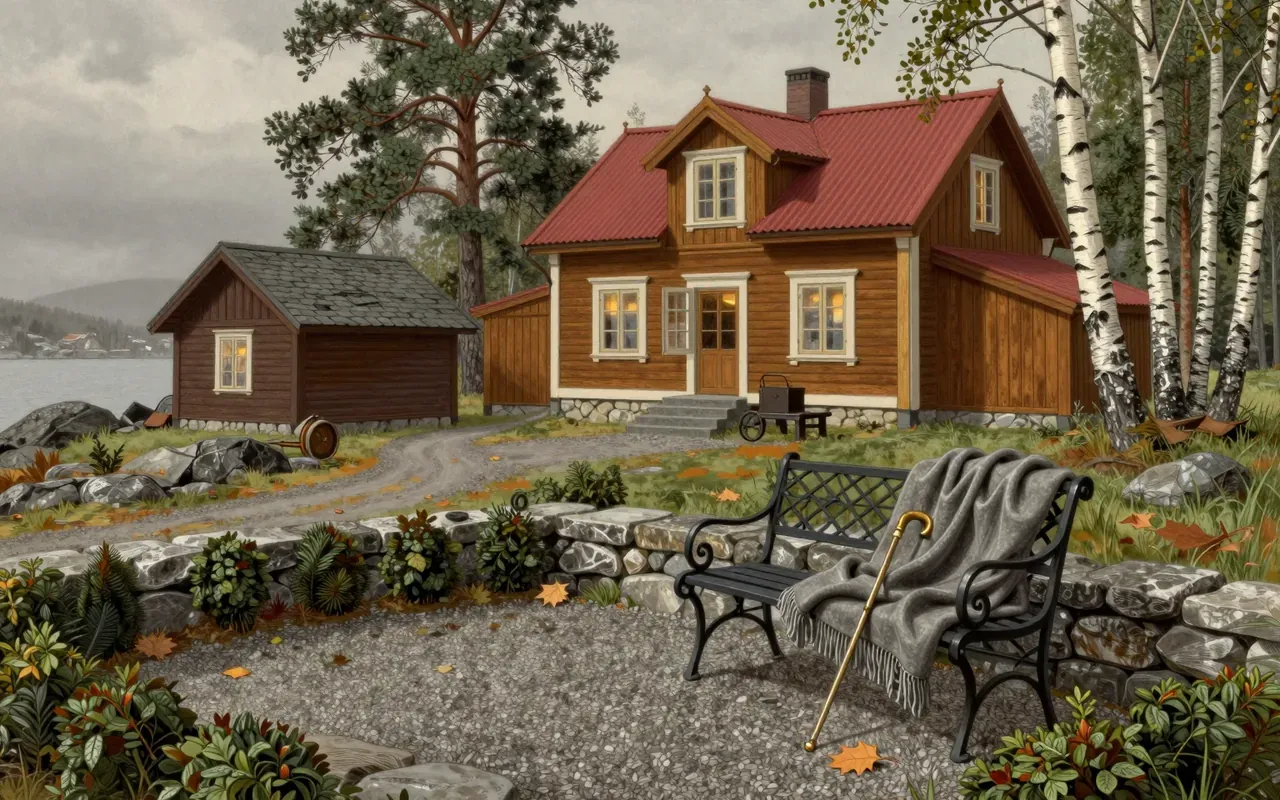
Ibsen’s Ghosts argues that inherited lies—not spirits—are the real ghosts. It shows how moral evasion destroys lives across generations. The brief explains why the Orphanage fire matters, what ‘ghosts’ actually mean, and why the ending refuses resolution.
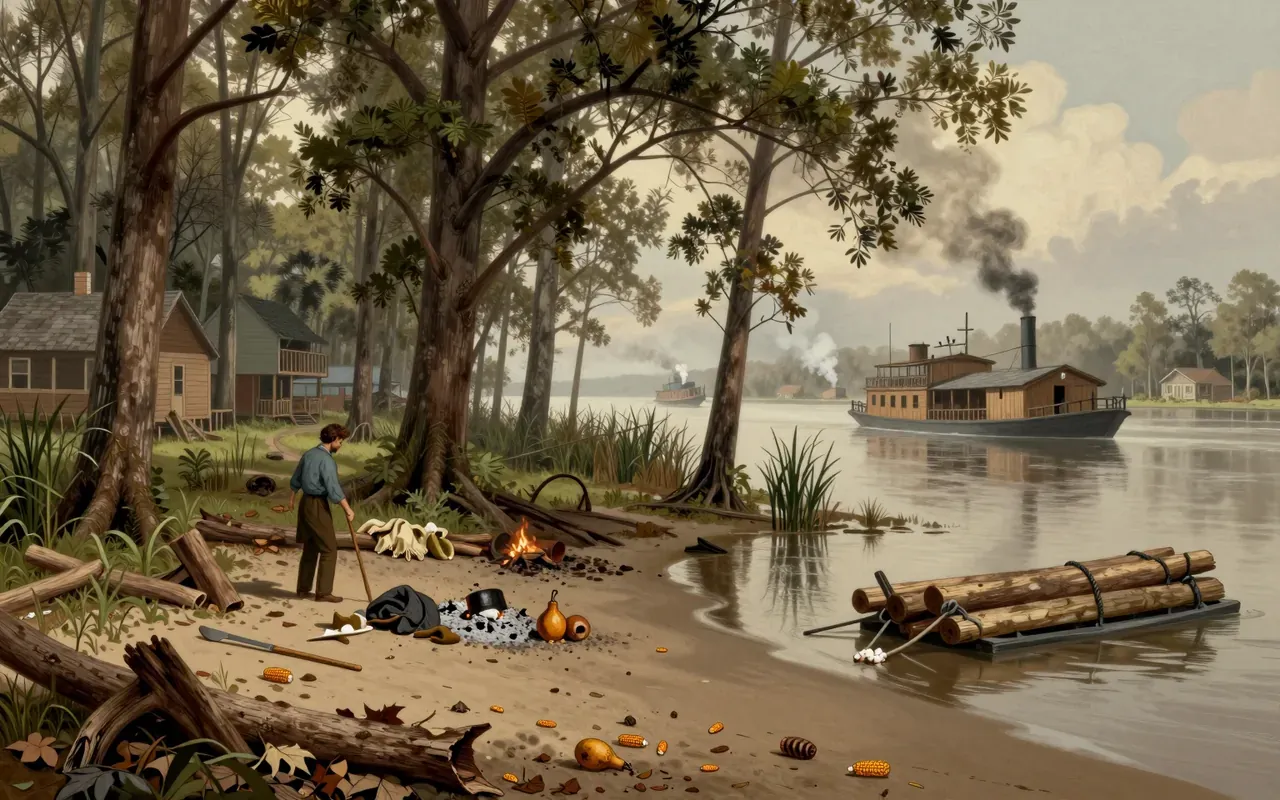
The book argues that moral clarity emerges from direct human contact, not society’s rules—and that Southern 'civilization' is a fraud sustained by violence and self-deception. It does this through Huck’s choices: faking his death, choosing Jim over religion, and rejecting adoption. Tom’s elaborate rescue is exposed as cruel theatre. Read Chapters I–XVI and XXX–XLII. Skip Chapter XL.
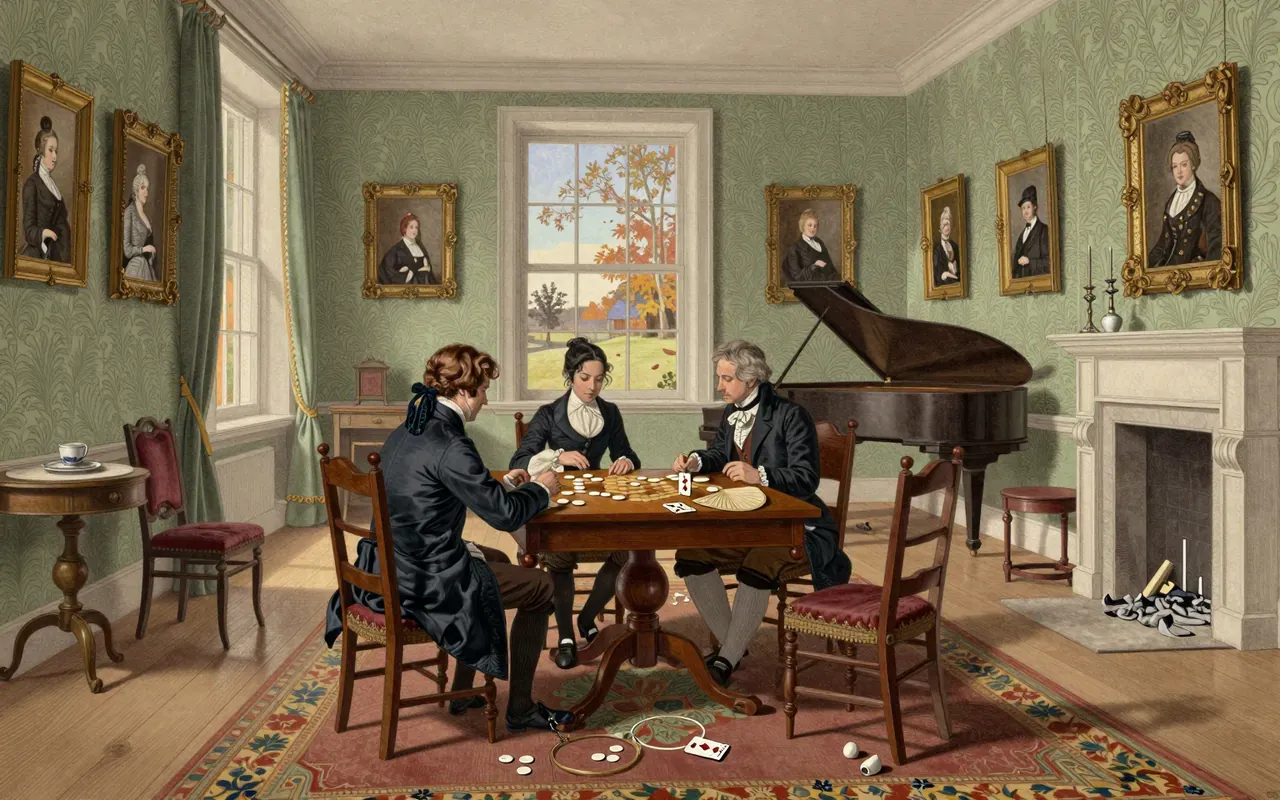
Emma is a precise anatomy of self-deception. It argues that moral growth begins not with grand gestures but with the humiliation of being wrong in front of someone who sees you clearly. The brief isolates the Box Hill reckoning, the Elton misreading, and Emma’s final acceptance of Robert Martin’s worth as the novel’s true turning points.
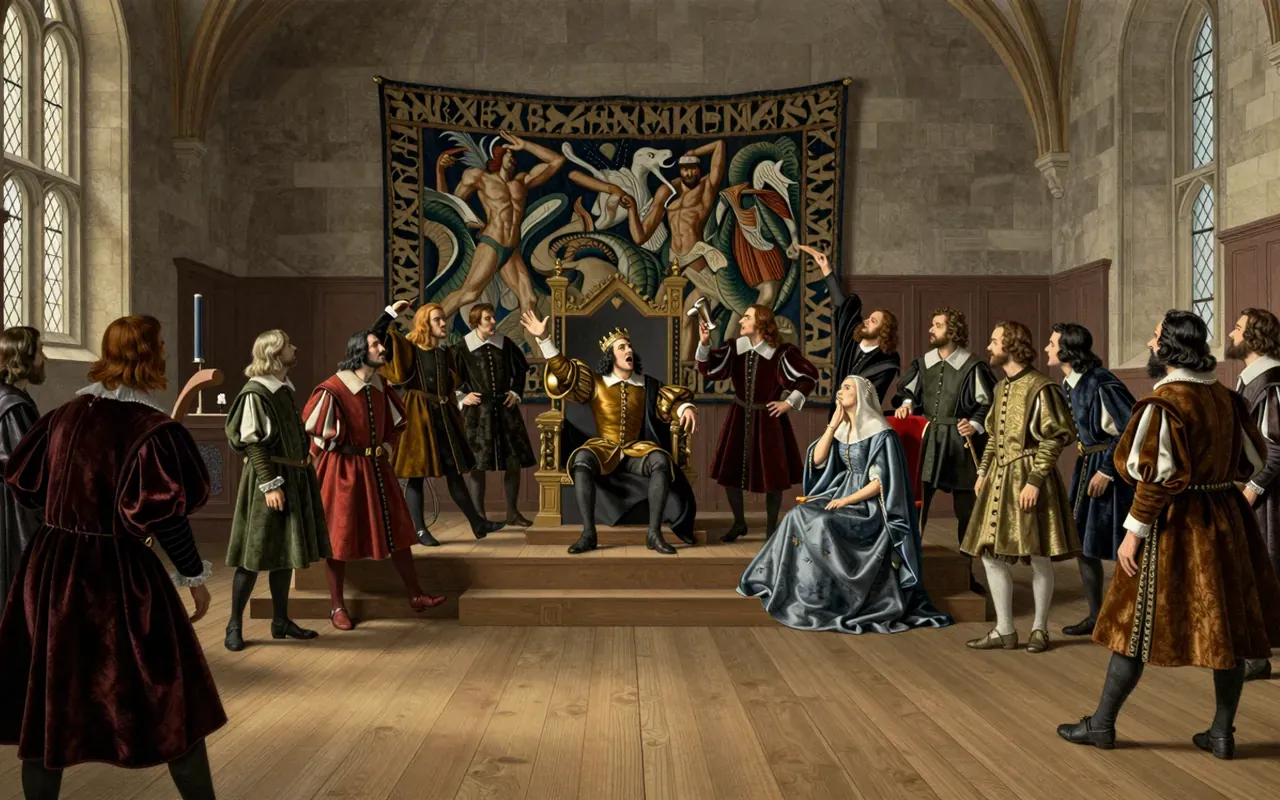
Hamlet is not about indecision. It is about the impossibility of acting on unverifiable truth in a world where every word is overheard and every gesture weaponised. The brief cuts through the soliloquies to show how surveillance, performance and mortality structure the play—and why the Ghost’s first demand is the only thing that matters.
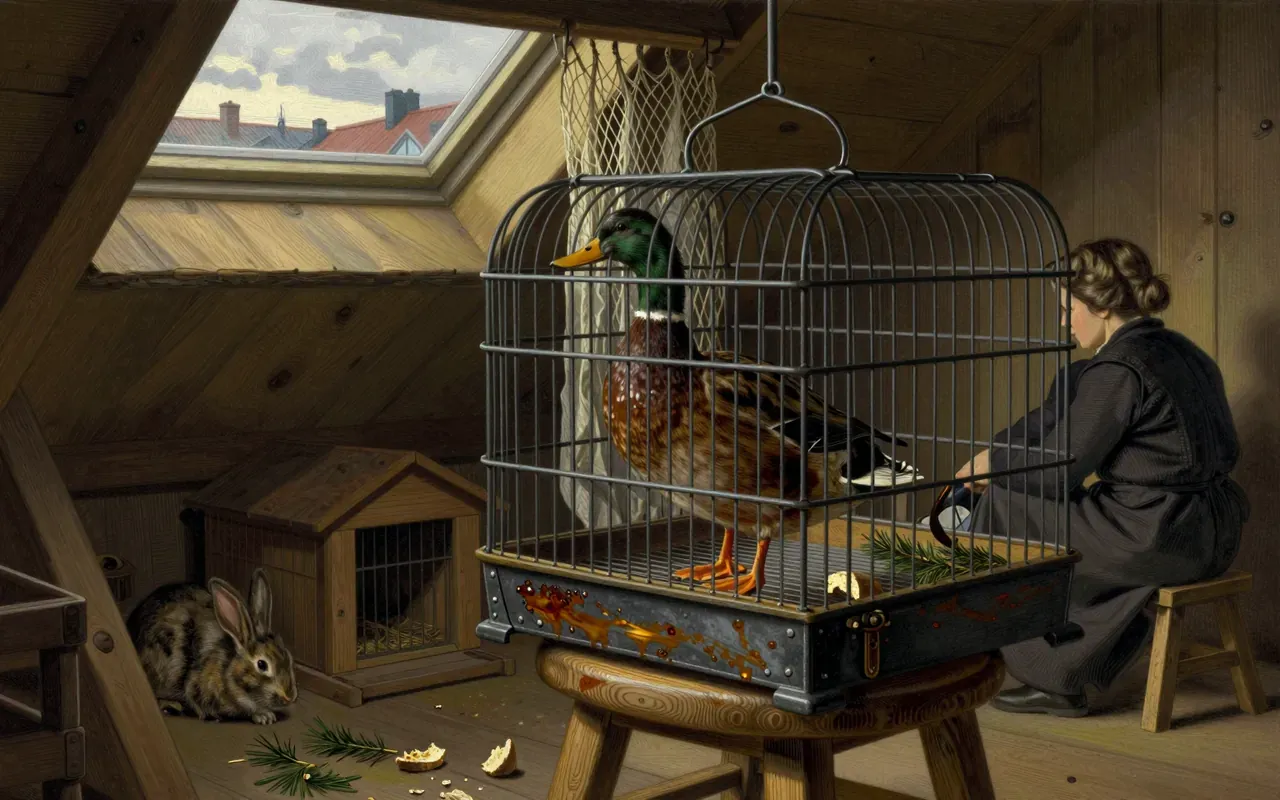
The play argues truth is catastrophic when imposed on fragile lives. Gregers Werle forces Hjalmar Ekdal to confront his wife Gina’s past with Werle Sr., triggering a collapse that ends with Hedvig’s suicide. Relling’s ‘life-lie’ is the play’s core idea: illusion is not weakness but survival infrastructure. Read it for the loft, the duck, and the pistol—not for redemption.
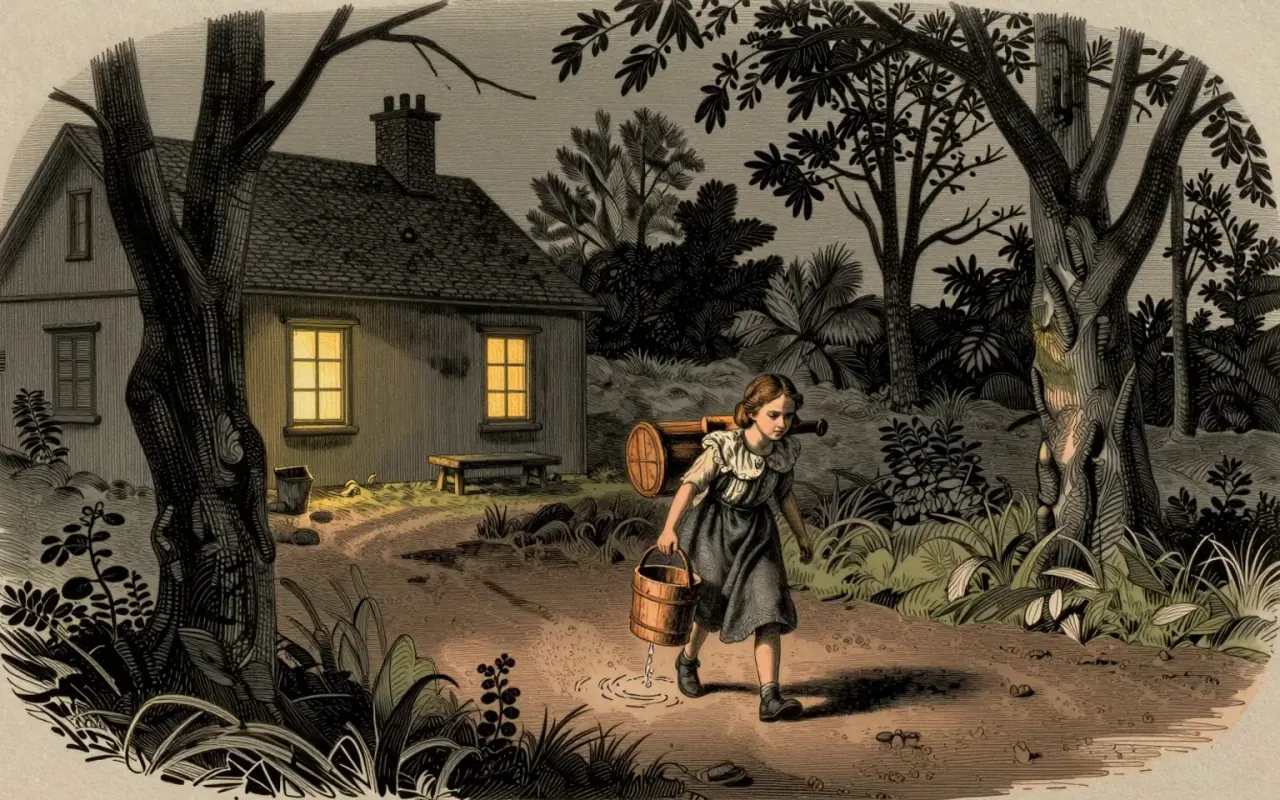
A fifteen-hundred-page novel set across early nineteenth-century France, from the Paris sewers to the barricades of the July Rebellion. The brief covers Valjean's redemption, the costs of poverty, and why Hugo believed the republic must include the poor.
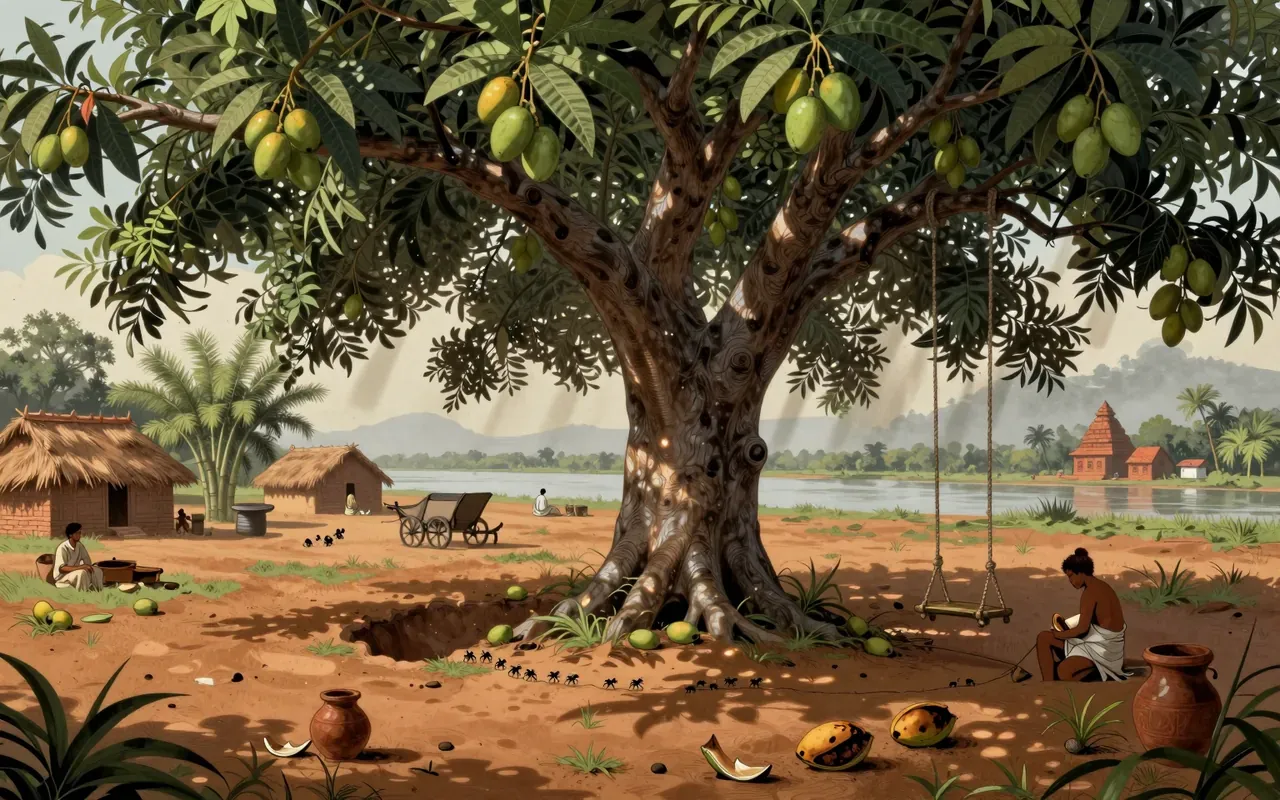
Hesse argues wisdom is unteachable and must be lived. Siddhartha abandons Brahmanism, rejects the Buddha’s doctrine, and awakens only when he stops seeking answers. The brief isolates these claims, names what the book omits, and tells you which ideas land—and which evaporate on contact with the page.
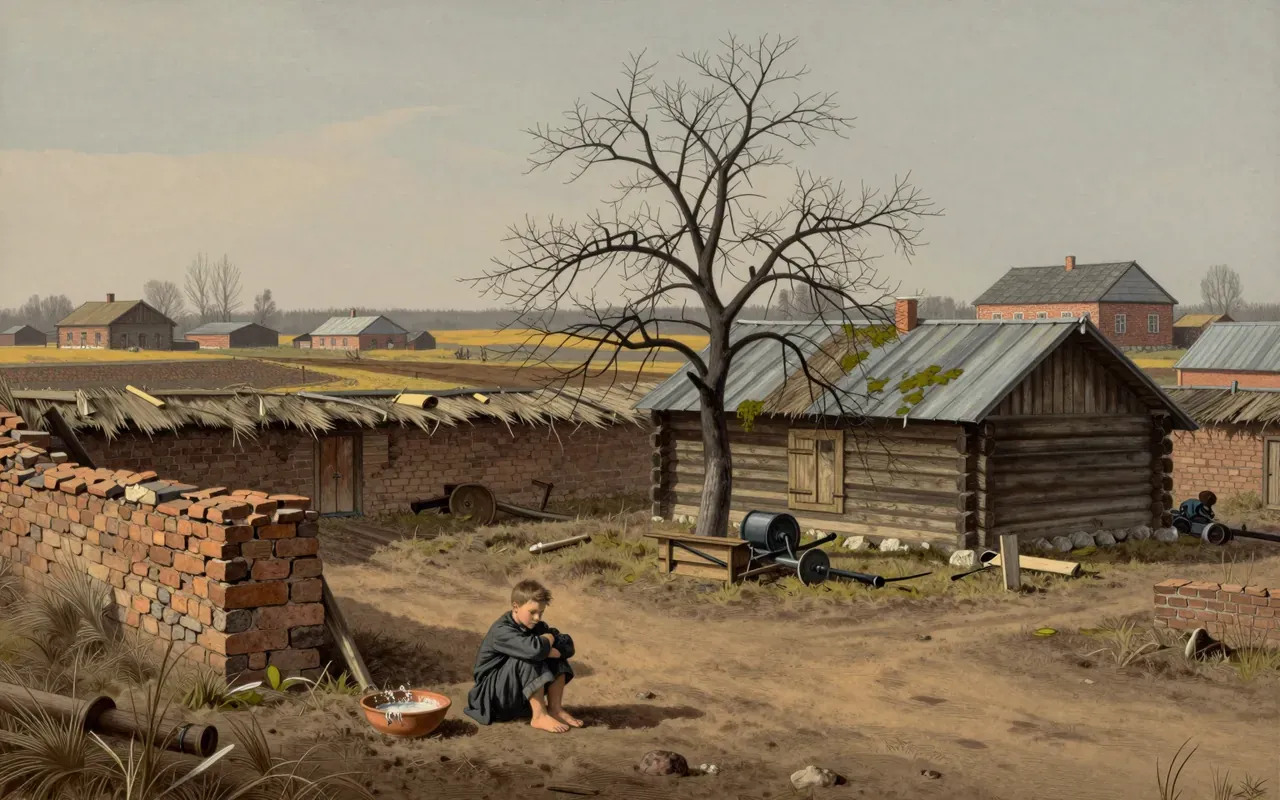
Tolstoy’s final novel argues that law, prison and landed property are tools of class violence. It traces Nekhludoff’s awakening from guilt to Gospel conviction — that love, not law, is humanity’s sole binding principle. The brief isolates the trial, the cell, Panovo’s starvation and the Siberian march as proof. Skip the English visitor and the defiant exile.
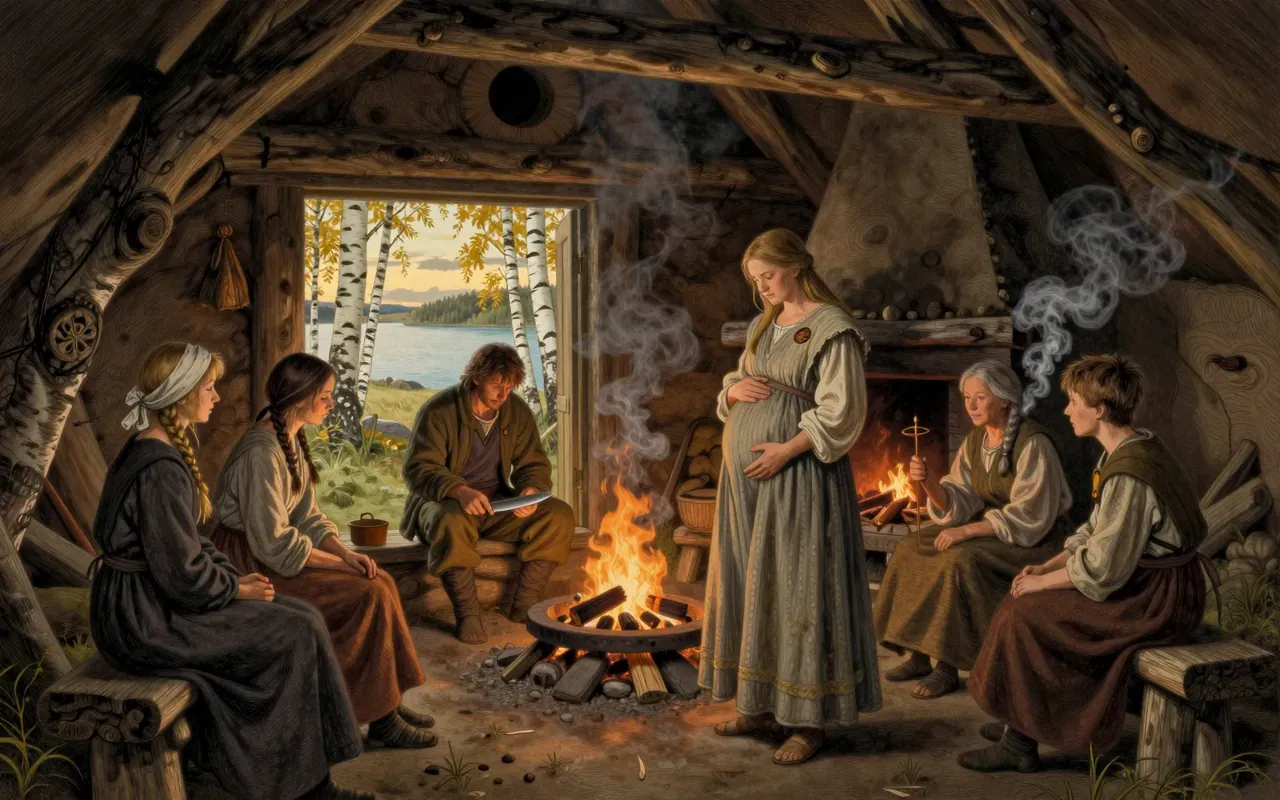
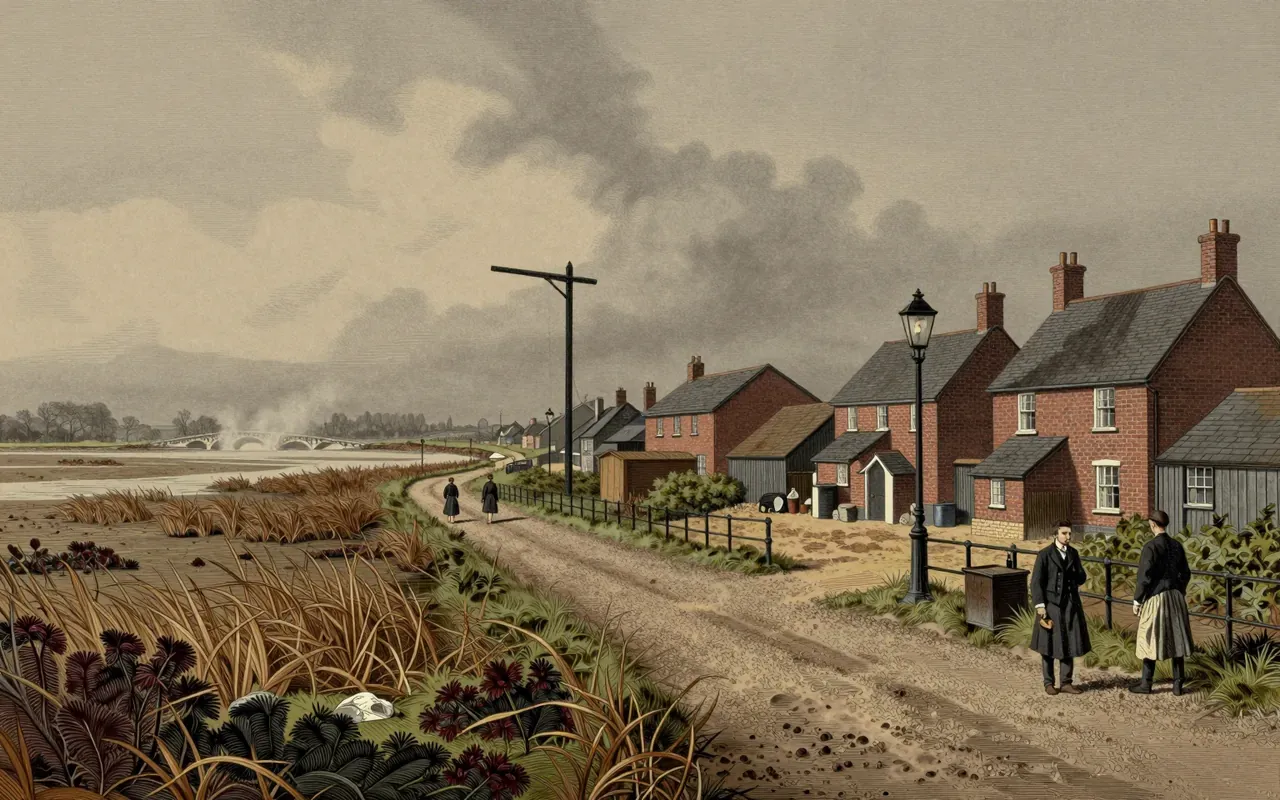
Great Expectations argues that class shame is internalised before it is acted upon—and that true worth is measured in loyalty, not lineage. The brief isolates Joe’s moral centrality, Jaggers’s ritualised power, and Magwitch’s redemptive love. It tells you which chapters reveal Dickens’s design and which dilute it.
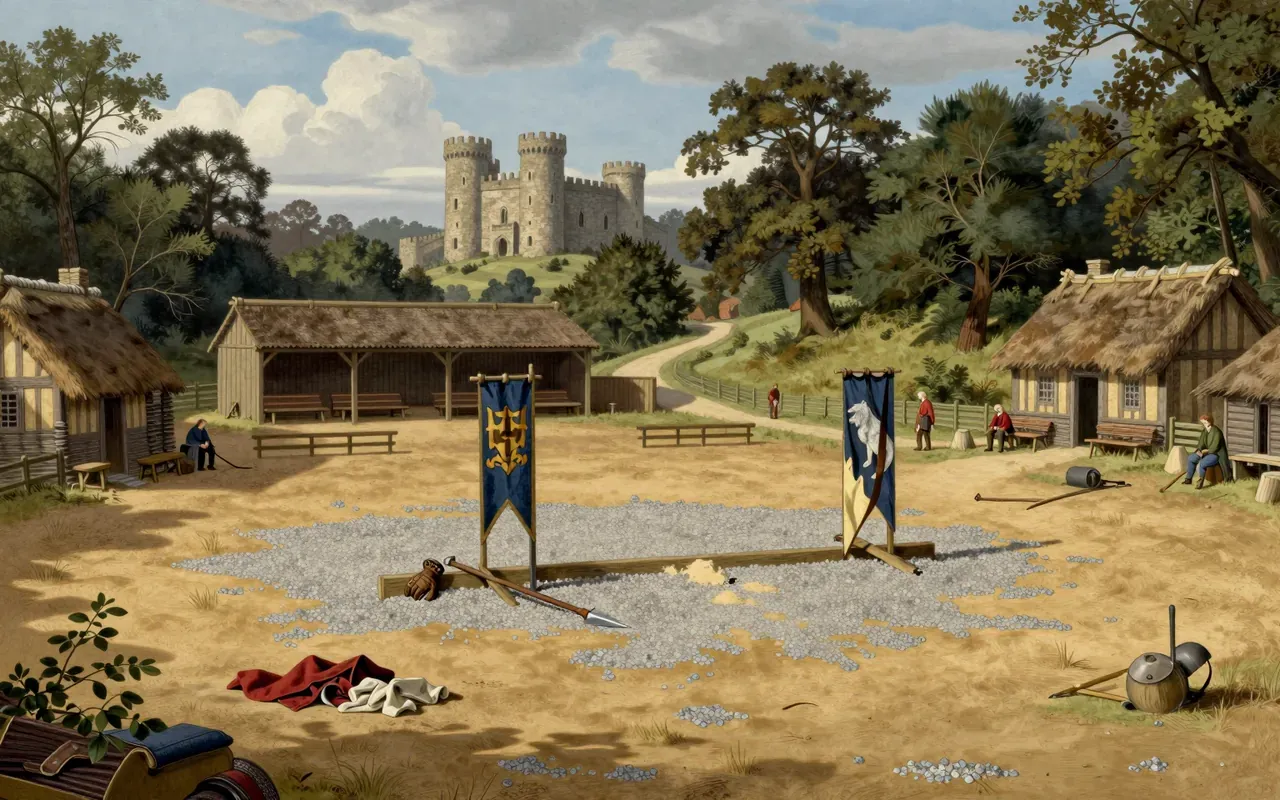
Ivanhoe argues chivalry is theatrical cover for Norman tyranny—and that Rebecca’s trial exposes how religion brands Jewish faith as sorcery. It works best in its contrasts: outlaw justice vs Templar fanaticism, Saxon speech vs Norman meat-names. Skip the tournament padding and Athelstane’s farcical resurrection.
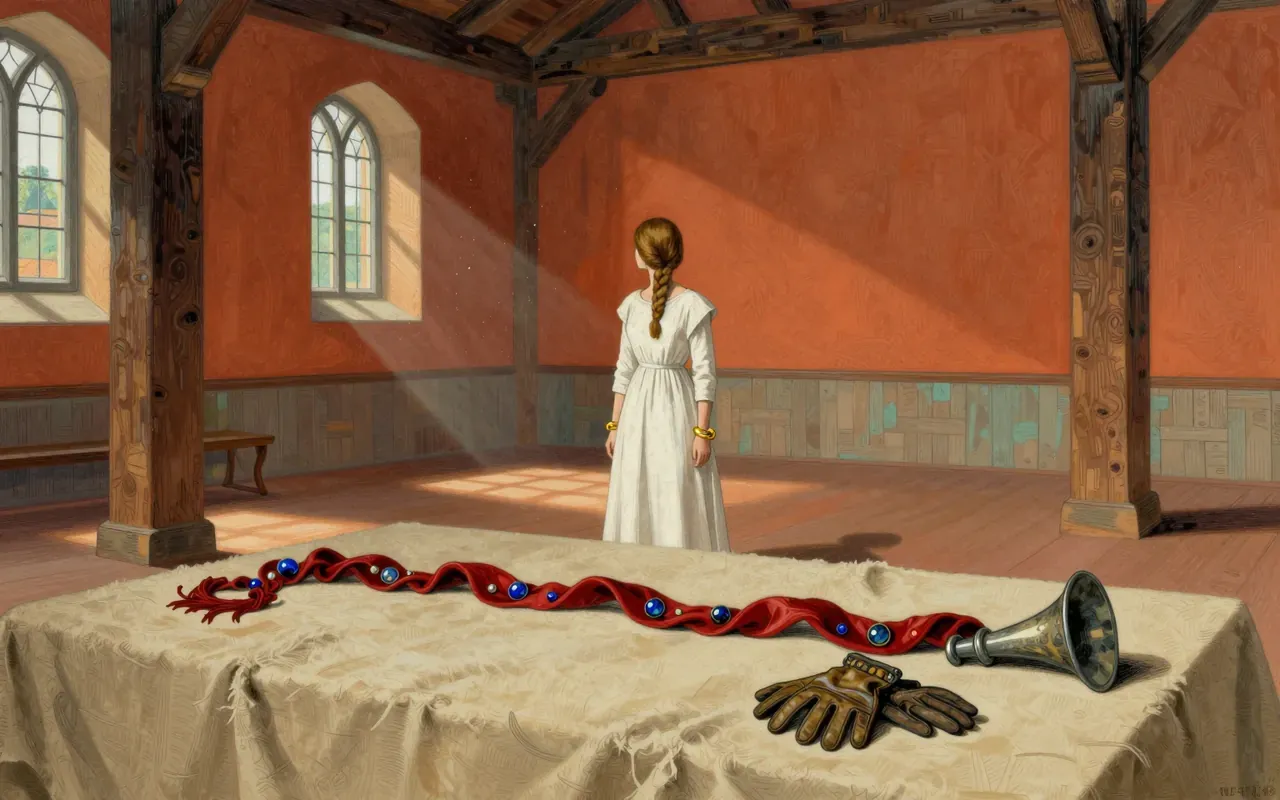
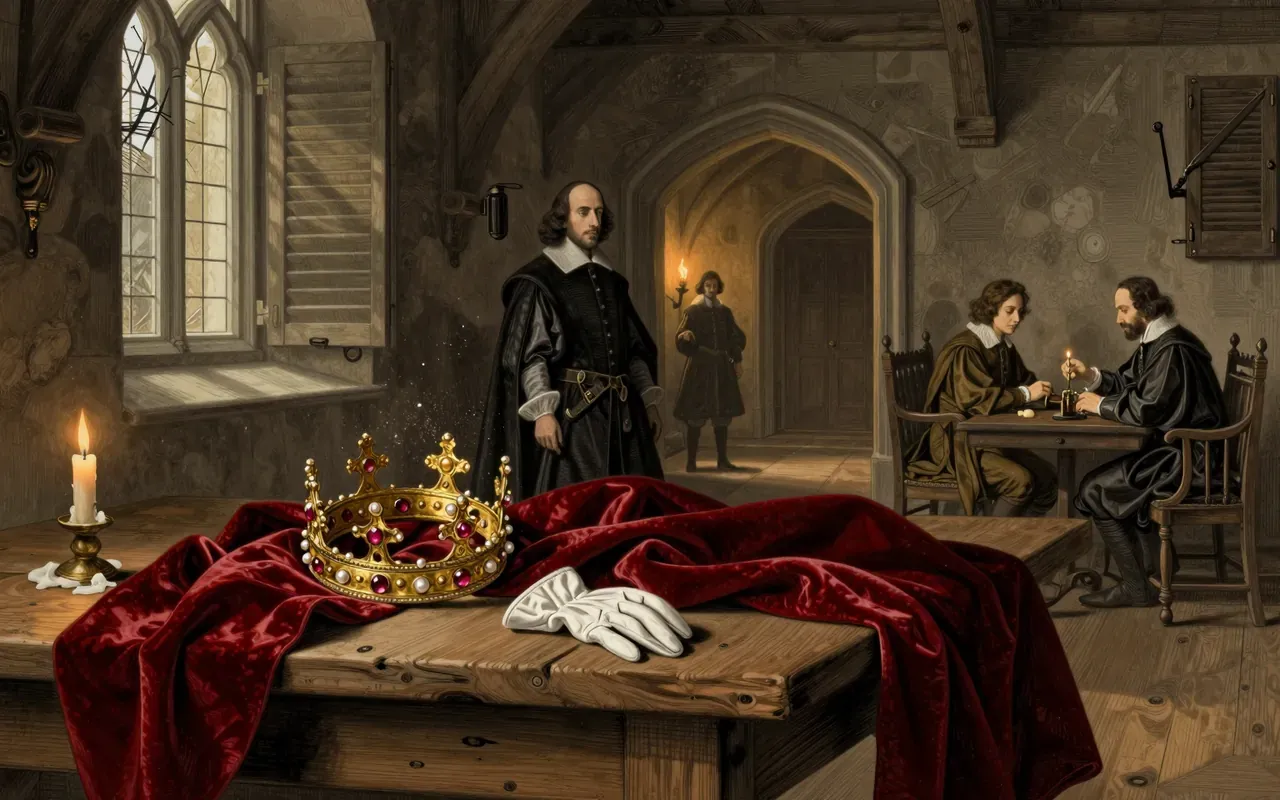
King Lear is not about redemption. It shows how power without insight unravels — through Lear’s demand for flattery, Cordelia’s silence, and the storm as physical consequence. The brief isolates its brutal logic, names what works (the storm, the Fool, the blinding), and says what to skip (expository padding). It is worth your time only if you accept that some truths arrive as wounds.
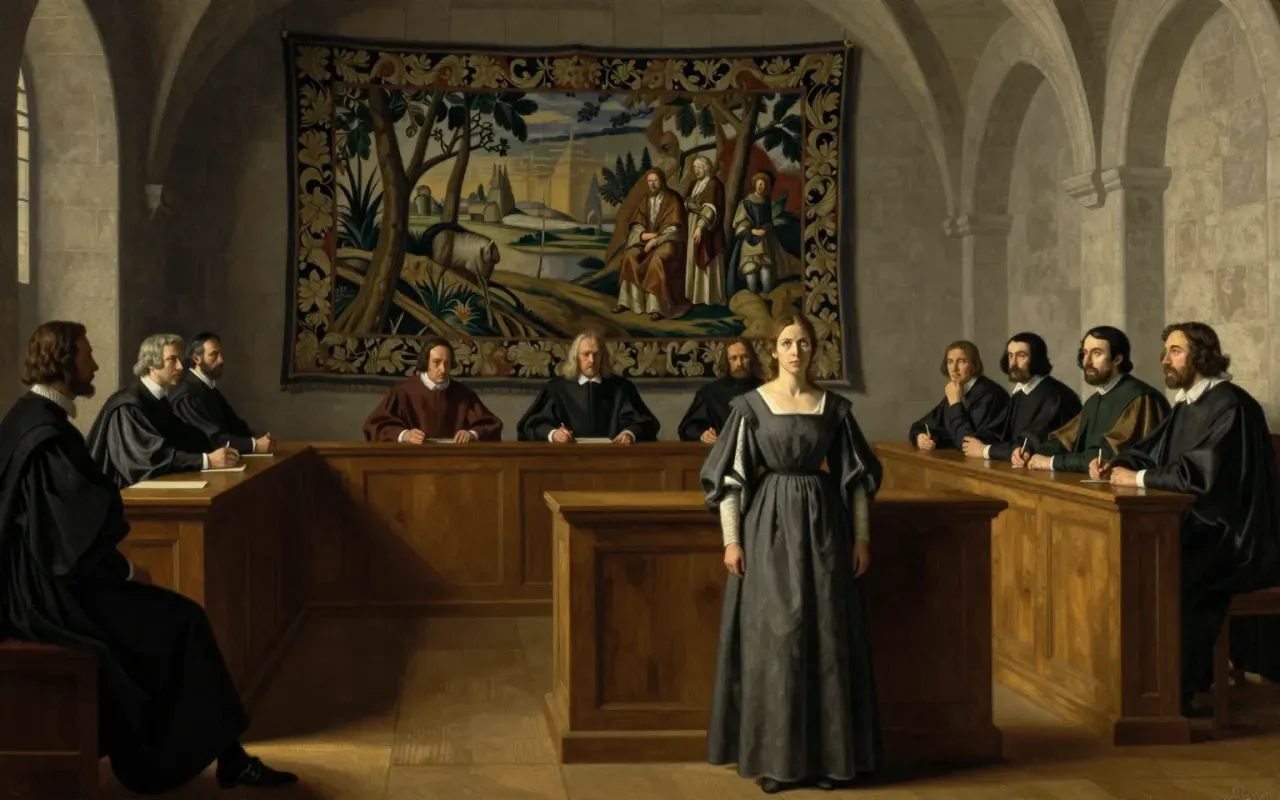
Beatrice and Benedick argue their way into a marriage; Claudio believes a lie about Hero and denounces her at the altar. The brief covers why the comic plot outlives the romantic one, what two words in Act IV do to the play, and how little the villain has to try.
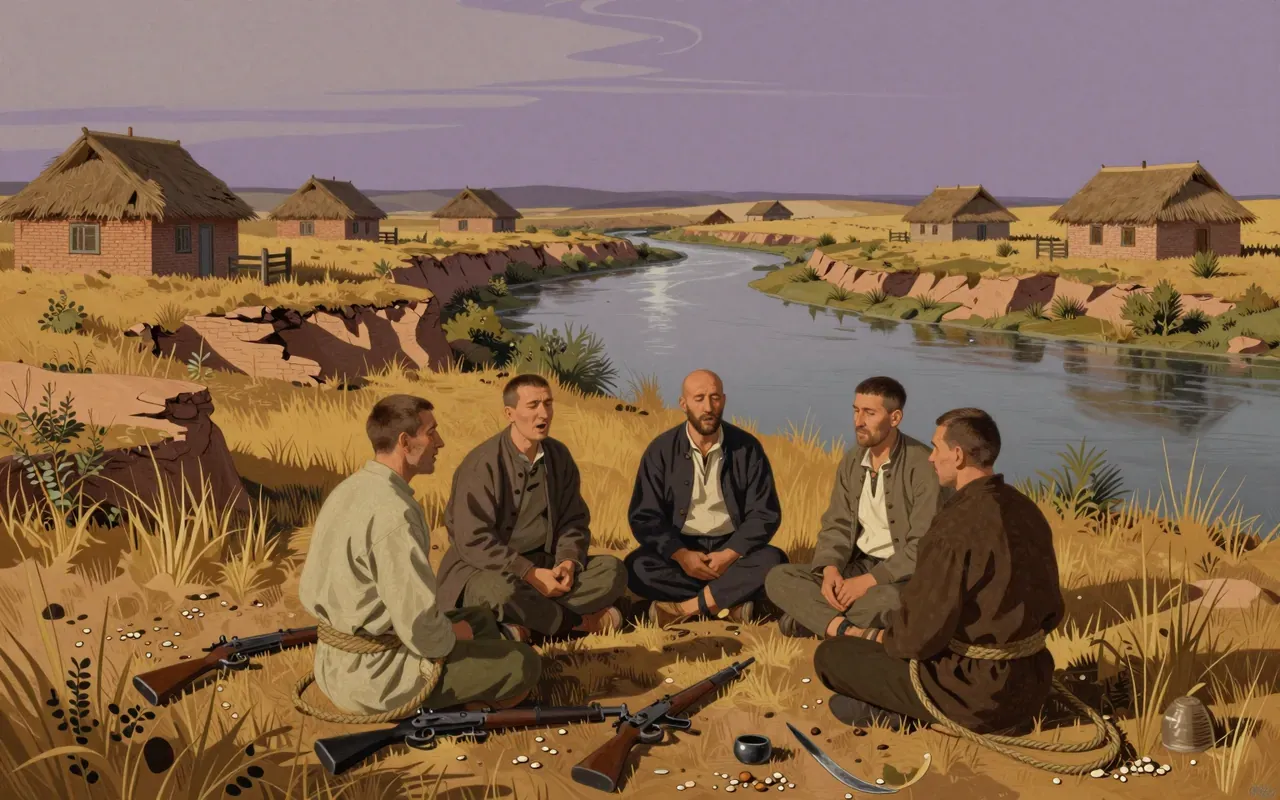
Tolstoy’s novella argues that love is not a bridge but a border — a truth exposed when Moscow aristocrat Olénin fails to win Maryánka amid the Grebénsk Cossacks. The brief isolates the khorovód, the death-song and the farewell as the book’s moral core. It tells you which chapters expose Tolstoy’s argument and which merely rehearse Olénin’s delusion.
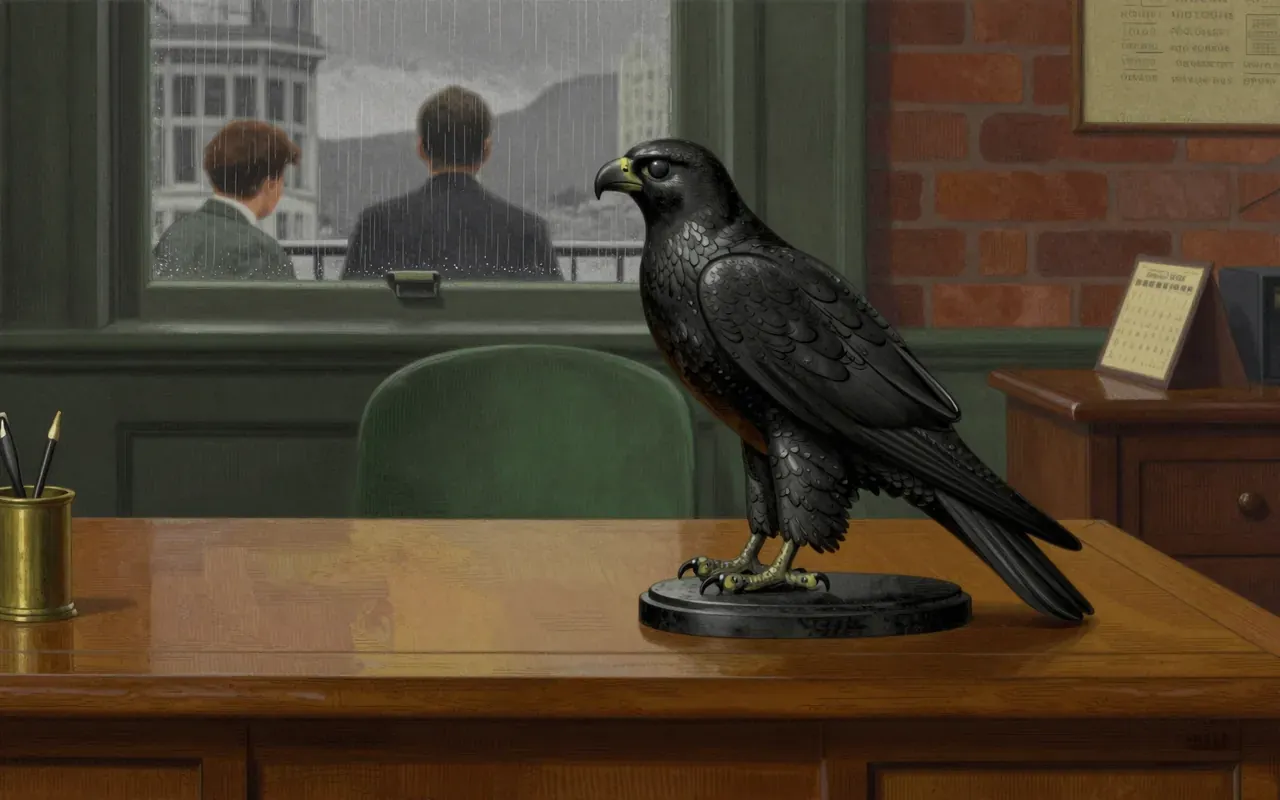
The Maltese Falcon is a tightly wound argument about duty, deception and hollow value. It insists loyalty is contractual, identity is costume, and obsession is blind. The brief extracts Spade’s partner rule, Brigid’s performance, and the falcon’s lead core—and tells you why none of it is metaphor.
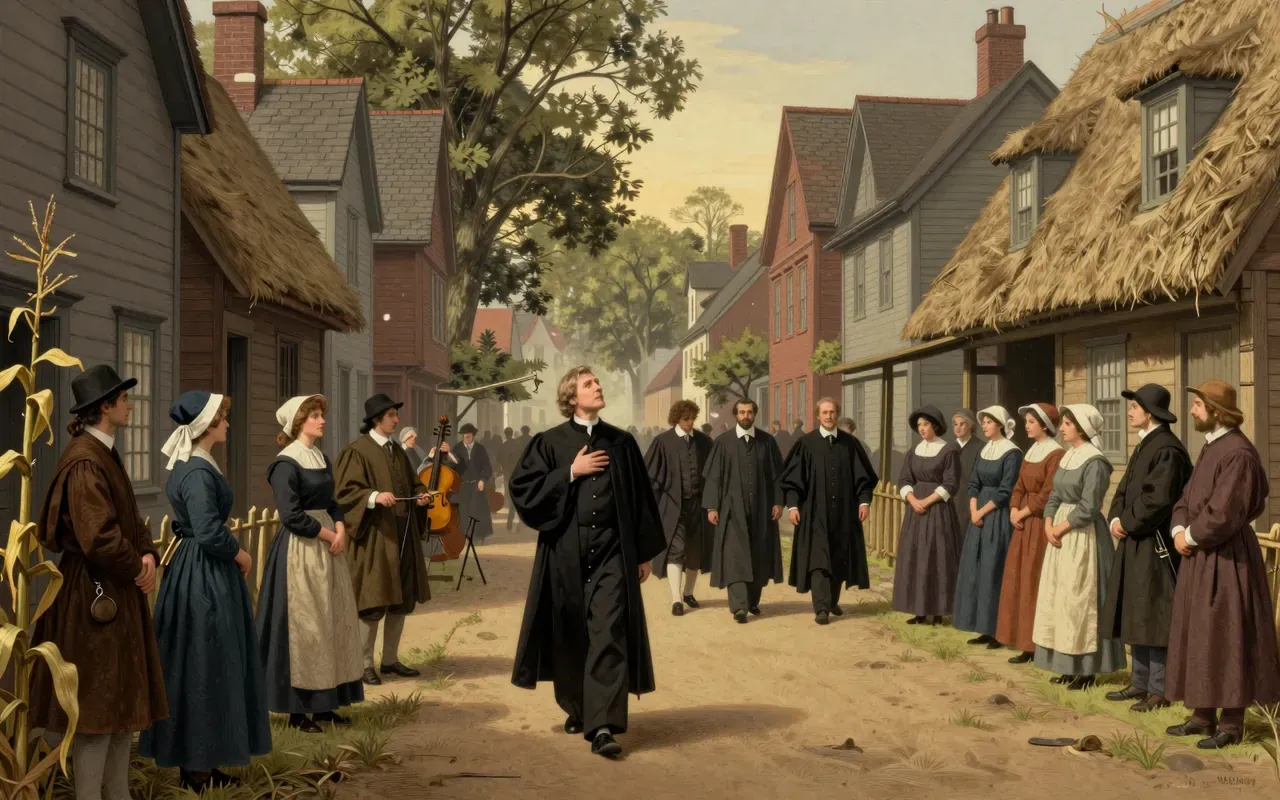
The Scarlet Letter is a tightly wound allegory about shame as public theatre and truth as embodied consequence. Hester’s embroidered 'A' asserts authorship over her punishment. Dimmesdale’s hidden stigma proves secrecy corrodes the self. Chillingworth’s withering confirms revenge is self-annihilation. Skip the Custom-House preface. Read the forest meeting and scaffold revelation—they hold the whole argument.
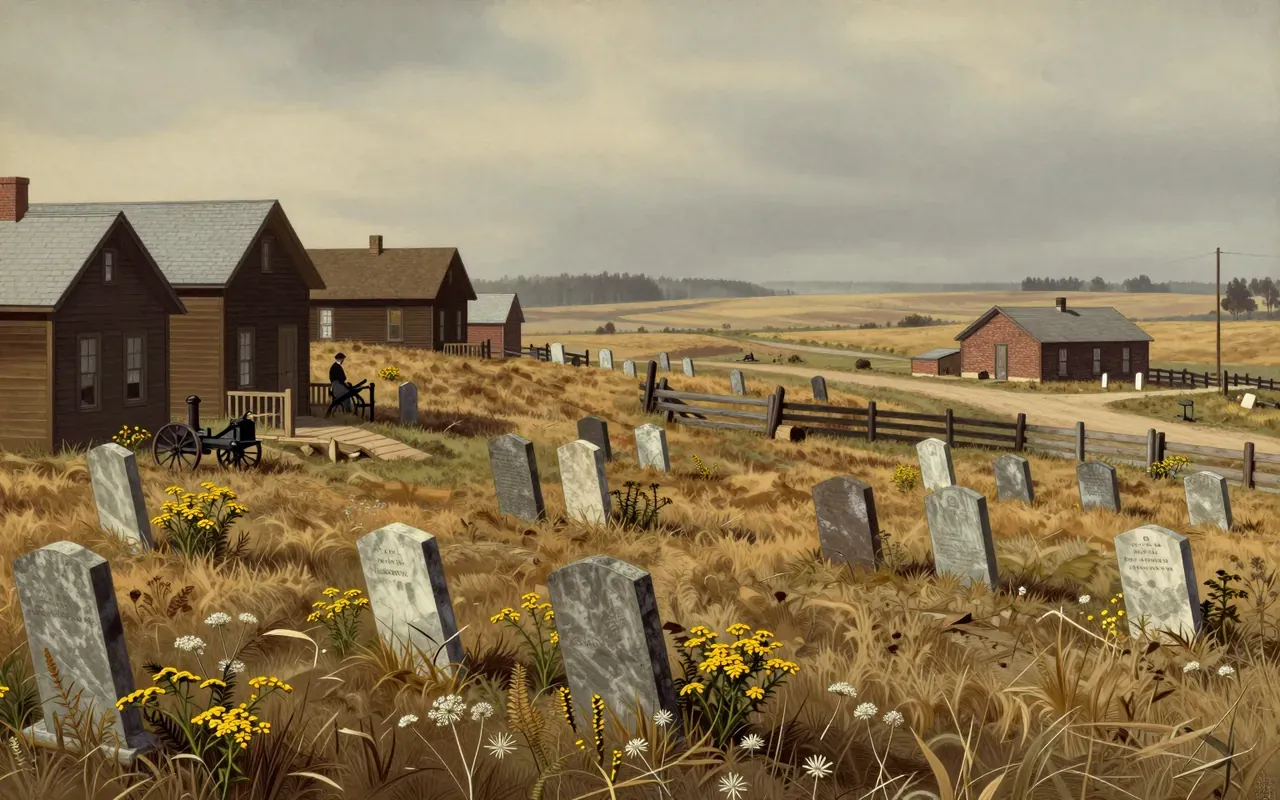
The brief argues that Spoon River Anthology’s power lies entirely in its epitaphs—the dead speaking plainly about lies, loss and local truth. The Epilogue’s mythic allegory undermines that power. Read The Hill. Skip the rest.
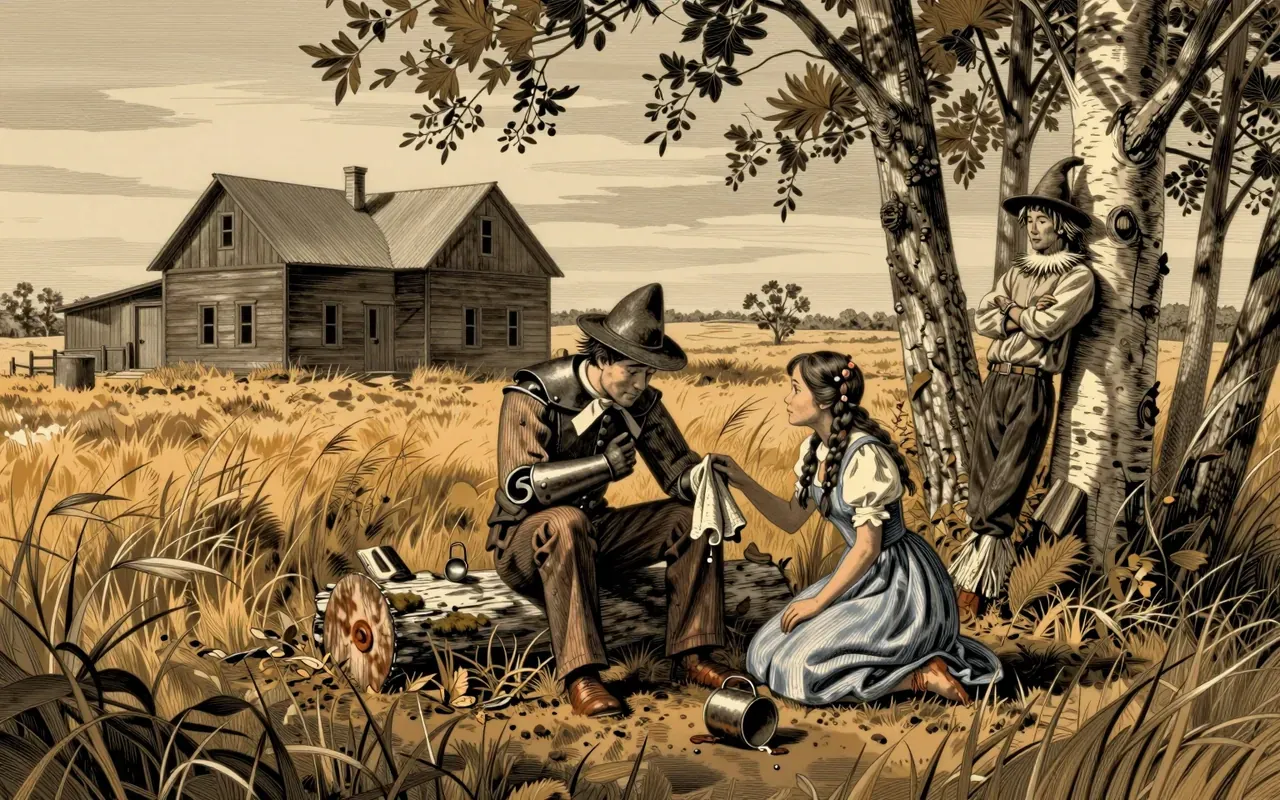
The book replaces Grimm’s moral terror with joyful, amoral wonder. Oz’s green-silk balloon exposes authority as performance. The china Princess’s fear of breaking grounds identity in physical fragility. Glinda reveals Dorothy’s Silver Shoes held her way home all along—but only after she earned return through loyalty and journeying.
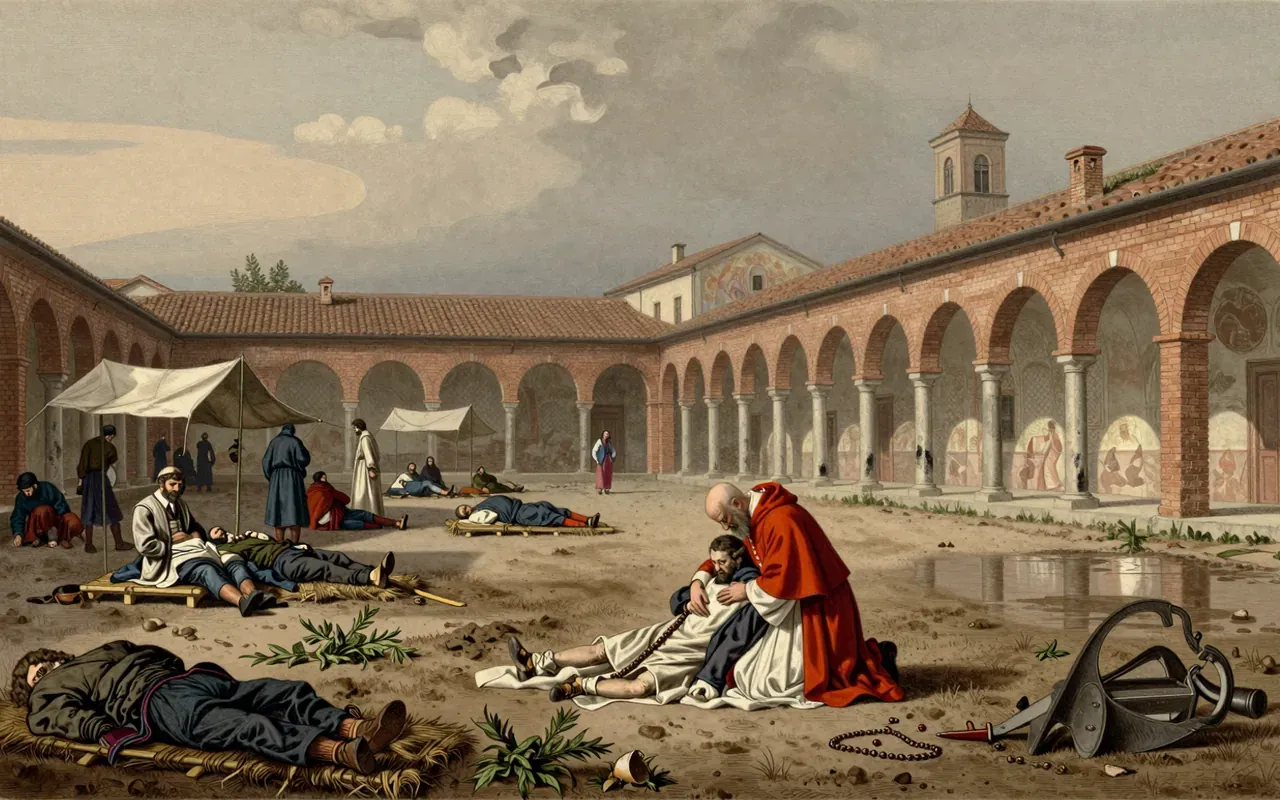
The Betrothed argues that grace arrives through vulnerability, not doctrine. Lucy’s suffering breaks the Unknown’s will. Cardinal Borromeo’s embrace—not theology—converts him. The plague is not divine wrath but a 'serviceable broom' that clears tyrants and makes space for marriage. Skip nothing: its power is cumulative.
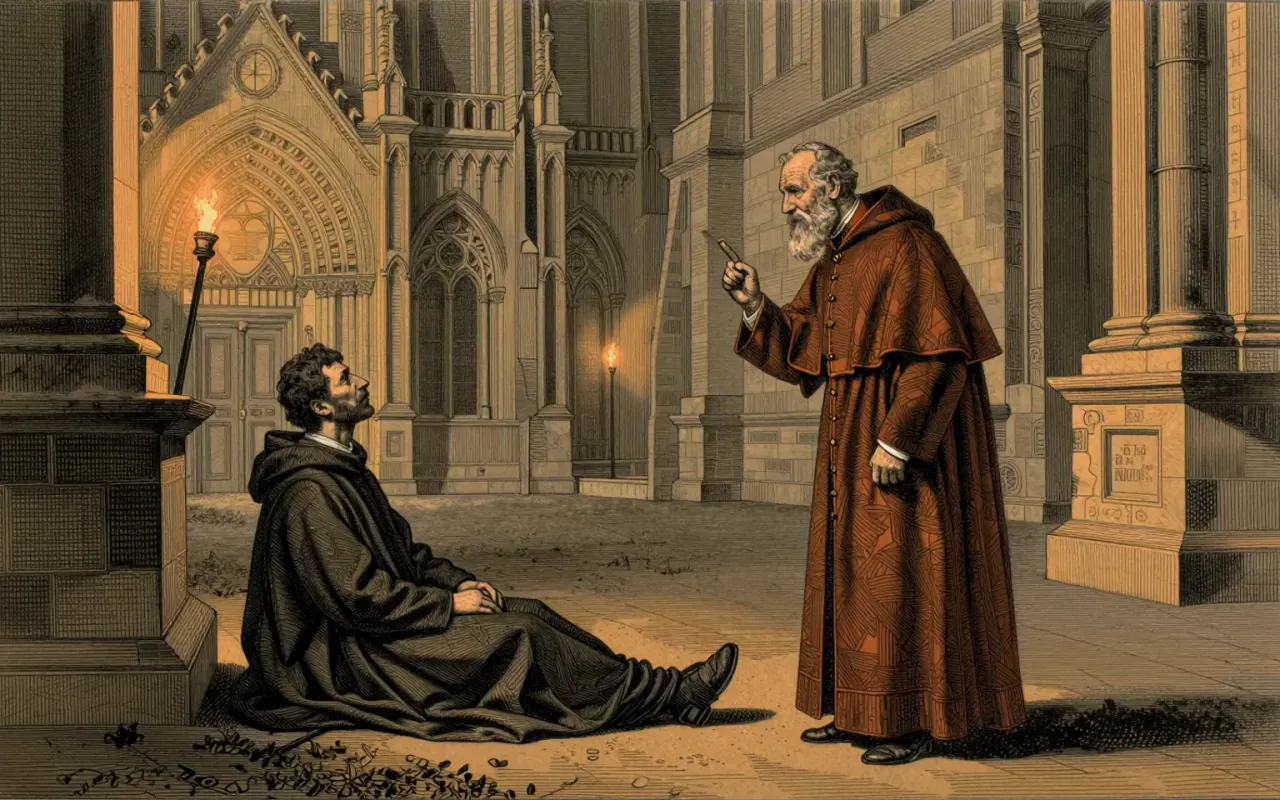
Dostoevsky's 1880 novel follows four brothers and their father's death, but treats the murder trial as a setup for Ivan's philosophical challenge to God and Alyosha's search for redemption. The book demands the reader inhabit uncertainty rather than resolve it.
The central idea is real and the book is twice as long as it needs to be. The brief extracts the triad, the barbell, via negativa and skin in the game, then tells you which two hundred pages to skip.
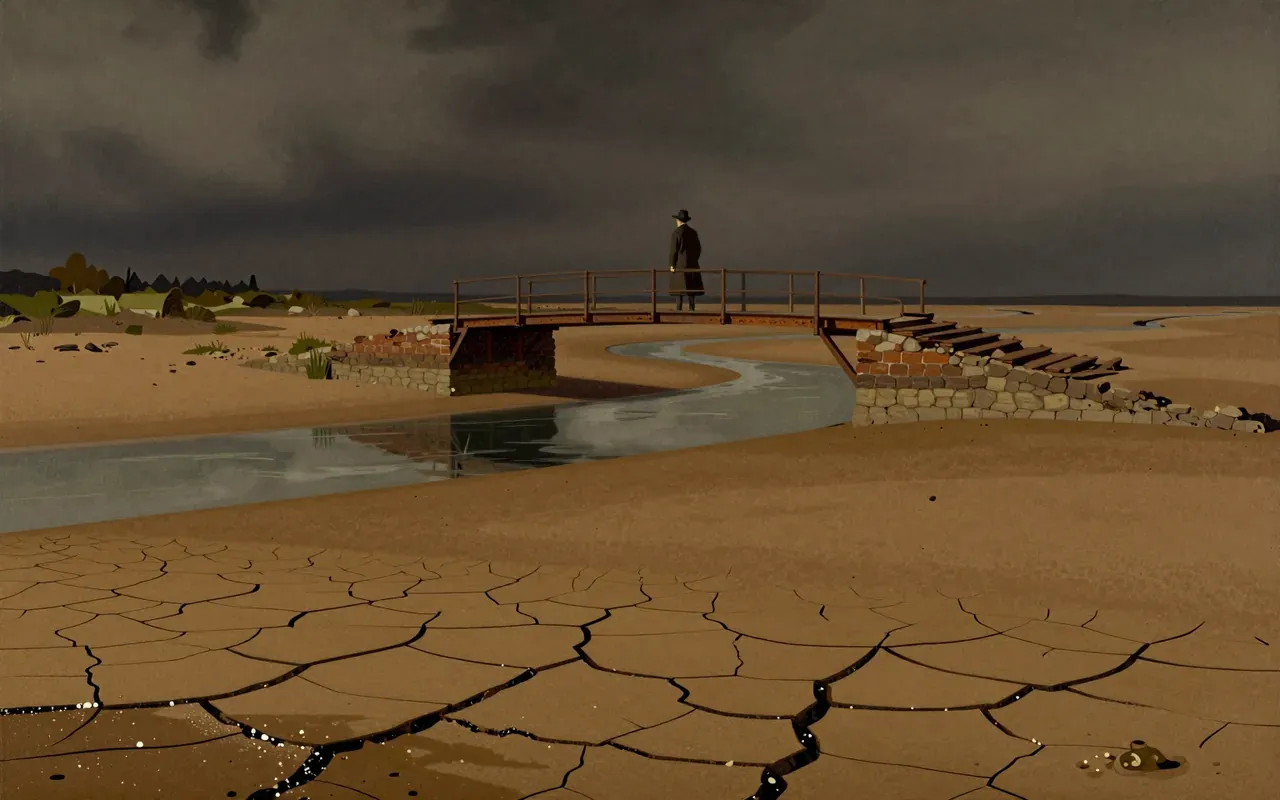
The Waste Land is a fractured 1922 poem diagnosing spiritual drought after the First World War. It rejects coherence, using shards of language, myth and memory to enact collapse rather than describe it. The brief tells you why its disorientation is deliberate, which lines anchor its argument, and why it remains essential—if unreadable in the old way.
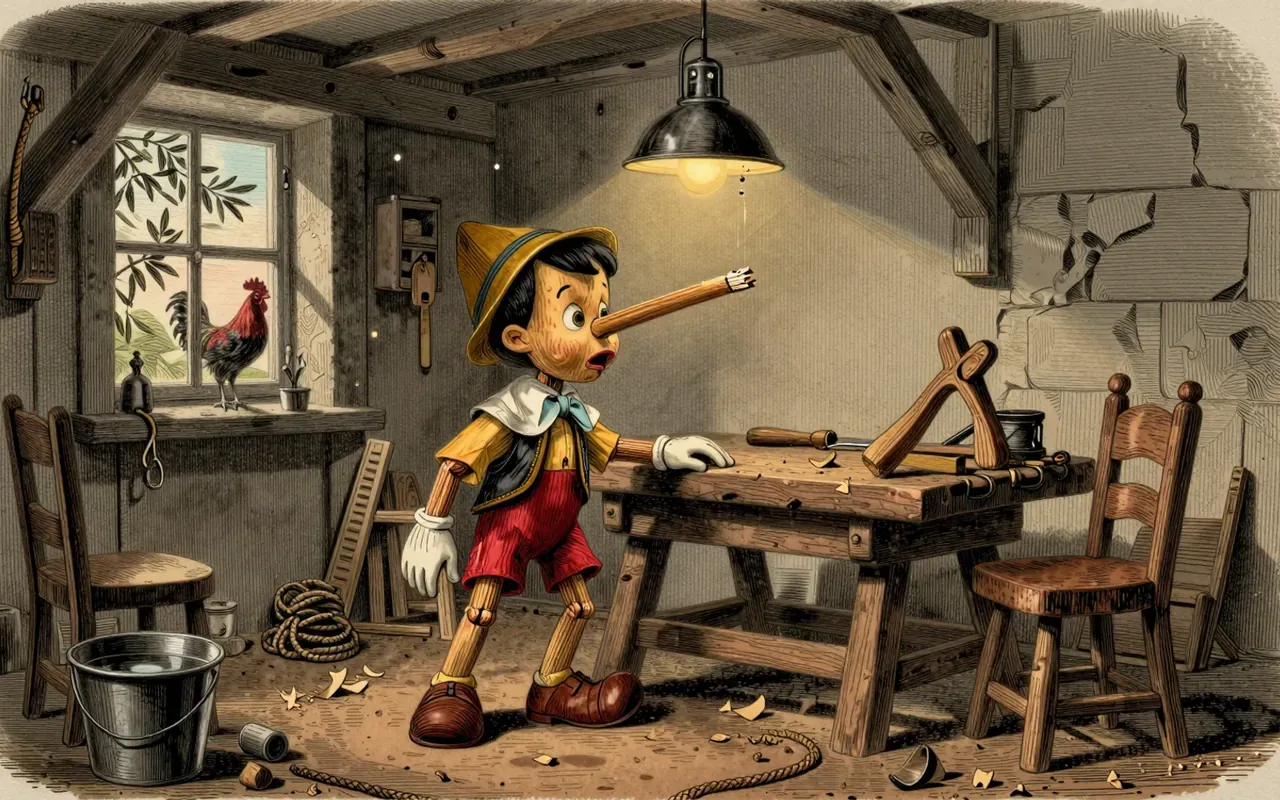
Pinocchio is a moral horror story disguised as children’s literature. Disobedience mutates the body. Redemption arrives only after being swallowed whole—literally—by the Dog-Fish. The brief isolates the core chapters, names what works (the Dog-Fish, the Land of Boobies), and tells you exactly what to skip.
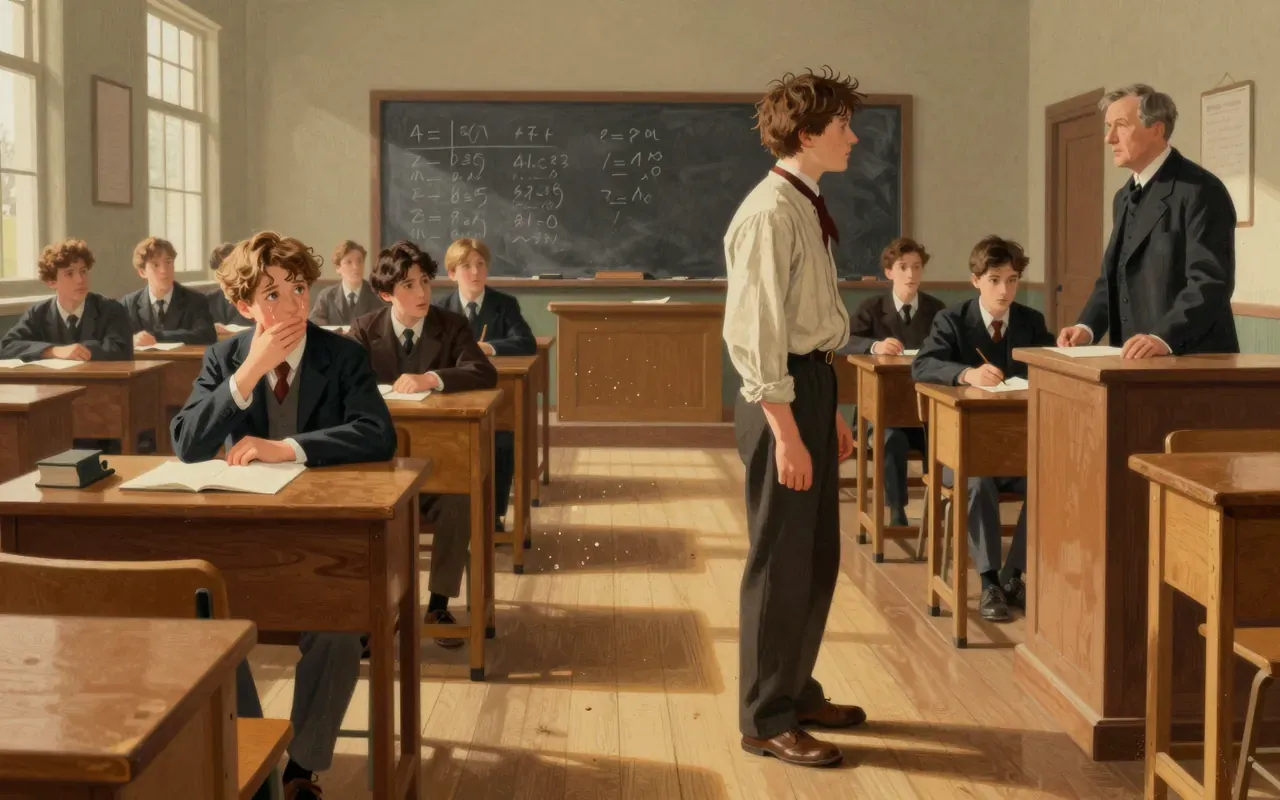
Twain’s 1876 novel treats childhood as a site of real moral risk—not innocence, not corruption, but constant negotiation. Tom’s fence-whitewashing, blood oath, courtroom testimony and cave ordeal are not adventures but ethical trials. The book works best in its sharpest scenes: Ch. II, XX, XXXI and XXXIII. Skip the editor’s introduction and the slower interludes.