booksbriefs
Oldest

All briefs

133 briefs · 1784 min · 97–133 on page 2 of 2
15:13

Leaves of Grass

Walt Whitman · 1855

Leaves of Grass is Whitman’s lifelong poetic declaration that the self, the body, and democracy are one sacred continuum. It works best in fragments: the opening 'One’s-self I sing', the Lincoln elegies, and the death meditations. Skip the expansions. Read it as liturgy, not argument.

15:33

The Mabinogion

Welsh legend didn’t borrow from Arthurian romance — it invented the grammar that made it possible.
14:23

The Maltese falcon

Dashiell Hammett · 0

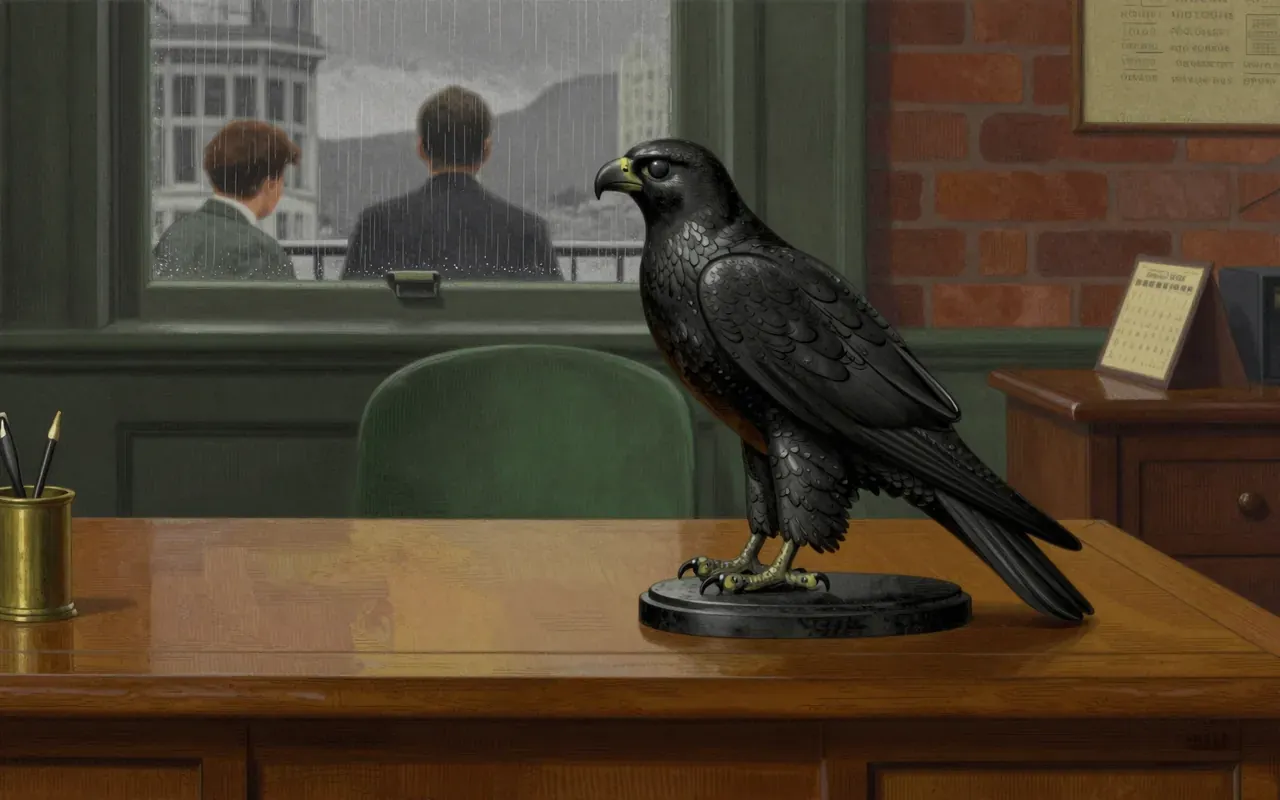
The Maltese Falcon is a tightly wound argument about duty, deception and hollow value. It insists loyalty is contractual, identity is costume, and obsession is blind. The brief extracts Spade’s partner rule, Brigid’s performance, and the falcon’s lead core—and tells you why none of it is metaphor.

15:13

Master and Man

Leo Tolstoy · 1910

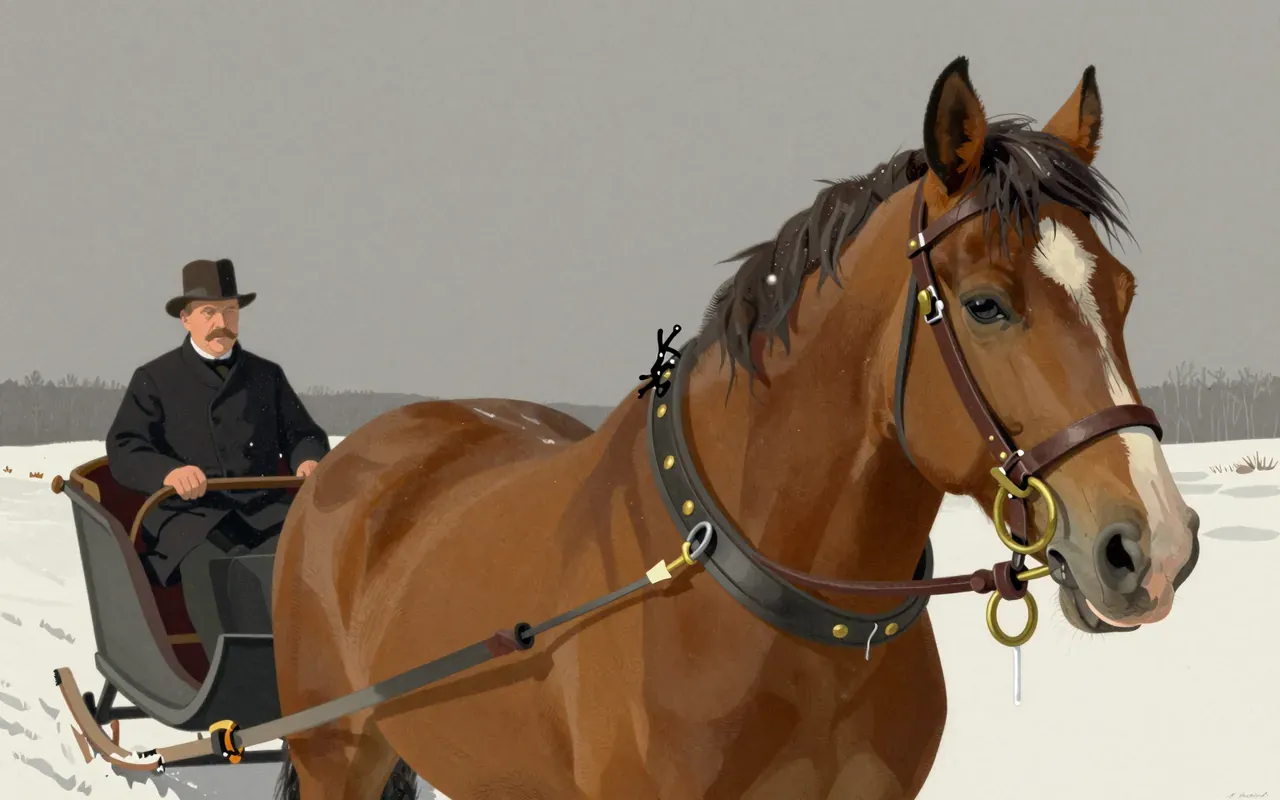
Tolstoy’s 1910 parable strips away all pretence: a merchant and his labourer are stranded in a blizzard, and salvation arrives only when the merchant lies frozen atop the man he exploited. The wormwood circle (VIII) proves reason is useless. Skip the homestead interlude (IV). Read it once, in under ninety minutes.

10:57

The Master Builder

Henrik Ibsen · 0

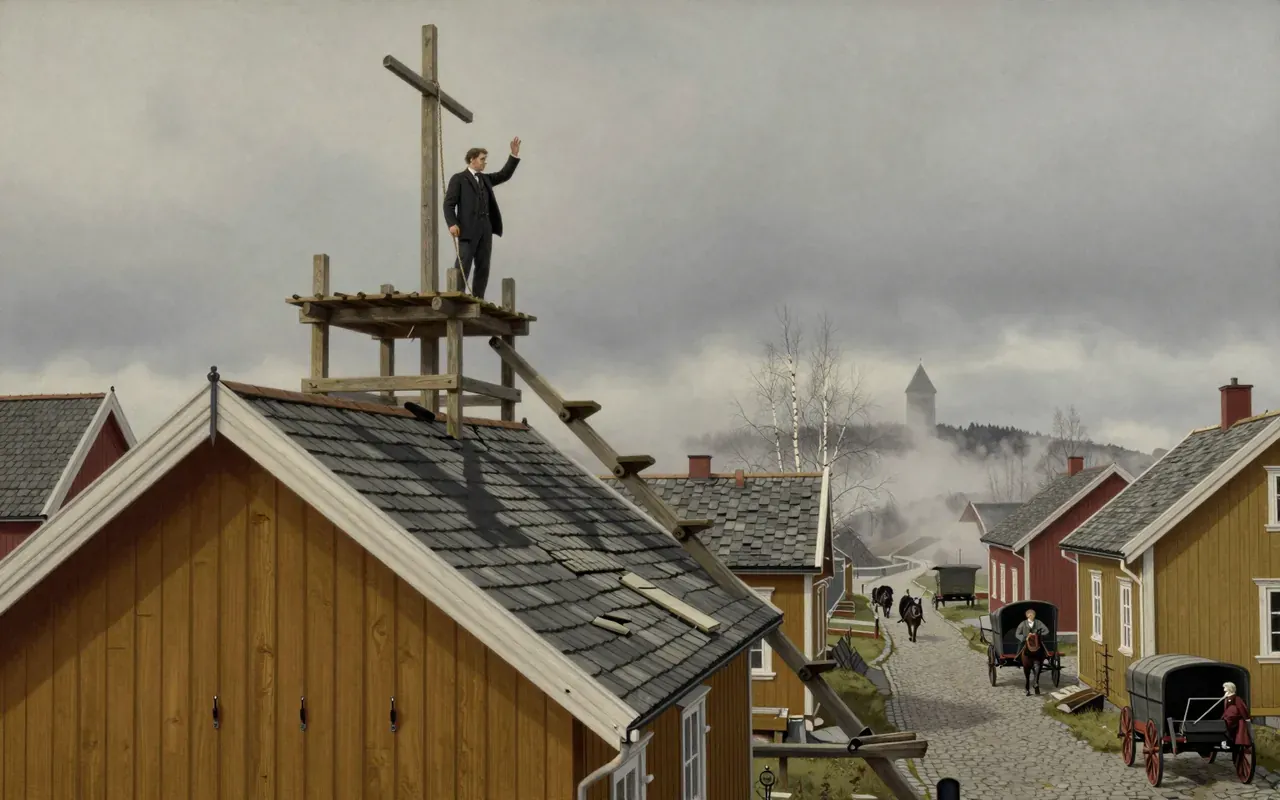
The Master Builder argues that genius is sustained by moral evasion—and that no tower can stand on ash. It works as a claustrophobic duel between Solness and Hilda, but collapses under its own refusal to interrogate her motive or hold Solness to account. Read it for the tower, not the triumph.

13:21

Medea of Euripides

Euripides · 406 BC

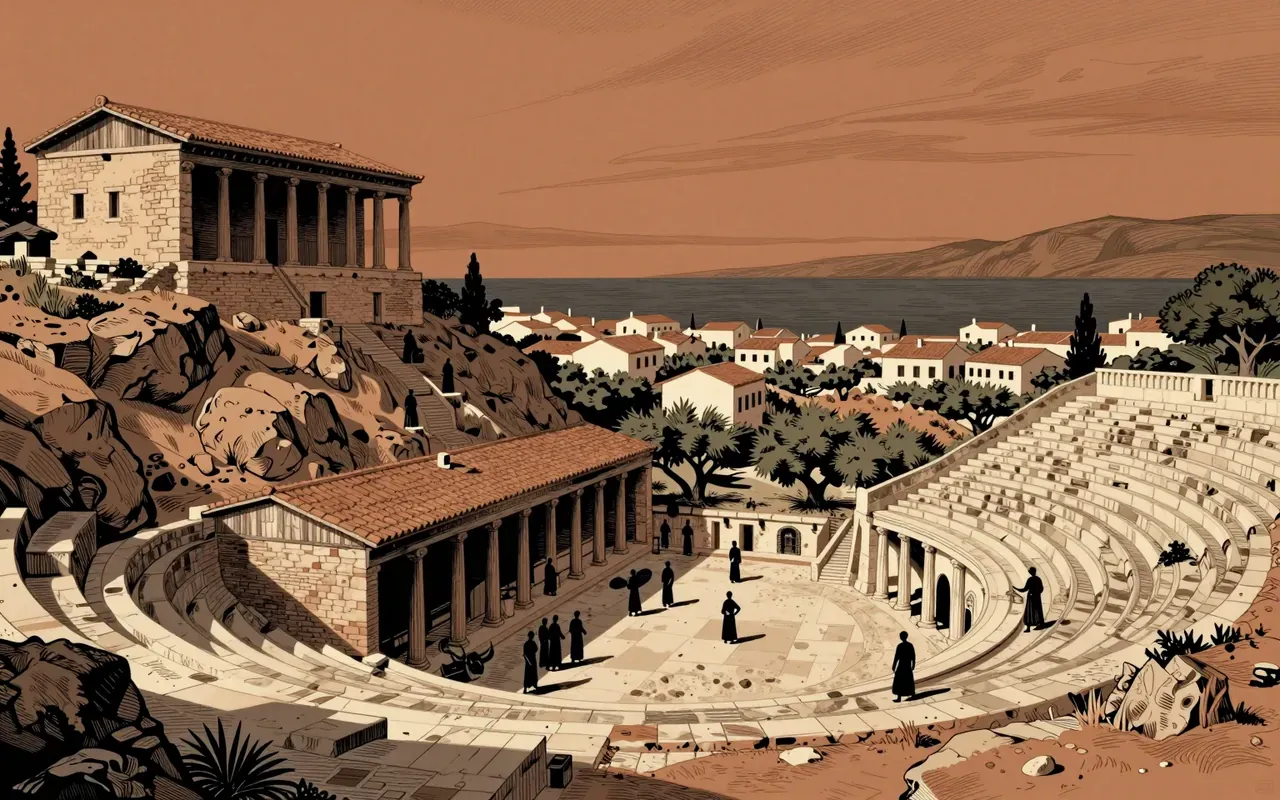
Medea is not a study in madness — it is a forensic account of how law, gender and exile converge to make vengeance rational. The brief explains why her children’s murder is strategic, not hysterical, and why the dragon-chariot ending is the point, not a flaw. Read it for its precision, not its pity.

14:54

A Midsummer Night's Dream

William Shakespeare · 0

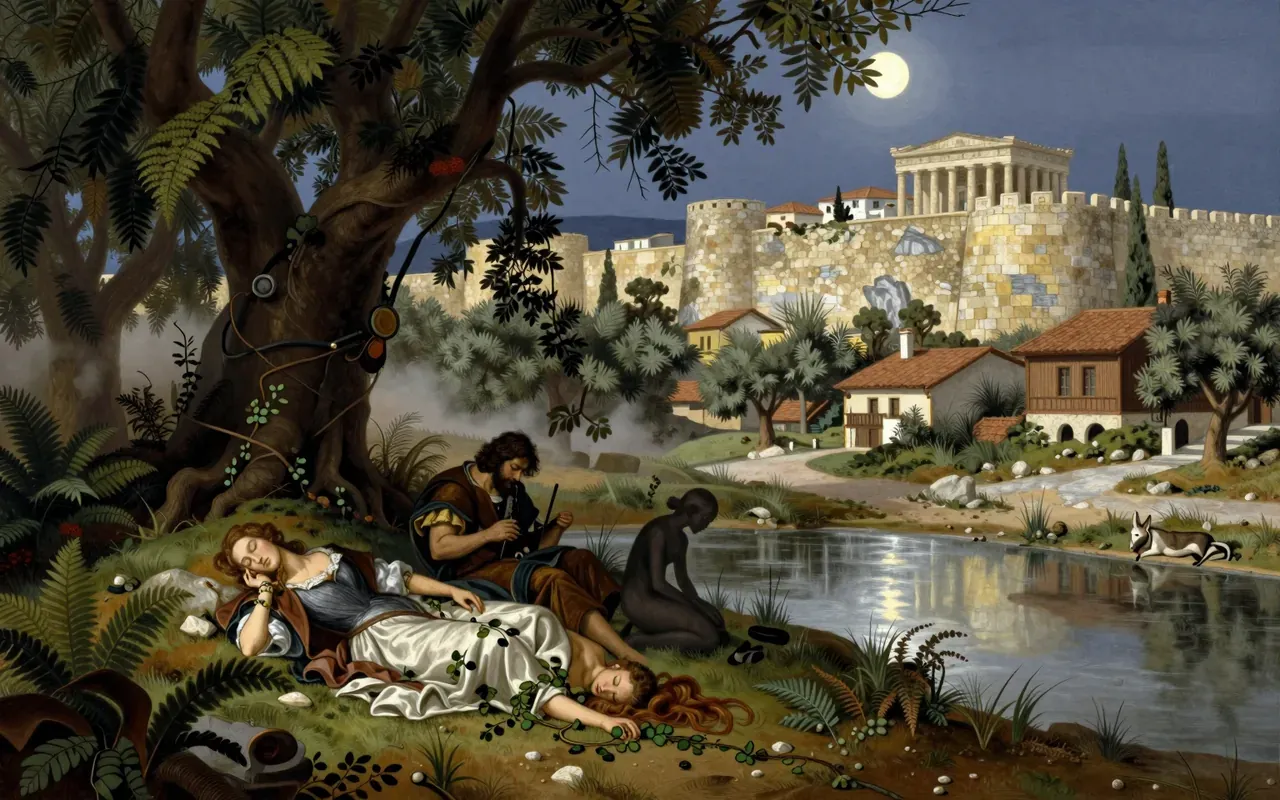
A comic play about love’s irrationality, law’s fragility, and the forest’s power to dissolve both. The brief shows how Hermia’s defiance and Lysander’s 'course of true love' speech drive the action — and why the craftsmen’s subplot should be skimmed after the first reading.

14:10

The Nibelungenlied

Honour is a death sentence signed in advance — and everyone in this poem keeps signing it.
15:54

Oliver Twist

Charles Dickens · 1822

Oliver Twist is a satirical indictment of Victorian poor law, not a sentimental orphan story. It exposes the workhouse as a profit engine, Fagin’s gang as its logical offshoot, and Nancy’s murder as systemic failure. The brief strips away the myth of innocence to show how institutions manufacture criminality — then tells you which pastoral interludes to skip.

15:16

On the Origin of Species By Means of Natural Selection

Charles Darwin · 1859

Darwin’s 1859 argument is mechanistic, not historical: natural selection edits variation, it does not create life. The brief isolates the wedge metaphor, homology, and Galápagos biogeography as the enduring core—and flags Chapters VII–IX as dated digressions. Read Chapters I–IV and XIV, then decide whether to go deeper.

13:30

Othello

William Shakespeare · 0

Othello is a tragedy about how language and suggestion can destroy certainty, love, and self. It argues jealousy is not emotion but logic gone rogue—and that 'ocular proof' can be manufactured from nothing. The brief explains why Iago needs no motive, why the handkerchief matters more than any character, and why the play refuses closure.

15:06

Paradise Lost

John Milton · 1667

Milton’s 1667 epic argues that rebellion is self-enslaving, that innocence is active, and that grace precedes repentance. It works best in fragments: Satan’s speeches, Eden’s harmony, the Fall’s rupture, and the final departure. Skip the war machinery and speculative cosmology unless you need angelic ballistics.

14:37

Pinocchio

Carlo Collodi · 1883

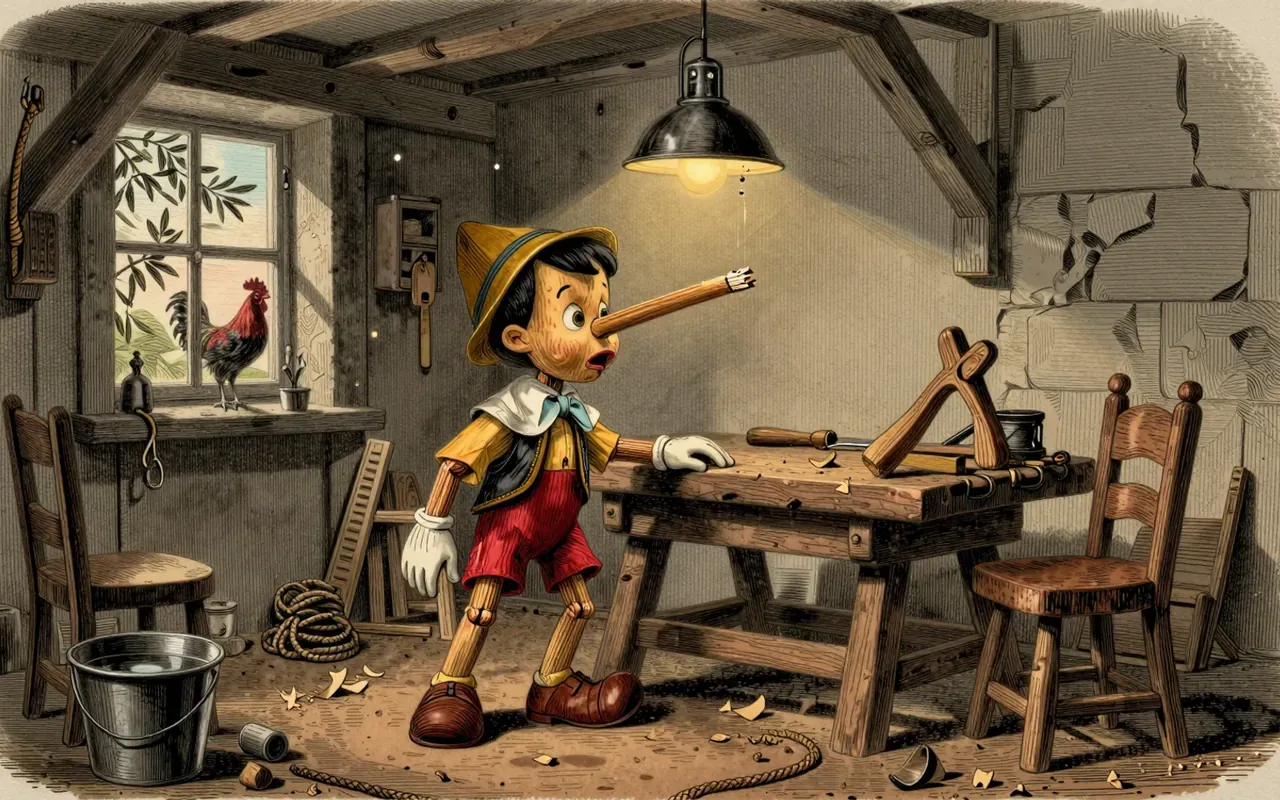
Pinocchio is a moral horror story disguised as children’s literature. Disobedience mutates the body. Redemption arrives only after being swallowed whole—literally—by the Dog-Fish. The brief isolates the core chapters, names what works (the Dog-Fish, the Land of Boobies), and tells you exactly what to skip.

13:22

The Prince

Niccolò Machiavelli · 1515

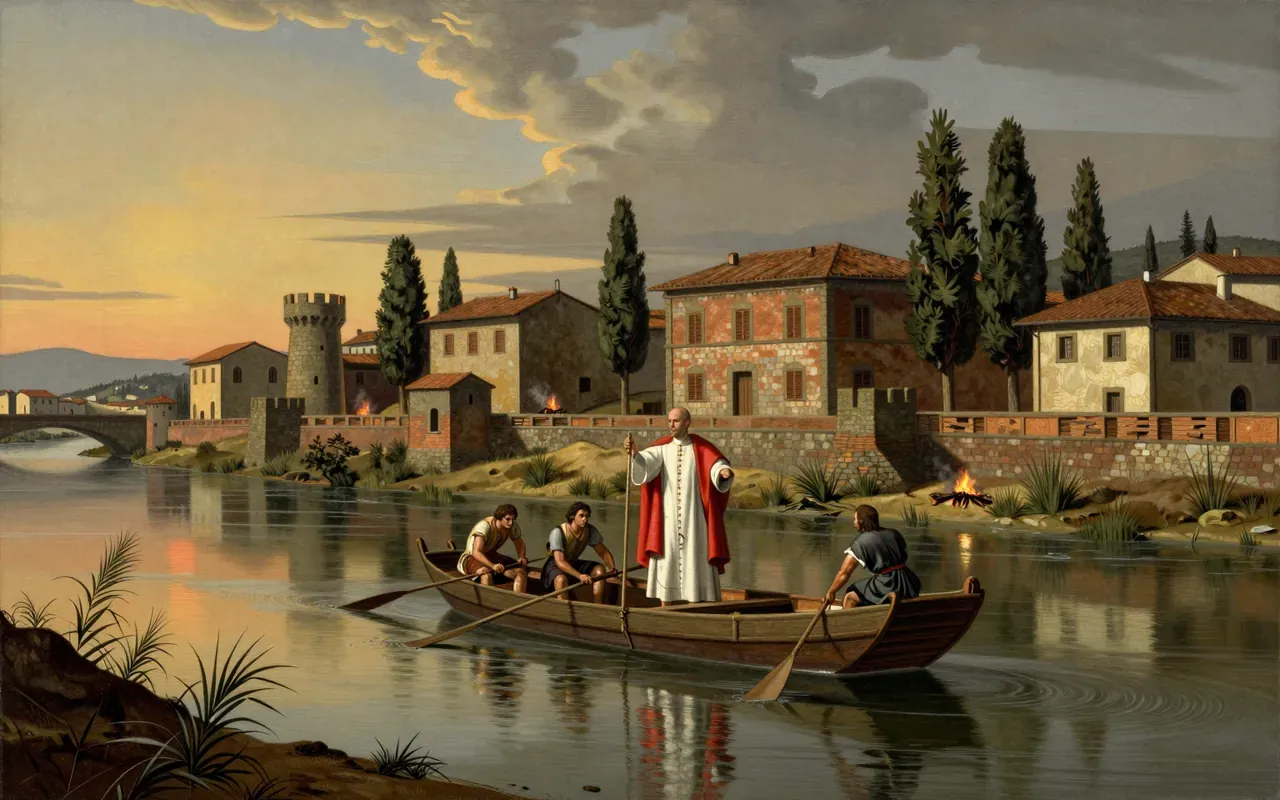
The Prince is a manual for seizing and holding absolute power without legitimacy. It argues that arms, timing and audacity—not virtue or law—secure rule. Its strongest ideas are in Chapters XX–XXVI: the river metaphor for fortune, the three-tier intellect test, and the warning against neutrality. Skip Chapter XXVI—it names Giuliano de’ Medici as Italy’s saviour but offers no analysis.

14:44

Pygmalion

Bernard Shaw · 1912

Pygmalion is not a rags-to-riches fantasy. It is a surgical dissection of how accent enforces class in England—and how linguistic transformation without power leaves Eliza stranded. The brief shows why Higgins’s triumph is hollow, why Doolittle’s rise is damning, and why Eliza’s final act is not marriage but sovereignty.

15:46

The Republic

Plato · 0

The Republic argues justice is soul-harmony enforced by philosopher-kings, censorship and communal breeding. Its greatest strength—the Cave—is also its warning: truth requires coercion. Skip Book V’s breeding logic and Book III’s musical digressions. Read Books IV, VI, VII and X for the core argument.
14:07

Resurrection

Leo Tolstoy · 0

Tolstoy’s final novel argues that law, prison and landed property are tools of class violence. It traces Nekhludoff’s awakening from guilt to Gospel conviction — that love, not law, is humanity’s sole binding principle. The brief isolates the trial, the cell, Panovo’s starvation and the Siberian march as proof. Skip the English visitor and the defiant exile.

13:52

The Robbers

Friedrich Schiller · 1805

The Robbers is a Sturm und Drang tragedy about moral contagion: Francis forges a letter to disinherit his brother Charles, who then joins a robber band. Charles returns to find his father imprisoned, kills Amelia in a final 'sacrifice', and surrenders to justice. The brief isolates the forged letter, the dungeon revelation, and the suicide-sacrifice climax—and tells you which acts to skip.

14:25

The Scarlet Letter

Nathaniel Hawthorne · 0

The Scarlet Letter is a tightly wound allegory about shame as public theatre and truth as embodied consequence. Hester’s embroidered 'A' asserts authorship over her punishment. Dimmesdale’s hidden stigma proves secrecy corrodes the self. Chillingworth’s withering confirms revenge is self-annihilation. Skip the Custom-House preface. Read the forest meeting and scaffold revelation—they hold the whole argument.
15:04

Sense and Sensibility

Jane Austen · 1811

Sense and Sensibility argues that sensibility disables judgment, not deepens feeling. It breaks Marianne through public humiliation and near-fatal illness, then rebuilds her on Elinor’s terms of duty and restraint. The brief shows how secrecy, class, and financial constraint shape every moral choice—and why the novel’s quiet ending is its most radical act.

14:04

Siddhartha

Hermann Hesse · 0

Hesse argues wisdom is unteachable and must be lived. Siddhartha abandons Brahmanism, rejects the Buddha’s doctrine, and awakens only when he stops seeking answers. The brief isolates these claims, names what the book omits, and tells you which ideas land—and which evaporate on contact with the page.

16:19

Silas Marner

George Eliot · 0

Silas Marner argues that moral restoration comes from daily care—not divine justice or social approval. It works best when showing how Eppie transforms Silas’s isolation into community, and worst when retreating into Nancy’s fatalism or Silas’s unresolved past. Skip Chapter XVII and the Lantern Yard flashback’s second half.

14:54

Sir Gawain and the Green Knight

Jessie L. Weston · 0

Weston’s 1922 prose version argues Gawain’s flaw is love of life—not lust or cowardice—and that the poem presents chivalry as covenantal, not performative. It clarifies the pentangle’s logic and the girdle’s meaning but sacrifices the poem’s alliterative force. Skip the Preface’s polemics.

11:50

The Song of Hiawatha

Henry Wadsworth Longfellow · 0

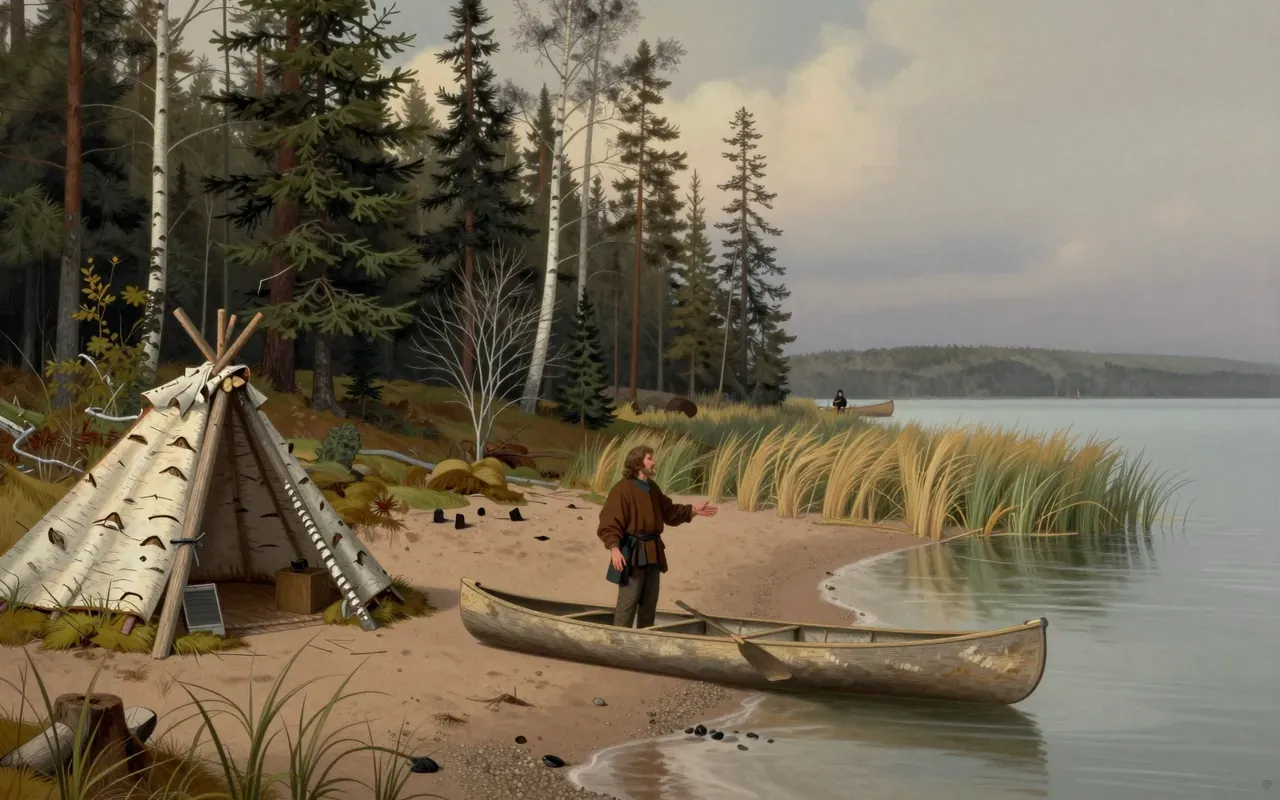
Longfellow’s 1855 poem recasts Ojibway oral tradition into a mythic biography of Hiawatha, using Kalevala metre and Romantic moral framing. It works best in its ritual moments—ghosts testing hospitality, Minnehaha’s death, Hiawatha’s departure—but fails as ethnography or theology. Read Chapters I, IV, V and XXII; skip the botanical interludes and explanatory digressions.

13:26

The Song of Roland

Heroism is martyrdom. Loyalty is obedience. Paganism is error — and all three are non-negotiable.
14:25

Spoon River Anthology

Edgar Lee Masters · 0

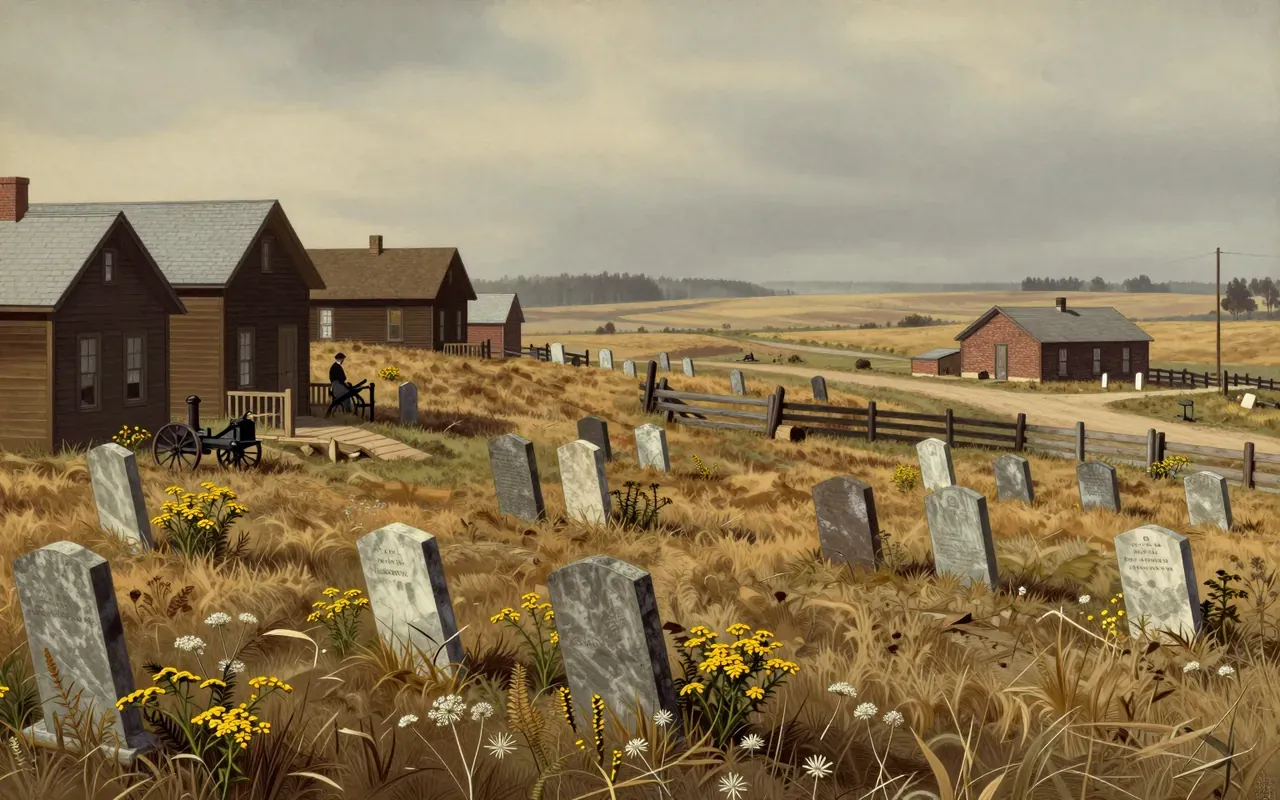
The brief argues that Spoon River Anthology’s power lies entirely in its epitaphs—the dead speaking plainly about lies, loss and local truth. The Epilogue’s mythic allegory undermines that power. Read The Hill. Skip the rest.

15:50

Steppenwolf

Hermann Hesse · 0

Steppenwolf argues spiritual life demands self-annihilation through laughter—not transcendence. It fails when it abandons Haller’s voice for abstraction. Skip the political despair section. Read the Magic Theatre from the masked ball onward, but stop before Hermine’s command.

16:04

The strange case of Dr. Jekyll and Mr. Hyde

Robert Louis Stevenson · 1875

The book argues that human duality cannot be surgically divided — and that attempting to do so destroys both selves. It succeeds through structure, pacing and restraint, not exposition. Skip any attempt to read it as scientific speculation: the potion is a cipher, not a hypothesis.

14:45

A Study in Scarlet

Arthur Conan Doyle · 1887

A Study in Scarlet invents the consulting detective but splits its energy between Holmes’s method and Jefferson Hope’s Mormon-era revenge. Its Utah section is ideologically loaded and structurally disruptive. Read Part I for Holmes’s debut deduction; skip Part II unless you need motive.

15:26

A Tale of Two Cities

Charles Dickens · 0

A polemic disguised as historical fiction. It argues revolution is cyclical and inevitable—until Carton walks calmly to the scaffold and breaks the cycle. The book’s power lies in its contradictions: trauma is inescapable, yet love can suspend history; justice is performative, yet sacrifice is absolute. Skip Book Two.

15:28

Uncle Vanya

Anton Pavlovich Chekhov · 0

Uncle Vanya is a devastating portrait of wasted lives and unacknowledged labour. It argues that intellectual prestige is often fraud, romantic love is mostly fatigue, and endurance is measured in knitted socks and tuned guitars—not grand gestures. The brief isolates Sonia’s final monologue as the play’s moral centre and tells you why Voitski’s failed shot matters more than his rage.

14:46

Vanity Fair

William Makepeace Thackeray · 0

Vanity Fair is a satirical novel that treats society as a rigged theatre. It contrasts Becky Sharp’s ruthless self-invention with Amelia Sedley’s passive virtue, exposing class, inheritance and performance as the real engines of power. The brief explains why its irony works, where it grows repetitive, and which chapters deliver its sharpest insights.

15:06

Verses and Translations

Charles Stuart Calverley · 0

Calverley’s 1862 collection uses precise classical translations and absurd original verse to dissect Victorian class, gender and education. It works best in fragments: a tearful reunion with dogs, Sir Hugo shattered by two words, a burglar tripping before Milton’s elegy. Skip the editor’s front matter and all footnotes—they add nothing beyond verification.

12:50

Wallenstein's Camp

Friedrich Schiller · 1805

A dramatic poem showing soldiers in Wallenstein’s Pilsen camp pledging loyalty not to empire but to their commander. It argues loyalty is performative, collective and born of fear—not ideology or reason. Read it for its raw depiction of martial sovereignty, not for history or character.

14:32

The Waste Land

T. S. Eliot · 1922

The Waste Land is a fractured 1922 poem diagnosing spiritual drought after the First World War. It rejects coherence, using shards of language, myth and memory to enact collapse rather than describe it. The brief tells you why its disorientation is deliberate, which lines anchor its argument, and why it remains essential—if unreadable in the old way.

13:57

The wild duck

Henrik Ibsen · 0

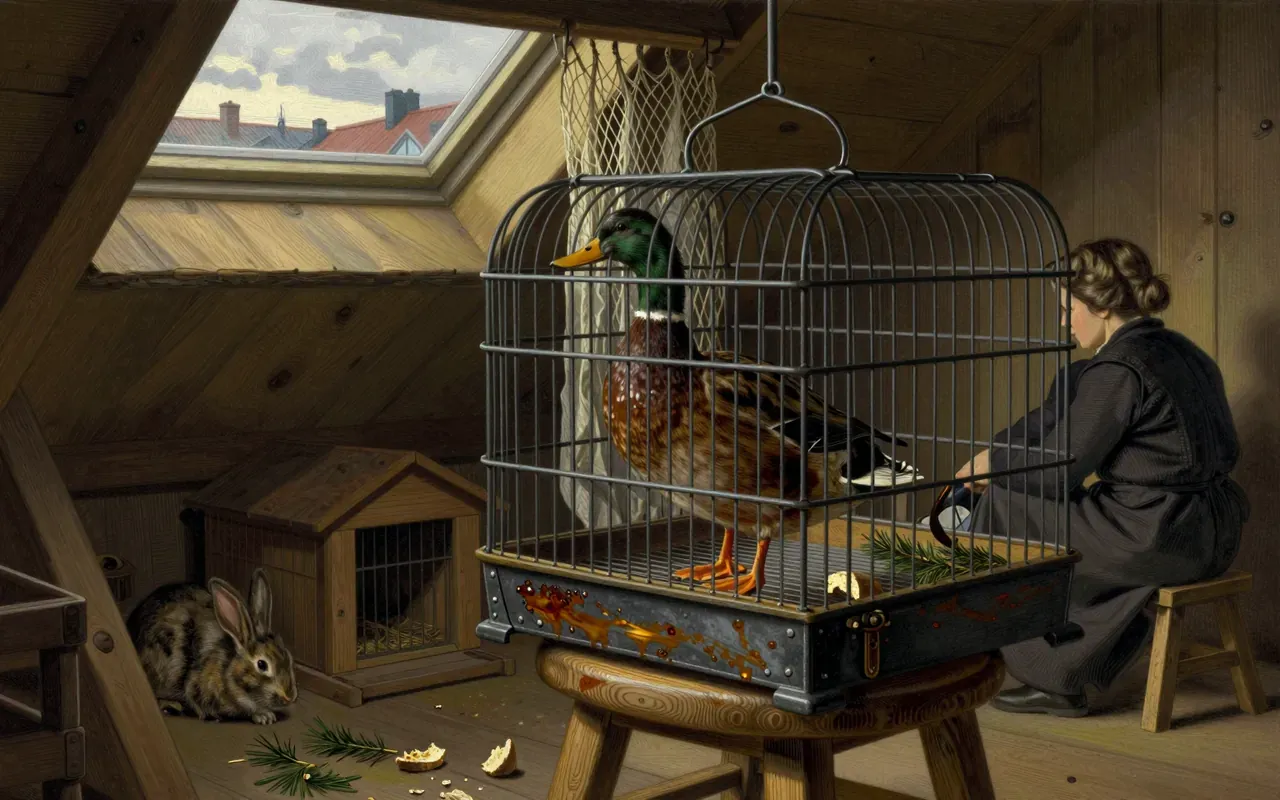
The play argues truth is catastrophic when imposed on fragile lives. Gregers Werle forces Hjalmar Ekdal to confront his wife Gina’s past with Werle Sr., triggering a collapse that ends with Hedvig’s suicide. Relling’s ‘life-lie’ is the play’s core idea: illusion is not weakness but survival infrastructure. Read it for the loft, the duck, and the pistol—not for redemption.

14:27

The Wonderful Wizard of Oz

L. Frank Baum · 1899

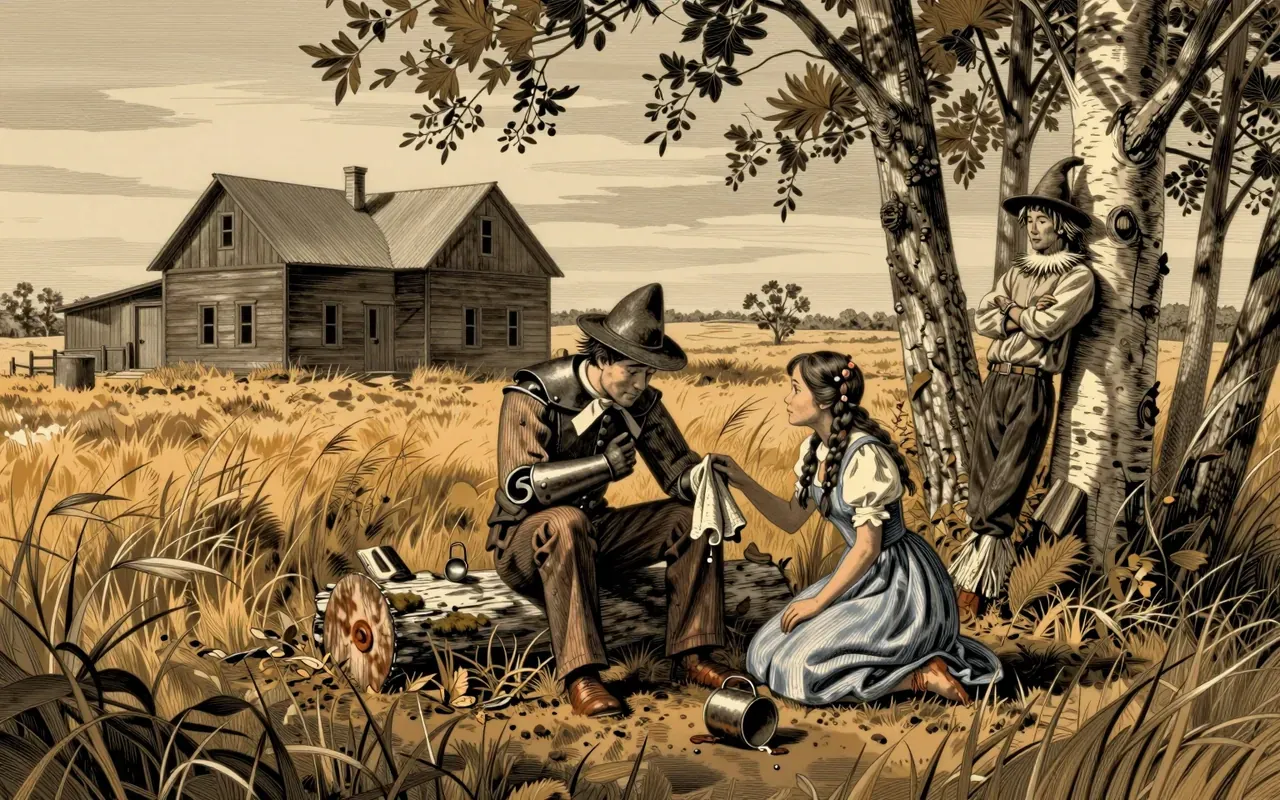
The book replaces Grimm’s moral terror with joyful, amoral wonder. Oz’s green-silk balloon exposes authority as performance. The china Princess’s fear of breaking grounds identity in physical fragility. Glinda reveals Dorothy’s Silver Shoes held her way home all along—but only after she earned return through loyalty and journeying.